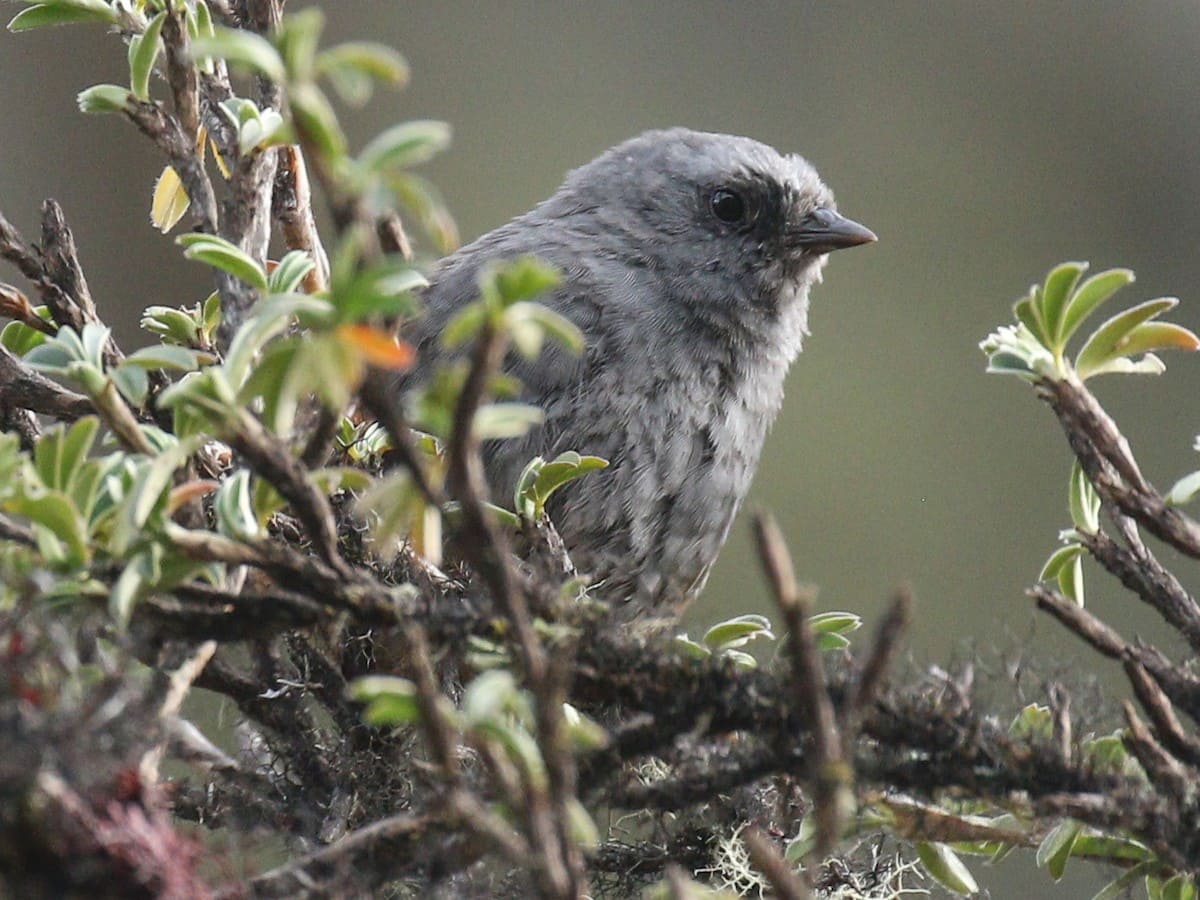
Birding Manu Cloud Forest 4 days
Manu Cloud Forest Birdwatching Tour – 4 Days

Birding Manu Cloud Forest : Discover one of the world’s most extraordinary birdwatching destinations on our 4-Day Manu Cloud Forest Birdwatching Tour.

This unforgettable journey follows the legendary Manu Road, internationally recognized as one of the most biodiverse biological corridors on Earth, where the Andes Mountains meet the Amazon Rainforest, creating unique habitats for hundreds of bird species. BIRDING TOUR  TAMBOPATA 

Your expedition begins in the historic city of Cusco and crosses an impressive range of ecosystems, from the high-Andean wetlands of Huacarpay Lagoon, through dwarf forests and the mystical cloud forest, to the lush Amazonian foothills of Manu National Park.

Each change in elevation reveals new habitats and provides exceptional opportunities for birdwatching and wildlife photography.

This tour has been specially designed for birdwatchers, wildlife photographers, and nature enthusiasts seeking to observe some of Peru’s most iconic and endemic bird species.

Accompanied by experienced local birding guides, you will visit the best observation sites during the hours of peak bird activity, greatly increasing your chances of spotting rare and spectacular species.

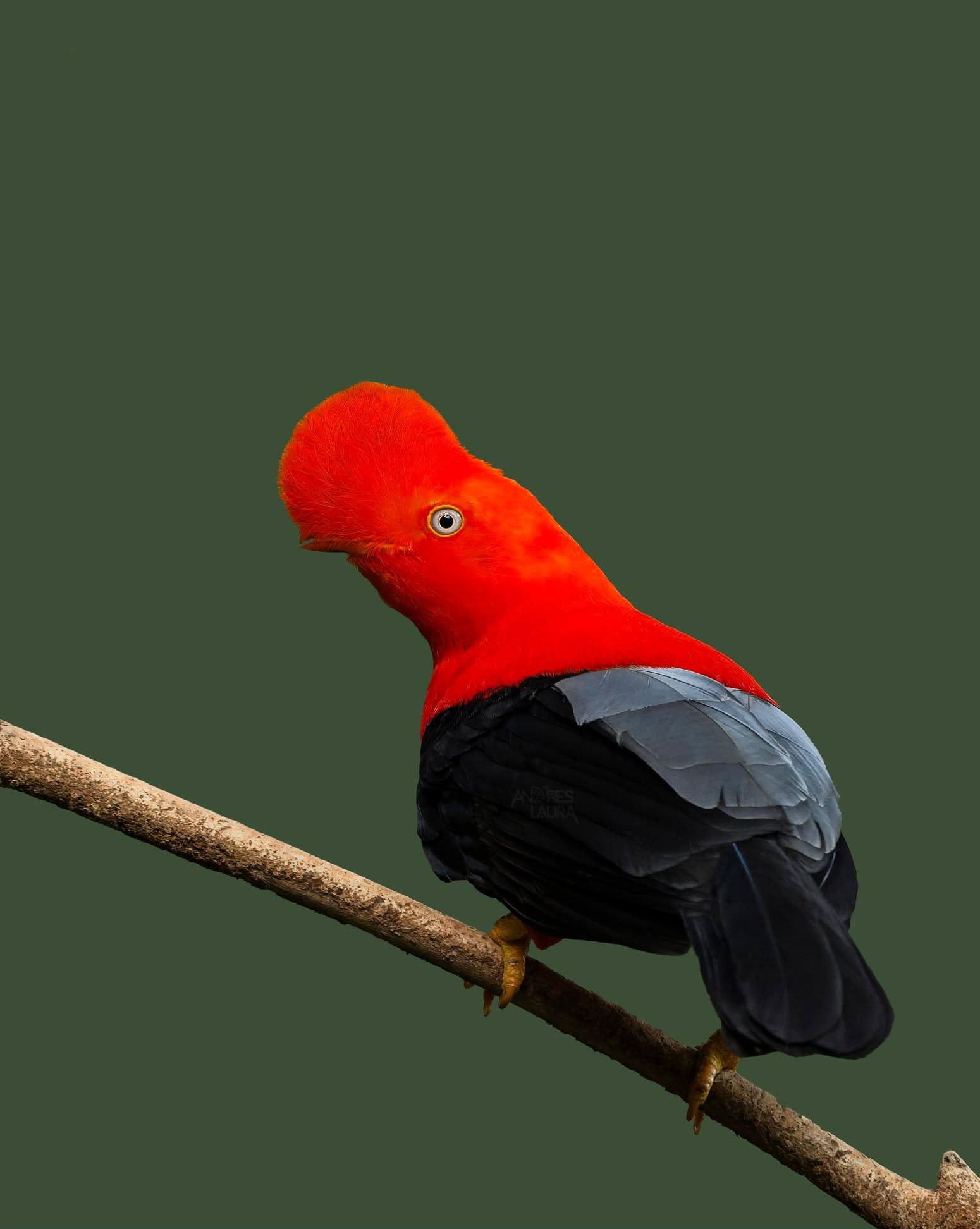
One of the highlights of the tour is visiting a natural Andean Cock-of-the-Rock lek, where you can witness the spectacular courtship display of Peru’s national bird. Tour Manu Reserved 

You will also explore pristine cloud forests that are home to remarkable species such as the Gray-breasted Mountain Toucan, Golden-headed Quetzal, Amazonian Umbrellabird, colorful tanagers, hummingbirds, antpittas, and many other cloud forest specialties.

With more than 300 bird species recorded along this route, the Manu Cloud Forest is considered one of the premier birdwatching destinations in South America.

The combination of breathtaking landscapes, exceptional biodiversity, and expert-guided excursions makes this tour ideal for both experienced birders and travelers looking to discover the fascinating world of birdwatching for the first time.
If you are looking for an authentic birdwatching experience in Peru, this tour will take you through one of the planet’s richest ecosystems, offering unforgettable scenery and an incredible life list of bird species. Bird Amazon peru  manu 

Manu Cloud Forest Birdwatching Tour – 4 Days .

Everything You Need to Know Before Your Birdwatching Tour :

Learn everything you need to know before joining a birdwatching tour along the Manu Road, one of Peru’s most spectacular routes for birdwatching, wildlife photography, and exploring the unique transition between the Andes and the Amazon.
This section answers the most frequently asked questions about the best time to visit, tour difficulty, recommended equipment, accommodations, and how to combine your birdwatching adventure with other iconic destinations such as Machu Picchu.

Manu Cloud Forest Birdwatching Tour – 4 Days .

  • Tour Duration: 4-Day Manu Cloud Forest Birdwatching Tour
  • Service Type: Private or group tour.
  • Starting Point: Hotel/Airbnb pickup in Cusco.
  • Ending Point: Return to your hotel/Airbnb in Cusco.
  • Availability: Daily departures.
  • Location: Southern Peru – Manu National Park, Kosñipata Valley, Cusco, Peru.
  • Activities: Cloud forest exploration, birdwatching, photography, and guided hikes through primary rainforest. The highlights of the Manu Cloud Forest include birdwatching walks, visits to the Andean Cock-of-the-rock leks, and guided tours of the Wayqecha Biological Station. The area is renowned for its exceptional bird diversity and breathtaking mist-covered landscapes.
  • Altitude: The Wayqecha Biological Station is located at 3,000 m (9,843 ft) above sea level in the Kosñipata Valley, Cusco. It serves as a buffer zone on the southern boundary of Manu National Park.
  • Best Time to Visit: March – December.
  • Departures: Subject to availability.
  • Minimum Participants (Amazon Tour): 2 people.
  • Maximum Participants (Peru Tour): 10 people.

Experience the Amazon’s Incredible Biodiversity

Venture into the Amazonian foothills, where biodiversity truly comes alive. Search for fascinating birds including toucans, antbirds, and antshrikes while exploring lush rainforest understory filled with colorful and unique species in their natural habitat.

Day 1: Cusco – Huacarpay Lagoon – High Andes – Dwarf Forest.

Depart from Cusco toward Huacarpay Lagoon before continuing to Acjanaco Pass, the official gateway to Manu National Park. Spend the day birding in high-Andean wetlands and the first cloud forest habitats. birding manu.

Target Bird Species

  • Bearded Mountaineer
  • Many-colored Rush Tyrant
  • Plumbeous Rail
  • Puna Teal
  • Giant Hummingbird
  • Streak-tailed Canastero

Day 2: Birding Manu Cloud Forest  toWayqecha Cloud Forest Birdwatching.

Explore the famous Wayqecha Cloud Forest, renowned for its mixed-species flocks and impressive diversity of endemic Andean birds.

Target Bird Species

  • Gray-breasted Mountain Toucan
  • Red-and-White Antpitta
  • Golden-collared Tanager
  • Grass-green Tanager
  • Marcapata Spinetail
  • Scaly-naped Parrot

Day 3: Birding Manu Cloud Forest  Cock-of-the-Rock Lek & Subtropical Cloud Forest.

Visit a spectacular Andean Cock-of-the-Rock lek, where males perform their famous courtship displays. Continue birding through subtropical cloud forest in search of Manu’s most iconic species.

Target Bird Species

  • Andean Cock-of-the-Rock
  • Golden-headed Quetzal
  • Andean Motmot
  • Amazonian Umbrellabird
  • Versicolored Barbet
  • Ornate Antwren

Day 4: Hummingbird Gardens & Return to Cusco.

Enjoy an early morning birdwatching session in hummingbird gardens and cloud forest habitats before returning to Cusco. Several birding stops along the way provide opportunities to add new species to your checklist. NORH BIRDING 

Target Bird Species

  • Wire-crested Thorntail
  • Rufous-crested Coquette
  • Blue-banded Toucanet
  • Green Jay
  • Paradise Tanager

Manu National Park: Altitude & Cloud Forest

The Manu Cloud Forest stretches between 600 and 3,500 meters (1,970–11,483 ft) above sea level, forming a natural transition between the Andes Mountains and the Amazon Rainforest.
Its upper section, known as the Andean cloud forest or montane forest, begins at approximately 3,500 meters (11,483 ft). The mid-elevation zone includes important conservation areas such as Wayqecha Biological Station (2,950–3,000 m / 9,678–9,843 ft) and extends down to around 1,500 meters (4,921 ft).
The lower limit of the Manu Cloud Forest lies at approximately 600 meters (1,970 ft) above sea level, where it gradually transitions into the warm, tropical lowland rainforest of the Amazon Basin.

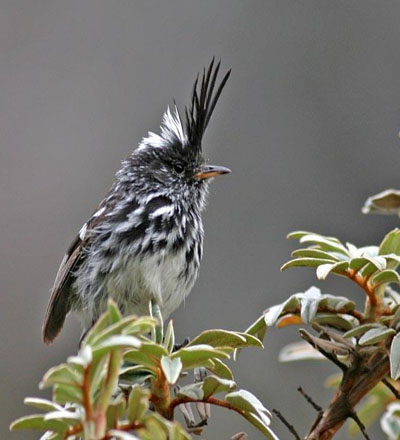
Birding Photography Huacarpay Machupicchu Abra Malaga 8 days

Discover the Magic of Birding Photography Huacarpay Machupicchu Abra Malaga  8 days.

Birding Photography Huacarpay Machupicchu Abra Malaga is not just a historical marvel—it’s also an incredible destination for birdwatching. Surrounded by lush, biodiverse cloud forests, this ancient Incan citadel offers birding opportunities that are truly unforgettable. Whether you’re a seasoned birdwatcher or simply a nature lover, you’ll be captivated by the vibrant array of bird species that call this region home.

  Best Birdwatching Spots in Birding Photography Machu Picchu .

Start your birdwatching adventure on the famous hike to the Window of the Sun (Inti Punku), where you’ll find a variety of rare and endemic species. Look out for the Inca Wren and Brush-finches, both of which are unique to the

area. This trail perfectly blends breathtaking views and abundant birdlife, making it an ideal spot for birdwatchers exploring the iconic Machu Picchu ruins.

For a more immersive experience, spend a morning birdwatching in the Aguas Calientes area (5,578 feet), where the humid montane forest comes alive with the songs of chirping birds. The early morning hours offer the best opportunity to see these birds in action, as they are most active at dawn. You may also encounter other fascinating

wildlife Birding  , such as vibrant butterflies and unfamiliar orchids, making this area a truly captivating nature escape.

  Birding Photography Machu Picchu   Avian Paradise .

Machu Picchu is nestled within the Machu Picchu Sanctuary, which spans a remarkable 352,590 hectares. Within this protected area, over 406 bird species have been recorded, making it one of the most biodiverse regions in the Andes and rainforest trips

Notable birds include the striking Andean Cock-of-the-rock and the colorful Mountain Tanager, both of which can be observed in their natural habitats. These species make for an unforgettable birdwatching experience.

Detailed Itinerary – Birding Photography Huacarpay Machupicchu Abra Malaga & Apurímac Jewels

Day 1 – Flight to Cusco, Huacarpay Birding & Transfer to Ollantaytambo .

We take an early morning flight from Lima to Cusco and head directly to Huacarpay Lake, one of the best introductions to Andean birdlife. In the dry scrub we will search for our first endemic of the tour, the Rusty-fronted Canastero.amazon Peru

The reedbeds and lake margins host an excellent mix of species, including Yellow-winged Blackbird, Many-colored Rush Tyrant, Wren-like Rushbird, and various waterfowl such as Puna Teal, Yellow-billed Pintail, Yellow-billed Teal, Cinnamon Teal, Andean Coot, White-tufted Grebe, and Puna Ibis.

Other highlights include Band-tailed Seedeater, Blue-and-yellow Tanager, Chiguanco Thrush, Streak-fronted Thornbird, Andean Flicker, Green-tailed Trainbearer, Golden-billed Saltator, Andean Lapwing, and raptors like Black-chested Buzzard-Eagle.

In the afternoon we transfer to Ollantaytambo, where the gardens of Hotel Pakaritampu offer relaxing birding and reliable chances to see Black-throated Flowerpiercer and the endemic Bearded Mountaineer.

Overnight: Hotel Pakaritampu, Ollantaytambo

Day 2 – Birding Photography Huacarpay Machupicchu  the Abra Málaga Mountain Pass .

We start early to explore the legendary Abra Málaga, set beneath the imposing snowcapped Veronica Mountain. This high-elevation pass protects valuable Polylepis habitat and hosts numerous range-restricted specialties.

Key targets include White-browed Tit-Spinetail, Ash-breasted Tit-Tyrant, Giant Conebill, Line-fronted Canastero, Streak-headed Antpitta, Puna Tapaculo, Tit-like Dacnis, Junin Canastero, Tawny Tit-Spinetail, and the extremely rare Royal Cinclodes (Critically Endangered).

Other possible sightings include Andean Goose, Great Sapphirewing, White-tufted Sunbeam (endemic), Shining Sunbeam, Andean Parakeet, Mountain Caracara, and our first potential encounter with the Andean Condor.

Overnight: Hotel Pakaritampu, Ollantaytambo

Day 3 – Birding Photography Huacarpay Machupicchu Abra Malaga  the Quillabamba Road .

Today we continue along the Quillabamba road, exploring the lower elevations of Abra Málaga. This lush transition zone offers a completely different bird community.

We search for several key endemics:

  • Parodi’s Hemispingus
  • Inca Wren
  • Cuzco Brushfinch
  • Marcapata Spinetail
  • Unstreaked Tit-Tyrant

Additional species include Golden-collared Tanager, Scarlet-bellied Mountain Tanager, Grass-green Tanager, Plushcap, Black-eared Hemispingus, Three-striped Hemispingus, Puna Thistletail, Diademed Tapaculo, and Yungas Pygmy Owl.

Overnight: Hotel Pakaritampu, Ollantaytambo

Day 4 – Birding Photography Huacarpay Machupicchu Abra Malaga – Visit to Machu Picchu & Aguas Calientes .

After a scenic 1.5-hour train ride from Ollantaytambo we arrive in Aguas Calientes (Machu Picchu Pueblo). We spend the morning exploring the iconic ruins while also seeking the charismatic endemic Inca Wren and Pale-legged Warbler.

In the afternoon we walk along the railway, birding the lush forest and riverside. Likely sightings include Highland Motmot, Torrent Duck, White-capped Dipper, Torrent Tyrannulet, Saffron-crowned Tanager, Blue-necked Tanager, Azara’s Spinetail, Grey-breasted Wood Wren, Slate-throated Whitestart, and White-bellied Hummingbird.

Overnight: Casa Andina Classic Machu Picchu

Day 5 – Birding Photography Huacarpay Machupicchu Abra Malaga  &Mandor Valley & Return to Cusco .

We spend a full morning exploring the Mandor Valley, an outstanding area of humid forest near Aguas Calientes. This location is excellent for both endemics and colorful mid-elevation species.

Targets include:

  • Masked Fruiteater (endemic)
  • Green-and-white Hummingbird (endemic)
  • Versicolored Barbet
  • Golden-naped & Silver-backed Tanagers
  • Blue-naped Chlorophonia
  • White-eared & Andean Solitaires
  • Chestnut-capped Brushfinch
  • Ocellated Piculet
  • Slaty Tanager, Barred Becard, Golden-olive Woodpecker, Capped Conebill, and more.

In the afternoon we take the return train to Ollantaytambo and continue by road to Cusco.

Overnight: Casa Andina Cusco Hotel

Day 6 – Birding Photography Huacarpay Machupicchu Abra Malaga – Andean Condor Experience & Limatambo .

We travel to Limatambo to visit the dramatic Chonta Condor Viewpoint, one of the best sites in Peru for observing Andean Condors at close range. The cliffs and warm updrafts create ideal viewing conditions.

Other raptors include American Kestrel, Variable Hawk, Aplomado Falcon, and Black-chested Buzzard-Eagle.

The lodge grounds provide opportunities for several nocturnal species, with emphasis on the elusive Buff-fronted Owl. We also look for Pacific Pygmy Owl and the localized subspecies of Koepcke’s Screech Owl (sometimes referred to as the “Apurímac Screech Owl”).

Overnight: Limatambo

Day 7 –   Birding the Mollepata Region .

Today we explore the Mollepata valley, a hotspot for Apurímac endemics. Key species include:

  • Vilcabamba Tapaculo
  • Creamy-crested Spinetail
  • Apurímac Brushfinch
  • Apurímac Spinetail

Other notable species are Chestnut-capped Brushfinch, Tyrian Metaltail, and additional ridge and scrub specialists. After dusk, we have another chance to search for Buff-fronted Owl.

Overnight: Limatambo

Day 8 – Tour Ends: Return to Cusco & Flight to Lima .

After an unforgettable week of Andean birding, we return to Cusco to catch our domestic flight back to Lima, where the tour concludes.

Classic Central Birding Peru 17 days

Birdwatching Expedition in Central Peru: Satipo Road & Carpish Adventure (17 Days) Classic Central Birding Peru .

Classic Central Birding Peru 17 days Uncover Peru’s Avian Secrets with the Ultimate Birdwatching Odyssey

Immerse yourself in a 17-day adventure through Central Peru’s iconic birdwatching havens: the legendary Satipo Road and the magical Carpish Range. Experience awe-inspiring encounters with endemic, rare, and regionally confined bird species. From lush cloud forests and serene high-altitude wetlands to rugged mountain slopes, each moment promises an unforgettable chapter for birding enthusiasts. Tour  Amazonia Peru

Classic Central Birding Peru 17 days-What Makes This Expedition Unique?

Endemic Species & Avian Marvels
Uncover remarkable species like the Black-spectacled Brush-Finch, Huallaga Tanager, and potentially new taxa such as a distinct Thryothorus Wren.
Diverse Ecosystems
Traverse habitats including Polylepis forests, mystical oilbird caves, and pristine lowland and montane forests rich in biodiversity.
Rare Avian Encounters
Observe the spectacular Golden-backed Mountain Tanager, the aquatic wonder Junin Grebe, and many more exceptional species.

17-Day Central Peru Birding Adventure: From Lomas de Lachay to Satipo Road

Explore Peru’s most iconic birding hotspots—Lomas de Lachay, Santa Eulalia, Junin Lake, Bosque Unchog, Tingo María, Satipo Road, and the Mantaro Valley—in this 17-day journey designed for passionate birders and nature-loving travelers.
From coastal deserts to cloud forests and high-Andean lakes, this route offers more than 500 potential species, including many of Peru’s rarest endemics.

Day 1: Classic Central Birding Peru –  Lomas de Lachay – Misty Hills and Coastal Marshes .

Your adventure begins north of Lima at Lomas de Lachay, one of Peru’s most unique coastal ecosystems. These fog-fed hills burst with life during the season, offering excellent chances to see endemics such as the Coastal Miner, Cactus Canastero, Raimondi’s Yellow-Finch, and Thick-billed Miner.
Throughout the day, expect encounters with Andean Tinamou, Grassland Yellow-Finch, Peruvian Meadowlark, and the elegant Least Seedsnipe.

Later, you’ll explore nearby marshes where Peruvian Tern, Many-colored Rush-Tyrant, Wren-like Rushbird, and Gray-hooded Gull are frequent highlights. If time allows, the rocky foothills offer bonus opportunities for additional desert species.

Overnight: Santa Eulalia (B:L:D)

Day 2: Classic Central Birding Peru – Santa Eulalia Valley – A Haven for Rare Endemics .

This dramatic valley is one of Peru’s most reliable spots for high-Andean specialties. The day’s key targets include the sought-after Rufous-breasted Warbling-Finch and Great Inca-Finch.
You may also encounter shimmering hummingbirds like the Bronze-tailed Comet and Black Metaltail, along with Rusty-crowned Tit-Spinetail, Black-necked Woodpecker, and Canyon Canastero.

Other regular sightings include Torrent Duck, White-winged Cinclodes, and the powerful Andean Condor. At dusk, we’ll pause to listen for the tiny but vocal Peruvian Pygmy-Owl.

Overnight: Santa Eulalia (B:L:D)

Day 3: Classic Central Birding Peru to  Milloc to Marcapomacochas – High-Andean Marvels .

Today is often considered one of the most exciting birding days in all of Peru. Although species density decreases at high elevations, the quality is exceptional.

We begin in a Polylepis forest, home to the elusive White-cheeked Cotinga. Other highlights include Stripe-headed Antpitta and Striated Earthcreeper.
As we move into the Milloc Valley, we target Black Siskin, Bright-rumped Yellow-Finch, Black-breasted Hillstar, and a variety of canasteros and ground-tyrants.

In the afternoon, we explore Marcapomacochas, one of the few places where you can find Diademed Sandpiper-Plover, White-bellied Cinclodes, and Olivaceous Thornbill.
We end the day on paved roads after a spectacular high-altitude experience.

Overnight: La Oroya (B:L:D)

Day 4:Classic Central Birding Peru and  Lake Junin – Huánuco .

This morning focuses on Peru’s most threatened waterbird: the critically endangered Junin Grebe. By taking a motorboat onto Lake Junin, we gain optimal views of this rare species.
Other highlights include Plumbeous Rail, Puna Plover, White-tufted Grebe, Yellow-billed Teal, Yellow-billed Pintail, and occasionally Chilean Flamingos.

After lunch, the road to Huánuco offers more Andean specialties, such as Black-crested Tit-Tyrant, Giant Conebill, Thick-billed Siskin, Baron’s Spinetail, and Brown-flanked Tanager.

Overnight: Lodge outside Huánuco (B:L:D)

Days 5–6:  Classic Central Birding Peru – Bosque Unchog – Home of Peru’s “Big Four” .

We dedicate two full days to Bosque Unchog, one of the top destinations for serious birders. This remote site is the only reliable place to see Peru’s legendary “Big Four”:

  • Golden-backed Mountain-Tanager
  • Rufous-browed Hemispingus
  • Bay-vented Cotinga
  • Pardusco

Supporting cast species include Golden-collared Tanager, Coppery Metaltail, Tschudi’s Tapaculo, Line-fronted Canastero, and Red-rumped Bush-Tyrant, as well as the elusive Neblina Tapaculo.

Overnight: Lodge outside Huánuco (B:L:D)

Day 7: Paty Trail – Descent to Tingo María .

Although partially degraded, the Paty Trail still delivers fantastic birding. Key species include Peruvian Tyrannulet, Rufous-vented Tapaculo, and Bay Antpitta. Mixed flocks may reveal colorful tanagers and secretive furnariids.

In the afternoon, we descend toward Tingo María, where dusk brings a chance to spot the impressive Band-bellied Owl.Peru Bird

Overnight: Tingo María (B:L:D)

Day 8: Tingo María – Oilbird Cave .

Today we explore forest remnants east of Tingo María for bright lowland species like Rufous-crested Tanager, Orange-eared Tanager, Golden-naped Tanager, and the endemic Masked Fruiteater.

Later in the day, we visit Tingo María National Park to search for Black-bellied Tanager, Spot-winged Antbird, and the vibrant Fiery-capped Manakin.
We end with a dramatic visit to the Oilbird Cave, a memorable highlight for wildlife enthusiasts.

Overnight: Tingo María (B:L:D)

Day 9:  Classic Central Birding Peru –  Carpish Tunnel – Cloud-Forest Specialties .

Ascending back into the montane forest, we target a fresh suite of species. The Carpish Tunnel area is excellent for Yellow-scarfed Tanager, Unstreaked Tit-Tyrant, Peruvian Wren, and Gray-breasted Mountain-Toucan.
Other possibilities include Barred Fruiteater, Chestnut Antpitta, and Rufous-headed Pygmy-Tyrant.

Overnight: Huánuco (B:L:D)

Day 10:  Classic Central Birding Peru and  Huánuco to Oxapampa .

This is primarily a travel day, but we make strategic birding stops along the way. The main highlight is Rufous-backed Inca-Finch, an endemic found in scrubby Andean slopes.
After arriving in Oxapampa, we may try for the nocturnal Cloud-forest Screech-Owl.

Overnight: Oxapampa (B:L:D)

Day 11: Oxapampa – Bosque Shollet .

Morning birding around Oxapampa focuses on Masked Fruiteater, Peruvian Wren, Unstreaked Tit-Tyrant, and Yellow-scarfed Tanager.
In the afternoon, we continue to Bosque Shollet, a reliable location for Black-winged Parrot, Red-ruffed Fruitcrow, and Bay Antpitta.

Overnight: Oxapampa (B:L:D)

Day 12: Classic Central Birding Peru to   Villa Rica – Coffee Country Birding .

Shade-grown coffee plantations around Villa Rica provide habitat for species such as Creamy-bellied Antwren, Foothill Elaenia, White-bellied Pygmy-Tyrant, and Versicolored Barbet.
Nearby wetlands may also reveal Subtropical Doradito and the well-camouflaged Masked Duck.

Overnight: Villa Rica (B:L:D)

Day 13: Villa Rica to Satipo .

We bird our way east toward Satipo, watching for Masked Saltator and Andean Tyrant along the forested road.

Overnight: Satipo (B:L:D)

Day 14:  Classic Central Birding Peru – Satipo Road – One of Peru’s Best Birding Corridors .

Often compared to the famous Manu Road, the Satipo Road transitions from Andean peaks to lush foothills. It’s an area rich in mixed flocks, hummingbirds, and canopy species.
Key sightings include Paradise Tanager, Golden Tanager, Ocellated Piculet, and Lanceolated Monklet, along with higher-elevation species like Eyering Thistletail and Bay Antpitta.

Overnight: Apalla Calabaza (B:L:D)

Day 15:  Classic Central Birding Peru  Satipo Road to Acobamba – Rare High-Andean Endemics .

We continue birding at higher altitudes, targeting the Junin Tapaculo and Eyering Thistletail. With luck, we might observe the still-undescribed Millpo Tapaculo.
Later, we search for other Mantaro endemics such as Mantaro Thornbird and Mantaro Spinetail.

Overnight: Acobamba (B:L:D)

Day 16: Mantaro Valley – Return to La Oroya .

This morning focuses on the scrub habitats around Acobamba, where Black-goggled Brush-Finch and Mantaro Wren are the main targets.
Afterward, we drive back toward La Oroya for our final night in the high Andes.

Overnight: La Oroya (B:L:D)

Day 17: Back to Lima – Final Birding Highlights .

Our return to Lima includes strategic birding stops. Possible species include the Black Metaltail and the well-camouflaged Rufous-bellied Seedsnipe.
Your journey concludes with a transfer to your hotel or directly to the airport.

Meals: B:L

Machu Picchu Quillabamba Birding 7 days

Machu Picchu Quillabamba Birding

 From Machu Picchu Quillabamba Birding study from the upper Urubamba Valley
This newly launched tour is designed to showcase some of the most remarkable birdwatching hotspots within the Urubamba drainage.

Combining cultural heritage with ecological exploration, the tour offers an immersive experience that highlights both the natural beauty and historical significance of the region.

Machu Picchu – While famous for its ancient ruins, the area surrounding Machu Picchu is also a prime birdwatching destination. With its subtropical climate and diverse ecosystems, the Machu Picchu sanctuary is

home to a variety of endemic species. Look out for the Andean cock-of-the-rock, the national bird of Peru, and the rare long-tailed sylph hummingbird among the lush greenery.

Quillabamba – Known as the “Gateway to the Amazon Machu Picchu Quillabamba Birding .

Quillabamba is a tropical town located in the lower Urubamba Valley. The region is renowned for its rich

biodiversity, with a number of bird species endemic to the Amazonian foothills. Here, birdwatchers can observe a mix of highland and lowland species, including toucans, parrots, and various types of tanagers.

The Road to Ayacucho – This scenic route takes you through stunning highland landscapes, past cloud forests, and

along winding roads offering spectacular views. Birdwatchers will be delighted by the opportunity to spot species

such as the Andean flicker, the yellow-breasted chat, and the spectacled bear’s favorite, the endemic giant hummingbird.

7-Day Machu Picchu Quillabamba Birding Itinerary:  & the Vilcabamba Frontier

This unforgettable birdwatching expedition takes you from the icy heights of Abra Málaga to the lush rainforest around Machu Picchu, and then deep into the rarely explored valleys of Quillabamba, Kiteni, and the new Ayacucho road. Along the way, you will encounter a spectacular mix of Andean, cloud-forest, bamboo-specialist, and dry-forest bird species—some of the most sought-after birds in Peru.

Ideal for birders, photographers, and nature-oriented travelers, this route blends world-class wildlife viewing with stunning landscapes and cultural highlights.

Day 1 –  Machu Picchu Quillabamba Birding  Abra Málaga & Scenic Train to Aguas Calientes .

We begin our journey by crossing the dramatic Abra Málaga pass, a high-altitude zone known for its unique Polylepis forests and rare Andean species. After birding the area, you will descend toward the Sacred Valley and board the evening train from Ollantaytambo to Aguas Calientes, the gateway to Machu Picchu.

The train ride itself is a memorable experience, following the dramatic gorge of the Urubamba River and offering our first glimpses of cloud-forest habitats we will explore in the coming days.

Overnight: Aguas Calientes.

Day 2 –  Machu Picchu Quillabamba Birding & the Cloud-Forest Birdlife of the Urubamba Valley .

This morning, we explore the legendary citadel of Machu Picchu. Beyond its archaeological importance, the site is surrounded by pristine cloud forest, making it a paradise for birders.

Target Birds Around Machu Picchu

During our visit, we will keep an eye out for local specialties such as:

  • Inca Wren – an endemic treasure of the Machu Picchu area
  • Green-and-white Hummingbird
  • Torrent Duck & White-capped Dipper along the fast-flowing river
  • Mitred and Barred Parakeets
  • Andean Guan and the unmistakable Andean Cock-of-the-Rock
  • Ocellated Piculet, Highland Motmot, White-eared Solitaire
  • A kaleidoscope of tanagers including Saffron-crowned, Rust-and-Yellow, Flame-faced, and Beryl-spangled Tanager
  • Grey-breasted Mountain-Toucan, Variable Antshrike, and much more

In the afternoon, we descend to the lower trails beneath the ruins, home to additional mixed flocks and mid-elevation specialties.

Evening Birding

At dusk, we stake out one of the valley’s most charismatic nocturnal birds: the spectacular Lyre-tailed Nightjar, famous for its long, flowing tail feathers displayed during evening flights.

Overnight: Aguas Calientes.

Day 3 –  Machu Picchu Quillabamba Birding Along the Rail Line to Hidroeléctrica & Road to Quillabamba .

Today we continue birding along the rail track below Puente Ruinas, a well-known hotspot where lush vegetation attracts a variety of sought-after birds.

Key Species for Today

  • Masked Fruiteater
  • Black-streaked Puffbird

The local form of Pale-legged Warbler (possibly a distinct species)

  • Gould’s Inca
  • Rufous-breasted Wood-Quail

Our walk covers roughly 6 km of gentle downhill terrain following the tracks to Hidroeléctrica, allowing ample time for photography and scanning mixed flocks.

In the early afternoon, we continue via Santa Teresa, following a warm valley corridor toward Quillabamba, a lively tropical town surrounded by coffee plantations.

Overnight: Quillabamba.

Day 4 – Quillabamba – Cirialo – Kiteni: Dry Forest, Coffee Zones & Cloud Forest Transitions .

We make a pre-dawn departure toward Cirialo, one of the most exciting emerging destinations for birders in southern Peru. This region lies in a rain-shadow zone, creating a pocket of dry forest that hosts many species rarely accessible elsewhere in the country.

Dry Forest Highlights

Often easier to see here than at any other Peruvian site:

  • Small-billed Tinamou
  • Ocellated Crake
  • Plain-breasted Ground-Dove
  • Cinereous-breasted Spinetail
  • Rusty-backed Antwren
  • Plain-crested Elaenia
  • Pearly-vented Tody-Tyrant
  • Green-backed Becard
  • Purplish Jay

More widespread but always welcome:

  • Yellow-headed Caracara
  • Stripe-necked Tody-Tyrant
  • Fiery-capped Manakin
  • Black-faced Tanager
  • Red-crested Finch
  • Dull-colored Grassquit
  • Mid-Elevation Coffee Belt

As we climb, the dry forest transitions into coffee farms shaded by Inga trees. Here we look for:

  • Yungas Antwren
  • Swallow-tailed Hummingbird
  • Streaked Flycatcher
  • Rufous Casiornis
  • Blue-crowned Trogon
  • Yellow-tufted Woodpecker
  • Bar-breasted Piculet

Seasonal migrants like Cerulean Warbler and Western Wood-Pewee

  • Upper Cloud Forest

Beyond 1,800 m we enter lush cloud forest with an entirely different cast:

  • Creamy-bellied Antwren
  • Flavescent & Unadorned Flycatchers
  • Masked Fruiteater
  • Blue-winged Mountain-Tanager

We return toward Cirialo at dusk to search for Scissor-tailed Nightjar, White-tailed Hawk, and Yungas Tyrannulet.

Overnight: Kiteni (basic but comfortable facilities).

Day 5 – New Kiteni–Ayacucho Road: Exploring an Uncharted Birding Frontier .

Today we venture into one of Peru’s last virtually unexplored birding routes: the newly constructed road crossing the Cordillera Vilcabamba toward Ayacucho. With elevations ranging from 650 to 2,400 m, this road promises a rich mix of lowland and foothill species.

Possible Species (Based on Nearby Studies)

  • Black Tinamou
  • Peruvian Piedtail
  • Cerulean-capped Manakin
  • Yungas Manakin
  • Bolivian Tyrannulet
  • Blue-headed Macaw
  • Vilcabamba Brush-Finch
  • Scimitar-winged Piha
  • Yungas Antwren
  • If Bamboo Patches Are Found

Bamboo is home to some of Peru’s most restricted species:

  • Yellow-billed Nunbird
  • Cabanis’s Spinetail
  • Peruvian Recurvebill
  • Crested Foliage-gleaner
  • Ornate Antwren
  • Dot-winged Antwren
  • Peruvian Warbling-Antbird
  • Large-headed Flatbill

Lower bamboo zones could also reveal:

  • Rufous-breasted Piculet
  • Bamboo Antshrike
  • Striated Antbird
  • Manu Antbird
  • White-lined Antshrike
  • White-faced Tody-Tyrant
  • Flammulated Bamboo-Tyrant
  • Dusky-tailed Flatbill

And for the very lucky: the elusive Selva Cacique, historically recorded beyond the Pongo.

Overnight: Cirialo.

Day 6 – Second Exploration Day on the Ayacucho Road & Return to Quillabamba .

We dedicate a second day to surveying the Ayacucho road and filling in any habitat gaps from the previous day. This gives us additional time to search for target species, explore new side tracks, and recheck bamboo stands.

  • In the afternoon we return to Quillabamba.

Overnight: Quillabamba.

Day 7 – Quillabamba – Abra Málaga – Ollantaytambo – Cusco .

On our final day, we climb again through the Andean foothills toward Abra Málaga, giving us the chance to search for any high-altitude species still missing from our list.

After our final birding session, we descend into the Sacred Valley and continue back toward Cusco, reaching the city by late afternoon.