Birdwatching Adventure in Northern Peru Today
If you’re looking for an unforgettable birding experience away from the crowds, Northern Peru offers a unique opportunity to explore one of the richest avian ecosystems on the planet. Whether you're a seasoned birder or a nature enthusiast, this hidden gem is waiting to be discovered!
Birds North of Peru
Top 10 Birds North of Peru Peru Birding Route
The Northern Peru Birding Route is one of the most biodiverse birding destinations in the world, boasting a remarkable 1,500+ bird species. This route spans the Pacific coast, the Andes, and the Amazon lowlands, making it a prime location for birdwatching enthusiasts. It is also home to a high number of endemic and rare species, making it an unmissable destination for avian lovers and nature photographers alike. Trips manu
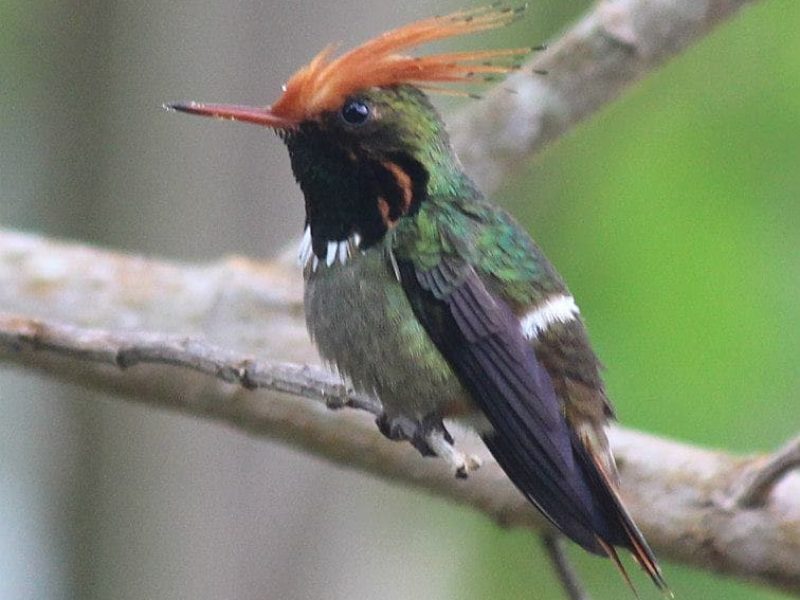
Marvelous Spatuletail (Loddigesia mirabilis)
The Marvelous Spatuletail (Loddigesia mirabilis) is one of Peru’s most extraordinary endemic birds and a true highlight for birdwatchers visiting northern Peru. This endangered hummingbird has an extremely restricted range in the Andean cloud forests of the Utcubamba River Valley, where it inhabits humid montane forest and surrounding vegetation.
Renowned as one of the world’s most remarkable hummingbirds, the Marvelous Spatuletail is particularly famous for the extraordinary tail of the adult male. It has just four tail feathers, including two elongated outer feathers ending in distinctive, spatula-shaped tips. The male can move these remarkable feathers independently, creating an unmistakable display during courtship. Northern Peru
For birders traveling the Northern Peru Birding Route, searching for the Marvelous Spatuletail is often a major highlight. Its highly localized distribution makes northern Peru one of the most important destinations for observing this iconic Peruvian endemic in its natural habitat.
The species’ restricted range and conservation status also make responsible birdwatching especially important. Visiting with knowledgeable local guides and supporting conservation-focused initiatives can help protect the fragile cloud-forest ecosystems on which the Marvelous Spatuletail depends. Tambopata Tours
Birds North of Peru
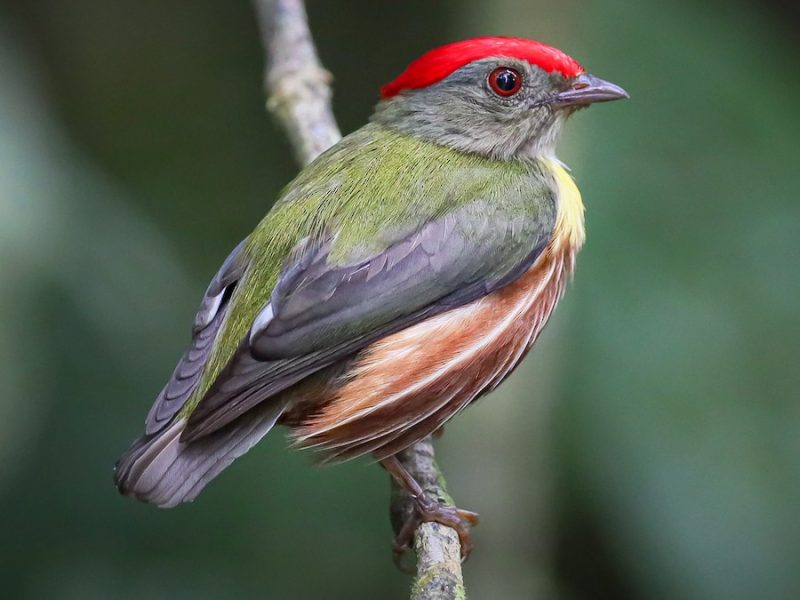
- Scarlet-banded Barbet – Striking, vulnerable bird of northern Peru.
See: Cordillera Azul - Marvelous Spatuletail – Endemic hummingbird famous for its racket-shaped tail.
See: Pomacochas, Utcubamba Valley - Long-whiskered Owlet – Tiny, rare owl with long facial whiskers.
See: Abra Patricia, Alto Mayo - Pale-billed Antpitta – Endemic bird with an ivory bill and red eyes.
See: Pomacochas Lake - Rusty-tinged Antpitta – Elusive endemic of humid mountain forests.
See: Abra Patricia, Alto Mayo - Ochre-fronted Antpitta – Secretive, vulnerable bird of cloud forests.
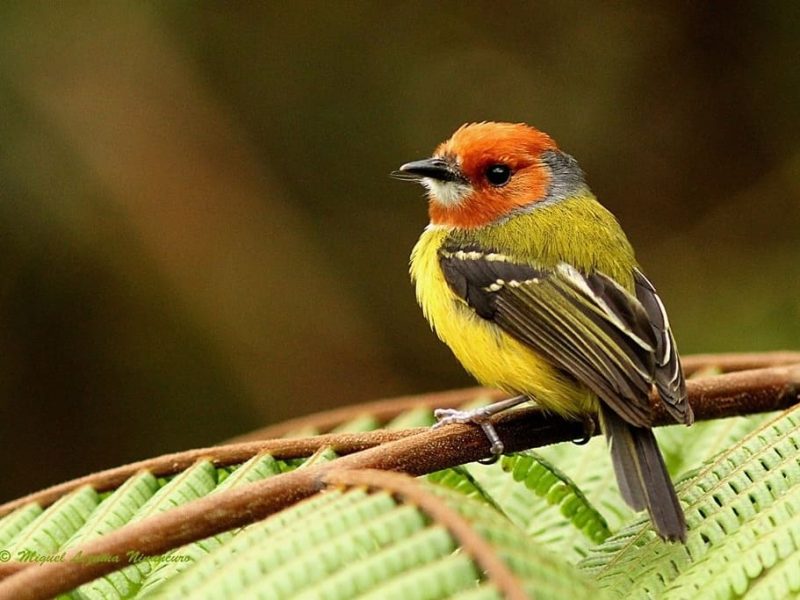
See: Abra Patricia, Alto Mayo - Johnson’s Tody-Flycatcher – Colorful, endangered bird of northern Peru.
See: Near Abra Patricia - Painted Manakin – Recently described bird of lowland sandy forests.
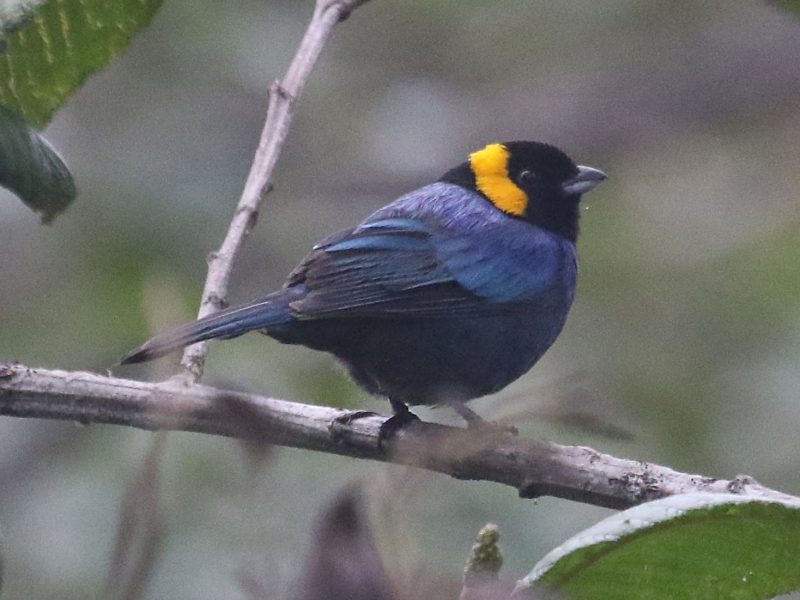
See: Morro de Calzada - Yellow-scarfed Tanager – High-altitude tanager often seen in mixed flocks.
See: Abra Patricia - Black-bellied Tanager – Peruvian endemic found near the Huallaga and Mayo Rivers.
See: Tarapoto, Moyobamba, Alto Mayo
Bonus Birds .
- Golden-backed Mountain Tanager – Rare high-altitude tanager.
See: Unchog Forest, Huánuco - Cordillera Azul Antbird – Peruvian endemic discovered in 2016.
See: Cordillera Azul
Why Choose the Northern Peru Birding Route?
Over 1,500 species, including highly sought-after endemics
Diverse habitats from coast to Amazon peru
Expert-guided tours for optimal birdwatching experiences
Incredible opportunities for nature photography
Don’t miss the chance to explore one of the world’s most spectacular birding destinations.
Book a tour and discover Peru’s rarest and most stunning bird species
Birds North of Peru
Northern Peru Birding Route: Endemics, Diverse Habitats and Exceptional Birding
The Northern Peru Birding Route is one of South America’s most rewarding destinations for birdwatchers, combining an extraordinary concentration of endemic and range-restricted species with an impressive variety of habitats. From the Pacific coast and dry forests to the high Andes, the Marañón Valley and the Amazonian lowlands, northern Peru offers exceptional birding opportunities alongside spectacular landscapes.
Across the eight northern regions of Peru, birders can encounter roughly 1,600 bird species, including around 150 range-restricted species and approximately 63 species endemic to Peru. This remarkable diversity makes northern Peru an essential destination for anyone interested in endemic birds, tropical birding and comprehensive Peru birding tours.
The Main Northern Peru Birding Routes
The Northern Peru Birding Route encompasses several interconnected journeys, each offering a distinctive combination of habitats, landscapes and target species.
Chiclayo to Tarapoto
The principal route runs from the Pacific coast near Chiclayo eastward through the Andes and Marañón Valley before reaching the humid tropical forests surrounding Tarapoto.
This journey crosses a remarkable succession of ecosystems, allowing birders to experience dry coastal habitats, Andean valleys, montane forests and Amazonian foothill environments in a single trip. The route is particularly attractive for travelers looking to combine a high number of species with opportunities to search for Peru’s endemic and range-restricted birds.
Pedro Ruiz, the Utcubamba Valley and Cajamarca
A second major birding route begins around Pedro Ruiz and follows the scenic Utcubamba Valley toward Leymebamba. From there, the journey crosses the spectacular Marañón Valley before continuing toward Cajamarca.
This region is especially compelling for birders interested in the transition between Andean habitats and the distinctive ecosystems of the Marañón basin. The dramatic scenery is an added highlight, with mountain valleys, steep slopes and remote landscapes creating a memorable backdrop for birdwatching.
The Tumbes Extension
For travelers seeking a broader northern Peru birding experience, the Tumbes extension adds a very different set of habitats. The route includes the tropical Pacific forests of Tumbes, coastal mangroves, dry forests and opportunities for pelagic birding.
Depending on the itinerary, the journey can continue toward Piura or Chiclayo, making Tumbes an excellent addition for birders who want to explore the northern Pacific side of Peru as well as its Andean and Amazonian ecosystems.
Iquitos and the Pacaya Samiria Area
A fourth area of interest is Iquitos, where our partner lodge provides access to the remarkable forests and waterways surrounding the Pacaya Samiria National Reserve.
This Amazonian extension complements the northern Peru routes by offering a very different birding environment, with extensive lowland rainforest, river habitats and exceptional tropical biodiversity.
Explore Northern Peru with Local Birding Experts
These routes and destinations represent the principal areas covered by the members of CONAVE, but they are only part of what northern Peru has to offer. Numerous additional birding sites can be incorporated into longer expeditions, specialized tours or shorter independent visits.
Our interactive map can help you discover more birding locations across northern Peru, while our local experts can help create a customized itinerary based on your target species, available time and preferred habitats.
Whether your priority is finding Peru’s endemic birds, exploring the Marañón Valley, birding the cloud forests around Tarapoto, visiting the Pacific forests of Tumbes or experiencing Amazonian birding near Iquitos, northern Peru offers the diversity and landscapes to make your trip exceptional.
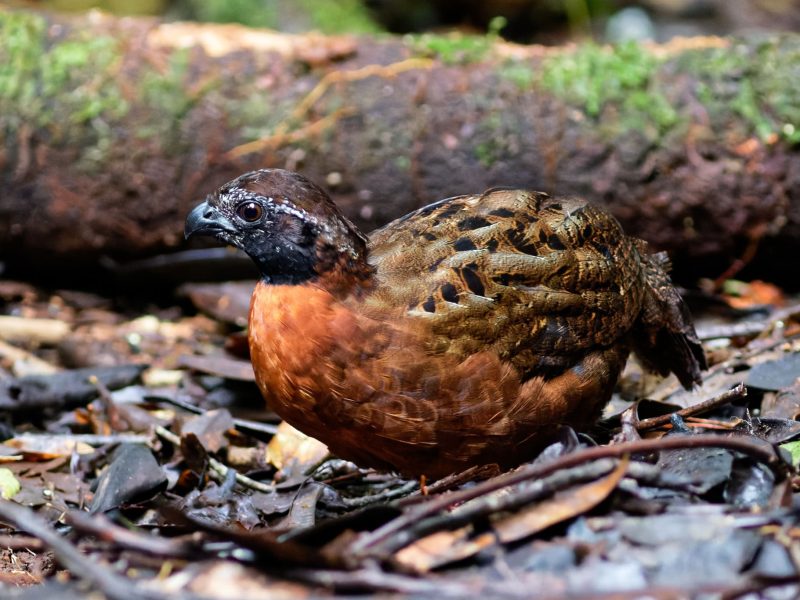
1. Scarlet-banded Barbet (Capito wallacei) -Birds North of Peru .
A striking bird found in the eastern forests of north-central Peru, between Loreto and San Martín. With only around
1,000 individuals left, this species is classified as vulnerable. It is one of Peru’s most iconic birds, even featured on
the cover of Birds of Peru.
- Where to See: Cordillera Azul
- Related Tours: Scarlet-banded Barbet & Cordillera Azul Antbird
2. Marvelous Spatuletail (Loddigesia mirabilis) -Birds North of Peru .
This endemic hummingbird of the Utcubamba Valley, Amazonas, is famous for its spectacular racket-shaped tail
feathers. Due to habitat loss, it is classified as near-threatened. It can be observed around Pomacochas and other
areas in the Utcubamba Valley.
- Where to See: Pomacochas, Utcubamba Valley
- Related Tours: Hummingbird Route of Northern Peru, Endemic Birds & Archaeology of Northern Peru
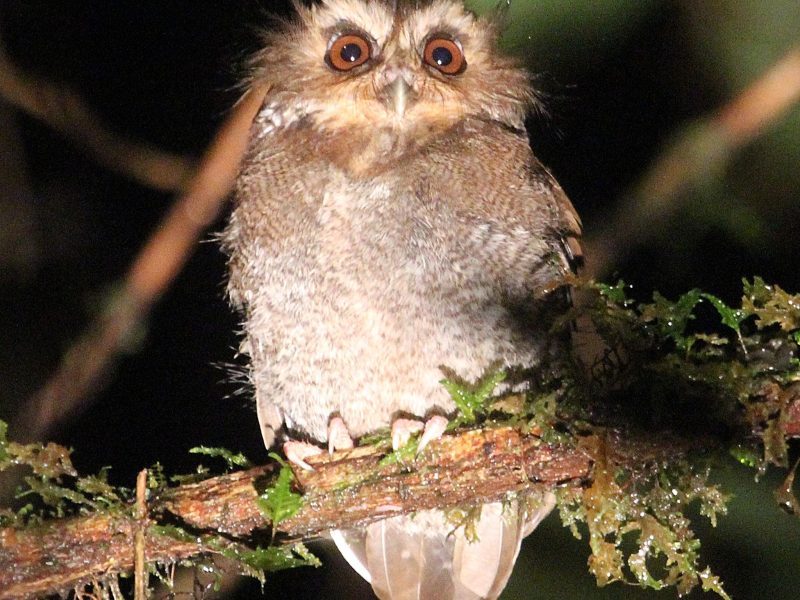
3. Long-whiskered Owlet (Xenoglaux loweryi) Birds North of Peru.
A tiny and elusive owl, distinguished by its long facial whiskers. This vulnerable species is endemic to the humid
forests between Amazonas and San Martín, particularly around Abra Patricia.
- Where to See: Alto Mayo Protected Forest, Abra Patricia
- Related Tours: Endemic Birds of Northern Peru, Endemic Birds & Archaeology of Northern Peru
4. Pale-billed Antpitta (Grallaria carrikeri) Birds North of Peru.
This endemic species is recognized by its ivory-colored bill and red irises. It inhabits the high-elevation forests of San
Martín, Amazonas, and La Libertad.
- Where to See: Pomacochas Lake
- Related Tours: Endemic Birds of Northern Peru, Endemic Birds & Archaeology of Northern Peru
5. Rusty-tinged Antpitta (Grallaria przewalskii) Birds North of Peru .
A Peruvian endemic that thrives in humid montane forests at elevations between 1,700 and 2,750 meters. It is more
often heard than seen due to its elusive nature.
- Where to See: Alto Mayo Protected Forest, Abra Patricia
- Related Tours: Endemic Birds of Northern Peru, Endemic Birds & Archaeology of Northern Peru
6. Ochre-fronted Antpitta (Grallaricula ochraceifrons) Birds North of Peru .
Another endemic species found in dense cloud forests of Amazonas and San Martín. It is classified as vulnerable and
is known for its secretive behavior.
- Where to See: Alto Mayo Protected Forest, Abra Patricia
- Related Tours: Endemic Birds of Northern Peru, Endemic Birds & Archaeology of Northern Peru
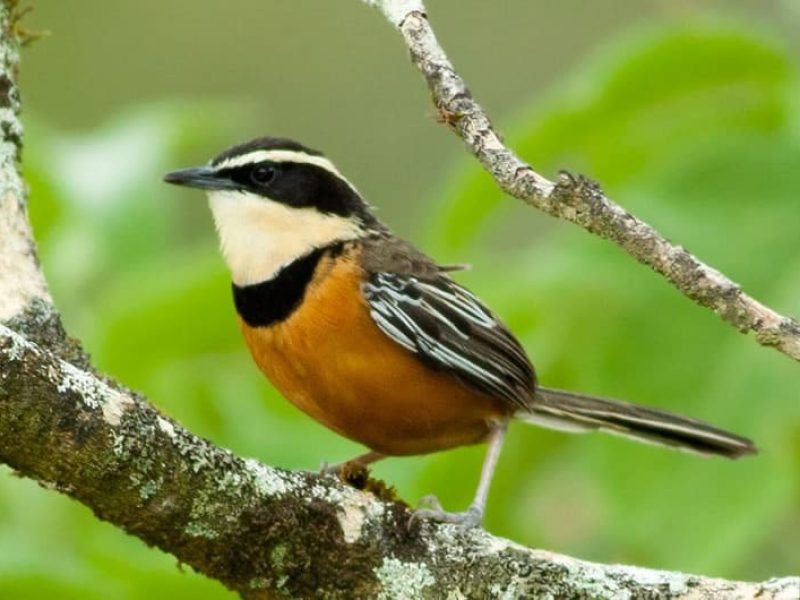
7. Johnson’s Tody-Flycatcher (Poecilotriccus luluae) Birds North of Peru .
A colorful bird restricted to northern Peru, inhabiting the montane rainforest edges and preferring areas with
bamboo thickets. It is endangered due to habitat destruction.
- Where to See: Near Abra Patricia
- Related Tours: Endemic Birds of Northern Peru, Endemic Birds & Archaeology of Northern Peru
8. Painted Manakin (Machaeropterus eckelberryi)
A recently described species found in the understory of lowland forests in Loreto and northern San Martín. It thrives
in nutrient-poor sandy areas.
- Where to See: Morro de Calzada Amazon Center
- Related Tours: Endemic Birds of Northern Peru, Endemic Birds & Archaeology of Northern Peru
9. Yellow-scarfed Tanager (Iridosornis reinhardti)
A high-altitude tanager, known for moving swiftly through the montane forest canopy. It is often seen foraging with
mixed flocks.
- Where to See: Abra Patricia
- Related Tours: Endemic Birds of Northern Peru, Endemic Birds & Archaeology of Northern Peru
10. Black-bellied Tanager (Ramphocelus melanogaster)
Also called the Huallaga Tanager, this endemic species is commonly seen in bushy areas along the Huallaga and
Mayo Rivers, at elevations up to 1,000 meters.
- Where to See: Tarapoto, Moyobamba, Alto Mayo Protected Forest
- Related Tours: Endemic Birds of Northern Peru, Endemic Birds & Archaeology of Northern Peru
Bonus Birds:
Golden-backed Mountain Tanager (Cnemathraupis aureodorsalis)
A rare, high-altitude tanager found in central Peru. The best place to spot it is the Unchog Forest, Huánuco, though
recent sightings have also been recorded in southern San Martín.
Cordillera Azul Antbird (Myrmoderus eowilsoni)
Discovered in 2016, this newly identified Peruvian endemic is named after its primary habitat: the Cordillera Azul
Highlands in San Martín.
- Where to See: Cordillera Azul
- Related Tours: Scarlet-banded Barbet & Cordillera Azul Antbird
Birdwatching in Northern Peru: A Hidden Gem for Avian Enthusiasts
Discover the Spectacular Birds of Northern Peru
Northern Peru is a paradise for bird lovers, boasting an incredible diversity of avian species, many of which are endemic and rare. Despite being less frequented than the southern regions, Northern Peru offers some of the most rewarding birdwatching experiences in the world. From the misty cloud forests of Amazonas to the arid coastal landscapes, this region is home to some of the most stunning and unique bird species.
Top Bird Species Found in Northern Peru
Scarlet-banded Barbet (Capito wallacei)
This vividly colored bird is one of Northern Peru’s most exciting discoveries. Found in the remote forests between Loreto and San Martín, spotting this rare species is a dream for dedicated birdwatchers.
Marvelous Spatuletail (Loddigesia mirabilis)
This dazzling hummingbird, known for its iridescent plumage and distinctive tail, is one of Peru’s most famous endemic species. Birders can observe this incredible creature in the cloud forests of Amazonas.
Long-whiskered Owlet (Xenoglaux loweryi)
As one of the world’s rarest and most elusive owls, the Long-whiskered Owlet is a nocturnal marvel found in the Andean montane forests. Its distinctive facial whiskers make it an exciting sighting for night birding tours.
Pale-billed Antpitta (Grallaria carrikeri)
This secretive bird thrives in high-altitude cloud forests and is often detected by its haunting calls rather than by sight.
Rusty-tinged Antpitta (Grallaria przewalskii)
Another elusive ground-dweller, this species is known for its soft brown plumage and preference for dense, misty forests.
Why Choose Northern Peru for Birdwatching?
Unmatched Biodiversity: With over 1,600 bird species, including 150 restricted-range species and 63 Peruvian endemics, Northern Peru is a biodiversity hotspot.
Pristine Habitats: From the dry coastal zones to the lush cloud forests, the varied ecosystems provide habitats for a vast range of bird species.
Exclusive Sightings: Unlike the well-trodden paths of Southern Peru, the north remains an undiscovered treasure where visitors can enjoy sightings without crowds.
Top Birdwatching Destinations in Northern Peru
- Pomac and Chaparrí Forest (Lambayeque) – Rich in endemic species and dry forest birds.
- Huembo and Abra Patricia-Alto Nieva (Amazonas) – Home to the Marvelous Spatuletail and rare owls.
- Protected Forest of Alto Mayo (San Martín) – A stronghold for several endangered bird species.
Conservation and Sustainable Birdwatching
Despite its natural beauty, many bird species in Northern Peru face threats due to deforestation, illegal hunting, and habitat destruction. Sustainable ecotourism provides a viable alternative that supports conservation efforts while offering incredible wildlife experiences.
Organizations such as APTAE, PromPerú, and SERNANP actively promote responsible bird tourism, ensuring that this rich biodiversity is preserved for future generations.
10 Essential Questions & Answers About Birdwatching in Northern Peru
1. What makes Northern Peru a top birdwatching destination?
Northern Peru is home to over 1,600 bird species, including many rare and endemic birds, making it one of the most biodiverse birding regions in the world.
2. When is the best time to go birdwatching in Northern Peru?
The best time is during the dry season, from May to September, when birds are more active and visibility is higher.
3. What are some of the most famous birds found in Northern Peru?
Some iconic species include the Marvelous Spatuletail, Long-whiskered Owlet, Scarlet-banded Barbet, and the Pale-billed Antpitta.
4. What kind of habitats can be found in Northern Peru?
Northern Peru features a diverse range of habitats, including cloud forests, montane forests, dry coastal deserts, and lush river valleys.
5. Are there guided birdwatching tours available?
Yes, many specialized ecotourism operators offer guided tours with expert birding guides to ensure the best sightings and experiences.
6. What equipment should I bring for birdwatching in Northern Peru?
A good pair of binoculars, a field guide, lightweight clothing, rain gear, and a camera with a zoom lens are recommended.
7. Is birdwatching in Northern Peru suitable for beginners?
Yes While some birds require patience to spot, the diversity of species ensures that even beginners will have rewarding sightings.
8. What conservation efforts are in place to protect bird species in Northern Peru?
Several organizations and protected reserves work to preserve bird habitats and promote responsible ecotourism, reducing threats like deforestation and poaching.
9. Can I combine birdwatching with other activities in Northern Peru?
Absolutely Northern Peru offers archaeological sites, surfing, hiking, and cultural experiences, making it a well-rounded travel destination.
10. How does birdwatching contribute to conservation?
Sustainable bird tourism helps fund conservation projects, supports local communities, and raises awareness about the importance of protecting natural habitats.
Birds North of Peru
Birdwatching Route of Northern Peru: From Chiclayo to Tarapoto and Abra Patricia
The Birdwatching Route of Northern Peru is one of the great birdwatching circuits in South America. The journey connects the ecosystems of the northern coast, dry forests, inter-Andean valleys, and montane forests, eventually reaching the cloud-forest foothills and the Amazonian region of Tarapoto, with iconic areas such as Abra Patricia.
This extraordinary corridor offers the opportunity to discover a remarkable diversity of birds and range-restricted species while traveling through landscapes that change from the Pacific coast to the humid mountain forests. The Chiclayo–Tarapoto route is recognized as one of the main birdwatching journeys in northern Peru.
Iconic Birds of Northern Peru
One of the great attractions of this route is the opportunity to search for unique and highly representative species of Peru’s biodiversity.
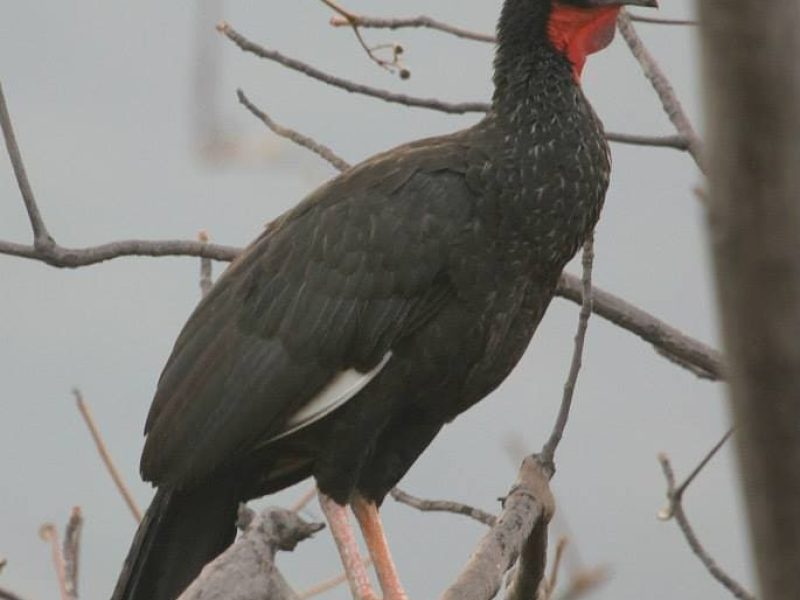
Among the most sought-after birds is the White-winged Guan (Penelope albipennis), a species endemic to Peru and associated with the dry forests of the north. It is currently critically endangered, and its conservation is closely linked to the protection of its habitat.
The montane forests are also home to the spectacular Marvelous Spatuletail (Loddigesia mirabilis), one of the most extraordinary species for birdwatchers traveling through northern Peru. Searching for this species can be combined with visits to areas such as Huembo and the surroundings of Abra Patricia.
Another iconic species of the northern dry-forest ecosystems is the Peruvian Plantcutter, one of the birds that makes this region an especially attractive destination for birdwatching and wildlife photography.
From Chiclayo to the Forests of Tarapoto
The true value of the route lies in the variety of environments it crosses. From the coast and dry forests near Chiclayo, the journey climbs into the Andes and continues through valleys, montane forests, and transitional zones before reaching Tarapoto and the Amazon basin.
This diversity of habitats explains the extraordinary richness of birdlife found along the route. For specialist travelers, every change in elevation and ecosystem represents a new opportunity to observe different species.
Important birdwatching areas in northern Peru include parts of Lambayeque, Cajamarca, Amazonas, and San Martín, as well as destinations such as the Alto Mayo Protection Forest, Tarapoto, and Abra Patricia.
Which Field Guide Should You Use to Identify Birds?
For those who want to identify species during the journey, one of the classic references is Birds of Peru, by Thomas S. Schulenberg and collaborators. The revised edition provides identification information, distribution maps, habitat details, and other useful information for fieldwork.
However, for a complete birdwatching experience, it is recommended to complement the field guide with up-to-date information on birding sites, species distributions, and local conditions.
A Unique Nature Experience in Peru
Traveling along the Birdwatching Route of Northern Peru is about much more than compiling a species list. It is an opportunity to experience the extraordinary transition from the coast and dry forests to the Andes and highland rainforest, while discovering some of the country’s most remarkable birds.
For enthusiasts of birdwatching, bird photography, and nature tourism, the journey from Chiclayo through the Andes, Abra Patricia, and Tarapoto offers an exceptional combination of biodiversity, landscapes, and range-restricted species.
Discover northern Peru through its birds and experience a route designed to observe, photograph, and explore one of the country’s most diverse ornithological regions.