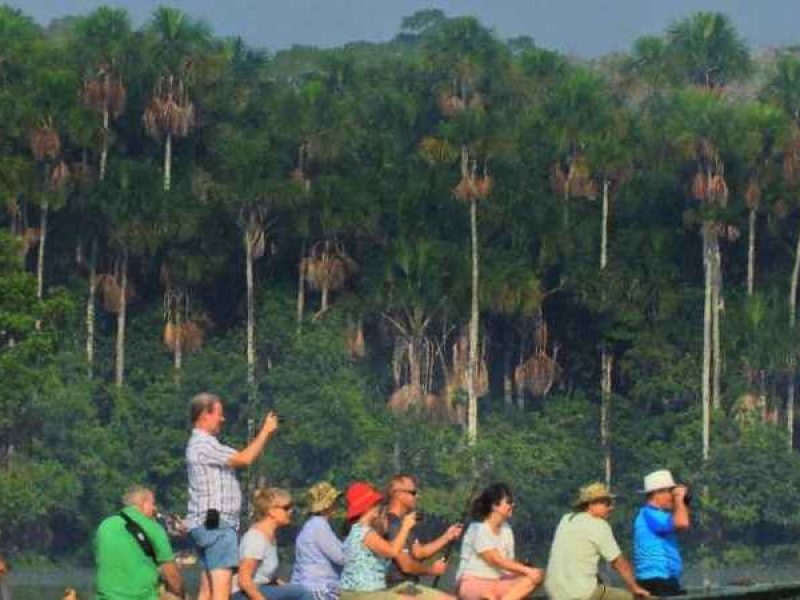

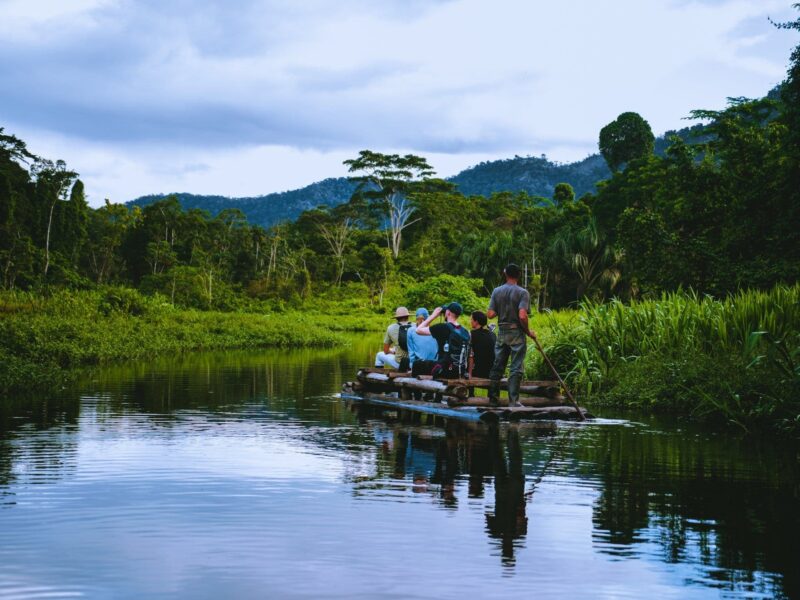


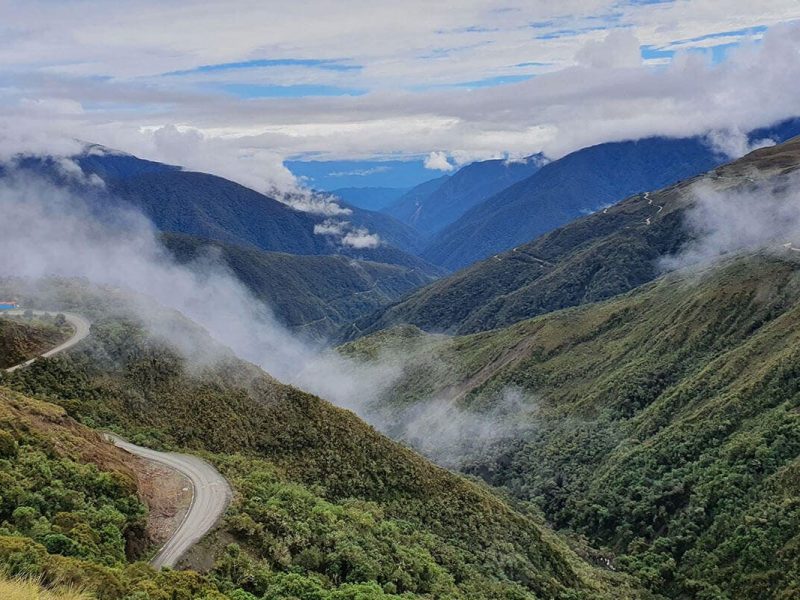
Discover the 10 best places to observe birds on Manu Road from Cusco.
Discover 10 best places Birdwatching on Manu Road from Cusco : Manu Road offers an exceptional birdwatching experience from Cusco. The route crosses many ecosystems, from high-Andean wetlands and puna to cloud forests and Amazonian foothills.
Its main attraction is the rapid change in birdlife with elevation. Huacarpay, Acjanaco, Wayqecha, San Pedro, and Pilcopata each offer different species and habitats.
Why Is Manu Road Special? Discover 10 best places Birdwatching on Manu Road from Cusco .
Manu Road connects several ecosystems in a short distance:
High-Andean wetlands
Puna grasslands
Elfin and cloud forests
Montane forests
Bamboo forests
Amazonian foothills
Lowland forests
This diversity makes Manu Road one of Peru’s best birdwatching routes.
Discover 10 best places Birdwatching on Manu Road from Cusco.
1. Lake Huacarpay: Wetland Birds.
Near Cusco, Huacarpay is an excellent first stop. Its lagoons, reeds, marshes, and surrounding fields attract many Andean birds.
Look for:
Puna Teal
Cinnamon Teal
Andean Goose
Giant Coot
Andean Gull
Giant Hummingbird
Tip: Visit early when bird activity is highest.
2. Acjanaco Pass: Cloud Forest Transition.
Acjanaco marks the transition from puna to cloud forest. The changing vegetation attracts both high-elevation and forest species.
Look for:
Gray-breasted Mountain Toucan
Andean Guan
Mountain Tanagers
Sunangels
Flowerpiercers
Hummingbirds
Tip: Explore slowly and watch the roadside vegetation. manu turs
3. Wayqecha Biological Station: Cloud Forest Birds.
Wayqecha is a major birdwatching site with cloud forest, bamboo, and montane habitats. Its trails provide excellent opportunities to observe forest birds.
Look for:
Golden-headed Quetzal
Mountain Toucans
White-throated Antpitta
Sunangels
Sword-billed Hummingbird
Mountain Tanagers
The station also has trails and a canopy walkway.
4. Discover 10 best places Birdwatching on Manu Road from Cusco to Pillahuata: Roadside Birdwatching.
Pillahuata is a productive stretch of montane and cloud forest. Mixed-species flocks can appear along the road.
Look for:
Mountain Toucans
Quetzals
Tanagers
Hummingbirds
Woodcreepers
Flycatchers
Antbirds
Tip: Stop whenever you hear or see an active flock.
5. Discover 10 best places Birdwatching on Manu Road from Cusco & San Pedro: Cock-of-the-Rock.
San Pedro is famous for the Andean Cock-of-the-rock. Its cloud forests also support many colorful species.
Look for:
Andean Cock-of-the-rock
Golden-headed Quetzal
Versicolored Barbet
Blue-banded Toucanet
Paradise Tanager
Yungas Manakin
Hummingbirds
Tip: Stay quiet and follow the guide’s instructions at the lek.
6. Cock-of-the-Rock Lodge: Cloud Forest Base.
This lodge offers a convenient base for exploring San Pedro’s forests and hummingbird habitats.
Look for:
Andean Cock-of-the-rock
Golden-headed Quetzal
Paradise Tanager
Bay-headed Tanager
Violet-fronted Brilliant
Booted Racket-tail
Other hummingbirds
It is especially useful for bird photography.
7. Villa Carmen and Pilcopata: Amazonian Transition.
As Manu Road descends, the forest becomes warmer and more Amazonian. Forest edges, bamboo, gardens, and rivers attract new species.
Look for:
Amazonian Umbrellabird
Blue-headed Macaw
Chestnut-backed Antshrike
Blue-crowned Manakin
Red-capped Manakin
Paradise Tanager
Aracaris
The gardens can also be excellent for hummingbirds.
8. Cocha Machuwasi: Wetland Birds.
Cocha Machuwasi offers lagoons and wetland habitats that are very different from the mountain forests.
Look for:
Hoatzin
Horned Screamer
Muscovy Duck
Wattled Jacana
Tiger-Herons
Kingfishers
Greater Ani
Open water makes many species easier to observe and photograph.
9. Pantiacolla Lodge: Amazonian Birds.
Pantiacolla provides access to lowland Amazonian habitats. It is a good extension for birders wanting more tropical species.
Look for:
Toucans
Aracaris
Jacamars
Macaws
Parakeets
Antbirds
Manakins
Cotingas
Amazonian tanagers
It is an excellent way to combine Andean and Amazonian birdwatching.
10. Manu Wildlife Center and Blanquillo: Lowland Birds.
These areas offer some of the richest lowland birdwatching along the route.
Look for:
Pale-winged Trumpeter
Pavonine Quetzal
Purplish Jacamar
Curl-crested Aracari
Scarlet Macaw
Blue-and-yellow Macaw
Fiery Topaz
Amazonian Umbrellabird
Antbirds
Woodcreepers
Manakins
Cotingas
This section is ideal for experienced birders looking to expand their Amazonian species list. tambopata tours
The Best Birdwatching Spots on Manu Road
Birdwatching on Manu Road is one of the most comprehensive birding experiences that can be enjoyed from Cusco. In just a few days, this spectacular route crosses a variety of ecological zones, from high-Andean wetlands and puna grasslands to montane forests, cloud forests, and the foothills of the Amazon.
The true richness of Manu Road is not concentrated in a single location. The road functions as a major biodiversity corridor in which every change in elevation transforms the landscape and, with it, the bird community. This is why a stop at Huacarpay can offer completely different species from those found at Acjanaco, Wayqecha, San Pedro, or Pilcopata.
Along the route, it is possible to find hummingbirds, tanagers, mountain toucans, quetzals, antbirds, woodcreepers, manakins, wetland birds, and numerous Amazonian species. One of the major highlights is the Andean Cock-of-the-rock, one of the most iconic birds of the eastern Andes.
Why Is Manu Road So Special for Birdwatching?
Manu Road connects several ecosystems along a relatively short route. The journey from Cusco toward the Manu region allows visitors to observe how the birdlife changes as the elevation decreases.
The main habitats you will encounter include:
- High-Andean wetlands
- Puna grasslands and montane scrub
- Elfin forest and tree line
- High-elevation cloud forest
- Montane forests
- Bamboo forests
- Amazonian foothill forests
- Wetlands and riparian habitats
- Tropical lowland forests
This diversity explains why Manu Road is considered one of Peru’s great birdwatching routes. Peru Travel includes the route among the country’s notable southern birdwatching itineraries and notes that the journey connects Cusco with Manu National Park through a variety of ecosystems.
10 Best Places for Birdwatching on Manu Road
Below are the main locations that can form part of a birdwatching itinerary from Cusco toward Manu.
1. Lake Huacarpay: Wetland Birds Near Cusco
The Lucre-Huacarpay Wetland is an excellent first stop for beginning a birdwatching experience from Cusco.
This high-Andean wetland lies at approximately 3,020 meters (9,908 feet) above sea level and forms part of a Ramsar site of international importance. The complex includes lagoons, marshes, and waterways that provide a variety of habitats for birds.
The combination of open water, totora reeds, marshes, agricultural fields, scrub, and dry slopes supports an interesting diversity of high-Andean species.
Birds that can be observed in the area include:
- Rufous-fronted Canastero
- Many-colored Rush Tyrant
- Wren-like Rushbird
- Plumbeous Rail
- Yellow-winged Blackbird
- Puna Teal
- Yellow-billed Teal
- Cinnamon Teal
- Andean Goose
- Giant Coot
- Andean Negrito
- Andean Gull
- Cinereous Harrier
- Giant Hummingbird
The wetland is also important for the conservation of resident and migratory birds. Ramsar information indicates that more than 70 bird species can be recorded at the site throughout the year.
Birdwatching tip: Starting early allows you to take advantage of peak bird activity and avoid the hottest hours of the day.
2. Acjanaco Pass: The Beginning of the Cloud Forest
Acjanaco Pass represents one of the most interesting ecological transitions on Manu Road. After crossing high-Andean habitats, the road begins descending toward the eastern slopes of the Andes.
Here, the landscape gradually changes from puna and open vegetation to montane forest, elfin forest, and cloud forest.
Birdwatching here can produce species adapted to high elevations as well as birds associated with the transition into montane forest, including:
- Gray-breasted Mountain Toucan
- Andean Guan
- Scarlet-bellied Mountain Tanager
- Hooded Mountain Tanager
- Golden-collared Tanager
- Amethyst-throated Sunangel
- White-browed Conebill
- Masked Flowerpiercer
- Amethyst-throated Sunangel
- Scaly-bellied Hummingbird
Fog, wind, and rain can considerably influence bird activity. For this reason, Acjanaco is best explored slowly, paying attention both to the roadside and to patches of vegetation.
3. Wayqecha Biological Station: Cloud Forest Birds
Wayqecha Biological Station is one of the most important places for studying and observing birds in the cloud forests along Manu Road.
The station is located in the Kosñipata Valley, near the southern boundary of Manu National Park, and protects a combination of montane forest, cloud forest, humid puna, and bamboo. Amazon Conservation reports approximately 587 hectares, with elevations ranging from roughly 2,000 to 3,010 meters.
The local organization ACCA records 257 bird species at Wayqecha, demonstrating the enormous birdwatching value of this area.
Species to look for include:
- Gray-breasted Mountain Toucan
- Golden-headed Quetzal
- White-backed Fire-eye
- White-throated Antpitta
- Marcapata Spinetail
- Amethyst-throated Sunangel
- Sword-billed Hummingbird
- Green Tanager
- Hooded Mountain Tanager
- Scarlet-bellied Mountain Tanager
Another attraction at Wayqecha is its network of trails and research and conservation infrastructure. The station has approximately 15 km of trails and a canopy walkway that allows visitors to explore the forest at different levels.
4. Pillahuata: Roadside Birdwatching
Pillahuata is one of the areas that deserves special attention during the descent along Manu Road.
Rather than being a single observation point, this area should be understood as a stretch of montane and cloud forest where conditions constantly change. The road makes it possible to stop at different locations and explore forest edges, especially when mixed-species flocks appear.
Birds that observers may look for include:
- Mountain toucans
- Quetzals
- Tanagers
- Hummingbirds
- Woodcreepers
- Flycatchers
- Barbets
- Antbirds
- Mountain guans
Bird presence depends on elevation, vegetation, weather, and the activity of the moment. Experienced birders therefore tend to travel through this sector slowly and pay close attention to the movements of mixed flocks.
Important: Pillahuata is part of Manu Road and should not be confused with Gocta or Cocachimba, which belong to a different birdwatching route in northern Peru.
5. San Pedro: The Famous Cock-of-the-Rock Lek
San Pedro is one of the best-known locations on Manu Road thanks to the opportunity to observe the Andean Cock-of-the-rock in its natural habitat.
The area’s cloud forest provides ideal conditions for a wide variety of forest birds. In addition to the Cock-of-the-rock, observers may find:
- Golden-headed Quetzal
- Versicolored Barbet
- Blue-banded Toucanet
- Paradise Tanager
- Spotted Tanager
- Bay-headed Tanager
- Yungas Manakin
- Booted Racket-tail
- Violet-fronted Brilliant
- Various hummingbird species
The Andean Cock-of-the-rock is particularly spectacular during male displays at traditional lek sites. To have a good experience, it is important to remain quiet, keep a respectful distance, and follow the instructions of the local guide.
For many travelers, this is one of the most memorable experiences on the entire Manu birdwatching route.
6. Cock-of-the-Rock Lodge: A Strategic Birdwatching Base
Cock-of-the-Rock Lodge is located in the San Pedro sector and provides a convenient base for visitors who want to spend more time birdwatching in the cloud forest.
The combination of trails, montane forest, and hummingbird-watching areas allows visitors to complement their search for forest species with excellent photography opportunities.
Species found in the surrounding area may include:
- Andean Cock-of-the-rock
- Versicolored Barbet
- Blue-banded Toucanet
- Golden-headed Quetzal
- Paradise Tanager
- Golden Tanager
- Spotted Tanager
- Bay-headed Tanager
- Violet-fronted Brilliant
- Booted Racket-tail
- Green Hermit
- Other hummingbirds and forest birds
The value of the lodge lies not only in its accommodation. Its location makes it a strategic base for exploring one of the most productive sections of Manu Road for cloud-forest birds.
7. Villa Carmen, Manu Biolodge, and Pilcopata
As the road descends toward Pilcopata, the environment gradually becomes warmer and more Amazonian.
Manu Biolodge, historically associated with Villa Carmen Biological Station, provides access to foothill habitats where new bird communities begin to appear.
Here, visitors can explore a combination of:
- Secondary forest
- Bamboo forest
- Riparian vegetation
- Gardens
- Forest edges
- Lower montane forest
This transition is particularly important for birders who want to expand their species list beyond the typical birds of cloud forest.
Species to look for include:
- Amazonian Umbrellabird
- Black-backed Tody-Flycatcher
- Fine-barred Piculet
- Blue-headed Macaw
- Chestnut-backed Antshrike
- Black-faced Antthrush
- Bamboo Antshrike
- Yellow-breasted Warbling-Antbird
- Blue-crowned Manakin
- Red-capped Manakin
- Paradise Tanager
- Golden Tanager
- Chestnut-eared Aracari
The gardens and open areas can also be particularly productive for hummingbird photography.
8. Cocha Machuwasi: Birds of Amazonian Lakes and Wetlands
Cocha Machuwasi offers a different experience within the journey. After passing through montane and foothill forests, its aquatic habitats provide opportunities to look for species associated with lagoons, riparian vegetation, and marshes.
Open water can sometimes make birdwatching easier than inside dense forest.
Birds that can be observed include:
- Hoatzin
- Horned Screamer
- Muscovy Duck
- Wattled Jacana
- Rufescent Tiger-Heron
- Black-crowned Night-Heron
- Amazon Kingfisher
- Green Kingfisher
- Greater Ani
- Smooth-billed Ani
- Red-crowned Cardinal
- Black-capped Donacobius
For nature photographers, this type of habitat can be particularly attractive because it offers open backgrounds and better opportunities to observe the behavior of aquatic birds.
9. Pantiacolla Lodge: Birdwatching in the Amazon
As the journey continues toward the lowlands, the experience changes once again. Pantiacolla Lodge provides access to Amazonian habitats where species normally absent from the higher sections of Manu Road can be found.
Lowland forest offers opportunities to observe:
- Toucans
- Aracaris
- Jacamars
- Macaws
- Parakeets
- Antbirds
- Woodcreepers
- Manakins
- Cotingas
- Flycatchers
- Amazonian tanagers
Species of interest may include the Amazonian Umbrellabird, lowland quetzals, Purplish Jacamar, aracaris, toucans, and numerous species associated with mixed-species flocks.
This extension is particularly recommended for travelers who want to turn a Manu Road trip into a more complete birdwatching experience spanning the Andes and Amazon.
10. Manu Wildlife Center and Blanquillo: Lowland Birds
For birders who wish to continue into the Amazonian lowlands, the Manu Wildlife Center and Blanquillo area represents an important extension of the experience.
The bird community changes dramatically here. Terra firme forests, bamboo, riparian habitats, and canopy environments provide opportunities to search for Amazonian species that do not occur in the montane sections.
Birds of interest may include:
- Pale-winged Trumpeter
- Speckle-chested Chachalaca
- Pavonine Quetzal
- Purplish Jacamar
- Curl-crested Aracari
- Scarlet Macaw
- Blue-and-yellow Macaw
- White-throated Toucan
- Black-spotted Barbet
- Fiery Topaz
- Amazonian Umbrellabird
- Numerous antbird species
- Woodcreepers
- Manakins
Cotingas - Canopy flock species
This area is especially interesting for experienced birders who want to substantially expand their Amazonian bird list.
Frequently Asked Questions About Birdwatching on Manu Road
Where Should I Start Birdwatching on Manu Road?
A good option is to start near Cusco, incorporating the Lucre-Huacarpay Wetland and then continuing toward Paucartambo, Acjanaco, and the Kosñipata Valley.
Where Can I See the Andean Cock-of-the-rock?
The San Pedro sector is one of the classic locations on Manu Road for looking for the Andean Cock-of-the-rock, particularly around known display sites.
Is Wayqecha Good for Birdwatching?
Yes. Wayqecha protects an important area of cloud forest and supports a high diversity of birds. ACCA reports 257 species recorded at the station and its associated habitats.
Is Manu Road Suitable for Beginners?
Yes. The variety of habitats means that both beginners and experienced birders can find interesting opportunities. However, a specialized guide can significantly improve the experience.
How Much Time Do I Need for Birdwatching on Manu Road?
To enjoy the route without rushing, several days are ideal. A short trip allows you to visit the main sectors, while a longer stay increases your chances of finding difficult species and allows more time for photography.
Is Manu Road a Good Route for Bird Photography?
Yes. Cloud forests, hummingbirds, tanagers, the Andean Cock-of-the-rock, and Amazonian habitats offer excellent photographic opportunities. Patience, an appropriate lens, and knowledge of the best locations are key.
Plan Your Birdwatching Experience on Manu Road
If you are looking for a birdwatching route from Cusco toward Manu, we can help you organize the journey according to your interests: endemic birds, hummingbirds, the Andean Cock-of-the-rock, cloud forest, bird photography, or Amazonian species.
Proper planning allows you to make the most of each change in elevation and increase your chances of observing a greater diversity of species without turning the trip into a race from one destination to another.
Manu Road is not simply about reaching Manu. It is about enjoying every ecosystem and every bird that appears along the way.
How Many Bird Species Can You See on Manu Road?
There is no fixed number of species that a traveler can expect to see on a trip, because the result depends on the length of the journey, season, weather, habitats visited, and the observer’s experience.
The great advantage of Manu Road is its altitudinal gradient. Instead of remaining within a single ecosystem, the route allows visitors to move from high-Andean wetlands to cloud forests and eventually to Amazonian habitats.
Wayqecha, for example, records 257 bird species, while the Lucre-Huacarpay Wetland is notable for supporting a diverse community of high-Andean birds.
For this reason, a good strategy is to combine several birding locations rather than trying to find every species from a single place.
What Is the Best Time for Birdwatching on Manu Road?
The dry season, approximately from May to November, is generally considered one of the best periods for traveling along Manu Road. Peru Travel highlights this period for the route and notes that rainy-season conditions can affect access.
However, Manu Road can offer birdwatching opportunities throughout the year. Each season may present different vegetation, weather conditions, and patterns of bird activity.
When planning a trip, it is advisable to check current road conditions and organize the journey with an experienced local operator or birdwatching guide.
Birdwatching Tips for Manu Road
To make the most of the route, we recommend:
Start Early
The first hours of the morning are often excellent for finding active birds before temperatures rise.
Bring Binoculars
Good binoculars are essential for identifying birds that remain high in the canopy or far from the road.
Use a Bird Guide
A specialized field guide to the birds of Peru or the Andean-Amazonian region can help identify species with similar characteristics.
Bring Clothing for Different Climates
Conditions can change considerably within a single day. The route passes from cold, humid environments to much warmer areas.
Be Patient
Not every stop will immediately produce birds. In cloud forest, many species are first detected through their calls or by the movement of a mixed-species flock.
Hire a Specialized Guide
A local guide with birdwatching experience can significantly increase your chances of finding difficult-to-detect species.
Respect Birds and Their Habitat
Birds should not be chased or fed, and playback should not be used without considering responsible birdwatching practices. At breeding and display sites, such as those used by the Andean Cock-of-the-rock, maintaining an appropriate distance is especially important.
Manu Road: A Birdwatching Route Between the Andes and the Amazon
The great strength of Manu Road as a birdwatching destination is the diversity concentrated along a single corridor.
On a well-planned journey, you can begin by observing high-Andean wetland birds at Huacarpay, continue toward the high-elevation species of Acjanaco, explore the cloud forests of Wayqecha and Pillahuata, look for the Andean Cock-of-the-rock at San Pedro, and finish among the tropical birds of Pilcopata and the Amazonian lowlands.
This constant change of ecosystems makes Manu Road much more than a road: it is a true birdwatching route from Cusco into the Peruvian Amazon.
For nature lovers, wildlife photographers, and birders looking to expand their species lists, taking time to travel Manu Road with a knowledgeable guide can become one of the most comprehensive birdwatching experiences in southern Peru.