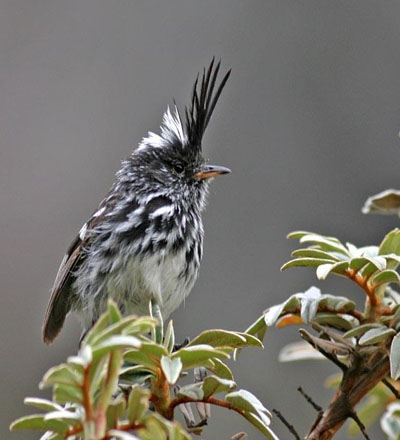
Machupicchu Birdwatching

Machupicchu Birdwatching

Majestic Machupicchu Birdwatching  of Prey: Raptors of Machu Picchu

Black-and-Chestnut Eagle
The Black-and-Chestnut Eagle (Spizaetus isidori) is one of the most striking birds of prey in Machu Picchu. With its dark plumage and chestnut patches, it soars gracefully at high altitudes, hunting from the canopy’s highest points. These eagles rely on their keen vision and agility to track down prey from great distances, making them a thrilling sight if you’re lucky enough to spot one above the ancient citadel.

Andean Hawk
Spotting the Andean Hawk (Geranoaetus polyosoma) is a rare treat, particularly during the winter months when it migrates to the Machu Picchu Sanctuary. With its mottled brown feathers and sharp eyesight, this hawk skillfully hunts rodents and small animals in the misty jungle surroundings. Although not commonly seen near the Inca city, they’re often visible during a trek along the Inca Trail.

Andean Condor
The Andean Condor (Vultur gryphus) is a national symbol of Peru, revered for its incredible size and soaring flight. These majestic birds are often seen gliding high above the Andean mountains, riding thermal currents. If you’re fortunate, you might catch a glimpse of an Andean condor during your visit to Huayna Picchu or while hiking the Inca Trail.

Fascinating and Colorful Birds: The Tropical Wonders of Machupicchu Birdwatching

Masked Fruiteater
Endemic to the Andes, the Masked Fruiteater (Pipreola pulchra) is easily recognizable by its vibrant green feathers and distinct orange bill. This small, fruit-loving bird is often spotted in the middle levels of the humid cloud forest, feeding on fruit trees that thrive in the Machu Picchu Sanctuary.

Andean Cock-of-the-Rock
The Andean Cock-of-the-Rock (Rupicola peruviana), Peru’s national bird, is famous for its striking bright orange head and black body. Its flamboyant plumage makes it one of the most beautiful birds on Earth. These birds are essential for dispersing seeds of fruit trees, which are their primary diet. With only 3,000 individuals remaining, they’re a conservation priority, making each sighting a memorable one.

Masked Trogon
The Masked Trogon (Trogon personatus) is a stunning bird with black feathers, a red breast, and an iridescent green head. This bird can be found in the cloud forests near Aguas Calientes, the gateway to Machu Picchu, where it plays a key role in seed dispersal by feeding on fruits from trees.

Vibrant Tanagers and Hummingbirds: The Jewel Machupicchu Birdwatching

Blue-and-Yellow Tanager
The Blue-and-yellow Tanager (Thraupis bonariensis) is a colorful bird that can often be spotted in the dense vegetation around Machu Picchu. With its bright blue head and yellow belly, this species is not only a visual delight but also plays an important ecological role in pest control and seed dispersal.

Scarlet-Bellied Mountain Tanager
The Scarlet-bellied Mountain Tanager (Anisognathus igniventris) is an avian gem with a bright blue back and scarlet belly. This stunning bird helps maintain ecological balance by feeding on fruits, insects, and nectar, contributing to pollination and seed dispersal.

Collared Inca Hummingbird
Found in the cloud forests of the Machu Picchu Sanctuary, the Collared Inca Hummingbird (Coeligena torquata) is

an exquisite species known for its striking blue crown and white chest. Its diet primarily consists of nectar from

flowers and insects, helping to pollinate plants and maintain the rich biodiversity of the region.

Top Birdwatching Locations in Machu Picchu

To make the most of your birdwatching experience in Machu Picchu, visit these prime spots:

Intipunku (Sun Gate)
Offering a breathtaking panoramic view of Machu Picchu and the surrounding landscape, Intipunku is a must-visit for birdwatchers.

Accessible only during the high season (June to October), it provides ample opportunities for spotting various bird species.

Huayna Picchu
Famed for its iconic views of the Inca city, Huayna Picchu is another great spot for birdwatching. As you ascend, the lush vegetation provides an ideal habitat for birds, and with limited entry, you can enjoy peaceful observation.

Inca Trail

The Inca Trail is arguably the best place for birdwatching in the region. Spanning diverse altitudes and climates, this

historic trek allows you to observe over 200 bird species that inhabit the different ecosystems along the way.

Bird Photography Tips: Capture the Beauty of Machu Picchu’s Avian Life

Birdwatching isn’t just about observing; it’s about capturing those fleeting moments. Here are some essential tips for photographing birds in Machu Picchu:


Know Your Subject: Take time to study the birds’ behavior and movements to improve your chances of capturing the perfect shot.

Shoot at Eye Level: Focus on the eyes to create engaging and dynamic bird portraits.

Best Time for Photography: Early morning, especially during the dry season, is the best time to photograph

birds, as they are more active.

Equipment: A good zoom lens (ideally 200mm or more) will help you capture distant birds in stunning detail.

Remember, tripods are not allowed at Machu Picchu, but binoculars can be a helpful tool to spot birds before you take the shot.


List Birding Manu Road

List Birding Manu Road

List Birding Manu Road   Discover the Hidden Gem of Peru: Manu Biosphere Reserve

Located in the heart of Peru, the Manu Biosphere Reserve is a paradise for nature lovers, birdwatchers, and wildlife enthusiasts. Spanning an impressive 1,841,806 hectares, this UNESCO World Heritage Site is home to one of the most biodiverse ecosystems on the planet, boasting 575 species of birds, including rare and migratory species that only visit on special occasions. As you step into this breathtaking rainforest, you’ll find yourself surrounded by an extraordinary array of flora and fauna that have remained untouched for centuries.

Why Visit Manu Biosphere Reserve?  List Birding Manu Road

Biodiversity Galore: The Manu Biosphere Reserve is a haven for those passionate about wildlife. With over 575

bird species recorded, it’s one of the top destinations for birdwatching worldwide. While there are no endemic

species, the area offers the rare opportunity to spot near-endemic species that only exist in select parts of the world, making this a must-visit location for avid birders.

Unique Habitat: The reserve is predominantly covered by lush rainforest that teems with life. The diversity of

species you’ll encounter is unmatched, and the rich landscapes of Manu range from lowland jungles to the towering peaks of the Andes.

Whether you’re exploring the forest floor or the treetops, there’s always something awe-inspiring to discover.

Rare Species and Migratory Birds: The Manu Biosphere Reserve is home to some of the rarest birds on Earth,

many of which are on the IUCN Red List of threatened or endangered species. Some species are migratory, visiting

the reserve at specific times of the year, while others are very rare or accidental in the country.

This makes every visit to the reserve a thrilling and unpredictable adventure.

Off-the-Beaten-Path Experience: Unlike more tourist-heavy spots, Manu offers an authentic experience that

immerses you in the untouched wilderness of Peru. With fewer crowds, you can enjoy peace, serenity, and the true beauty of nature.

Whether you’re trekking through dense forest or navigating rivers by boat, the experience is intimate, real, and one-of-a-kind.

What to Expect in Manu Biosphere Reserve – List Birding Manu Road

The following bird checklist includes species recorded at the locale, providing birdwatching enthusiasts a glimpse

into the incredible diversity of Manu’s wildlife. Keep in mind that while the table does not specify the frequency of

occurrence for each species, it does note which birds are globally threatened or endangered according to the IUCN

and whether they are migratory, rare, or accidental in Peru.

Fun Facts About Manu Biosphere Reserve:

  • 1,841,806 hectares of pristine rainforest.
  • Over 575 bird species, including rare, migratory, and endangered species.
  • Home to five near-endemic species, adding to its allure for nature explorers.
  • A mix of river ecosystems, tropical rainforests, and Andean mountains, perfect for ecotourism and wildlife photography.

Tips for Travelers: List Birding Manu Road

Best Time to Visit: The dry season (from April to October) is the best time to explore Manu, as trails are easier to navigate, and wildlife sightings are more frequent.

Guided Tours: For the best experience, consider booking a guided tour to learn about the local biodiversity and ensure you don’t miss any hidden gems.

Essential Gear: Don’t forget to bring waterproof clothing, sturdy hiking boots, binoculars, and a good camera to capture the stunning landscapes and wildlife Amazon Trips.

Tinamous (Tinamidae) List Birding Manu Road

Great Tinamou – Tinamus major
White-throated Tinamou – Tinamus guttatus
Cinereous Tinamou – Crypturellus cinereus
Little Tinamou – Crypturellus soui
Undulated Tinamou – Crypturellus undulatus
Brazilian Tinamou – Crypturellus strigulosus
Black-capped Tinamou – Crypturellus atrocapillus
Variegated Tinamou – Crypturellus variegatus
Bartlett’s Tinamou – Crypturellus bartletti

Screamers (Anhimidae)

Horned Screamer – Anhima cornuta -List Birding Manu Road

Ducks (Anatidae)

Orinoco Goose – Oressochen jubata
Muscovy Duck – Cairina moschata
Masked Duck – Nomonyx dominicus
Guans, Chachalacas, and Curassows (Cracidae)
Speckled Chachalaca – Ortalis guttata
Spix’s Guan – Penelope jacquacu
Blue-throated Piping-Guan – Pipile cumanensis
Razor-billed Curassow – Mitu tuberosum

New World Quail (Odontophoridae)

Starred Wood-Quail – Odontophorus stellatus
Pigeons and Doves (Columbidae)
Pale-vented Pigeon – Patagioenas cayennensis
Scaled Pigeon – Patagioenas speciosa
Plumbeous Pigeon – Patagioenas plumbea

Ruddy Pigeon – Patagioenas subvinacea -List Birding Manu Road

Ruddy Ground Dove – Columbina talpacoti
Picui Ground Dove – Columbina picui
Blue Ground Dove – Claravis pretiosa
Ruddy Quail-Dove – Geotrygon montana
Violaceous Quail-Dove – Geotrygon violacea
Gray-fronted Dove – Leptotila rufaxilla

Eared Dove – Zenaida auriculata
Cuckoos (Cuculidae)

Greater Ani – Crotophaga major
Smooth-billed Ani – Crotophaga ani

Striped Cuckoo – Tapera naevia -List Birding Manu Road

Pheasant Cuckoo – Dromococcyx phasianellus
Pavonine Cuckoo – Dromococcyx pavoninus
Rufous-vented Ground-Cuckoo – Neomorphus geoffroyi

Little Cuckoo – Coccycua minuta

Ash-colored Cuckoo – Coccycua cinerea
Squirrel Cuckoo – Piaya cayana
Black-bellied Cuckoo – Piaya melanogaster
Dark-billed Cuckoo – Coccyzus melacoryphus
Yellow-billed Cuckoo – Coccyzus americanus
Black-billed Cuckoo – Coccyzus erythropthalmus

list of bird species, primarily from the families Caprimulgidae (Nightjars and Allies), Nyctibiidae (Potoos), Steatornithidae (Oilbird), Apodidae (Swifts), and Trochilidae (Hummingbirds). Here’s a cleaned-up version of your list, where I’ve adjusted for formatting issues (such as misplaced slashes, extra backslashes, and added some clarity in names):

Nightjars and Allies: Caprimulgidae

Sand-colored Nighthawk (Chordeiles rupestris)
Common Nighthawk (Chordeiles minor)
Short-tailed Nighthawk (Lurocalis semitorquatus)
Common Pauraque (Nyctidromus albicollis)
Ladder-tailed Nightjar (Hydropsalis climacocerca)
Scissor-tailed Nightjar (Hydropsalis torquata)
Ocellated Poorwill (Nyctiphrynus ocellatus)
Rufous Nightjar (Antrostomus rufus)
Silky-tailed Nightjar (Antrostomus sericocaudatus)

Potoos: Nyctibiidae

Great Potoo (Nyctibius grandis)
Long-tailed Potoo (Nyctibius aethereus)
Common Potoo (Nyctibius griseus)
Oilbird: Steatornithidae
Oilbird (Steatornis caripensis)

Swifts: Apodidae

White-chested Swift (Cypseloides lemosi)
Chestnut-collared Swift (Streptoprocne rutila)
White-collared Swift (Streptoprocne zonaris)
Gray-rumped Swift (Chaetura cinereiventris)
Pale-rumped Swift (Chaetura egregia)
Short-tailed Swift (Chaetura brachyura)
Lesser Swallow-tailed Swift (Panyptila cayennensis)
Fork-tailed Palm-Swift (Tachornis squamata)

Hummingbirds: Trochilidae

White-necked Jacobin (Florisuga mellivora)
Rufous-breasted Hermit (Glaucis hirsutus)
Pale-tailed Barbthroat (Threnetes leucurus)
White-bearded Hermit (Phaethornis hispidus)
Needle-billed Hermit (Phaethornis philippii)
Great-billed Hermit (Phaethornis malaris)
Reddish Hermit (Phaethornis ruber)
White-browed Hermit (Phaethornis stuarti)
Black-eared Fairy (Heliothryx auritus)
Black-throated Mango (Anthracothorax nigricollis)
Black-bellied Thorntail (Discosura langsdorffi)
Butterfly Coquette (Lophornis verreauxii)
Gould’s Jewelfront (Heliodoxa aurescens)
Long-billed Starthroat (Heliomaster longirostris)
Amethyst Woodstar (Calliphlox amethystina)
Blue-tailed Emerald (Chlorostilbon mellisugus)
Gray-breasted Sabrewing (Campylopterus largipennis)
Fork-tailed Woodnymph (Thalurania furcata)
Golden-tailed Sapphire (Chrysuronia oenone)
Sapphire-spangled Emerald (Chionomesa lactea)
White-chinned Sapphire (Hylocharis cyanus)


In Peru Rainforest Trips

How to Get to Manu National Park: Your Gateway to the Peruvian Amazon

  In Peru Rainforest Trips   Getting to Manu is part of the adventure. Whether you’re flying from Europe or North America, your journey will start with an international flight into Lima, Peru’s capital city. From there, it’s a breathtaking leap into the Andes, and eventually, the Amazonia rainforest.

International Flights to Peru
From Europe (without U.S. transit): Major airlines such as KLM, Iberia, and Lufthansa offer direct flights to Lima Jorge Chávez International Airport (LIM).

From North America: Choose from American Airlines, Delta, United (formerly Continental), Air Canada, and LATAM, all with regular service to Lima.

From Lima to Cusco – Into the Heart of the Andes

The high-altitude city of Cusco, located at 3,300 meters above sea level, is your essential launch point for reaching Manu. Several local airlines, including LATAM, StarPerú, and TACA, offer daily one-hour flights from Lima to Cusco.

In Cusco, you’ll find a full range of accommodations—from luxurious five-star hotels to cozy, budget-friendly hostels. It’s also the perfect place to acclimatize and prepare for your rainforest expedition birding .

  In Peru Rainforest Trips Getting to Manu from Cusco

From Cusco, you can drive to Atalaya, the last point accessible by road. However, the journey into Manu is logistically complex, and the infrastructure is limited. Because of this, most travelers choose to join an organized tour with a trusted operator. It saves time, ensures safety, and enriches the experience with expert guides.

For those seeking a faster, though less reliable, option, there are occasional charter flights from Cusco to Boca Manu Aerodrome in the lowland rainforest. From there, it’s a short boat ride—1.5 hours to Manu Wildlife Centre Lodge or 1 hour to Romero Rainforest Lodge.

In Peru Rainforest Trips Peru’s Southern Birding Route: A Journey Through Nature and Wonder

If you’re dreaming of birdwatching in Peru, the Southern Birding Route is your ticket to one of the most diverse and breathtaking avian experiences on Earth. Starting in the dramatic coastal landscapes of the Paracas Peninsula, just south of Lima, this route takes you on an unforgettable journey through Peru’s most iconic ecosystems.

From the soaring cliffs and sea birds of the Pacific coast, you’ll ascend into the highlands of the Andes Mountains, where condors glide over the depths of the Colca Canyon and flamingos dot the lakes near Lake Titicaca. The route then winds into the lush, life-filled canopies of the Amazon Rainforest, home to hundreds of bird species found nowhere else in the world.

Along the way, you won’t just be birdwatching—you’ll be walking through history. The Southern Birding Route conveniently includes must-see destinations like Machu Picchu, offering the rare chance to combine wildlife watching with cultural exploration.

Central Peru Birdwatching

Discover  Central Peru Birdwatching Hidden Birding Treasures

   Embark on an extraordinary birding adventure with our brand-new  Central Peru Birdwatching :Endemics Tour  Explore the breathtaking Andes in search of over 50 endemic and near-endemic species, including rare and yet-to-be-described birds. This exclusive tour takes you to some of Peru’s most remote and stunning landscapes—territory that few birders have ever explored. If you’re seeking an unparalleled birding experience combined with jaw-dropping scenery, this is the tour for you –Machupicchu Birding

Explore Central Peru Birdwatching Diverse Habitats and Rare Species –

Lomas de Lachay & Patavilca Valley

Our journey begins at the Lomas de Lachay coastal reserve, where you’ll spot iconic endemics such as:

  • Cactus Canastero
  • Thick-billed Miner
  • Coastal Miner
  • Raimondi’s Yellow Finch

From there, we head to the Patavilca Valley, home to even more exceptional species like:Central Peru Birdwatching

  • Russet-bellied Spinetail
  • Streak-backed Canastero
  • Great Inca-Finch
  • Bay-crowned Brush-Finch
  • Cordillera Blanca & Huascaran National Park

In the shadow of the majestic Cordillera Blanca, the Polylepis forests shelter rare gems, including:

White-cheeked Cotinga

Ancash Tapaculo

Black Metaltail

Giant Conebill

Our adventure continues to Huascaran National Park and Bosque Unchog, a haven for some of the planet’s rarest birds. Here, you’ll have the chance to observe breathtaking species like:

  • Golden-backed Mountain-Tanager (A tour highlight!)
  • Coppery Metaltail
  • Bay-vented Cotinga
  • Inca Flycatcher
  • Pale-tailed Canastero

Journey to Lake Junin & Satipo Road Central Peru Birdwatching

Next, we visit the iconic Lake Junin, where the elusive Junin Grebe and Black (Junin) Rail await. As we descend to lower elevations, you’ll encounter rarities like the Creamy-bellied Antwren and Masked Fruiteater.

The adventure intensifies along the Satipo Road, where an elevation range from 1,000m to 3,600m supports an astonishing diversity of species. in the  Amazonia Rainforest Peru

highlights include:

  • Koepcke’s Screech-Owl
  • Fiery-throated Metaltail
  • Mantaro Thornbird (Undescribed)
  • Black-spectacled Brush Finch (A potential tour crown jewel!)
  • The Grand Finale: Santa Eulalia Valley

We conclude our journey in the Santa Eulalia Valley, a treasure trove of endemic species. Keep your binoculars ready for sightings of:Central Peru Birdwatching

  • Bronze-tailed Comet
  • Black-necked Woodpecker
  • Rusty-bellied Brush-Finch
  • Great Inca-Finch


Why Choose Our Central Peru Birdwatching Tour?

Exclusive Access: Explore remote regions where few birders have ventured.

Expert Guides: Led by experienced ornithologists with intimate knowledge of Peruvian birdlife.

Unmatched Biodiversity: Over 50 endemic and near-endemic species in diverse habitats.

Spectacular Scenery: From towering Andean peaks to lush cloud forests.

Birding Manu Cloud Forest 4 days

Birding Manu Cloud Forest : A Premier Destination for Nature Enthusiasts

4-Day Birding Adventure on Manu Road: From Cusco to the Amazon Birding Manu Cloud Forest

The Cock-of-the-Rock Lodge: A Gateway

Our first destination, the Cock-of-the-Rock Lodge, located at an altitude of approximately 4,500 feet, is a perfect starting point for birding manu.

The lodge is ideally situated for viewing the Andean Cock-of-the-Rock’s dramatic mating displays, which are a

highlight for birders visiting the region.

The lodge is also a hotspot for a variety of bird species.

The surrounding feeders attract colorful hummingbirds, tanagers, barbets, and even elusive mountain-toucans.

Keen-eyed birders may also catch sight of Black-and-chestnut Eagles, Torrent Ducks, and the stunning quetzal.

For many, however, it is the lively and vibrantly colored flocks of tanagers—characteristic of the high Andes—that truly stand out. Tour Manu Reserved 

Itinerary Birding Manu Cloud Forest 4 days

Join us on one of Peru’s most iconic birding routes—Manu Road, a legendary corridor that connects the high Andes

with the Amazon basin. Over four immersive days, travelers experience dramatic landscapes, rich habitats, and

hundreds of bird species, including endemics, cloud-forest gems, and elusive bamboo specialists. This itinerary is

designed for birders, nature photographers, and eco-travelers who want authentic encounters along one of the world’s most biodiverse regions. NORH BIRDING 

Day 1: Birding Huacarpay Lake, Puna Grasslands & Elfin Forest en Route to Wayqecha .

We begin our journey early from Cusco, traveling south toward the first major birding stop: Huacarpay Lake, a prime wetland surrounded by Andean scenery. Here, we look for high-value species such as Puna Teal, Cinnamon Teal,

Yellow-billed Pintail, Many-colored Rush Tyrant, Wren-like Rushbird, Plumbeous Rail, and a regional specialty, the

Bearded Mountaineer. The area is also great for spotting large Andean hummingbirds including Giant Hummingbird and Green-tailed Trainbearer.

As we continue toward the high Andes, the habitat shifts to puna grassland, where we search for highland specialists

like Taczanowski’s Ground-Tyrant, Peruvian Sierra-Finch, Slender-billed Miner, Creamy-crested Spinetail, Mountain Caracara, and the endemic Chestnut-breasted Mountain-Finch.

After a scenic lunch overlooking the mountains and inter-Andean valleys, we enter the elfin forest, an environment

known for species such as Moustached Flowerpiercer, Shining Sunbeam, Tyrian Metaltail, Brown-backed Chat-

Tyrant, Scarlet-bellied Mountain-Tanager, Puna Thistletail, and White-throated Tyrannulet.

We reach Wayqecha Cloud Forest Biological Station & Birding Lodge in the late afternoon, with time for an evening

birding session where we may see Masked Flowerpiercer, Rufous-breasted Chat-Tyrant, Amethyst-throated Sunangel, and Rufous-capped Thornbill, all before sunset over the Amazon Basin.  Bird Amazon peru  manu 

Difficulty: Moderate to difficult

Overnight: Wayqecha Lodge

Day 2:  Birding Manu Cloud Forest Wayqecha & Manu Road to Manu Biolodge .

We depart Wayqecha and begin descending the legendary Manu Road, exploring the rich lower cloud forest. This zone offers chances to observe Solitary Eagle, Inca Jay, Crested Quetzal, and Highland Motmot. Mixed flocks often include species like Montane Foliage-gleaner, Bluish Flowerpiercer, Saffron-crowned Tanager, Yellow-throated Tanager, Yungas Manakin, Slaty-capped Flycatcher, Tropical Parula, and Blue-naped Chlorophonia.

A highlight of the day is visiting a Cock-of-the-Rock lek, where males gather to perform their dazzling courtship display—one of the top wildlife experiences in Peru. BIRDING TOUR  TAMBOPATA 

As we continue downhill, we scan forest edges and ravines for Black-billed Treehunter, Slaty Gnateater, Marble-faced Bristle-Tyrant, Slate-throated Redstart, Long-tailed Antbird, Yellow-breasted Antwren, Bolivian Tyrannulet, Gray-mantled Wren, and several tanagers including Spotted Tanager.

Near the Andean foothills the habitat becomes warmer and more open, offering chances to spot White-eared Solitaire, Black-streaked Puffbird, Crimson-bellied Woodpecker, Scale-crested Pygmy-Tyrant, Golden-naped Tanager, King Vulture, Greater Yellow-headed Vulture, Gray Hawk, Magpie Tanager, and the localized Black-backed Tody-Tyrant.

Difficulty: Moderate to difficult

Overnight: Manu Biolodge

Day 3: Birding Manu Cloud Forest   Full-Day .

Manu Biolodge sits in a transition zone that includes second-growth forest, bamboo stands, successional vegetation, and remnants of primary forest, creating exceptional bird diversity. Along the trails, we look for White-browed

Antbird, Plain-winged Antshrike, Pygmy Antwren, Gray Antwren, Wedge-billed Woodcreeper, Rufous-capped

Nunlet, and Chestnut-backed Antshrike. Around the lodge clearing we often find Plain-crowned Spinetail, Lesser Kiskadee, Boat-billed Flycatcher, Crested Oropendola, and Yellow-rumped Cacique.

The lodge’s fish pond and marshy edges are excellent for water-associated species such as Sunbittern, Blackish Rail,

Purple Gallinule, Rufescent Tiger-Heron, Uniform Crake, Amazon Kingfisher, and Gray-necked Wood Rail.

In the bamboo forests, we target specialists like Bamboo Antshrike, Manu Antbird, Striated Antbird, Dusky-cheeked Foliage-gleaner, White-cheeked Tody-Flycatcher, Flammulated Pygmy-Tyrant, and Large-headed Flatbill.

After dark, we explore the lodge surroundings for nocturnal birds, with possible sightings of Tawny-bellied Screech-Owl, Tropical Screech-Owl, Black-banded Owl, Common Potoo, and Pauraque.

Difficulty: Moderate

Overnight: Manu Biolodge

Day 4: Birding Manu Biolodge to Cusco .

We begin the morning exploring the gardens and feeders in hopes of adding more hummingbirds to our list, including Gould’s Jewelfront, Pale-tailed Barbthroat, Fork-tailed Woodnymph, Blue-tailed Emerald, and Long-billed Starthroat.

We then retrace our route up the Manu Road, stopping at productive points along the cloud forest. Here we may spot

Andean Guan, Scaly-naped Parrot, and mixed high-elevation flocks. As we return to the inter-Andean valleys, we

watch for Black-faced Ibis, Mountain Caracara, Greenish Yellow-Finch, and Rufous-webbed Bush-Tyrant.

We reach Cusco in the late afternoon, concluding this rich 4-day birding experience.

Difficulty: Easy to moderate


Birding Photography Huacarpay Machupicchu Abra Malaga 8 days

Discover the Magic of Birding Photography Huacarpay Machupicchu Abra Malaga  8 days.

Birding Photography Huacarpay Machupicchu Abra Malaga is not just a historical marvel—it’s also an incredible destination for birdwatching. Surrounded by lush, biodiverse cloud forests, this ancient Incan citadel offers birding opportunities that are truly unforgettable. Whether you’re a seasoned birdwatcher or simply a nature lover, you’ll be captivated by the vibrant array of bird species that call this region home.

  Best Birdwatching Spots in Birding Photography Machu Picchu .

Start your birdwatching adventure on the famous hike to the Window of the Sun (Inti Punku), where you’ll find a variety of rare and endemic species. Look out for the Inca Wren and Brush-finches, both of which are unique to the

area. This trail perfectly blends breathtaking views and abundant birdlife, making it an ideal spot for birdwatchers exploring the iconic Machu Picchu ruins.

For a more immersive experience, spend a morning birdwatching in the Aguas Calientes area (5,578 feet), where the humid montane forest comes alive with the songs of chirping birds. The early morning hours offer the best opportunity to see these birds in action, as they are most active at dawn. You may also encounter other fascinating

wildlife Birding  , such as vibrant butterflies and unfamiliar orchids, making this area a truly captivating nature escape.

  Birding Photography Machu Picchu   Avian Paradise .

Machu Picchu is nestled within the Machu Picchu Sanctuary, which spans a remarkable 352,590 hectares. Within this protected area, over 406 bird species have been recorded, making it one of the most biodiverse regions in the Andes and rainforest trips

Notable birds include the striking Andean Cock-of-the-rock and the colorful Mountain Tanager, both of which can be observed in their natural habitats. These species make for an unforgettable birdwatching experience.

Detailed Itinerary – Birding Photography Huacarpay Machupicchu Abra Malaga & Apurímac Jewels

Day 1 – Flight to Cusco, Huacarpay Birding & Transfer to Ollantaytambo .

We take an early morning flight from Lima to Cusco and head directly to Huacarpay Lake, one of the best introductions to Andean birdlife. In the dry scrub we will search for our first endemic of the tour, the Rusty-fronted Canastero.amazon Peru

The reedbeds and lake margins host an excellent mix of species, including Yellow-winged Blackbird, Many-colored Rush Tyrant, Wren-like Rushbird, and various waterfowl such as Puna Teal, Yellow-billed Pintail, Yellow-billed Teal, Cinnamon Teal, Andean Coot, White-tufted Grebe, and Puna Ibis.

Other highlights include Band-tailed Seedeater, Blue-and-yellow Tanager, Chiguanco Thrush, Streak-fronted Thornbird, Andean Flicker, Green-tailed Trainbearer, Golden-billed Saltator, Andean Lapwing, and raptors like Black-chested Buzzard-Eagle.

In the afternoon we transfer to Ollantaytambo, where the gardens of Hotel Pakaritampu offer relaxing birding and reliable chances to see Black-throated Flowerpiercer and the endemic Bearded Mountaineer.

Overnight: Hotel Pakaritampu, Ollantaytambo

Day 2 – Birding Photography Huacarpay Machupicchu  the Abra Málaga Mountain Pass .

We start early to explore the legendary Abra Málaga, set beneath the imposing snowcapped Veronica Mountain. This high-elevation pass protects valuable Polylepis habitat and hosts numerous range-restricted specialties.

Key targets include White-browed Tit-Spinetail, Ash-breasted Tit-Tyrant, Giant Conebill, Line-fronted Canastero, Streak-headed Antpitta, Puna Tapaculo, Tit-like Dacnis, Junin Canastero, Tawny Tit-Spinetail, and the extremely rare Royal Cinclodes (Critically Endangered).

Other possible sightings include Andean Goose, Great Sapphirewing, White-tufted Sunbeam (endemic), Shining Sunbeam, Andean Parakeet, Mountain Caracara, and our first potential encounter with the Andean Condor.

Overnight: Hotel Pakaritampu, Ollantaytambo

Day 3 – Birding Photography Huacarpay Machupicchu Abra Malaga  the Quillabamba Road .

Today we continue along the Quillabamba road, exploring the lower elevations of Abra Málaga. This lush transition zone offers a completely different bird community.

We search for several key endemics:

  • Parodi’s Hemispingus
  • Inca Wren
  • Cuzco Brushfinch
  • Marcapata Spinetail
  • Unstreaked Tit-Tyrant

Additional species include Golden-collared Tanager, Scarlet-bellied Mountain Tanager, Grass-green Tanager, Plushcap, Black-eared Hemispingus, Three-striped Hemispingus, Puna Thistletail, Diademed Tapaculo, and Yungas Pygmy Owl.

Overnight: Hotel Pakaritampu, Ollantaytambo

Day 4 – Birding Photography Huacarpay Machupicchu Abra Malaga – Visit to Machu Picchu & Aguas Calientes .

After a scenic 1.5-hour train ride from Ollantaytambo we arrive in Aguas Calientes (Machu Picchu Pueblo). We spend the morning exploring the iconic ruins while also seeking the charismatic endemic Inca Wren and Pale-legged Warbler.

In the afternoon we walk along the railway, birding the lush forest and riverside. Likely sightings include Highland Motmot, Torrent Duck, White-capped Dipper, Torrent Tyrannulet, Saffron-crowned Tanager, Blue-necked Tanager, Azara’s Spinetail, Grey-breasted Wood Wren, Slate-throated Whitestart, and White-bellied Hummingbird.

Overnight: Casa Andina Classic Machu Picchu

Day 5 – Birding Photography Huacarpay Machupicchu Abra Malaga  &Mandor Valley & Return to Cusco .

We spend a full morning exploring the Mandor Valley, an outstanding area of humid forest near Aguas Calientes. This location is excellent for both endemics and colorful mid-elevation species.

Targets include:

  • Masked Fruiteater (endemic)
  • Green-and-white Hummingbird (endemic)
  • Versicolored Barbet
  • Golden-naped & Silver-backed Tanagers
  • Blue-naped Chlorophonia
  • White-eared & Andean Solitaires
  • Chestnut-capped Brushfinch
  • Ocellated Piculet
  • Slaty Tanager, Barred Becard, Golden-olive Woodpecker, Capped Conebill, and more.

In the afternoon we take the return train to Ollantaytambo and continue by road to Cusco.

Overnight: Casa Andina Cusco Hotel

Day 6 – Birding Photography Huacarpay Machupicchu Abra Malaga – Andean Condor Experience & Limatambo .

We travel to Limatambo to visit the dramatic Chonta Condor Viewpoint, one of the best sites in Peru for observing Andean Condors at close range. The cliffs and warm updrafts create ideal viewing conditions.

Other raptors include American Kestrel, Variable Hawk, Aplomado Falcon, and Black-chested Buzzard-Eagle.

The lodge grounds provide opportunities for several nocturnal species, with emphasis on the elusive Buff-fronted Owl. We also look for Pacific Pygmy Owl and the localized subspecies of Koepcke’s Screech Owl (sometimes referred to as the “Apurímac Screech Owl”).

Overnight: Limatambo

Day 7 –   Birding the Mollepata Region .

Today we explore the Mollepata valley, a hotspot for Apurímac endemics. Key species include:

  • Vilcabamba Tapaculo
  • Creamy-crested Spinetail
  • Apurímac Brushfinch
  • Apurímac Spinetail

Other notable species are Chestnut-capped Brushfinch, Tyrian Metaltail, and additional ridge and scrub specialists. After dusk, we have another chance to search for Buff-fronted Owl.

Overnight: Limatambo

Day 8 – Tour Ends: Return to Cusco & Flight to Lima .

After an unforgettable week of Andean birding, we return to Cusco to catch our domestic flight back to Lima, where the tour concludes.

Classic Central Birding Peru 17 days

Birdwatching Expedition in Central Peru: Satipo Road & Carpish Adventure (17 Days) Classic Central Birding Peru .

Classic Central Birding Peru 17 days Uncover Peru’s Avian Secrets with the Ultimate Birdwatching Odyssey

Immerse yourself in a 17-day adventure through Central Peru’s iconic birdwatching havens: the legendary Satipo Road and the magical Carpish Range. Experience awe-inspiring encounters with endemic, rare, and regionally confined bird species. From lush cloud forests and serene high-altitude wetlands to rugged mountain slopes, each moment promises an unforgettable chapter for birding enthusiasts. Tour  Amazonia Peru

Classic Central Birding Peru 17 days-What Makes This Expedition Unique?

Endemic Species & Avian Marvels
Uncover remarkable species like the Black-spectacled Brush-Finch, Huallaga Tanager, and potentially new taxa such as a distinct Thryothorus Wren.
Diverse Ecosystems
Traverse habitats including Polylepis forests, mystical oilbird caves, and pristine lowland and montane forests rich in biodiversity.
Rare Avian Encounters
Observe the spectacular Golden-backed Mountain Tanager, the aquatic wonder Junin Grebe, and many more exceptional species.

17-Day Central Peru Birding Adventure: From Lomas de Lachay to Satipo Road

Explore Peru’s most iconic birding hotspots—Lomas de Lachay, Santa Eulalia, Junin Lake, Bosque Unchog, Tingo María, Satipo Road, and the Mantaro Valley—in this 17-day journey designed for passionate birders and nature-loving travelers.
From coastal deserts to cloud forests and high-Andean lakes, this route offers more than 500 potential species, including many of Peru’s rarest endemics.

Day 1: Classic Central Birding Peru –  Lomas de Lachay – Misty Hills and Coastal Marshes .

Your adventure begins north of Lima at Lomas de Lachay, one of Peru’s most unique coastal ecosystems. These fog-fed hills burst with life during the season, offering excellent chances to see endemics such as the Coastal Miner, Cactus Canastero, Raimondi’s Yellow-Finch, and Thick-billed Miner.
Throughout the day, expect encounters with Andean Tinamou, Grassland Yellow-Finch, Peruvian Meadowlark, and the elegant Least Seedsnipe.

Later, you’ll explore nearby marshes where Peruvian Tern, Many-colored Rush-Tyrant, Wren-like Rushbird, and Gray-hooded Gull are frequent highlights. If time allows, the rocky foothills offer bonus opportunities for additional desert species.

Overnight: Santa Eulalia (B:L:D)

Day 2: Classic Central Birding Peru – Santa Eulalia Valley – A Haven for Rare Endemics .

This dramatic valley is one of Peru’s most reliable spots for high-Andean specialties. The day’s key targets include the sought-after Rufous-breasted Warbling-Finch and Great Inca-Finch.
You may also encounter shimmering hummingbirds like the Bronze-tailed Comet and Black Metaltail, along with Rusty-crowned Tit-Spinetail, Black-necked Woodpecker, and Canyon Canastero.

Other regular sightings include Torrent Duck, White-winged Cinclodes, and the powerful Andean Condor. At dusk, we’ll pause to listen for the tiny but vocal Peruvian Pygmy-Owl.

Overnight: Santa Eulalia (B:L:D)

Day 3: Classic Central Birding Peru to  Milloc to Marcapomacochas – High-Andean Marvels .

Today is often considered one of the most exciting birding days in all of Peru. Although species density decreases at high elevations, the quality is exceptional.

We begin in a Polylepis forest, home to the elusive White-cheeked Cotinga. Other highlights include Stripe-headed Antpitta and Striated Earthcreeper.
As we move into the Milloc Valley, we target Black Siskin, Bright-rumped Yellow-Finch, Black-breasted Hillstar, and a variety of canasteros and ground-tyrants.

In the afternoon, we explore Marcapomacochas, one of the few places where you can find Diademed Sandpiper-Plover, White-bellied Cinclodes, and Olivaceous Thornbill.
We end the day on paved roads after a spectacular high-altitude experience.

Overnight: La Oroya (B:L:D)

Day 4:Classic Central Birding Peru and  Lake Junin – Huánuco .

This morning focuses on Peru’s most threatened waterbird: the critically endangered Junin Grebe. By taking a motorboat onto Lake Junin, we gain optimal views of this rare species.
Other highlights include Plumbeous Rail, Puna Plover, White-tufted Grebe, Yellow-billed Teal, Yellow-billed Pintail, and occasionally Chilean Flamingos.

After lunch, the road to Huánuco offers more Andean specialties, such as Black-crested Tit-Tyrant, Giant Conebill, Thick-billed Siskin, Baron’s Spinetail, and Brown-flanked Tanager.

Overnight: Lodge outside Huánuco (B:L:D)

Days 5–6:  Classic Central Birding Peru – Bosque Unchog – Home of Peru’s “Big Four” .

We dedicate two full days to Bosque Unchog, one of the top destinations for serious birders. This remote site is the only reliable place to see Peru’s legendary “Big Four”:

  • Golden-backed Mountain-Tanager
  • Rufous-browed Hemispingus
  • Bay-vented Cotinga
  • Pardusco

Supporting cast species include Golden-collared Tanager, Coppery Metaltail, Tschudi’s Tapaculo, Line-fronted Canastero, and Red-rumped Bush-Tyrant, as well as the elusive Neblina Tapaculo.

Overnight: Lodge outside Huánuco (B:L:D)

Day 7: Paty Trail – Descent to Tingo María .

Although partially degraded, the Paty Trail still delivers fantastic birding. Key species include Peruvian Tyrannulet, Rufous-vented Tapaculo, and Bay Antpitta. Mixed flocks may reveal colorful tanagers and secretive furnariids.

In the afternoon, we descend toward Tingo María, where dusk brings a chance to spot the impressive Band-bellied Owl.Peru Bird

Overnight: Tingo María (B:L:D)

Day 8: Tingo María – Oilbird Cave .

Today we explore forest remnants east of Tingo María for bright lowland species like Rufous-crested Tanager, Orange-eared Tanager, Golden-naped Tanager, and the endemic Masked Fruiteater.

Later in the day, we visit Tingo María National Park to search for Black-bellied Tanager, Spot-winged Antbird, and the vibrant Fiery-capped Manakin.
We end with a dramatic visit to the Oilbird Cave, a memorable highlight for wildlife enthusiasts.

Overnight: Tingo María (B:L:D)

Day 9:  Classic Central Birding Peru –  Carpish Tunnel – Cloud-Forest Specialties .

Ascending back into the montane forest, we target a fresh suite of species. The Carpish Tunnel area is excellent for Yellow-scarfed Tanager, Unstreaked Tit-Tyrant, Peruvian Wren, and Gray-breasted Mountain-Toucan.
Other possibilities include Barred Fruiteater, Chestnut Antpitta, and Rufous-headed Pygmy-Tyrant.

Overnight: Huánuco (B:L:D)

Day 10:  Classic Central Birding Peru and  Huánuco to Oxapampa .

This is primarily a travel day, but we make strategic birding stops along the way. The main highlight is Rufous-backed Inca-Finch, an endemic found in scrubby Andean slopes.
After arriving in Oxapampa, we may try for the nocturnal Cloud-forest Screech-Owl.

Overnight: Oxapampa (B:L:D)

Day 11: Oxapampa – Bosque Shollet .

Morning birding around Oxapampa focuses on Masked Fruiteater, Peruvian Wren, Unstreaked Tit-Tyrant, and Yellow-scarfed Tanager.
In the afternoon, we continue to Bosque Shollet, a reliable location for Black-winged Parrot, Red-ruffed Fruitcrow, and Bay Antpitta.

Overnight: Oxapampa (B:L:D)

Day 12: Classic Central Birding Peru to   Villa Rica – Coffee Country Birding .

Shade-grown coffee plantations around Villa Rica provide habitat for species such as Creamy-bellied Antwren, Foothill Elaenia, White-bellied Pygmy-Tyrant, and Versicolored Barbet.
Nearby wetlands may also reveal Subtropical Doradito and the well-camouflaged Masked Duck.

Overnight: Villa Rica (B:L:D)

Day 13: Villa Rica to Satipo .

We bird our way east toward Satipo, watching for Masked Saltator and Andean Tyrant along the forested road.

Overnight: Satipo (B:L:D)

Day 14:  Classic Central Birding Peru – Satipo Road – One of Peru’s Best Birding Corridors .

Often compared to the famous Manu Road, the Satipo Road transitions from Andean peaks to lush foothills. It’s an area rich in mixed flocks, hummingbirds, and canopy species.
Key sightings include Paradise Tanager, Golden Tanager, Ocellated Piculet, and Lanceolated Monklet, along with higher-elevation species like Eyering Thistletail and Bay Antpitta.

Overnight: Apalla Calabaza (B:L:D)

Day 15:  Classic Central Birding Peru  Satipo Road to Acobamba – Rare High-Andean Endemics .

We continue birding at higher altitudes, targeting the Junin Tapaculo and Eyering Thistletail. With luck, we might observe the still-undescribed Millpo Tapaculo.
Later, we search for other Mantaro endemics such as Mantaro Thornbird and Mantaro Spinetail.

Overnight: Acobamba (B:L:D)

Day 16: Mantaro Valley – Return to La Oroya .

This morning focuses on the scrub habitats around Acobamba, where Black-goggled Brush-Finch and Mantaro Wren are the main targets.
Afterward, we drive back toward La Oroya for our final night in the high Andes.

Overnight: La Oroya (B:L:D)

Day 17: Back to Lima – Final Birding Highlights .

Our return to Lima includes strategic birding stops. Possible species include the Black Metaltail and the well-camouflaged Rufous-bellied Seedsnipe.
Your journey concludes with a transfer to your hotel or directly to the airport.

Meals: B:L

Machu Picchu Quillabamba Birding 7 days

Machu Picchu Quillabamba Birding

 From Machu Picchu Quillabamba Birding study from the upper Urubamba Valley
This newly launched tour is designed to showcase some of the most remarkable birdwatching hotspots within the Urubamba drainage.

Combining cultural heritage with ecological exploration, the tour offers an immersive experience that highlights both the natural beauty and historical significance of the region.

Machu Picchu – While famous for its ancient ruins, the area surrounding Machu Picchu is also a prime birdwatching destination. With its subtropical climate and diverse ecosystems, the Machu Picchu sanctuary is

home to a variety of endemic species. Look out for the Andean cock-of-the-rock, the national bird of Peru, and the rare long-tailed sylph hummingbird among the lush greenery.

Quillabamba – Known as the “Gateway to the Amazon Machu Picchu Quillabamba Birding .

Quillabamba is a tropical town located in the lower Urubamba Valley. The region is renowned for its rich

biodiversity, with a number of bird species endemic to the Amazonian foothills. Here, birdwatchers can observe a mix of highland and lowland species, including toucans, parrots, and various types of tanagers.

The Road to Ayacucho – This scenic route takes you through stunning highland landscapes, past cloud forests, and

along winding roads offering spectacular views. Birdwatchers will be delighted by the opportunity to spot species

such as the Andean flicker, the yellow-breasted chat, and the spectacled bear’s favorite, the endemic giant hummingbird.

7-Day Machu Picchu Quillabamba Birding Itinerary:  & the Vilcabamba Frontier

This unforgettable birdwatching expedition takes you from the icy heights of Abra Málaga to the lush rainforest around Machu Picchu, and then deep into the rarely explored valleys of Quillabamba, Kiteni, and the new Ayacucho road. Along the way, you will encounter a spectacular mix of Andean, cloud-forest, bamboo-specialist, and dry-forest bird species—some of the most sought-after birds in Peru.

Ideal for birders, photographers, and nature-oriented travelers, this route blends world-class wildlife viewing with stunning landscapes and cultural highlights.

Day 1 –  Machu Picchu Quillabamba Birding  Abra Málaga & Scenic Train to Aguas Calientes .

We begin our journey by crossing the dramatic Abra Málaga pass, a high-altitude zone known for its unique Polylepis forests and rare Andean species. After birding the area, you will descend toward the Sacred Valley and board the evening train from Ollantaytambo to Aguas Calientes, the gateway to Machu Picchu.

The train ride itself is a memorable experience, following the dramatic gorge of the Urubamba River and offering our first glimpses of cloud-forest habitats we will explore in the coming days.

Overnight: Aguas Calientes.

Day 2 –  Machu Picchu Quillabamba Birding & the Cloud-Forest Birdlife of the Urubamba Valley .

This morning, we explore the legendary citadel of Machu Picchu. Beyond its archaeological importance, the site is surrounded by pristine cloud forest, making it a paradise for birders.

Target Birds Around Machu Picchu

During our visit, we will keep an eye out for local specialties such as:

  • Inca Wren – an endemic treasure of the Machu Picchu area
  • Green-and-white Hummingbird
  • Torrent Duck & White-capped Dipper along the fast-flowing river
  • Mitred and Barred Parakeets
  • Andean Guan and the unmistakable Andean Cock-of-the-Rock
  • Ocellated Piculet, Highland Motmot, White-eared Solitaire
  • A kaleidoscope of tanagers including Saffron-crowned, Rust-and-Yellow, Flame-faced, and Beryl-spangled Tanager
  • Grey-breasted Mountain-Toucan, Variable Antshrike, and much more

In the afternoon, we descend to the lower trails beneath the ruins, home to additional mixed flocks and mid-elevation specialties.

Evening Birding

At dusk, we stake out one of the valley’s most charismatic nocturnal birds: the spectacular Lyre-tailed Nightjar, famous for its long, flowing tail feathers displayed during evening flights.

Overnight: Aguas Calientes.

Day 3 –  Machu Picchu Quillabamba Birding Along the Rail Line to Hidroeléctrica & Road to Quillabamba .

Today we continue birding along the rail track below Puente Ruinas, a well-known hotspot where lush vegetation attracts a variety of sought-after birds.

Key Species for Today

  • Masked Fruiteater
  • Black-streaked Puffbird

The local form of Pale-legged Warbler (possibly a distinct species)

  • Gould’s Inca
  • Rufous-breasted Wood-Quail

Our walk covers roughly 6 km of gentle downhill terrain following the tracks to Hidroeléctrica, allowing ample time for photography and scanning mixed flocks.

In the early afternoon, we continue via Santa Teresa, following a warm valley corridor toward Quillabamba, a lively tropical town surrounded by coffee plantations.

Overnight: Quillabamba.

Day 4 – Quillabamba – Cirialo – Kiteni: Dry Forest, Coffee Zones & Cloud Forest Transitions .

We make a pre-dawn departure toward Cirialo, one of the most exciting emerging destinations for birders in southern Peru. This region lies in a rain-shadow zone, creating a pocket of dry forest that hosts many species rarely accessible elsewhere in the country.

Dry Forest Highlights

Often easier to see here than at any other Peruvian site:

  • Small-billed Tinamou
  • Ocellated Crake
  • Plain-breasted Ground-Dove
  • Cinereous-breasted Spinetail
  • Rusty-backed Antwren
  • Plain-crested Elaenia
  • Pearly-vented Tody-Tyrant
  • Green-backed Becard
  • Purplish Jay

More widespread but always welcome:

  • Yellow-headed Caracara
  • Stripe-necked Tody-Tyrant
  • Fiery-capped Manakin
  • Black-faced Tanager
  • Red-crested Finch
  • Dull-colored Grassquit
  • Mid-Elevation Coffee Belt

As we climb, the dry forest transitions into coffee farms shaded by Inga trees. Here we look for:

  • Yungas Antwren
  • Swallow-tailed Hummingbird
  • Streaked Flycatcher
  • Rufous Casiornis
  • Blue-crowned Trogon
  • Yellow-tufted Woodpecker
  • Bar-breasted Piculet

Seasonal migrants like Cerulean Warbler and Western Wood-Pewee

  • Upper Cloud Forest

Beyond 1,800 m we enter lush cloud forest with an entirely different cast:

  • Creamy-bellied Antwren
  • Flavescent & Unadorned Flycatchers
  • Masked Fruiteater
  • Blue-winged Mountain-Tanager

We return toward Cirialo at dusk to search for Scissor-tailed Nightjar, White-tailed Hawk, and Yungas Tyrannulet.

Overnight: Kiteni (basic but comfortable facilities).

Day 5 – New Kiteni–Ayacucho Road: Exploring an Uncharted Birding Frontier .

Today we venture into one of Peru’s last virtually unexplored birding routes: the newly constructed road crossing the Cordillera Vilcabamba toward Ayacucho. With elevations ranging from 650 to 2,400 m, this road promises a rich mix of lowland and foothill species.

Possible Species (Based on Nearby Studies)

  • Black Tinamou
  • Peruvian Piedtail
  • Cerulean-capped Manakin
  • Yungas Manakin
  • Bolivian Tyrannulet
  • Blue-headed Macaw
  • Vilcabamba Brush-Finch
  • Scimitar-winged Piha
  • Yungas Antwren
  • If Bamboo Patches Are Found

Bamboo is home to some of Peru’s most restricted species:

  • Yellow-billed Nunbird
  • Cabanis’s Spinetail
  • Peruvian Recurvebill
  • Crested Foliage-gleaner
  • Ornate Antwren
  • Dot-winged Antwren
  • Peruvian Warbling-Antbird
  • Large-headed Flatbill

Lower bamboo zones could also reveal:

  • Rufous-breasted Piculet
  • Bamboo Antshrike
  • Striated Antbird
  • Manu Antbird
  • White-lined Antshrike
  • White-faced Tody-Tyrant
  • Flammulated Bamboo-Tyrant
  • Dusky-tailed Flatbill

And for the very lucky: the elusive Selva Cacique, historically recorded beyond the Pongo.

Overnight: Cirialo.

Day 6 – Second Exploration Day on the Ayacucho Road & Return to Quillabamba .

We dedicate a second day to surveying the Ayacucho road and filling in any habitat gaps from the previous day. This gives us additional time to search for target species, explore new side tracks, and recheck bamboo stands.

  • In the afternoon we return to Quillabamba.

Overnight: Quillabamba.

Day 7 – Quillabamba – Abra Málaga – Ollantaytambo – Cusco .

On our final day, we climb again through the Andean foothills toward Abra Málaga, giving us the chance to search for any high-altitude species still missing from our list.

After our final birding session, we descend into the Sacred Valley and continue back toward Cusco, reaching the city by late afternoon.