Birding Highlights of Manu
Birding Highlights of Manu 6 days : A Symphony of Birds: Highlights of Manu’s Avian Diversity Birdwatching in Manu feels like stepping into a living kaleidoscope, where each species brings a new splash of color and sound.
Scarlet macaws, with their striking red, yellow, and blue plumage, soar gracefully across the sky, their calls echoing through the forest. The Amazonian kingfisher flashes its brilliant blue hues as it darts across riverbanks, while the Harpy eagle, one of the world’s largest and most powerful raptors, reigns silently from the tree canopy. birdwatching tour.
Birding Highlights of Manu .
- Day 1 : Birding Highlights of Manu from Cusco – Wayqecha Lodge | From the Altiplano to the Cloud Forest
- Day 2 – Birding Highlights of Manu Wayqecha – Cock-of-the-Rock Lodge -Pradise Lodge – Cloud Forest Specialties
- Day 3 – Birding Highlights of Manu and Cock-of-the-Rock Lodge -Paradise Lodge – Deep Exploration of the Cloud Forest
- Day 4 – Paradise Lodge to Biolodge Villa Carmen – Toward the Amazonian Foothills.
- Day 5 – Biolodge Villa Carmen – Lower Amazon & Oxbow Lake .
- Day 6 – Villa Carmen Amazon Lodge to Cusco – Final Birding & Return
Birding Highlights of Manu 6 days
Discover the Wonders of Manu National Park: 6-Day Birdwatching Adventure
Embark on a breathtaking 6-day birdwatching expedition through Manu National Park, the largest and most biodiverse rainforest on Earth. This immersive journey offers a rare chance to explore an ecological paradise teeming with life, from vibrant bird species to elusive jungle creatures.
Birding Highlights of Manu
- Tour Name: 100% Local Company – Peru Bird: Specialist in Birdwatching
- Elevations: 2900mts/9280ft to 550mts/1760ft
- Group Size:
- Minimum: 2 people
- Maximum: 10 people
- Departure Point: Pick-up from your hotel or Airbnb in Cusco
- Tour Return: Drop-off at your hotel or Airbnb in Cusco
- Daily Departure: Based on availability
- Tour Duration: ( 6 days Birding Highlights of Manu 6 days)
- Transportation:Round-trip private bus from Cusco to our jungle lodges
- Lodging (5 Nights):
- Wayqecha Lodge
- Cock of the Rock Lodge
- Paradise Lodge
- Villa Cramen
- 5 breakfasts
- 6 lunches
- 5 dinners
- Unlimited mineral water
- Dietary options: Vegetarian, vegan, and gluten-free meals available at no extra cost (upon request)
- Specialist Bird Guide: Professional bilingual local guide (fully equipped)
- Cook: Professional chef
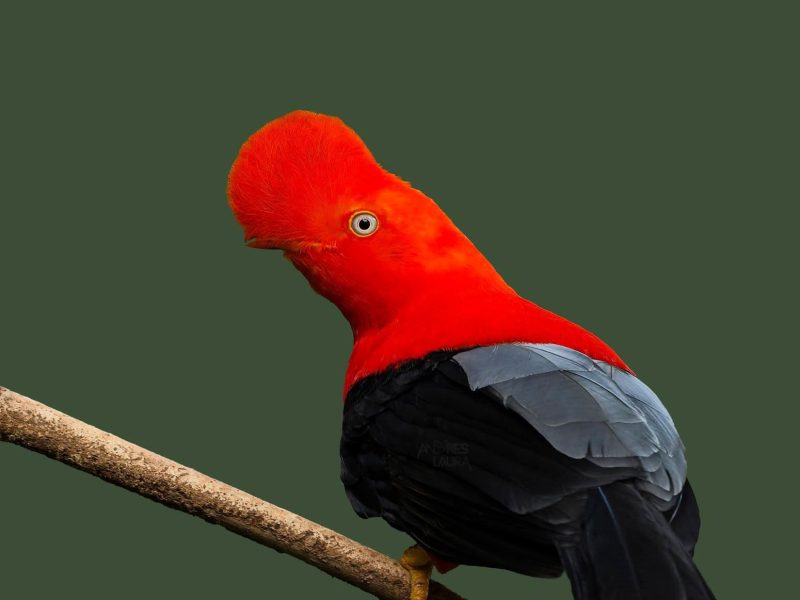


Birding Highlights of Manu 6 days : A Paradise for Avian Enthusiasts in the Heart of the Peruvian Amazon
Birding Highlights of Manu : offers an unparalleled experience, where every moment feels like an introduction to nature’s most vibrant, elusive, and breathtaking creations. Nestled within the untouched jungles of the Peruvian Amazon, Manu is a sanctuary for bird enthusiasts, drawing travelers from all over the world to witness its extraordinary diversity of birdlife. For both seasoned birdwatchers and those just starting their journey, Manu promises a spectacle of avian wonders that few other places on Earth can offer.
Why Birding Highlights of Manu Park Dream –
Manu’s rainforests are not just home to rare and beautiful birds; they are a living, breathing symphony of nature. The lush canopy, winding rivers, and rich floodplains create a haven for over 1,000 bird species, including some of the rarest and most endangered in the world. The park’s proximity to both the Andes and the Amazon basin results in an astonishing variety of habitats, from cloud forests to lowland rainforests, each harboring a distinct group of birds. This ecological diversity makes Manu one of the most biodiverse regions on the planet, and an unmissable destination for avid birdwatchers. birdwatching tour.
Birding Highlights of Manu 6 days
- Start: Cusco
- End: Cusco
- Tour Style: Adventure & Wildlife
- Difficulty: Easy to Moderate
- Duration: Full-day adventure
- Minimum Age: 5 years, accompanied by parents
- Minimum Group Size: 4 passengers
- Maximum Group Size: 8 passengers
- Temperature Range: Approximately 20°C–38°C
- Best Wildlife Hours: Early morning through late afternoon
- Activities: Start at early morning and finish late afternoon, the best times for seeing wildlife.
- Altitude Cusco (3,300m.s.n.m.) Andes (3830m.s.n.m.) Elfin Forest (3159m.s.n.m.) Cloud Forest (1,500m.s.n.m.) Amazon Basin (290m.s.n.m.)
Itinerary: Birding Highlights of Manu – Andes, Cloud Forest & Amazon
Exploring Manu means entering one of the most extraordinary birdwatching destinations on the planet. This 6-day itinerary takes you from the sacred landscapes of Cusco to the lowland Amazon rainforest, crossing high Andean lakes, lush cloud forest, and the gateway to the Amazon. Each day offers unique sightings, contrasting ecosystems, and some of Peru’s most coveted endemics. – Rainforest Bird .
Day 1 – Cusco to Wayqecha Lodge
Birding at Huacarpay Lagoon for Andean waterbirds, ducks, coots, and raptors.
Search for Bearded Mountaineer and other Andean specialties.
Cross the Acjanaco Pass into the cloud forest.
Look for tanagers, hummingbirds, and woodpeckers.
Evening birding for Yungas Pygmy-Owl or Swallow-tailed Nightjar.
Overnight: Wayqecha Lodge.
Day 2 – Wayqecha to Cock-of-the-Rock Lodge
Morning birding around Wayqecha for mountain-toucans, antpittas, and hummingbirds.
Descend the Manu Road, searching for toucanets, flycatchers, trogons, and quetzals.
Visit the famous Andean Cock-of-the-Rock lek.
Overnight: Cock-of-the-Rock Lodge or Paradise Lodge.
Day 3 – Cloud Forest Exploration
Explore trails and mixed flocks around the lodge.
Search for tanagers, woodcreepers, wrens, quetzals, and puffbirds.
Possible sightings of Golden-headed Quetzal and Amazonian Umbrellabird.
Optional night birding for Lyre-tailed Nightjar or owls.
Overnight: Paradise Lodge. Birdwatching in Manu
Day 4 – Paradise Lodge to Villa Carmen
Morning birding for hummingbirds and forest specialties.
Descend into the Kosñipata Valley for foothill species.
Look for manakins, antshrikes, flycatchers, and monklets.
Afternoon birding around Villa Carmen and its feeders.
Possible Great Potoo and Amazonian owls.
Overnight: Biolodge Villa Carmen.
Day 5 – Villa Carmen & Machuwasi Oxbow Lake
Explore bamboo and lowland forest for antbirds, woodpeckers, and recurvebills.
Bird the lodge trails for piculets, antwrens, and spinetail.
Visit Machuwasi Oxbow Lake for Hoatzin, rails, antbirds, and nightjars.
Enjoy sightings of monkeys and other Amazonian wildlife.
Overnight: Villa Carmen or Amazon Lodge. Manu National Park
Day 6 – Amazon to Cusco
Final morning birding around the lodge.
Search for any remaining target species.
Return to Cusco along the Manu Road, with birding stops.
Arrive in Cusco in the afternoon, completing the Andes–Cloud Forest–Amazon journey.
Why Choose Our Manu Park Birdwatching Tour?
Unmatched Biodiversity: Encounter over 1,000 bird species, including the dazzling Andean cock-of-the-rock, harpy eagle, and colorful macaws.
Exclusive Wildlife Sightings: Beyond birds, spot iconic and endangered animals like jaguars, giant river otters, giant anteaters, and playful monkeys.
Expert Naturalist Guides: Our seasoned guides provide deep insights into the park’s ecosystem, ensuring you don’t miss any hidden wonders.
Cultural Connection: Gain a unique perspective by learning about the traditions and lifestyles of the local Indigenous communities.
Small Group Experience: Enjoy an intimate adventure with personalized attention for an enriching and comfortable journey.
Itinerary: Birding Highlights of Manu – Andes, Cloud Forest & Amazon
Spaces are limited on this exclusive Manu Park Birdwatching Tour. Don’t miss your chance to explore one of the world’s last untouched wildernesses. Contact us now to secure your place and embark on the birdwatching journey of a lifetime.
Day 1 : Birding Highlights of Manu from Cusco – Wayqecha Lodge | From the Altiplano to the Cloud Forest .
The adventure begins with an early departure from Cusco (3,400 m). Within minutes, the urban landscape gives way to a peaceful high plateau where the morning light illuminates mountains, wetlands, and ancient archaeological centers.
Huacarpay Lagoon: a high Andean wetland full of life
Our first stop is Huacarpay Lagoon, an essential hotspot for high Andean waterbirds. Possible species include:
- Puna, Speckled & Cinnamon Teal
- Yellow-billed Pintail, Andean Duck
- White-winged Grebe, Andean Coot
- Wren-like Rushbird, Many-colored Rush-Tyrant
- Plumbeous Rail, Puna Ibis
Raptors such as Aplomado Falcon, Cinereous Harrier, Black-chested Buzzard-Eagle
Endemic seekers will enjoy species like the Rufous-fronted Canastero, Streak-fronted Thornbird, and the magnificent Bearded Mountaineer hummingbird, an emblem of this region.
From the Andes to Manu’s cloud forest : After crossing mountain passes (up to 3,900 m), the scenery changes dramatically. Green cliffs, curtains of mist, deep ravines, and waterfalls announce our entrance into the mythical Manu cloud forest.
At the Acjanaco pass our Amazonian immersion officially begins. We’ll look for mixed flocks with tanagers and hummingbirds, including:
- Hooded Mountain Tanager, Black-faced Brush-Finch
- Moustached Flowerpiercer, Spectacled Redstart
- Crimson-mantled Woodpecker
By late afternoon we arrive at Wayqecha Lodge, an eco-lodge in the heart of the cloud forest—ideal for a night dedicated to nocturnal specialties such as Yungas Pygmy-Owl or Swallow-tailed Nightjar.
Overnight: Wayqecha Lodge
Day 2 – Birding Highlights of Manu Wayqecha – Cock-of-the-Rock Lodge -Pradise Lodge – Cloud Forest Specialties .
The morning begins on the trails of Wayqecha, a natural laboratory where high Andean forest meets the Amazon. Target species include:
- Grey-breasted Mountain-Toucan
- Red-and-white Antpitta
- Puna Thistletail
- Marcapata Spinetail
- Hummingbirds such as Rufous-capped Thornbill
Descent along the Manu Road
Along the way we’ll make multiple stops to observe:
- Blue-banded Toucanet, Handsome Flycatcher
- Inca Flycatcher, Versicolored Barbet
- Trogons, quetzals, and occasional guans
The iconic Andean Cock-of-the-Rock lek
In the afternoon we reach the Cock-of-the-Rock Lodge, famous for its viewing platform overlooking the lek of the Andean Cock-of-the-Rock (Rupicola peruviana), Peru’s national bird. Witnessing their display is one of the most memorable experiences for any nature enthusiast.
Overnight: Cock-of-the-Rock Lodge or Paradise Lodge
Day 3 – Birding Highlights of Manu and Cock-of-the-Rock Lodge -Paradise Lodge – Deep Exploration of the Cloud Forest
This day is devoted to fully exploring the trails and roads surrounding the lodge—one of the most biodiverse areas per square meter in Manu.
Unforgettable mixed flocks
It’s possible to find dozens of species in a single flock:
- Golden-eared, Orange-eared, Black-goggled, Paradise & Golden Tanager
- Slate-throated Whitestart, Montane Foliage-Gleaner
- Olive-backed Woodcreeper, Grey-mantled Wren
- Iconic cloud forest species
With luck we may find: - Crested & Golden-headed Quetzal
- Amazonian Umbrellabird
- Raptors such as Solitary Eagle and Black-and-chestnut Eagle
- The elusive Black-streaked Puffbird
At night, optional search for Lyre-tailed Nightjar or Band-bellied Owl.
Overnight: Paradise lodge .
Day 4 – Paradise Lodge to Biolodge Villa Carmen – Toward the Amazonian Foothills.
The morning begins with hummingbirds among the gardens and fruiting trees:
- Violet-fronted Brilliant
- Booted Racket-tail
- Wire-crested Thorntail
- The rare Buff-tailed Sicklebill
- Descent into the Kosñipata Valley
As we shift ecosystems, opportunities arise to observe endemics and specialties: - Black-backed Tody-Flycatcher
- Cerulean-capped Manakin
- Peruvian Piedtail
- Two-banded Warbler, Cuzco Warbler
- Chestnut-backed Antshrike, Lanceolated Monklet
The afternoon ends at Biolodge Villa Carmen, a lodge surrounded by primary forest. Feeders attract Amazonian gems such as Rufous-crested Coquette, Gould’s Jewelfront, and the imposing Great Potoo.
Nighttime offers excellent chances for Amazonian owls.
Overnight: Biolodge Villa Carmen
Day 5 – Biolodge Villa Carmen – Lower Amazon & Oxbow Lake .
This is a key day for those seeking bamboo and dense forest specialists.
Rare Amazonian bamboo birds – Rainforest Bird .
In these unique patches we may record:
- Rufous-headed Woodpecker
- Manu Antbird, Goeldi’s Antbird
- White-cheeked Tody-Flycatcher
- Rufous-capped Nunlet
The coveted Peruvian Recurvebill
On the lodge trails, species such as Fine-barred Piculet, Foothill Antwren, and Cabanis’s Spinetail are frequent.
Machuwasi Oxbow Lake: Amazon wildlife at its purest
In the afternoon we visit this peaceful lake where we can observe: Birdwatching in Manu
- Hoatzin, Blackish Rail, Riparian Antbird
- Pale-eyed Blackbird, Ladder-tailed Nightjar
- Hummingbirds such as White-necked Jacobin & Black-throated Mango
- Red Howler Monkeys and Squirrel Monkeys are also commonly seen.
Overnight: Biolodge Villa Carmen or – Amazon Lodge
Day 6 – Villa Carmen Amazon Lodge to Cusco – Final Birding & Return
After an early breakfast, we spend some final time searching for pending species or photographing favorites of the previous days. Then we begin our ascent along the Manu Road, with strategic stops to maximize the final species count.
We arrive in Cusco in the afternoon, concluding an unforgettable journey that combines the Andes, cloud forest, and Amazon—three worlds in a single trip, all part of extraordinary Peru.
What’s Included in the Birding Highlights of Manu.
- Private transportation (by bus and boat)
- All necessary equipment: chairs, mosquito nets, tables, mattresses, tents, rubber boots.
- Duffel bag provided for your personal belongings during the tour
- Professional bilingual local guide, fully equipped with guiding gear
- First aid kit, including antivenom for snake bites
- Three meals per day, including vegetarian, vegan, pescatarian, gluten-free, and other dietary options
- Electricity powered by solar panels in all our lodges
- Mineral water available throughout the journey
- Mid-morning snacks: biscuits, candies, fresh fruit, and juice
- Professional cook accompanying the group
Entrances and Experiences:
- Entrance to Cock of the Rock Lodge
- Entrance to the suspension bridge
- Entrance to Wayqecha Biological Station
- Entrance to Amazonia Lodge
- Entrance fee to Manu National Park
- And much more.
6-Day Birdwatching Itineraries in Manu National Park:
What makes Manu National Park special for birdwatching?
Manu National Park is one of the most biodiverse regions on Earth, home to over 1,000 bird species, including rare and endemic birds. It offers unique ecosystems ranging from Andean cloud forests to Amazonian lowlands, providing incredible birdwatching opportunities.
Is this birdwatching tour suitable for beginners?
Yes Whether you’re a beginner or an experienced birder, the tour is designed to accommodate all skill levels. Our expert guides will assist in bird identification and ensure an enriching experience.
What is the best time of year to visit Manu National Park for birdwatching?
The best time is during the dry season (May to October) when bird activity is high, and trails are more accessible. However, birdwatching is rewarding year-round.
How many bird species can I expect to see?
On average, participants spot between 300-500 bird species during the 6-day tour, including iconic birds like the Andean Cock of the Rock and the Amazonian Umbrella Bird.
Logistics and Accommodation
What type of accommodations are provided?
You’ll stay in comfortable eco-lodges (Wayquecha, Cock of the Rock Lodge, and Amazonia Lodge) that are strategically located for optimal birdwatching and provide essential amenities.
Is transportation included in the tour?
Yes, all ground transportation from Cusco to Manu National Park and back is included, along with boat transfers where necessary.
What is the group size for the tour?
We keep our groups small, typically 6-10 participants, to ensure personalized attention and better wildlife viewing opportunities.
Do I need to carry my luggage during the tour?
No, your luggage will be transported between lodges. You’ll only need to carry a daypack with essentials during excursions.
Birdwatching Experience
What kind of birdwatching equipment should I bring?
We recommend bringing binoculars (8×42 or 10×42), a spotting scope (optional but useful), and a camera with a zoom lens for bird photography.
Are bird checklists provided?
Yes, we provide a comprehensive bird checklist specific to Manu National Park to help you track your sightings.
Will we have early morning birding sessions?
Yes, many bird species are most active at dawn. Expect early morning excursions to maximize sightings, including visits to lek sites like the Cock of the Rock display.
Health, Safety, and Preparation
Is the tour physically demanding?
The tour involves moderate activity, including walks on forest trails and roadside birding. A reasonable level of fitness is helpful but not mandatory.
Are vaccinations required to visit Manu National Park?
While no vaccinations are officially required, we recommend vaccines for yellow fever, typhoid, and hepatitis A. Consult your healthcare provider before traveling.
Is the tour safe for solo travelers?
Absolutely. Our guided tours are safe for solo travelers, and the small group setting fosters a friendly and supportive environment.
Booking and Payment
What is included in the tour price?
The tour price covers accommodation, meals, transportation, guided birdwatching, permits, and park entrance fees. Personal expenses and tips are not included.
What is the cancellation policy?
We offer a flexible cancellation policy. Contact us directly for details on refunds and rescheduling options.
How do I book the 6-day birdwatching tour?
You can book online through our website or contact our customer service team for assistance with reservations and further inquiries.
Are private birdwatching tours available?
Yes, we offer customized private tours for individuals, families, or specialized groups. Reach out to us to discuss your preferences.
Birding Highlights of Manu
Experience an extraordinary journey from the high Andes surrounding Cusco to the lush landscapes of Peru’s Amazon Basin on an adventure designed for travelers who want to discover nature, wildlife, and dramatic changes in scenery in a single trip.
This Cusco to Amazon wildlife adventure takes you through several distinct ecological zones, beginning in the high-altitude Andes and continuing through elfin forest and cloud forest before reaching the warmer lowland environment of the Amazon Basin. Along the way, the landscape transforms dramatically—from cool mountain air and rugged Andean scenery to dense vegetation and tropical habitats filled with life.
Traveling in a small group of no more than 8 passengers provides a more personal experience and allows greater flexibility when observing wildlife and enjoying the surrounding scenery. The adventure is suitable for families with children aged 5 and older, provided children are accompanied by their parents.
The day begins early, when wildlife activity is often at its most rewarding. As you descend through the different elevations, keep your eyes open for birds, butterflies, insects, and other wildlife adapted to each unique habitat.
The combination of changing altitude, vegetation, climate, and scenery makes this an especially engaging experience for nature lovers and first-time visitors to Peru.
Why Take This Cusco Wildlife Adventure?
One of the most fascinating aspects of this journey is the rapid transition between Peru’s ecosystems. Starting at approximately 3,300 meters (10,827 feet) above sea level in Cusco, the route reaches Andean elevations of around 3,830 meters (12,566 feet) before descending through the elfin forest at approximately 3,159 meters (10,364 feet).
The journey continues into the spectacular cloud forest, where elevations can fall to approximately 1,500 meters (4,921 feet), before reaching the warmer Amazon Basin at around 290 meters (951 feet).
This dramatic descent creates an impressive change in temperature, vegetation, and wildlife. It is an ideal way to appreciate the incredible biodiversity of Peru without requiring a highly strenuous physical expedition.
Early Morning – Departure from Cusco
Your adventure begins with an early-morning departure from Cusco. Starting early is important because the first hours of the day can offer excellent opportunities for wildlife observation, while also giving you more time to enjoy the changing landscapes.
As you leave Cusco behind, the scenery gradually changes from the historic Andean city and surrounding highlands to expansive mountain landscapes.
At this elevation, temperatures can be cool, particularly in the early morning, so dressing in layers is recommended.
The High Andes – Approximately 3,830 m
The route climbs into the high Andes, reaching approximately 3,830 meters above sea level. Here, the environment is open and rugged, with sweeping mountain views and vegetation adapted to cold, windy conditions.
Take time to appreciate the contrast between the high-altitude landscape and the tropical ecosystems you will encounter later in the journey.
Wildlife sightings in this region depend on weather, season, and natural conditions, but the high Andes provide opportunities to observe native birds and other species adapted to life at altitude.
Elfin Forest – Approximately 3,159 m
As the route begins descending, the landscape changes again as you enter the elfin forest.
This distinctive high-elevation forest environment is characterized by small, weather-shaped trees, mosses, lichens, and dense vegetation. Mist and humidity can create an atmospheric setting that feels completely different from the open Andean highlands.
The transition through this ecosystem is one of the highlights of the journey for travelers interested in Peru’s natural diversity.
Cloud Forest – Approximately 1,500 m
Continuing downhill, you reach the lush cloud forest, where humidity increases and vegetation becomes dramatically denser.
This is an excellent environment for nature observation. Keep watch for colorful birds, butterflies, orchids, bromeliads, ferns, and other plant life that thrives in the moist mountain environment.
The cloud forest is also one of the most visually impressive sections of the journey. Mist-covered slopes, waterfalls, dense vegetation, and steep mountain scenery create an unforgettable backdrop for photography.
For travelers interested in birdwatching, this portion of the route can be particularly rewarding. Wildlife sightings are naturally dependent on season and conditions, so patience and careful observation are part of the experience.
Amazon Basin – Approximately 290 m
Eventually, the journey reaches the warmer lowland environment of the Amazon Basin, where the climate and landscape are dramatically different from Cusco.
Temperatures can rise considerably as you descend, reaching approximately 38°C in warmer conditions, while the vegetation becomes increasingly tropical.
The Amazon Basin is renowned for its extraordinary biodiversity. Depending on local conditions, travelers may encounter a variety of tropical birds, butterflies, insects, and other wildlife.
The experience is not simply about seeing animals—it is about understanding how dramatically Peru’s natural environment changes over relatively short distances.
Late Afternoon – Return to Cusco
After spending the day exploring the changing ecosystems, begin the return journey toward Cusco.
By late afternoon, you will have traveled through several distinct ecological zones and experienced one of the most remarkable features of Peru: its extraordinary variation in altitude, climate, landscapes, and biodiversity.
Arrival times can vary depending on road conditions, weather, stops, and wildlife observation opportunities.
Altitude and Ecosystems
One of the defining features of this adventure is the spectacular change in elevation:
Location / Ecosystem Approximate Altitude
Cusco 3,300 m / 10,827 ft
High Andes 3,830 m / 12,566 ft
Elfin Forest 3,159 m / 10,364 ft
Cloud Forest 1,500 m / 4,921 ft
Amazon Basin 290 m / 951 ft
The descent from the high Andes to the Amazon Basin demonstrates why Peru is considered one of the world’s most biologically diverse countries.
Wildlife Watching
For the best chance of observing wildlife, the tour begins early and continues through the afternoon. Morning hours are often particularly productive for bird activity and other wildlife, although sightings can never be guaranteed because animals move freely in their natural habitats.
Bring binoculars if you have them, and move quietly when stopping to observe nature. A camera with a zoom lens can also be useful for photographing birds and wildlife from a respectful distance.
Remember that responsible wildlife tourism means observing animals without feeding, touching, chasing, or disturbing them.
Difficulty Level
This adventure is rated easy to moderate.
The experience is primarily focused on transportation, sightseeing, nature observation, and selected stops rather than demanding trekking. However, travelers should be comfortable with an early start, a long day, changing temperatures, and significant altitude variation.
Because the itinerary begins in Cusco at approximately 3,300 meters, visitors who are not accustomed to high altitude should allow themselves adequate time to acclimatize before undertaking the journey.
Family-Friendly Adventure
Children from 5 years old can participate when accompanied by their parents.
Families should consider the length of the day, early departure, changing temperatures, and altitude when deciding whether the experience is appropriate for younger travelers. Comfortable clothing, sun protection, water, and snacks can make the journey easier and more enjoyable for children.
The small maximum group size of 8 passengers also helps create a more comfortable atmosphere for families and nature enthusiasts.
What to Bring
For a comfortable day in changing environments, travelers should consider bringing:
- Lightweight layers for changing temperatures
A warm jacket for the high Andes
Comfortable walking shoes
Sun hat and sunglasses
Sunscreen
Insect repellent for lower elevations
Reusable water bottle
Camera or smartphone
Binoculars for wildlife observation
Rain protection
Light snacks
Personal medications
Because the temperature can change substantially during the descent, layering is more practical than relying on a single heavy item of clothing.
Best Time for Wildlife Observation
The early morning is one of the best periods for nature observation, which is why this adventure starts early.
Wildlife activity varies according to weather, season, habitat, and natural behavior. Travelers should approach wildlife watching with patience rather than expecting a guaranteed list of species.
The changing ecosystems are themselves an important part of the experience. Even when a particular animal is not visible, the journey provides opportunities to observe different vegetation, birds, insects, landscapes, and environmental conditions.
Responsible Travel
Protecting Peru’s extraordinary ecosystems is essential. During the journey, travelers are encouraged to follow responsible tourism practices:
- Do not feed wild animals.
Do not touch or chase wildlife.
Avoid leaving any waste behind.
Stay on designated paths or follow your guide’s instructions.
Respect local communities and natural environments.
Keep noise levels low during wildlife observation.
Avoid collecting plants, flowers, rocks, or other natural objects.
Responsible travel helps preserve these ecosystems for future generations.
Frequently Asked Questions
How difficult is the Cusco to Amazon wildlife tour?
The adventure is considered easy to moderate. It does not require advanced trekking skills, but travelers should be prepared for an early start, a long day, changing temperatures, and substantial altitude differences.
Can children join the tour?
Yes. The minimum recommended age is 5 years, and children must be accompanied by their parents.
How many people are in each group?
The tour operates with a minimum of 4 passengers and a maximum of 8 passengers, creating a small-group experience.
What altitude does the tour reach?
The route reaches approximately 3,830 meters (12,566 feet) in the high Andes before descending through the elfin forest, cloud forest, and finally toward the Amazon Basin at approximately 290 meters (951 feet).
Will we definitely see wildlife?
No wildlife sighting can be guaranteed because animals are wild and move according to natural conditions. However, the early start and passage through multiple ecosystems provide varied opportunities for nature and wildlife observation.
What temperatures should I expect?
Conditions can vary considerably along the route. Temperatures may be around 20°C in cooler areas and reach approximately 38°C in warmer lowland conditions. Dressing in layers is recommended.
Final Thoughts
The Cusco to Amazon Basin wildlife adventure is an excellent choice for travelers who want more than a conventional sightseeing tour. In one remarkable journey, you can experience the dramatic transition from the high Andes to elfin forest, cloud forest, and tropical lowlands.
With an early start, small groups, changing landscapes, and opportunities for wildlife observation, this adventure offers a memorable introduction to the incredible ecological diversity surrounding Cusco.
From cool mountain air at more than 3,800 meters to the warm forests of the Amazon Basin, every stage of the journey reveals a different side of Peru’s natural world.