Discover 10 best places Birdwatching on Manu Road from Cusco

Discover the 10 best places to observe birds on Manu Road from Cusco.

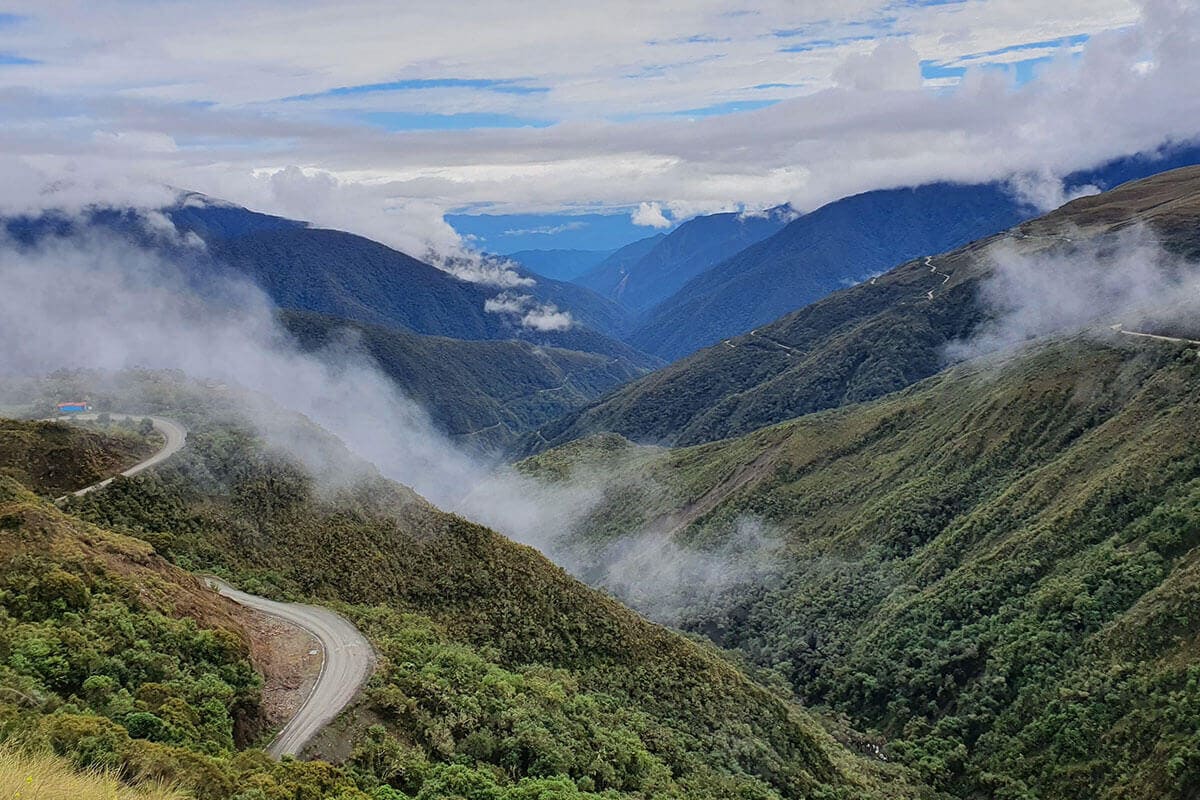
Discover 10 best places Birdwatching on Manu Road from Cusco : Manu Road offers an exceptional birdwatching experience from Cusco. The route crosses many ecosystems, from high-Andean wetlands and puna to cloud forests and Amazonian foothills.

Its main attraction is the rapid change in birdlife with elevation. Huacarpay, Acjanaco, Wayqecha, San Pedro, and Pilcopata each offer different species and habitats.

Why Is Manu Road Special? Discover 10 best places Birdwatching on Manu Road from Cusco .

Manu Road connects several ecosystems in a short distance:

High-Andean wetlands
Puna grasslands
Elfin and cloud forests
Montane forests
Bamboo forests
Amazonian foothills
Lowland forests

This diversity makes Manu Road one of Peru’s best birdwatching routes.

Discover 10 best places Birdwatching on Manu Road from Cusco.

1. Lake Huacarpay: Wetland Birds.

Near Cusco, Huacarpay is an excellent first stop. Its lagoons, reeds, marshes, and surrounding fields attract many Andean birds.

Look for:

Puna Teal
Cinnamon Teal
Andean Goose
Giant Coot
Andean Gull
Giant Hummingbird

Tip: Visit early when bird activity is highest.

2. Acjanaco Pass: Cloud Forest Transition.

Acjanaco marks the transition from puna to cloud forest. The changing vegetation attracts both high-elevation and forest species.

Look for:

Gray-breasted Mountain Toucan
Andean Guan
Mountain Tanagers
Sunangels
Flowerpiercers
Hummingbirds

Tip: Explore slowly and watch the roadside vegetation. manu turs 

3. Wayqecha Biological Station: Cloud Forest Birds.

Wayqecha is a major birdwatching site with cloud forest, bamboo, and montane habitats. Its trails provide excellent opportunities to observe forest birds.

Look for:

Golden-headed Quetzal
Mountain Toucans
White-throated Antpitta
Sunangels
Sword-billed Hummingbird
Mountain Tanagers

The station also has trails and a canopy walkway.

4. Discover 10 best places Birdwatching on Manu Road from Cusco  to Pillahuata: Roadside Birdwatching.

Pillahuata is a productive stretch of montane and cloud forest. Mixed-species flocks can appear along the road.

Look for:

Mountain Toucans
Quetzals
Tanagers
Hummingbirds
Woodcreepers
Flycatchers
Antbirds

Tip: Stop whenever you hear or see an active flock.

5. Discover 10 best places Birdwatching on Manu Road from Cusco &  San Pedro: Cock-of-the-Rock.

San Pedro is famous for the Andean Cock-of-the-rock. Its cloud forests also support many colorful species.

Look for:

Andean Cock-of-the-rock
Golden-headed Quetzal
Versicolored Barbet
Blue-banded Toucanet
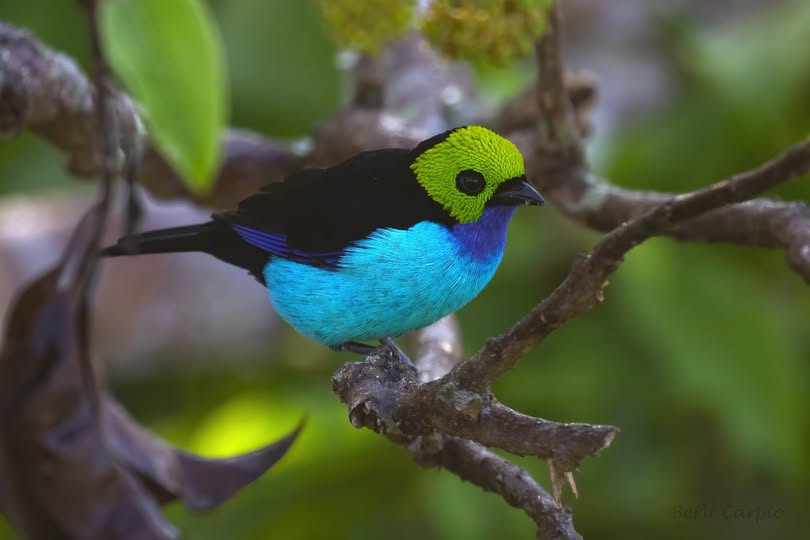
Paradise Tanager
Yungas Manakin
Hummingbirds

Tip: Stay quiet and follow the guide’s instructions at the lek.

6. Cock-of-the-Rock Lodge: Cloud Forest Base.

This lodge offers a convenient base for exploring San Pedro’s forests and hummingbird habitats.

Look for:

Andean Cock-of-the-rock
Golden-headed Quetzal
Paradise Tanager
Bay-headed Tanager
Violet-fronted Brilliant
Booted Racket-tail
Other hummingbirds

It is especially useful for bird photography.

7. Villa Carmen and Pilcopata: Amazonian Transition.

As Manu Road descends, the forest becomes warmer and more Amazonian. Forest edges, bamboo, gardens, and rivers attract new species.

Look for:

Amazonian Umbrellabird
Blue-headed Macaw
Chestnut-backed Antshrike
Blue-crowned Manakin
Red-capped Manakin
Paradise Tanager
Aracaris

The gardens can also be excellent for hummingbirds.

8. Cocha Machuwasi: Wetland Birds.

Cocha Machuwasi offers lagoons and wetland habitats that are very different from the mountain forests.

Look for:

Hoatzin
Horned Screamer
Muscovy Duck
Wattled Jacana
Tiger-Herons
Kingfishers
Greater Ani

Open water makes many species easier to observe and photograph.

9. Pantiacolla Lodge: Amazonian Birds.

Pantiacolla provides access to lowland Amazonian habitats. It is a good extension for birders wanting more tropical species.

Look for:

Toucans
Aracaris
Jacamars
Macaws
Parakeets
Antbirds
Manakins
Cotingas
Amazonian tanagers

It is an excellent way to combine Andean and Amazonian birdwatching.

10. Manu Wildlife Center and Blanquillo: Lowland Birds.

These areas offer some of the richest lowland birdwatching along the route.

Look for:

Pale-winged Trumpeter
Pavonine Quetzal
Purplish Jacamar
Curl-crested Aracari
Scarlet Macaw
Blue-and-yellow Macaw
Fiery Topaz
Amazonian Umbrellabird
Antbirds
Woodcreepers
Manakins
Cotingas

This section is ideal for experienced birders looking to expand their Amazonian species list. tambopata tours 

Bird of Manu Trip

  Bird of Manu Trip

Bird of Manu Trip: A Birder’s Paradise in the Heart of Peru

Manu National Park, located in the Peruvian Amazon, is considered one of the most biodiverse regions on the planet.

Stretching from the high Andes down into lowland rainforest, this UNESCO World Heritage Site is home to an

astonishing 1,000+ bird species—representing nearly 10% of all bird species globally. Mnu Birding Tours 

For birdwatchers, nature photographers, ecotourists, and scientists alike, a comprehensive Manu bird list offers more than just names—it’s a gateway into the evolutionary wonders of South America.

Whether you’re planning a birding tour or looking to expand your life list, Manu is nothing short of a bucket-list

destination. Birdwatching Tambopata

Why is Manu National Park So Special for Birds?

Thanks to its incredible altitudinal gradient, from highland cloud forests to lowland Amazonian jungle, Manu

supports a mosaic of habitats. This variety allows for extreme avian diversity across ecosystems—including species

that are rarely seen elsewhere.

Best Time to Visit for Birdwatching

While Manu offers excellent sightings year-round, the dry season (May–October) generally provides the best conditions for clear trails and active birdlife. Early mornings are prime time for birdwatching, especially in the cloud forest.

  • Tips for an Unforgettable Birding Experience
  • Bring quality binoculars and a camera with a good zoom lens.
  • Wear lightweight, breathable clothing suitable for humid rainforest weather.
  • Don’t forget a field guide or birding app to identify species along the way.
  • Travel with accredited operators who prioritize conservation and sustainable tourism.

Birdwatching in Manu

Tours: 3 days to several weeks
Usually include expert guides, lodges, towers, and canopy platforms

Main Bird Groups

Tinamous: 9 species
Ducks: 12 species
Guans & Curassows: 4 species
Wood-Quail: 3 species
Pigeons & Doves: 14 species
Cuckoos: 3 species
Nightjars: 5 species
Potoos: 2 species
Swifts: 7 species
Hummingbirds: 50+ species
Raptors: Hawks, eagles, falcons & vultures
Owls: 6 species
Trogons & Motmots: 5 species
Toucans & Barbets: 7 species
Woodpeckers: 11 species
Parrots & Macaws: 15 species
Antbirds: 25+ species
Antpittas: 9 species
Tapaculos: 4 species
Woodcreepers & Ovenbirds: 40+ species
Manakins: 6 species
Cotingas: 8 species
Flycatchers: 60+ species
Wrens: 10 species
Thrushes: 7 species
Finches & Euphonias: 11 species
Sparrows & Brushfinches: 10 species
Warblers: 12 species
Tanagers: 70+ species

Manu Road Birding Trip from Cusco: Cloud Forest to the Amazon

A Manu Road birding trip from Cusco is one of Peru’s most rewarding birdwatching adventures, taking travelers from the high Andes through misty cloud forests and into the Amazon lowlands. The dramatic change in elevation creates an exceptional range of habitats, making it possible to encounter an impressive diversity of birds during a single journey.

Depending on the itinerary, birding tours along the Manu Road can last from 3 to 10 days. Longer trips allow more time to explore different elevations and habitats, increasing the chances of seeing specialties such as the Andean Cock-of-the-Rock, colorful tanagers, mountain-toucans, quetzals, hummingbirds, and Amazonian parrots.

Highlights of Birding the Manu Road

Huacarpay Lake – Bird of Manu Trip .

Many trips begin with birding around Huacarpay Lake, a productive wetland south of Cusco. The surrounding high-altitude habitat can provide opportunities to look for Andean species such as the Bearded Mountaineer and Rusty-fronted Canastero, along with waterbirds and other highland species.

Wayqecha and the Cloud Forest

As the road descends from the Andes, the landscape changes dramatically. The Wayqecha area and surrounding cloud forests are particularly attractive for birders interested in high-elevation forest species.

Mixed-species flocks may include mountain-toucans, tanagers, hummingbirds, and other forest birds, while patient observers may also encounter quetzals and other cloud-forest specialties.

Andean Cock-of-the-Rock – Bird of Manu Trip .

One of the defining experiences of a Manu Road birding tour is visiting a Cock-of-the-Rock lek. Early in the morning, male Andean Cock-of-the-Rock gather at traditional display sites to compete for the attention of females.
Seeing these brilliantly colored birds performing their energetic courtship behavior is often one of the highlights of a Manu expedition. Viewing conditions vary according to the site, weather, season, and local regulations.

Hummingbird and Tanager Gardens

Several birding stops along the route offer opportunities to observe hummingbirds and tanagers at relatively close range. Gardens and feeding stations can be especially useful for photographers because they provide more predictable viewing opportunities.

Depending on the itinerary, travelers may visit locations such as Pica de Hoz or Inkamazonia, where hummingbirds and colorful forest species can be observed while taking a break from traveling.

Lowland Forests, Lagoons, and Clay Licks

Further into the Amazonian lowlands, the birdlife changes again. Excursions around lagoons, rivers, oxbow habitats, and lowland forest can produce sightings of macaws, parrots, kingfishers, herons, raptors, and numerous forest species.

Some itineraries also include visits to clay licks or other productive wildlife-viewing locations. Sites such as Machuwasi Lake may provide additional opportunities to explore Amazonian habitats by boat or on foot, depending on current conditions and the tour itinerary.

What to Take on a Manu Road Birding Tour

Good preparation can make a major difference on a multi-day birding expedition.

  • Binoculars: Essential for identifying birds in the canopy and distant vegetation.
  • Camera and telephoto lens: Useful for documenting species and behaviors, particularly at feeding stations and open viewing areas.
  • Lightweight clothing: Breathable, quick-drying layers are practical as temperatures and humidity change dramatically along the route.
  • Rain protection: A waterproof jacket or poncho and protection for cameras and other electronics are highly recommended.
  • Insect repellent: Particularly useful in the warmer, lower-elevation sections of the journey.
  • Headlamp: Valuable for pre-dawn departures and early-morning birding.
  • Field guide or birding app: Helpful for identifying the many species encountered across different elevations.

A spotting scope can be particularly useful for groups, although whether one is necessary depends on the itinerary and the equipment provided by the birding operator.

Best Way to Plan a Manu Birding Trip from Cusco

The ideal itinerary depends on your priorities. A shorter 3- to 4-day Manu Road trip can provide an introduction to the route and its major habitats, while a longer expedition gives birders more time to explore different elevations and search for specialized species.

Birders particularly interested in hummingbirds, tanagers, Cock-of-the-Rock, cloud-forest species, or Amazonian birds should discuss their target species with the operator before booking. An experienced local guide can adjust stops and timing according to weather, recent sightings, habitat conditions, and the group’s interests.

Because conditions on the Manu Road can change, it is also important to confirm the current route, accommodation, access conditions, and included birding sites directly with your tour operator before departure.

Why Choose a Specialist Birding Guide in the Bird of Manu Trip .

The Manu Road crosses several distinct ecosystems within a relatively short distance. A knowledgeable birding guide can help identify birds by sight and sound, locate species hidden in dense vegetation, and choose productive observation points based on local conditions.

For serious birders and wildlife photographers, choosing an operator with local birding expertise and experienced guides can make the difference between simply traveling through the Manu region and getting the most from its extraordinary bird diversity.

Plan Your Manu Road Birding Adventure

From the highlands around Cusco to the cloud forests and Amazonian lowlands, the Manu Road offers an extraordinary birding journey through some of Peru’s most diverse habitats. With the right itinerary, knowledgeable guiding, and enough time to explore at different elevations, travelers can experience an impressive variety of Andean and Amazonian birds in one expedition.

Explore Bird List Huacarpay

Discover the Bearded Mountaineer at Huacarpay Lagoon – Bird List of Peru

Explore the Huacarpay Bird List: The Bearded Mountaineer (Oreonympha nobilis) is a rare and striking gem of the southern Peruvian Andes. With its unmistakable appearance and specialized habitat, this hummingbird is one of the most sought-after species by birdwatchers visiting Huacarpay Lagoon and other Andean regions. loogon huacarpay 
Also observed in: Manu National Park birdwatching tours.

Discover the Magic of Huacarpay Lagoon

Huacarpay Lagoon is a vital part of the Ramsar Wetlands System, recognized for its ecological importance. The lagoon and its surrounding wetlands provide a unique habitat for a wide range of flora and fauna, many of which are endemic to the Andean region. Its shimmering waters reflect the majesty of the surrounding mountains, creating a dreamlike panorama that shifts with the seasons. tambopata tour 

  Explore Bird List Huacarpay & A Birdwatcher’s Paradise .

One of the lagoon’s greatest attractions is its extraordinary birdlife. Over 70 bird species inhabit this area, including migratory birds that travel thousands of kilometers to rest and feed in its waters. Bird enthusiasts can spot species such as the Puna Teal, the Andean Goose, and the elusive Bearded Mountaineer hummingbird (Oreonympha nobilis). Early morning visits offer the best opportunities to observe these feathered wonders in their natural habitat. peru birding 

Explore Bird List Huacarpay-  Flora and Fauna of the Andean Wetlands .

The wetlands around the lagoon are a true biological treasure. Visitors can admire a variety of aquatic plants, reeds, and flowers adapted to the high-altitude environment. The landscape also shelters mammals such as Andean foxes and deer, as well as amphibians and insects essential to the ecological balance.Trips to manu 

Bird Species in Huacarpay Lagoon

Tinamidae – Tinamous

Taczanowski’s Tinamou ,Ornate Tinamou , Andean Tinamou , Darwin’s Nothura

Anatidae – Ducks.

Andean Goose , Crested Duck , Puna Teal , Blue-winged Teal , Cinnamon Teal , Red Shoveler , White-cheeked Pintail
, Yellow-billed Pintail , Speckled Teal , Andean Duck.

Columbidae – Pigeons & Doves.

Rock Pigeon , Spot-winged Pigeon , Bare-faced Ground Dove , Black-winged Ground Dove , Eared Dove , White-tipped Dove .

Cuculidae – Cuckoos .

Smooth-billed Ani ,

Caprimulgidae – Nightjars .

Band-winged Nightjar .

Apodidae – Swifts

White-collared Swift
Andean Swift

Trochilidae – Hummingbirds

Lesser Violetear , Sparkling Violetear , Peruvian Sheartail , Andean Hillstar , Green-tailed Trainbearer , Black-tailed , Trainbearer , Bearded Mountaineer , Tyrian Metaltail ,Shining Sunbeam , Great Sapphirewing, Giant Hummingbird
, White-bellied Hummingbird .

Rallidae – Rails

Plumbeous Rail , Common Gallinule , Andean Coot , Purple Gallinule .

Recurvirostridae – Stilts & Avocets

Black-necked Stilt, Andean Avocet .

Peru Birds

Discover Peru Birds Breathtaking Landscapes and Unique Birdlife.

Peru Birds :Embark on an unforgettable birding adventure across Peru: Our expert local guides will lead you to the best birdwatching destinations, where you can capture the beauty of Peru’s diverse birdlife through your lens. From iconic hotspots to newly discovered routes, our experienced team ensures you have the best chance to observe rare and endemic bird species up close.

 Expeditions Peru Birds : Your Ultimate Birding Adventure

At Birding Expeditions Peru, we specialize in delivering unforgettable birding experiences. With expert guides, comfortable lodging, reliable transportation, and exceptional food services, we ensure every detail is covered so you can focus on capturing Peru’s spectacular birdlife. Discover how our tailored services elevate your birding adventure.

Expert Peru Bird Guides :

Our experienced local guides are passionate birding professionals with extensive knowledge of Peru’s avian species. They accompany you every step of the way, offering insights into bird behavior and habitats. Dedicated to providing an enriching experience, our guides assist with your photography sessions, helping you capture stunning bird images while ensuring a seamless and enjoyable journey.

Premium Lodging for Maximum Comfort

We handpick the finest and most strategically located lodges in every destination. This ensures you stay close to prime birding hotspots while enjoying modern amenities. Rest comfortably after a day of exploration and wake up ready to discover new bird species in their natural environments.

Reliable Transportation for Seamless Travel Peru Birds

Travel with ease in our well-maintained vehicles, driven by experienced professionals who know the birding routes intimately. Our transportation services are designed to enhance your birding experience, offering comfort and reliability while you focus on observing and photographing Peru’s diverse birdlife.  bird ding manu cloud forest

Culinary Delights: Savor Authentic Peruvian Cuisine

After a day of birding, treat yourself to the flavors of Peru. We reserve top dining spots where you can enjoy delicious, traditional Peruvian dishes. From fresh seafood to regional specialties, each meal adds a taste of Peru’s rich culinary heritage to your adventure.

Join Us for an Unforgettable Birding Journey.

Our travelers rave about their experiences with Birding Expeditions Peru. Explore the best birding destinations with us and immerse yourself in a one-of-a-kind adventure. Capture rare bird species, savor local flavors, and create memories to last a lifetime.

Iconic Birds of Peru: What to Look For

Here are some of the most remarkable and sought-after bird species in Peru:

 Andean Condor

Arguably the most iconic bird of the Andes, the Andean Condor boasts a wingspan of up to 10 feet. As a symbol of power and freedom in Andean culture, spotting one gliding above a canyon is a truly unforgettable experience.

 Marvelous Spatuletail

Native to northern Peru, this stunning hummingbird is considered a national treasure. With its iridescent feathers and unique tail “spatules,” it is both rare and visually captivating, making it a top priority for serious birders.

Long-whiskered Owlet

This tiny, nocturnal owl is one of the most mysterious and endangered birds in Peru. Endemic to the cloud forests of the Amazonas region, it’s incredibly difficult to spot — making it a coveted sighting among birdwatchers.

Macaws and Toucans

Vibrant, social, and loud, these tropical birds dominate the Amazon canopy. Peru’s rainforest lodges, especially in places like Tambopata and Manu, offer some of the best opportunities to observe these iconic birds up close. Manu Birding Road

 Best Birdwatching Destinations in Peru Birds

If you’re planning a birding trip to Peru, here are some of the most renowned hotspots:

Manu National Park: A UNESCO Biosphere Reserve with one of the highest bird counts in the world.

Tambopata National Reserve: Famous for its clay licks that attract hundreds of parrots and macaws.

Abra Patricia and the Amazonas Region: Ideal for spotting endemic cloud forest species like the Marvelous Spatuletail and Long-whiskered Owlet.

Colca Canyon: A reliable location to witness the Andean Condor in flight.

Pantanos de Villa & Paracas National Reserve: Coastal wetlands offering views of migratory and marine birds.

Why Birdwatching in Peru is a Bucket List Experience

  • Unparalleled species variety in a compact geographic area
  • Diverse landscapes offering dramatic backdrops for bird photography
  • Expert local guides and eco-lodges catering to birders
  • Cultural richness – combine birding with Peru’s iconic archaeological and culinary highlights

Final Thoughts: Peru, the True Land of Peru Birds

Whether you’re a professional ornithologist or a nature-loving traveler, Peru stands as one of the premier birding destinations on Earth. With its rich avifauna, endemic treasures, and breathtaking ecosystems, Peru invites you to step into a world where every forest, mountain, and riverbank holds the promise of a rare and unforgettable encounter. Trips  Birding Manu

So pack your binoculars, bring your field guide, and set off on an adventure through the bird-rich wonderlands of Peru — where every chirp, call, and flutter tells the story of one of the planet’s most biodiverse nations.

 Tips Applied:

  • naturally: “birdwatching in Peru,” “Peru birds,” “endemic birds Peru,” “Peru birdwatching destinations”
  • Headers and bullet points for readability (helps with Google featured snippets)
  • Metadata suggestion:
  • Title tag: Birdwatching in Peru: Explore the World’s Birding Paradise.

We are located in Cusco a few steps from the main square of Cusco, Peru.About Us.

Huacarpay Lake List Birds

Discover the Bearded Mountaineer at  Huacarpay Lake List Birds , Peru

  Huacarpay Lake List Birds  The Bearded Mountaineer (Oreonympha nobilis) is a rare and striking hummingbird native to the southern Peruvian Andes

. Known for its distinctive appearance and specialized habitat, this bird is a must-see for birdwatching enthusiasts visiting Huacarpay Lagoon and the surrounding regions. Machupicchu Birding

Key Features of the Bearded Mountaineer  Huacarpay Lake List Birds

Size: 15.5–16.5 cm (6–6.5 in) with a 2.4 cm (1 in) bill

Habitat: Dry montane scrub in intermontane valleys (2,700–3,900 m elevation)

Distinctive Traits: Large size, long forked black-and-white tail, and white underparts

Male Identification: Narrow green and purple gorget with a speckled crown that is bordered by a whitish line (O.

n. albolimbata) or deep glittering blue (O. n. nobilis) – manu clouforest birding 

Call: A descending squeaky series followed by a rich chatter (“swee swee chew-chew-chew”) and a dry “dzzrt”

Where to Spot the Bearded Mountaineer   Huacarpay Lake List Birds

This hummingbird is most often observed in the south-central Andes of Peru, particularly around Cusco’s Apurimac

and Urubamba valleys and the Huancavelica region. It thrives in semi-open, dry mountain scrub with cacti and near

settlements with Nicotiana (tree tobacco) and eucalyptus trees.

A prime location to observe the Bearded Mountaineer is Huacarpay Lagoon, an essential stop for birdwatchers due to its rich biodiversity and accessible vantage points.

Nesting Behavior and Habitat  Huacarpay Lake List Birds

In a remarkable discovery at the entrance to Tipon Archaeological Park (near Cusco), researchers found a Bearded

Mountaineer nest attached to the underside of a thatched roof. The nest, located 2.25 m from the ground, was a

compact cup structure made of fern fibers, moss, and rootlets, with two small white eggs inside. tambopata  birding 

Key Nest Characteristics:

  • Suspended cup-shaped nest for insulation
  • Constructed primarily from moss and plant fibers
  • Located in sheltered areas, protecting from rain and direct sunlight
  • These nesting behaviors align closely with related high-altitude hummingbirds, highlighting the Bearded Mountaineer’s adaptation to harsh Andean climates.

Best Time to Visit Huacarpay Lake List Birds

The Bearded Mountaineer likely breeds during the rainy season (November to May), making this period ideal for observing nesting activity.

November, the onset of the rainy season, is a particularly promising time for sightings.

Tips for Birdwatchers

Visit Key Locations: Focus on Huacarpay Lagoon and the Tipon Archaeological Park for the best chances of

spotting the Bearded Mountaineer.

Look Near Flowering Plants: Watch for this species hovering around purple Dunalia espinosa flowers.

Bring Optics: A good pair of binoculars will help you observe intricate features like the male’s shimmering gorget.

Listen Carefully: Pay attention to the bird’s distinctive calls and chattering sounds.

Why Visit Huacarpay Lagoon?

Huacarpay Lagoon is not only a haven for the Bearded Mountaineer but also hosts a diverse array of bird species,

making it a top destination for nature lovers.

Its proximity to Cusco makes it an accessible day trip, perfect for combining cultural exploration with wildlife observation.

Embark on a birdwatching adventure and witness the extraordinary Bearded Mountaineer in the breathtaking landscapes of the Peruvian Andes.

Birding Manu National Park

Birding Manu National Park

Discover the Majestic Birding Manu National Park Amazon Rainforest: A Birdwatcher’s Paradise

The Manu Amazon Rainforest is one of the most biodiverse places on Earth, home to an astounding variety of wildlife, including some of the world’s most unique and vibrant bird species. This lush, tropical paradise is not only a haven for birdwatchers but also a must-see destination for anyone seeking adventure and natural beauty. Whether you’re a seasoned birdwatcher or a casual traveler, the abundance of birdlife in the Manu region will leave you awe-struck.

A Birdwatcher’s Dream: The Amazon’s Feathered Wonders -Birding Manu National Park.

Did you know that the Amazon Rainforest boasts over 1,300 species of birds? That’s more than a third of the total bird species found worldwide! This incredible diversity makes the Amazon a bucket-list destination for birdwatchers. In fact, the Manu National Park in Peru is famous for its rich avian population, with species that can’t be found anywhere else on Earth. Some 30 bird species are endemic to the region, meaning they are unique to this area.

One of the most iconic wildlife spectacles in the Amazon is the daily gathering of macaws at the clay licks along the Amazon River. Imagine thousands of these brilliantly colored birds swooping down to the riverbanks—a scene that will stay with you forever.

Record-Breaking  Birding Manu National Park : A Rare Experience

For avid birdwatchers, the Cocha Cashu Biological Station in Manu National Park offers an unforgettable experience. In 1982, researchers set a world record by spotting an incredible 331 bird species in just 24 hours in this very area! If you think that’s impressive, consider that 575 bird species have been identified in just a 5,500-hectare section of the Peruvian Amazon Birding. To put that into perspective, the entire continent of North America is home to about 700 species of birds.

Why the Amazon is So Rich in Birdlife

The Manu Amazon Rainforest thrives due to its proximity to the equator, where the climate is perfect for supporting a diverse range of species. With a variety of climates—hot and humid in the north, cool and humid in the center, and mild and dry in the south—different bird species have adapted to each unique environment.

The rainforest itself is a layered ecosystem. The tall canopy provides a haven for birds, while the mid-layers are home to rodents and insects, creating an abundant food source. On the forest floor, shrubs and herbs host even more species. The Amazon’s location near the Andes Mountains further enhances its biodiversity, offering plenty of food and shelter for both birds and other wildlife. Manu Birding

The Importance of the Amazon Rainforest

The Amazon Rainforest is often referred to as the “lungs of the planet,” absorbing massive amounts of carbon dioxide and providing fresh oxygen. This makes it not only crucial for the survival of species within the rainforest but for the entire world.  Birding  Sandoval Lake

But the Amazon’s importance goes beyond oxygen. It is a vital ecosystem for thousands of plant and animal species, all of which rely on its resources for survival. For birdwatchers, this means that every trip into the Manu Amazon Rainforest offers an opportunity to witness an incredibly diverse and thriving wildlife community.

Your Next Adventure: Birdwatching in the Manu Amazon Rainforest

Whether you’re a passionate birdwatcher hoping to spot rare species or simply someone looking to experience the raw beauty of the rainforest, a trip to the Manu Amazon Rainforest promises an unforgettable adventure. With over 1,300 bird species to discover, stunning landscapes, and unique wildlife, it’s a destination that should be on every traveler’s bucket list.

Pack your binoculars and get ready to immerse yourself in the vibrant world of the Manu Amazon Rainforest—a place where nature thrives and birdwatching dreams come true. Don’t miss the chance to witness some of the most spectacular birds on Earth, and experience the magic of the Amazon firsthand.

Birds List Puno

Discover the  Birds List Puno Paradise of Titicaca National Reserve

Birds List Puno: Nestled in the high-altitude landscapes of Peru, the Titicaca National Reserve is a haven for bird

enthusiasts and nature lovers alike. Recognized by the Ramsar Convention as a wetland of international significance,

this unique ecosystem supports a rich diversity of bird species, especially aquatic birds. Explore the breathtaking

beauty of Lake Titicaca in Puno, where you can witness over 105 species of fascinating avian life in their natural habitat.

Birdwatching in the Titicaca National Reserve – Birds List Puno

Birdwatching in the Titicaca National Reserve offers an unforgettable experience. Key observation points include

Taquile and Amantaní Islands, where you can combine birdwatching with community-based tourism. For a more

personalized adventure, consider hiring a private guide to explore the serene beauty of Suasi Island.

For an immersive encounter with the region’s birdlife, the Carata Mocco and Yapura circuits are top recommendations.

These guided tours, often conducted on traditional reed boats, are led by local experts who provide deep insights into

the area’s ecology. Whether you’re an avid birder or a curious traveler, these circuits promise an unparalleled

glimpse into the region’s biodiversity.  Tambopata Birding Trips

Iconic Birds of Lake Titicaca, Birds List Puno.

The Titicaca National Reserve is home to a spectacular array of bird species. Here are some of the most remarkable birds you can encounter:

  • 1. Andean Ruddy Duck (Oxyura ferruginea)
  • A striking bird with a bright blue bill and chestnut body, the Andean Ruddy Duck is a favorite sight among birdwatchers.
  • 2. Puna Teal (Spatula puna)

This elegant waterfowl, with its black and white plumage and turquoise bill, thrives in the high-altitude wetlands of Lake Titicaca.

  • 3. Cinnamon Teal (Spatula cyanoptera)
  • Recognizable by its rich reddish-brown color, the Cinnamon Teal adds a splash of warmth to the cold waters.
  • 4. Titicaca Grebe (Rollandia microptera)

As an endemic species, the Titicaca Grebe is the reserve’s most iconic bird. Due to its flightlessness and specific habitat, spotting one is a special highlight.

  • 5. Golden-spotted Ground Dove (Metriopelia aymara)
  • This ground dove, adorned with subtle golden speckles, can often be seen foraging near the lake’s shores.
  • 6. Black-crowned Night Heron (Nycticorax nycticorax)

A nocturnal wader with striking black and white plumage, it is frequently spotted during twilight hours along the wetlands.

  • 7. Great Egret (Ardea alba)
  • Elegant and graceful, the Great Egret is known for its impressive wingspan and pure white feathers.
  • 8. Andean Gull (Chroicocephalus serranus)

This medium-sized gull, distinguished by its gray and white body and black head

during breeding season, is a common sight along the lakeshore.

  • 9. Andean Flicker (Colaptes rupicola)
  • Unlike most woodpeckers, the Andean Flicker prefers open ground and can be seen searching for insects among the grasslands.
  • 10. Andean Swallow (Orochelidon andecola)
  • These agile fliers, with their iridescent blue backs, can be seen darting across the sky in search of insects.
  • 11. Peruvian Sierra Finch (Phrygilus punensis)
  • A small yet colorful bird, the Peruvian Sierra Finch thrives in the rocky, high-altitude terrain around the lake.
  • 12. Yellow-winged Blackbird (Agelasticus thilius)
  • Easily identifiable by its striking yellow wing patches, this blackbird is often seen perched among the reeds.


Birds List Birding Piura

Birdwatching in Máncora: A Day-by-Day Guide to Peru’s Tumbesian Treasures -Birds List Birding Piura

Day 1: A Stunning First Encounter : Birds List Birding Piura

Máncora, Peru – My introduction to birding in this coastal paradise was nothing short of spectacular! In just two hours, I spotted Rufous Flycatcher, Coastal Miner, and a variety of Tumbesian endemics—without even breaking a sweat. The dense mesquite forest (algarrobo) was alive with vibrant calls from species like Tumbes Tyrant, Scarlet-backed Woodpecker, and Streak-headed Woodcreeper. peru bird

Fast Forward 15 Years: A New Beginning in Máncora

After years in California and Lima, I returned to Peru and settled in Quebrada Fernández, an area teeming with Pale-legged Horneros, Scarlet-backed Woodpeckers, and Croaking Ground-Doves. peru bird

Day 2: Preparing for Global Big Day 2018 Birds List Birding Piura

My birding route started before dawn, covering habitats from Fernández Creek’s river mouth to the Angolo Hunting Reserve. I witnessed Chilean Flamingos, Roseate Spoonbills, White-faced Ibises, and numerous migratory shorebirds. Overhead, hundreds of Magnificent Frigatebirds, Neotropic Cormorants, and Blue-footed Boobies filled the sky. peru bird

Day 3: Exploring Dry Forests & Hidden Trails -Birds List Birding Piura

Inland, the dry forest revealed rarities like Crane Hawk, Harris’s Hawk, Sulphur-throated Finch, and Peruvian Meadowlark. Patches of mesquite trees provided excellent sightings of Collared Antshrikes, Necklaced Spinetails, and  Piura Peruvian Pygmy-Owls. peru bird

Day 4+: Expanding the Adventure Birds List Birding Piura

  • Beyond Máncora:
  • Puerto Pizarro Mangroves (Tumbes): Nesting Magnificent Frigatebirds & Yellow Warblers
  • Dry Forest Excursions: A chance to spot the endemic Peruvian Plantcutter
  • Whale-Watching & Pelagic Birding (July–October): Blue-footed Boobies, Waved Albatrosses, and storm-petrels -peru bird

Why Bird in Máncora? peru bird

  • Prime Tumbesian birding with endemics
  • Coastal and dry forest diversity
  • Easy access to mangroves & pelagic species

Day 1: Arrival & Introduction to Máncora’s Hidden Wildlife

Famous for its beaches and surf, this coastal gem in northern Peru is also a birdwatcher’s dream. Settle in, grab your binoculars, and get ready to explore the rich biodiversity of the Tumbesian region Hidden Wildlife . peru bird

Day 2: Exploring La Poza de Barro – A Birding Hotspot in the Dry Forest

Venture to La Poza de Barro, a natural mud spring surrounded by dry forest. Keep an eye out for the Peruvian Thick-knee, Pacific Parrotlet, and the vibrant White-tailed Jay as you hike through this unique ecosystem. peru bird

Day 3: Coastal Birdwatching & Seaside Relaxation

Stroll along Máncora’s shoreline at dawn to spot shorebirds like the Whimbrel and Black Skimmer. After a rewarding morning, savor fresh ceviche, unwind by the ocean, or explore Punta Sal for more birding rainforest  opportunities. peru bird

Day 4: A Day Trip to Amotape National Park – A Birdwatcher’s Dream

Take a trip to Amotape National Park, a sanctuary for rare and endemic birds such as the Grey-and-white Tyrannulet and Long-tailed Mockingbird. A local guide can help you uncover hidden trails and elusive species. peru bird

Day 5: Final Birding Excursion & Departure

Wrap up your birdwatching adventure with a final morning outing. Review your sightings, take in the last glimpses of Máncora’s stunning landscapes, and plan your return to this under-the-radar birding haven. peru bird

Birding in Amazon Iquitos

 Birding in Amazon Iquitos: A Paradise for Birdwatchers in the Amazonia Peru

Discover the Unique Avian Diversity of Birding in Amazon Iquitos

Nestled in the heart of the Peruvian Amazon, Iquitos is a dream destination for bird enthusiasts and nature lovers. With its rich biodiversity, unique ecosystems, and captivating cultural experiences, it offers an unparalleled birdwatching adventure. Whether you’re a seasoned birder or just starting, Birding Iquitos promises an unforgettable journey into the wild. peru bird

Location and Accessibility Birding in Amazon Iquitos

Iquitos, the capital of the Loreto Department, is the largest city in the world inaccessible by road. Positioned at 3°45’0″S and 73°15’0″W, it sits at an altitude of 106 meters and spans approximately 368.9 square kilometers. Founded in 1757, Iquitos had a population of over 400,000 as of 2007. amazonia peru bird

How to Get to Iquitos – Birding in Amazon Iquitos

By Air: Daily flights from Lima International Airport (Francisco Secada Vignetta) connect travelers to Iquitos.

By Water: Experience a scenic river journey from Pucallpa via the Ucayali River, with stops in Contamana, Requena, and Nauta. Options include speedboats for faster travel or motor vessels for a leisurely cruise. travel peru bird

Climate and Best Time for Birdwatching

Iquitos has a warm, tropical climate year-round, with an average high of 31°C (88°F). The drier months, from June to November, offer ideal birdwatching conditions as birds gather around water sources. However, the rainy season (December to May) provides lush landscapes and opportunities to spot unique species. rainforest peru bird

Top Birding Locations in Iquito

1. National Reserve Allpahuayo Mishana –

Located 26.5 km from Iquitos, this protected area is home to numerous endemic and newly discovered bird species. It plays a crucial role in preserving Amazonian biodiversity.

2. Pacaya Samiria National Reserve peru bird

Situated 183 km from Iquitos, this vast reserve spans over 2 million hectares. Known as the “jungle of mirrors” for its reflective waterways, it hosts species like the black saki monkey, pink dolphins, and the magnificent harpy eagle.

3. Pilpintuwasi Butterfly House and Wildlife Rescue Center peru bird

Besides its impressive butterfly collection, Pilpintuwasi shelters endangered birds and mammals, including toucans, macaws, and harpy eagles.

4. Lake Moronococha

Only 12 km from Iquitos, this serene lake attracts a variety of wading birds and waterfowl, making it a great spot for photography and relaxation.

5. Bora Community of San Andres

Located 4.5 km from the city, this indigenous community welcomes visitors to experience its traditions, including dances and handicrafts featuring bird-inspired motifs.

Must-Visit Attractions in Iquitos

Historical and Cultural Highlights

  • Iron House (Casa de Fierro): Designed by Gustave Eiffel, this unique building is a testament to the city’s rubber boom era.
  • Malecón Tarapacá: A scenic boardwalk with Art Nouveau architecture and breathtaking Amazon River views.
  • Belén Floating Village: Known as the “Venice of Loreto,” this fascinating district is best explored by canoe.
  • Nature and Adventure
  • Quistococha Tourist Complex: A lakeside retreat with a zoo, an artificial beach, and recreational activities.
  • Amazon River Cruises: Embark on luxury or adventure cruises to explore remote Amazonian destinations, including Pacaya Samiria.
  • Port Almond Botanical Garden: A center for research and education, offering guided tours through the diverse Amazonian flora.
  • Iquitos Birding Specialties: What to Look For in rainforest peru bird


Iquitos is home to an extraordinary range of bird species, including: peru bird

  • Amazonian Umbrellabird
  • Gilded Barbet
  • White-throated Toucan
  • Scarlet Macaw
  • Wire-tailed Manakin
  • Hoatzin (prehistoric-looking bird with distinctive crest) jungle peru bird

Seasonal Birdwatching Highlights  Birding in Amazon Iquitos

June – November (Dry Season): Easier access to trails and increased visibility for spotting canopy birds.

December – May (Rainy Season): Higher chances of encountering nesting birds and waterbirds in flooded forests.

Local Festivals and Cultural Experiences

San Juan Festival (June 24th)

A vibrant celebration blending indigenous traditions with Christian influences. Highlights include:

  • Suri-Rite: A water purification ritual in the Amazon River.
  • Yunza Dance: A lively festivity featuring music, dance, and traditional Amazonian cuisine.
  • Hidden Gems: Birding and Relaxation –amazonia peru bird

Seasonal Amazonian Beaches

From July to October, the dry season reveals white sand lagoons, such as Varillal, El Encanto de la Laguna, and La Jungle, perfect for relaxation after a birdwatching expedition.

St. Thomas Indigenous Pottery Village

A short trip from Iquitos, this community showcases traditional Cocama pottery, adorned with intricate bird and jungle motifs. trips peru bird

Plan Your Birdwatching Adventure in Iquitos

Iquitos is more than a gateway to the Amazon—it is a birdwatching paradise filled with diverse wildlife, breathtaking landscapes, and immersive cultural experiences. Whether you explore the mystical flooded forests of Pacaya Samiria, the hidden trails of Allpahuayo Mishana, or the vibrant urban biodiversity of Iquitos, you’ll find an unforgettable connection with nature. peru bird


Birds Libertad – Trujillo List

Birds Libertad – Trujillo List

 Welcome to Birds Libertad – Trujillo List , a haven for bird enthusiasts in the heart of Trujillo, Peru! Immerse

yourself in a world of captivating avian diversity that graces the landscapes of this enchanting region.

From the vibrant cityscape of Trujillo to the surrounding natural wonders, La Libertad offers a rich tapestry of bird

species that will delight both beginners and seasoned birdwatchers. Whether you’re strolling through urban parks or

exploring the nearby countryside, the avian residents of La Libertad are waiting to captivate your senses.

Experience the thrill of spotting the charismatic Peruvian Thick-knee as it gracefully roams the coastal shores. Listen

to the melodious tunes of the Rufous-necked Peruvian Dove echoing through the air. Witness the elegance of the

Oasis Hummingbird as it flits among the flowers,  Rainforest Trips Peru 

its iridescent plumage catching the sunlight.

As you venture into the surrounding landscapes, keep an eye out for the impressive White-winged Guan and the

majestic Tumbes Sparrow, showcasing the unique biodiversity of La Libertad.

Explore the wetlands and estuaries,  where elegant herons and shorebirds find their refuge.

Join us on a birdwatching adventure that reveals the hidden treasures of La Libertad’s avian inhabitants. Our expert

guides will lead you through the region’s diverse habitats, offering insights into the behaviors, calls, and unique

characteristics of the birds that call this place home.

Whether you’re a dedicated birder or a curious traveler, the Birds of La Libertad tour promises an unforgettable

journey into the world of feathered wonders. Let the vibrant colors, captivating melodies, and

Department:Birds Libertad – Trujillo List .

  • Province: Trujillo
  • Location: 8 ° 6’43 ” S 79 ° 1’44 ” W
  • Latitude: 08 º 06 ‘ 43.20s
  • Longitude: 79 º 01 ‘ 43.68s
  • Altitude: 34 m
  • Distance: 557.2 km lime
  • 206.15 km to Chiclayo
  • Piura 415.65 k
  • Area 1199.85 km ²
  • Foundation March 5, 1535
  • Population 904,296 inhabitants
  • Density inhabitants 670.33 km ²

Birds Libertad – Trujillo List

PLAZA MAYOR OF TRUJILLO: 

Birds La Libertad or Trujillo- It is a most important country’s largest plazas country plaza. It is surrounded by

beautiful colonial houses ” and at its center , the Liberty Memorial sculptureon – the German couple is Edmund

Müller .

CHURCHES:

Citywide , we Iglesias ‘ with art and history. Trujillo Cathedral was built in 1666 and still contains valuable works of

art, including paintings and sculptures Cusco . In the Church of the Company , also located around the Plaza de

Armas, the bouquet will find paintings of Diego de la Puente.

COLONIAL MANSIONS:

The find around . Of the Plaza de Armas . One of the main houses is La Casa Bracamonte , merging the Republican

colonial era. The Calonge or Urquiaga House , headquarters of the Banco Central de Reserva , is neoclassical and

adapted as ; museum, where pieces of gold from the Chimu culture and furniture of the colonial times shown and can

also walk along the square ‘s Recreo in block 9 Jr. Pizarro. A house impossible to ignore is Iturregui Palace , located

at 688 Slate , open from 9am to 19pm Sunday , . Built in neoclassical style, has beautiful windows with bars, columns

‘ inside and gold moldings on the ceilings. archeology

EMERALD HUACA:

‘s Located 3 km northwest of Trujillo, between this city and Chan Chan . It is associated with Chimó culture and was

linked to Chan Chan . The building has a rectangular base and two platforms with central ramps. Its walls are

decorated with reliefs of zoomorphic and geometric motifs . The vans that go to the Huaca Esmeralda Trujillo to

leave from time to time. Admission is included in the payment of income to Chan Chan .

CITADEL CHANCHAN:

El Brujo , ARCHAEOLOGICAL COMPLEX NORTH OF TRUJILLO.

It located in the Moche valley , 5 km northwest of Trujillo and 10 minutes by car , is the largest mud city in pre-

Hispanic America and was the capital of the kingdom of chimó . Its massive walls are decorated with geometric

figures, stylized animals and mythological creatures as seabirds, fish , etc. . The tour of the archaeological site is

complemented by a visit to the museum, where Major parts Chimó culture exhibits . With your . Entrance to Chan Chan , you can also enter the Huaca Esmeralda and Huaca Arco Iris .

HUACA DRAGON OR RAINBOW:Birds Libertad – Trujillo List

Located in the town of La Esperanza , 4 km to ! northwest of Trujillo and 10 minutes by car approximately , Huaca El

Dragon is a large adobe pyramid because its construction would have been on the end of the Wari and Tiahuanaco to

Top Chimó culture. It is the best preserved ceremonial center of the Chimu culture . It friezes with marine and

human figures , with a two-headed snake represents the Iris arc. The entry fee is included in that of Chan Chan .

HUACA HUACA SUN AND MOON:

Located 10 km southwest of Trujillo and 15 minutes drive from the city , the Huaca del Sol functioned as the political

and administrative center , and Huaca . Moon , located in front of the Sun, as the most Important ceremonial center.

Currently you can only visit the Huaca de la Luna. The entrance fee is included in that of Chan Chan , but if you have

not visited the Citadel Barro, can also visit these temple mounds only for the same price and guide included from

Monday to Sunday between 9am and 16h .

ARCHAEOLOGICAL COMPLEX THE WIZARD:

Located in the Chicama Valley , in the district of Magdalena de Cao, 60 km north of Trujillo and hour and a half by

car , the resort consists of three buildings which are:

Huaca Prieta , Huaca Cao and Huaca Cortada . Projecting a

large adobe pyramid thirty feet high , which is said was a wall of sacrifice, whose walls can be seen Moche Iconography .

The most famous image is the “Executioner of Heads” , one of the most important planks and which can also be seen

in Moche ceramics . We recommend making your visit in the morning so you have time to visit the entire complex

and the museum site Beaches of freedom

SPA HUANCHACO:

Located 13 km northwest of Trujillo and 15 minutes by car , it is a peaceful place with a warm and sunny climate , a

picturesque boardwalk and a beautiful ocean view. He is well known for its handmade boats from the Mochica ,

called ” little reed horses ” . Is an attractive location for backpackers who are on their way north or south , and has a

great selection of hotels and restaurants. You can eat fish, but also chicken, steak , pizza, Piura , jungle , Mexican food

, sandwiches, juices , tamales and chicken stock in the market .

PACASMAYO:

Pacasmayo is a beautiful resort and port located 95 km north of Trujillo. His most famous beach is El Faro,

recognized by surfers from several countries because of its waves. There have been many championships board and

body board . You can also go windsurfing. Highlights include the dock port, which is one of the longest in the

country, and the Grace house dating from 1850. In Pacasmayo, you can also enjoy other excursions like going to San

Pedro de Lloc , Cañoncillo forest , and even archaeological sites like Pakatnamu

TOY MUSEUM:Birds Libertad – Trujillo List

Located on top of a house , two blocks from the Plaza de Armas of Trujillo. It was created at the initiative of the

painter Gerardo Chavez, who formed a magnificent collection for many years. There toys worldwide and Peruvian

prehispanic period shown. On the first floor , find the coffee bar My Little Paris , are decorated with pictures of

Peruvian and Latin American artists. If you’re there , be sure to ask for a maceration of guindones mistela worthy tested.

SURF IN HUANCHACO:

IF you like running waves, Huanchaco is a good beach and hosting international championships. You can rent your

equipment for surfing from S / . 20 to S / . 30 per day (includes board and wet suit) . Local equipment rental and

surfing lessons abound front of the boardwalk , before and after the spring .

Reed horses .

The totora horse is the biggest attraction of Huanchaco , and its use has survived throughout history since the time of

the Moche and Chimu to this day. Considered as a precedent for the surfboard, the locals use for fishing.

YOU WILL NOT COUNT . & Spa Port Pacasmayo -Birds La Libertad or Trujillo

Houses in his interesting ‘ unimaginable territory attractions for the traveler and a warm climate that will make your

stay even more pleasant . Here you can breathe the fresh air of a large valley full of rice fields and stroll through

picturesque villages full of history and archeology or just enjoy upa . Relaxing afternoon by the sea. Among its main

attractions are the cathedral in San Pedro de Lloc , mounts and other rigs are manufactured to ride horses pass .

SAN PEDRO DE LLOC:

Pacasmayo is the capital and is located in the foothills Pacasmayo . Formerly it was known as the fishing village of

Lloc , named in honor of its founder .

Subsequently after ‘the Spanish conquest

It acquired its current name cathedral , dating from the seventeenth century, has a rococo altarpiece , where the main

figure is San Pedro de Lloc . In the surroundings , you can see valleys , deserts , dunes and hills as well . As beautiful

ponds. It has a warm and dry climate.

Its streets are laid out from south to . Reman north to style. Oe this people come from . Sampedranos pellones as

mounts evenly among others Paso horse riding

Cañoncillo Forest . Pe This located in the complex of the same name on the left bank of the river Jequetepeque , is

named for the presence of the imposing hill Cañoncillo also owns forest Locusts, Archaeological areas and lakes is

suitable for ecotourism and for adventure sports such as dunes and wealthy

AREA OF PAKATMANU ARQUEOLICA:

‘s A mud city style chanchan Pacasmayo 14 km in the territory of felt the presence of the Moche and Chimu this

ceremonial , political and military administrative center has over fifty pyramids and housing assembly and corridors

and spaces can be seen walls with painted reliefs