Birdwatching Photographs Amazon Manu 7 days
Birdwatching Photographs Amazon Manu Explore the Wonders of Birding Tours Manu Park : Cloud Forest to Lowland Adventure -Embark on an unforgettable journey through the diverse landscapes of the Manu Reserved Zone, where the lush cloud forest meets the vibrant lowland jungle.
This immersive tour takes you deep into one of the most biodiverse regions on the planet, offering unparalleled wildlife encounters and breathtaking scenery.
Birdwatching Photographs Amazon Manu 7 days .
Day 1: Cusco to Wayquecha Lodge – Andean Cloud Forest .
Day 2: Wayquecha to San Pedro – Cloud Forest & Cock-of-the-Rock .
Day 3: San Pedro Lodge – Full-Day Cloud Forest Photography .
Day 4: San Pedro to Pona Lodge – Into the Amazonian Foothills .
Day 5: Pona Lodge – Hummingbird Photography .
Day 6: Pona Lodge – Hummingbirds & Lowland Birds .
Day 7: Pona Lodge to Cusco – Farewell to Manu .
Birdwatching Photographs Amazon Manu 7 days
A Journey Through Biodiversity -Birding Tours Manu Park
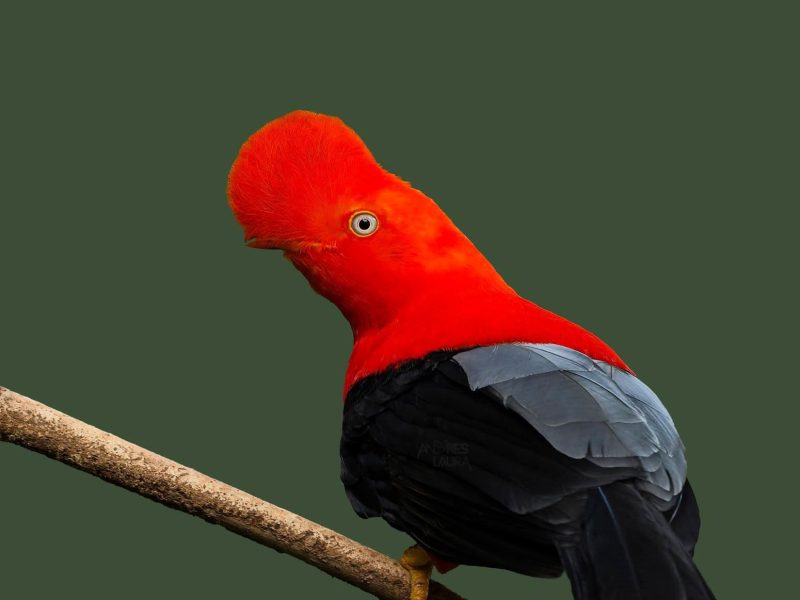
Your adventure begins as we traverse the mystical cloud forest, a haven for bird watchers with its abundant avian species, including the iconic Andean cock-of-the-rock.
As we descend into the lowland rainforest, the scenery transforms into a dense and thriving ecosystem teeming with life.
Guided nature walks provide intimate encounters with the region's unique flora and fauna. Daytime excursions reveal playful troops of monkeys, while nocturnal walks unveil the mysterious world of night creatures, from camouflaged insects to elusive mammals.
Tour Birdwatching and Photographs willdife Amazon Manu
- Tour Name: 100% Local Company – Peru Bird:
- Elevations: 2900mts/9280ft to 550mts/1760ft
- Group Size:
- Minimum: 2 people
- Maximum: 10 people
- Departure Point: Pick-up from your hotel or Airbnb in Cusco
- Tour Return: Drop-off at your hotel or Airbnb in Cusco
- Daily Departure: Based on availability
- Tour Duration: (7 days Tour )
- Transportation:Round-trip private bus from Cusco to our jungle lodges
- Lodging (6 Nights):
Meals Included:
- 6 breakfasts
- 7 lunches
- 6 dinners
- Mineral water
- Dietary options: Vegetarian, vegan, and gluten-free meals available at no extra cost (upon request)


Birdwatching Photographs Amazon Manu 7 days
Birdwatching Photographs Amazon Manu 7 days : Is a true gem in the heart of Peru, protected for its unparalleled biodiversity. With over 1,000 bird species, including the Andean Cock-of-the-Rock, Golden-headed Quetzal, and various hummingbirds, this park is a paradise for birdwatchers. Beyond birds, the park is home to Spectacled Bears, Giant Otters, and 13 species of primates, offering an all-encompassing nature immersion that goes beyond just birding amazon .
This 7-day tour is ideal for passionate birdwatchers, nature lovers, and those seeking an authentic adventure into one of the world’s most biodiverse wildernesses.
What You’ll See: Bird Species – Birdwatching Photographs Amazon Manu .
- During this 7-day birdwatching tour, you will encounter a diverse range of bird species, including:
- Andean Cock-of-the-Rock: Known for its dramatic courtship displays, this iconic bird of the cloud forests is a must-see.
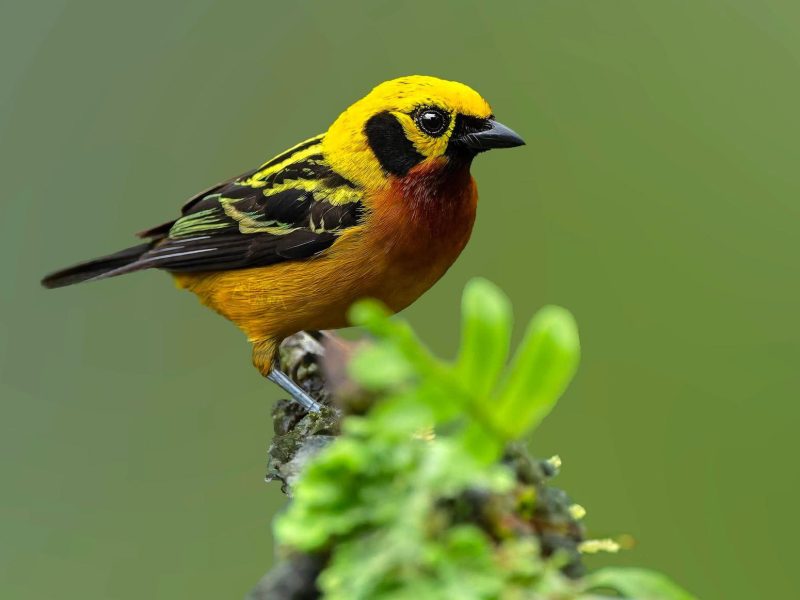
- Golden-headed Quetzal: A rare, vibrantly colored species found in the highland cloud forests.
- Amazonian Umbrella Bird: A fascinating species found in the lowland Amazon, known for its distinctive umbrella-shaped crest.
- Spectacled Bear: This elusive bear species roams the cloud forests of Manu, often spotted in remote areas.
- Giant Otters: Playful residents of Manu’s oxbow lakes, often seen swimming or basking in the sun.
Why Book Your Manu Birding Tour with Us?
- Expert Guides: Our knowledgeable local guides are familiar with the region’s birdlife and will ensure you have the best birdwatching experience.
- Small Groups: We offer personalized tours with small groups, allowing for a more intimate and rewarding experience.
- Eco-Friendly Practices: We are committed to sustainable tourism and minimizing our environmental impact to protect Manu’s delicate ecosystems.
Birdwatching Photographs Amazon Manu 7 days .
- Start: Cusco
- End: Cusco
- Tour Style: Adventure & Wildlife
- Difficulty: Easy to Moderate
- Duration: Full-day adventure
- Minimum Age: 5 years, accompanied by parents
- Minimum Group Size: 4 passengers
- Maximum Group Size: 8 passengers
- Temperature Range: Approximately 20°C–38°C
- Best Wildlife Hours: Early morning through late afternoon
- Activities: Start at early morning and finish late afternoon, the best times for seeing wildlife.
- Altitude Cusco (3,300m.s.n.m.) Andes (3830m.s.n.m.) Elfin Forest (3159m.s.n.m.) Cloud Forest (1,500m.s.n.m.) Amazon Basin (290m.s.n.m.)
Birdwatching Photographs Amazon Manu 7 days – A Complete Itinerary for Bird Lovers .
Important Wildlife Photography Information : Wildlife is wild and unpredictable. No particular species or photographic encounter can be guaranteed.
The species listed in this itinerary represent target species and potential sightings, based on the habitats and locations visited. Actual sightings can vary according to season, weather, forest conditions, and animal behavior.
Our objective is to provide the best possible opportunities while maintaining respectful and responsible wildlife-watching practices.
We encourage photographers to prioritize the welfare of the animals and follow the instructions of local guides and protected-area authorities at all times.
Day 1: Cusco to Wayquecha Lodge – Andean Cloud Forest .
Begin the journey from Cusco and travel toward the eastern slopes of the Andes. As the altitude decreases, the landscape changes from highland scenery to lush cloud forest.
After arriving at Wayquecha Lodge, we explore the surrounding forest for our first birding and photography session. Look for colorful mountain tanagers, hummingbirds, toucans, and other high-elevation species.
Target Species:
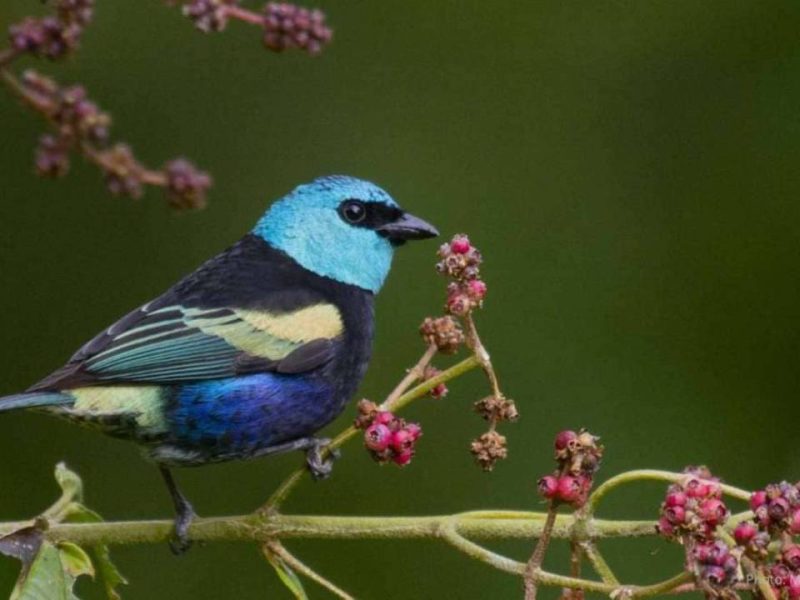
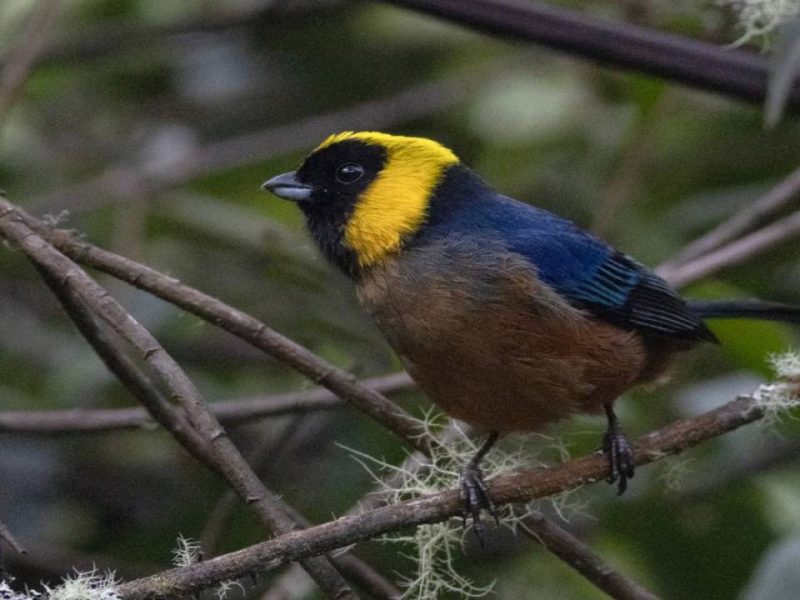
Grey-breasted Mountain Toucan • Scarlet-bellied Mountain Tanager • Golden-collared Tanager • Hooded Mountain Tanager • Sword-billed Hummingbird
Photography Focus:
Cloud forest • Hummingbirds • Tanagers • Mountain birds • Andean landscapes
Day 2: Wayquecha to San Pedro – Cloud Forest & Cock-of-the-Rock .
Continue through the spectacular Manu cloud forest toward San Pedro Lodge, stopping at productive birding locations along the way.
A major highlight is a visit to an Andean Cock-of-the-Rock lek, where males gather to perform their spectacular courtship displays. We may also visit a tanager garden and search for other cloud-forest wildlife. AMAZON MANU PHOTOGRAPHY
Target Species:
Andean Cock-of-the-Rock • Golden-headed Quetzal • Andean Motmot • Grey-breasted Mountain Toucan • Versicolored Barbet • Andean Potoo • Woolly Monkey
Photography Focus:
Cock-of-the-Rock • Tanagers • Cloud-forest birds • Primates • Wildlife behavior
Day 3: San Pedro Lodge – Full-Day Cloud Forest Photography .
Spend a full day exploring the forests around San Pedro Lodge, allowing plenty of time for bird photography and wildlife observation.
We may revisit the Cock-of-the-Rock lek and explore lodge gardens and forest trails in search of quetzals, motmots, barbets, tanagers, and the elusive Andean Potoo.
Target Species:
Andean Cock-of-the-Rock • Golden-headed Quetzal • Crested Quetzal • Andean Motmot • Versicolored Barbet • Green Jay • Andean Potoo
Photography Focus:
Quetzals • Cock-of-the-Rock • Bird portraits • Behavior • Cloud forest
Day 4: San Pedro to Pona Lodge – Into the Amazonian Foothills .
Today we descend to around 700 meters, leaving the cool cloud forest behind and entering warmer, denser Amazonian foothill forest.
The changing altitude brings new bird species and different photographic opportunities, including macaws, woodpeckers, aracaris, and other tropical birds. manu birding tours .
Target Species:
Amazonian Umbrellabird • Blue-headed Macaw • Chestnut-eared Aracari • Red-necked Woodpecker • Crimson-crested Woodpecker
Photography Focus:
Amazonian forest • Macaws • Woodpeckers • Aracaris • Tropical birds
Day 5: Pona Lodge – Hummingbird Photography .
Today is dedicated to hummingbird photography at a productive garden near Pona Lodge.
With more time to observe these fast-moving birds, photographers can work on flight shots, feeding behavior, perching images, and creative compositions.
We will also search the surrounding forest for potoos, vultures, barbets, toucans, tanagers, and other tropical species.
Target Species:
Hummingbirds • Common Potoo • King Vulture • Scarlet-hooded Barbet • Toucans • Tanagers
Photography Focus:
Hummingbirds • Potoos • Vultures • Toucans • Tropical birds
Day 6: Pona Lodge – Hummingbirds & Lowland Birds .
Our final full day focuses on the rich birdlife around Pona Lodge. We visit a second hummingbird garden, offering opportunities for different species and photographic conditions.
Look especially for the Buff-tailed Sicklebill and Rufous-crested Coquette, as well as colorful honeycreepers and tanagers.
Target Species:
Buff-tailed Sicklebill • Rufous-crested Coquette • Lemon-throated Barbet • Purple Honeycreeper • Green Honeycreeper • Golden-collared Honeycreeper • Tanagers
Photography Focus:
Hummingbirds • Honeycreepers • Tanagers • Bird portraits • Lowland forest
Day 7: Pona Lodge to Cusco – Farewell to Manu .
After breakfast, begin the return journey to Cusco, traveling back through the changing landscapes of southeastern Peru.
Reflect on a week of birding and photography, from high-elevation cloud forests and mountain birds to colorful hummingbirds and tropical species.
Photography Focus:
Andean landscapes • Cloud forest • Tropical forest • Wildlife memories
End of the 7-day Manu Birding & Photography Adventure.
Book Your 7-Day Manu Birding & Photography Adventure .
From the spectacular Andean Cock-of-the-Rock and elusive quetzals of the cloud forest to dazzling hummingbirds, honeycreepers, macaws, and tropical birds farther down the eastern slopes, this 7-day Peru bird photography tour offers an extraordinary journey through changing ecosystems.
Travel from Cusco to Manu, descend from the Andes into the Amazonian foothills, and experience some of Peru’s most remarkable bird habitats with experienced local guides.
Whether your passion is bird photography, wildlife observation, nature, or simply exploring one of Peru’s most biodiverse regions, this Andes-to-Manu adventure offers an unforgettable way to experience the natural world.
Bring your camera. Follow the birds. Discover Manu.
Birdwatching Photographs Amazon Manu 7 days Tour Itinerary.
Experience an extraordinary 7-day Manu birding and photography tour from Cusco, traveling from the high Andes through the spectacular cloud forests of southeastern Peru and down into the warmer foothills of the Amazon.
This carefully designed Manu wildlife photography tour combines scenic mountain landscapes, cloud-forest birding, hummingbird gardens, colorful tanagers, quetzals, and the unforgettable display of the Andean Cock-of-the-Rock.
As the journey descends from the high Andes toward the Amazon, the changing altitude creates an impressive succession of habitats. Each day brings new landscapes and the possibility of encountering different bird species.
Wildlife sightings are naturally dependent on weather, season, habitat conditions, and animal behavior, but our guides know the best locations and will work to maximize your opportunities for observation and photography.
Day 1: Cusco to Wayquecha Lodge – Into the Andean Cloud Forest .
Your Manu photography adventure begins in Cusco with a scenic journey toward the eastern slopes of the Andes.
As we leave the highlands behind, the landscape gradually changes from Andean scenery to lush, misty cloud forest. This dramatic transition is one of the highlights of the journey itself.
After arriving at Wayquecha Lodge, we have time for our first birding and photography session around the surrounding forest.
The high-elevation cloud forest is home to a remarkable variety of colorful mountain birds. Keep your binoculars and camera ready as we search for mountain tanagers, toucans, hummingbirds, and other species adapted to these cool, humid forests.
One of the exciting potential targets is the Sword-billed Hummingbird, famous for its extraordinarily long bill. Other sought-after species include the Grey-breasted Mountain Toucan and brilliantly colored mountain tanagers.
Target Species .
Grey-breasted Mountain Toucan ,Scarlet-bellied Mountain Tanager ,Golden-collared Tanager , Hooded Mountain Tanager , Sword-billed Hummingbird , Other high-elevation hummingbirds and tanagers .
Photography Focus .
Andean landscapes • Cloud forest • Hummingbirds • Mountain tanagers • High-elevation birds
Day 2: Wayquecha Lodge to San Pedro Lodge – Cloud Forest Birding & Cock-of-the-Rock Lek .
Today we continue deeper into the spectacular cloud forests of the Manu region as we travel toward San Pedro Lodge.
The route provides opportunities to stop at productive birding locations and observe the changing forest as we gradually descend.
One of the day’s major highlights is a visit to an Andean Cock-of-the-Rock lek.
The Andean Cock-of-the-Rock is Peru’s national bird and one of the most spectacular birds of the eastern Andes. At the lek, males gather to display their brilliant plumage and distinctive crests in a fascinating courtship spectacle.
For wildlife photographers, this can be one of the most memorable moments of the entire expedition.
We will also explore a tanager garden, where several species may gather to feed, creating excellent opportunities for colorful bird photography.
Along the way, keep watching the forest for Andean Motmots, mountain toucans, woolly monkeys, barbets, and other cloud-forest inhabitants.
Target Species .
Andean Cock-of-the-Rock , Golden-headed Quetzal , Andean Motmot , Grey-breasted Mountain Toucan , Gray Woolly Monkey , Versicolored Barbet , Andean Potoo , Colorful tanagers .
Photography Focus .
Andean Cock-of-the-Rock • Tanagers • Cloud forest birds • Primates • Wildlife behavior .
Day 3: San Pedro Lodge – Full-Day Cloud Forest Photography .
Today is dedicated to exploring the rich forests surrounding San Pedro Lodge.
Rather than rushing from one location to another, we have additional time to concentrate on bird photography, explore productive trails, and make the most of favorable conditions.
We may return to the Andean Cock-of-the-Rock lek, giving photographers another opportunity to work on different compositions and capture behavioral images.
A second visit can be particularly valuable because wildlife photography is unpredictable. Light, bird activity, weather, and individual behavior can change from one session to the next.
The lodge gardens and surrounding forest also provide opportunities to search for some of the region’s most desirable birds, including quetzals, motmots, barbets, tanagers, and the elusive Andean Potoo.
The Golden-headed Quetzal and Crested Quetzal are especially exciting potential subjects. Their vivid colors can stand out beautifully against the dark green vegetation of the cloud forest.
Target Species .
Andean Cock-of-the-Rock , Golden-headed Quetzal , Crested Quetzal , Andean Motmot
, Versicolored Barbet , Green Jay , Andean Potoo , Mountain tanagers .
Photography Focus .
Quetzals • Cock-of-the-Rock • Forest portraits • Bird behavior • Cloud-forest landscapes .
Day 4: San Pedro Lodge to Pona Lodge – Descending into the Amazonian Foothills .
Today marks a dramatic change in both altitude and environment.
We leave the cooler cloud forest and continue descending toward approximately 700 meters above sea level, where the forest becomes warmer, denser, and increasingly tropical.
This change in elevation is one of the great advantages of the Andes-to-Manu photography route. As the ecosystem changes, so does the birdlife.
New species become possible, including lowland parrots, macaws, woodpeckers, aracaris, and other tropical forest birds.
Photographers should be prepared for completely different compositions and lighting conditions. The lush vegetation, large trees, and tropical atmosphere provide an exciting contrast to the misty mountain forests of the previous days.
Target Species .
Amazonian Umbrellabird , Blue-headed Macaw , Chestnut-eared Aracari , Red-necked Woodpecker , Crimson-crested Woodpecker , Other tropical forest birds .
Photography Focus .
Amazonian foothills • Macaws • Woodpeckers • Aracaris • Tropical forest
Day 5: Pona Lodge – Hummingbird Photography in the Amazonian Foothills .
Today we concentrate on one of the most exciting subjects for bird photographers: hummingbirds.
Our first dedicated hummingbird garden near Pona Lodge provides an opportunity to spend extended time observing these tiny, fast-moving birds.
Rather than relying on a brief encounter along a forest trail, a dedicated garden allows photographers to study behavior, experiment with camera settings, and work on different compositions.
Hummingbirds can be photographed hovering, feeding, perching, interacting with one another, or moving rapidly between flowers.
Beyond the hummingbirds, we will continue searching the surrounding forest for other tropical specialties.
Potential subjects include the Common Potoo, a master of camouflage; the impressive King Vulture; Scarlet-hooded Barbet; toucans; tanagers; and other lowland species.
Target Species .
Common Potoo , King Vulture , Scarlet-hooded Barbet , Hummingbirds , Tanagers
,Toucans , Other lowland forest birds .
Photography Focus .
Hummingbird photography • Tropical birds • Potoos • Vultures • Toucans • Tanagers
Day 6: Pona Lodge – Second Hummingbird Garden & Lowland Bird Photography .
Our final full day around Pona Lodge offers another opportunity to explore the incredible bird diversity of the lower-elevation forest.
We visit a second hummingbird garden, where different habitat conditions can provide opportunities to photograph additional hummingbird species.
Among the potential highlights are the Buff-tailed Sicklebill and Rufous-crested Coquette, two particularly desirable hummingbird subjects.
We will also search for colorful honeycreepers, including Purple, Green, and Golden-collared Honeycreepers.
The diversity of tanagers is another major attraction, with the possibility of encountering several species during the day.
This is a great opportunity to dedicate more time to bird portraits, behavioral photography, and creative compositions.
Target Species .
Buff-tailed Sicklebill , Rufous-crested Coquette , Lemon-throated Barbet , Purple , Honeycreeper , Green Honeycreeper , Golden-collared Honeycreeper , Several species of tanagers , Other hummingbirds and tropical forest birds .
Photography Focus.
Hummingbirds • Honeycreepers • Tanagers • Lowland forest • Bird portraits .
Day 7: Pona Lodge to Cusco – Farewell to Manu .
After breakfast, we begin our return journey toward Cusco .
As we travel back through the changing landscapes of southeastern Peru, there is time to reflect on an unforgettable week of birding and wildlife photography.
From the high-elevation cloud forests and mountain birds to the colorful hummingbirds and tropical species of the lower forests, this journey provides an opportunity to experience an extraordinary range of habitats within a single expedition.
You return to Cusco with your photographs, memories, and a deeper appreciation for the remarkable biodiversity of the Manu region.
End of the 7-day Manu birding and photography adventure.
Photographers can experience:
- High-Andean landscapes
- Mountain cloud forests
- Andean Cock-of-the-Rock leks
- Tanager gardens
- Quetzal habitat
- Dedicated hummingbird gardens
- Amazonian foothill forests
- Tropical bird habitats
- Macaws, toucans, woodpeckers, and honeycreepers
- Exceptional opportunities for wildlife and nature photography
The itinerary is particularly attractive to photographers who want to combine bird photography in Peru with a genuine wilderness experience.
What’s Included in the Tour Birdwatching Photographs Amazon Manu 7 days.
English- and Spanish-speaking tour guide
Transportation by bus
Professional cook
Three meals per day
Mineral water
Accommodation in lodges throughout the tour
Possible overnight experience in a photography blind, depending on the tour arrangement
Fresh fruit
Snacks
Rain poncho
Rubber boots
Entrance fees to the private natural reserves included in the itinerary
First-aid kit
What’s Not Included in the Tour Birdwatching Photographs Amazon Manu 7 days.
The following expenses are not included unless specifically stated in your booking confirmation:
Travel insurance
First breakfast
Mineral water on the first day
Dinner on the final day
Alcoholic beverages
Tips and gratuities for guides, cooks, drivers, and support staff
Personal expenses
Additional drinks or services not specifically listed as included.
Important: Please confirm the final inclusions and exclusions with your tour operator before departure, as arrangements can vary according to the specific departure and accommodation package.
What Should You Bring : in the Tour Birdwatching Photographs Amazon Manu 7 days .
For a comfortable and productive Manu bird photography tour, we recommend bringing:
Photography Equipment
Camera body and backup camera if available
Telephoto lens for birds and wildlife
Wide-angle lens for landscapes and environmental photography
Macro lens for insects, flowers, and small subjects
Extra batteries
Multiple memory cards
Lens cleaning cloths
Rain protection for camera equipment
Binoculars
Camera beanbag or monopod for additional support
Clothing & Personal Equipment
Lightweight, breathable clothing
Warm layers for the high Andes
Waterproof jacket
Comfortable field clothing
Insect repellent
Sun protection
Personal medication
Reusable water bottle
Small daypack
Waterproof bags or dry bags for sensitive equipment
Because the itinerary crosses several elevations and climates, layering is particularly important. Conditions can change considerably between the Andes and the lower forest.
Tour Birdwatching Photographs Amazon Manu 7 days
Birdwatching Photographs Amazon Manu 7 days
What Makes This Manu Photography Tour Special?
This itinerary is designed around one of the most fascinating features of southeastern Peru: the dramatic ecological transition from the Andes to the Amazon.
Instead of remaining at a single elevation, the journey moves through several distinct environments, increasing the potential diversity of birds and wildlife encountered along the way.
1. What is included in the 7-Day Birding Tour package?
The package includes all meals, accommodations, guided birdwatching tours, ground and river transportation, entrance fees to Manu National Park, and expert naturalist guides. It does not cover personal expenses, alcoholic beverages, or travel insurance.
2. What is the best time of year to take the Manu birding tour?
The best time is during the dry season (May to October) when bird activity is high, and trails are more accessible. However, birdwatching is excellent year-round, with unique species observable in each season.
3. What kind of accommodations can I expect?
You will stay in comfortable eco-lodges, including Manu Paradise Lodge , Dorado Lodge, Casa Matsiguenka Lodge, and Palotoa Amazon Lodge. These offer basic but cozy amenities with private or shared facilities, depending on the lodge.
4. How physically demanding is the tour?
The tour involves moderate physical activity, including nature walks on uneven terrain and climbing observation platforms. Participants should be comfortable with 2-4 hours of walking daily.
5. Do I need birdwatching experience to join?
No prior experience is required. The tour is designed for both beginners and seasoned birders, with expert guides providing detailed insights and assistance.
6. What bird species might I see during the tour?
Expect to see a diverse range of species, including the Andean Cock-of-the-Rock, Scarlet Macaw, Horned Screamer, Golden-headed Quetzal, and various tanagers, owls, and manakins.
7. What should I pack for the birding tour?
Bring lightweight, breathable clothing in neutral colors, a hat, sunscreen, insect repellent, a rain jacket, binoculars, a camera, and comfortable hiking shoes. A detailed packing list will be provided upon booking.
8. Are there night birdwatching opportunities?
Yes, there are guided night excursions to observe nocturnal species like the Rufescent Screech-Owl, Ladder-tailed Nightjar, and Amazonian Pygmy-Owl.
9. How do I reach the starting point of the tour?
The tour begins in Cusco, Peru. Participants should arrive at least one day before the tour starts. We will provide detailed instructions for meeting points and transportation.
10. Is there a luggage limit?
Yes. Due to limited boat capacity, we recommend bringing no more than 15 kg (33 lbs) of luggage. Extra luggage can be stored securely in Cusco.
11. Will I have access to electricity and internet?
Electricity is available in most lodges for limited hours, suitable for charging small devices. Internet access is unavailable in the remote areas of Manu National Park.
12. What safety measures are in place during the tour?
We follow strict safety protocols, including first aid-trained guides, emergency communication equipment, and adherence to national park regulations. Participants should have valid travel insurance.
13. Can dietary restrictions be accommodated?
Yes. We cater to most dietary needs with prior notice, including vegetarian, vegan, and gluten-free options.
14. What cultural experiences are included?
You’ll have the opportunity to engage with the Matsiguenka people at Casa Matsiguenka Lodge, learning about their traditional knowledge and way of life.
15. What is the group size for the tour?
Group sizes are typically 4-10 participants to ensure personalized attention and a better wildlife experience.
16. What is the cancellation policy?
Our cancellation policy varies based on the booking date. Generally, cancellations made 60 days in advance receive a partial refund. Full details will be provided at booking.
17. Is the tour suitable for children?
The tour is recommended for children aged 12 and older due to the remote location and physical requirements.
18. How do I book the 7-Day Birding Tour?
Bookings can be made through our website or by contacting our reservations team. Early booking is recommended due to limited availability in Manu National Park.
Peru Photography Tour: From the Andes to Manu National Park
Experience an extraordinary Peru photography tour from the high Andes to the Amazon rainforest, traveling through cloud forests, lush mountain valleys, and the biodiverse wilderness of Manu National Park. Photograph hummingbirds, colorful tanagers, quetzals, the spectacular Andean Cock-of-the-Rock, and many other remarkable species along one of Peru’s most rewarding wildlife photography routes.
If you are searching for a wildlife photography tour in Peru that combines dramatic landscapes with exceptional bird photography, few journeys can rival the transition from the Andes into Manu National Park.
This adventure follows the eastern slopes of the Andes, descending through high-elevation landscapes and misty cloud forests before reaching the warmer forests of the Manu region. Along the way, changing altitude, vegetation, climate, and habitats create an extraordinary variety of photographic opportunities.
Manu National Park is recognized by UNESCO as a World Heritage Site and is renowned for its exceptional biodiversity.
The park stretches from high Andean environments through mountain cloud forests and Yunga forests to lowland rainforest, creating an incredible ecological gradient in a relatively compact geographical journey.
For photographers, that means one trip can deliver dramatically different landscapes, lighting conditions, bird species, and photographic experiences.
Why Choose a Peru Photography Tour from the Andes to Manu?
The greatest attraction of this route is its remarkable change in ecosystems and altitude.
Rather than concentrating on a single habitat, this photography journey takes you from the high Andes toward the Amazonian lowlands. As the road descends, the landscape transforms from rugged mountain scenery into moss-covered cloud forest and eventually into lush tropical jungle.
Manu is particularly famous for its biological richness. UNESCO records more than 800 bird species and more than 200 mammal species in the national park, while Peru’s protected-area authority, SERNANP, currently lists more than 1,000 bird species among the park’s biodiversity.
That diversity makes the region an exceptional destination for nature photography in Peru, especially for photographers interested in birds.
Photography Highlights: From Cloud Forests to Tropical Jungle
1. Andean Cloud Forest Photography
The journey begins among the dramatic landscapes of the eastern Andes, where the environment gradually changes into cool, humid cloud forest.
Mist drifting through the trees, moss-covered branches, bromeliads, orchids, waterfalls, and shafts of filtered light can create atmospheric compositions that are completely different from conventional rainforest photography.
The cloud forest is also an excellent habitat for high-elevation birds. Patient photographers may have opportunities to photograph hummingbirds, tanagers, toucans, quetzals, and other montane species.
For landscape photographers, early mornings can be particularly rewarding when clouds and mist create layers across the forested mountains.
2. Dedicated Hummingbird Photography
Few birds are as captivating to photograph as hummingbirds.
Their iridescent feathers, rapid wingbeats, hovering behavior, and extraordinary variety make them a favorite subject for wildlife photographers.
Along the route, specially selected hummingbird gardens provide opportunities to observe and photograph these birds at close range in controlled natural settings.
Depending on conditions and location, photographers can encounter both highland and lower-elevation hummingbird species.
These locations are especially useful for photographers hoping to experiment with:
- High-speed action photography
- Freeze-frame wing photography
- Portraits with shallow depth of field
- Behavioral images
- Backlit and natural-light compositions
- Multiple hummingbird species in a single session
3. Colorful Tanager Photography
Tanagers are another major attraction of a Manu photography tour.
Several strategically located bird-feeding gardens can provide excellent opportunities to photograph these brilliantly colored birds as they move through the vegetation.
With their combinations of red, blue, yellow, green, orange, and black plumage, tanagers can produce some of the most colorful images of a Peru bird photography tour.
Photographers should be prepared for quick movements and constantly changing perches. A fast shutter speed and careful observation can make the difference between a good record shot and an exceptional behavioral photograph.
4. Andean Cock-of-the-Rock Photography
One of the most memorable experiences of this journey is visiting an Andean Cock-of-the-Rock lek.
The Andean Cock-of-the-Rock is one of the most iconic birds of the cloud forests of Peru. The brilliant orange-red male, dramatic crest, and communal display behavior make it a spectacular photographic subject.
At a traditional lek, males gather and compete for the attention of females through displays and vocalizations.
Photographing this behavior is not simply about capturing a beautiful bird. It is an opportunity to document one of the most fascinating wildlife spectacles of the Andes.
Responsible photography is essential. Maintaining an appropriate distance and following the instructions of local guides helps minimize disturbance to the birds.
Target Species for Your Wildlife Photography
One of the major advantages of traveling through multiple elevations is the opportunity to photograph a wide range of species and habitats.
Your exact sightings will depend on season, weather, local conditions, and wildlife behavior, but the region offers an impressive list of potential photographic subjects.
Hummingbirds
Hummingbirds are among the most sought-after subjects on a Peru bird photography tour.
Depending on elevation and habitat, photographers may encounter a variety of species, providing opportunities to compare differences in size, coloration, behavior, and habitat.
The dedicated hummingbird gardens are particularly valuable because they allow photographers to spend extended periods observing these fast-moving birds rather than relying on brief encounters along a trail.
Grey-breasted Mountain Toucan
The Grey-breasted Mountain Toucan is another exciting target for photographers exploring the Andean cloud forest.
Its striking bill and distinctive plumage make it an excellent subject, particularly when it can be photographed against the atmospheric vegetation of the montane forest.
Because wildlife encounters are never guaranteed, patience and flexibility are important parts of any serious bird photography expedition.
Crested Quetzal
The Crested Quetzal is a highly desirable target for photographers exploring the forests of the Andes.
Finding quetzals requires patience and careful scanning of the canopy. Their coloration can be spectacular when the light catches their plumage, but the birds may remain partially hidden among branches and leaves.
This makes the encounter especially rewarding for photographers who enjoy the challenge of working with natural forest conditions.
Golden-headed Quetzal
The Golden-headed Quetzal adds another beautiful species to the potential target list.
Its combination of vivid colors and elegant shape makes it a favorite among bird photographers. Photographing quetzals in their natural forest environment also provides an opportunity to create more than simple portraits by including branches, foliage, and habitat within the composition.
Versicolored Barbet
The Versicolored Barbet is another colorful forest species that can provide excellent photographic opportunities.
Its vivid plumage makes it particularly attractive for close-up portraits, while wider environmental compositions can help tell the story of the cloud-forest ecosystem.
Andean Motmot
The Andean Motmot is another rewarding subject for photographers traveling through the montane forests.
Its distinctive appearance and characteristic behavior make it a species worth watching carefully rather than simply photographing when it appears.
As with many rainforest birds, understanding where birds feed, perch, and move through the vegetation can greatly improve photographic opportunities.
King Vulture and Other Raptors
The journey also provides opportunities to watch the skies for larger birds.
A King Vulture soaring above the forest can make an impressive photographic subject, particularly when viewed against mountain ridges, clouds, or the open sky.
Raptors can be challenging to photograph because encounters may be brief and distant. Keeping your camera ready and watching the sky between forest photography sessions can sometimes produce unexpected highlights.
A Journey Through One of the World’s Great Biodiversity Landscapes
Manu’s importance extends far beyond bird photography.
UNESCO describes the national park as a globally significant center of terrestrial biodiversity where the Tropical Andes meet the Amazon Basin. Its varied altitude, climate, soils, and habitats create an exceptionally complex mosaic of ecosystems.
SERNANP also highlights Manu’s remarkable range of wildlife, including birds, mammals, reptiles, amphibians, butterflies, orchids, and other plants.
For travelers, this means that the photographic experience changes continuously.
One morning you may be photographing a tiny hummingbird in the cloud forest. Later, you could be surrounded by towering tropical vegetation, listening for distant bird calls or scanning the canopy for wildlife.
The landscape itself becomes part of the story.
More Than Bird Photography: What Else Can You Photograph?
Although birds are a major focus of this Manu National Park photography tour, photographers should keep their lenses ready for much more.
Depending on the route, habitat, and local conditions, potential subjects can include:
- Spectacular cloud-forest landscapes
- Waterfalls and mountain streams
- Orchids and bromeliads
- Butterflies and other insects
- Tropical plants and giant trees
- Monkeys and other mammals
- Macaws and other rainforest birds
- Reptiles and amphibians
- River and forest landscapes
- Dramatic sunrise and mist scenes
SERNANP describes Manu as extending from high Andean landscapes through cloud forests to Amazonian environments, while UNESCO emphasizes the park’s exceptional ecological variety.
This variety means photographers can return home with a portfolio that tells the story of an entire ecosystem rather than simply a collection of individual bird portraits.
The Importance of Responsible Wildlife Photography
A successful wildlife photography trip should protect the very wildlife that makes the experience possible.
Manu is a protected landscape of exceptional conservation importance, and access to different areas is regulated. SERNANP notes that some areas require visitors to travel with authorized operators and that tourism is concentrated in designated sectors.
Responsible photographers should:
- Follow the instructions of local guides and park authorities.
- Maintain a respectful distance from wildlife.
- Never chase or corner birds or mammals for a photograph.
- Avoid disturbing nesting sites and breeding areas.
- Never use playback irresponsibly.
- Avoid feeding wildlife unless a location is specifically managed for controlled observation.
- Keep noise to a minimum.
- Follow established trails and access restrictions.
- Respect local communities and protected areas.
- Leave natural habitats exactly as they were found.
The goal is not simply to obtain a photograph. It is to create images while helping preserve the environment for future generations.
When Is the Best Time for a Manu Photography Tour?
The ideal timing depends on your photographic priorities.
SERNANP currently recommends April through November as the preferred visiting period for Manu and identifies December through March as the rainy season.
However, weather and wildlife conditions can vary considerably between elevations.
Cloud forests can remain misty and wet even during generally favorable travel periods, while lower elevations can have very different conditions.
For photographers, this variability can actually be an advantage. Mist, dramatic clouds, wet foliage, and filtered sunlight can create atmospheric images that would be impossible under completely dry conditions.
Before booking, discuss your preferred photography subjects, travel dates, and expectations with your tour operator.
What Photography Equipment Should You Bring?
You do not need an enormous collection of equipment to enjoy this journey, but a thoughtful setup can make wildlife photography considerably easier.
Recommended camera equipment
Telephoto lens:
A 100–500mm, 200–600mm, or similar lens is useful for birds and distant wildlife.
Fast medium telephoto:
A 300mm, 400mm, or 500mm lens can be excellent for bird portraits and action photography.
Macro lens:
Useful for orchids, insects, butterflies, and small forest subjects.
Wide-angle lens:
Ideal for cloud forests, waterfalls, landscapes, and environmental wildlife portraits.
Sturdy support:
A monopod or lightweight tripod can be helpful, particularly with larger telephoto lenses.
Extra batteries and memory cards:
Humidity, cold temperatures at elevation, and long photography sessions make backups especially important.
Photography tips for the Andes and rainforest
Protect your equipment from sudden changes in temperature and humidity.
Bring rain protection for both yourself and your camera gear. Use lens cloths regularly, keep batteries charged, and carry enough storage for long days in the field.
Most importantly, learn to anticipate behavior. Watching where a bird lands and understanding its routine can often be more valuable than simply reacting when it suddenly appears.
What Makes This Peru Photography Tour Special?
This journey is not simply a trip from one destination to another.
It is a photographic journey through an extraordinary ecological gradient.
You begin among the dramatic elevations of the Andes and gradually descend through cloud forests toward the Amazon. Every change in altitude introduces new vegetation, new sounds, new weather patterns, and new photographic possibilities.
The result is a journey that combines:
Andes landscapes + cloud forest + hummingbirds + tanagers + quetzals + Andean Cock-of-the-Rock + tropical rainforest + extraordinary biodiversity.
For photographers who want to experience Peru beyond its famous archaeological sites, this is an opportunity to explore one of the country’s most remarkable natural environments.
Plan Your Peru Wildlife Photography Adventure
A Peru photography tour from the Andes to Manu National Park offers an exceptional combination of scenery, biodiversity, and wildlife photography.
From mist-covered cloud forests and colorful hummingbirds to spectacular tanagers and the unforgettable display of the Andean Cock-of-the-Rock, every day can bring a new photographic opportunity.
And Manu is still revealing its secrets. In June 2026, SERNANP reported the discovery of a new beetle genus and nine species previously unknown to science in the Manu Biosphere Reserve, underscoring how much biodiversity remains to be documented in the region.
Whether you are an experienced bird photographer, a passionate nature enthusiast, or a traveler looking for an extraordinary Amazon adventure, Manu offers an experience where the journey itself becomes part of the photograph.
Bring your camera, slow down, listen to the forest, and prepare to discover one of Peru’s most spectacular biodiversity journeys—from the Andes to the Amazon.
Frequently Asked Questions About Peru Photography Tours
Is Manu National Park good for wildlife photography?
Yes. Manu is internationally recognized for its exceptional biodiversity and offers opportunities to photograph a wide range of birds, mammals, plants, and other wildlife across different ecosystems. UNESCO identifies more than 800 bird species and more than 200 mammal species in the national park.
What birds can I photograph in Manu?
Potential photographic targets include hummingbirds, tanagers, quetzals, Andean Cock-of-the-Rock, mountain toucans, motmots, barbets, macaws, and numerous other forest birds. Sightings vary according to location, season, weather, and wildlife behavior.
Can beginners join a Peru bird photography tour?
Yes. A specialist photography tour can be suitable for photographers of different experience levels. Beginners can benefit from guidance with camera settings, composition, tracking birds, and understanding wildlife behavior.
What is the best time to visit Manu for photography?
SERNANP currently recommends April through November as the preferred visiting period, while December through March is generally the rainy season. Conditions vary significantly between elevations, so travelers should choose dates according to their preferred subjects and photographic goals.
How high is Manu National Park?
The national park covers a remarkable altitudinal range. UNESCO describes the protected area as extending from approximately 350 meters to above 4,000 meters above sea level. The broader Manu Biosphere Reserve ranges from about 300 to 3,800 meters.
Is Manu suitable for landscape photography as well as bird photography?
Absolutely. The route offers mountain scenery, cloud forests, waterfalls, misty valleys, tropical forests, rivers, and dramatic changes in vegetation. This makes it suitable for photographers interested in both wildlife and landscapes.
Why is Manu considered so biodiverse?
Manu’s extraordinary biodiversity is closely linked to its large altitudinal range and the meeting of Andean and Amazonian ecosystems. The resulting differences in climate, elevation, soils, and habitats create numerous ecological niches.
Peru Photography Tour: Andes to Manu National Park –
Discover an unforgettable Peru photography tour from the Andes to Manu National Park. Photograph hummingbirds, tanagers, quetzals, Cock-of-the-Rock and Amazon wildlife.