Birding Cusco – Abra Malaga 2 Days

Explore the Birding Cusco – Abra Malaga

Birding Cusco – Abra Malaga Are you ready for a birdwatching adventure in one of Peru’s hidden gems.

The Thastayoc Birding Checklist will take you on a thrilling journey through the stunning landscapes of Abra Malaga, located in a unique conservation area at elevations ranging from 2800 to 4200 meters above sea level. This is a prime destination for bird enthusiasts, with a rich diversity of avian species spread across both the eastern and western slopes of the Andes. Amazon paeru Trip

Why Abra Malaga is a Birdwatcher’s Paradise -Birding Cusco – Abra Malaga

Abra Malaga is a biodiverse haven for nature lovers. From its lush cloud forests to the high-altitude paramo ecosystems, this area offers some of the best birdwatching opportunities in the region. As you embark on your journey through the Thastayoc Private Conservation Area, you’ll encounter an incredible variety of birds, many of which are endemic or rarely seen in other parts of the world.

Elevation Zones: A Birdwatcher’s Dream -Birding Cusco – Abra Malaga

Our birding expedition spans both slopes of Abra Malaga, providing access to an incredible range of altitudes between 2800 and 4200 meters above sea level.

This unique elevation gradient offers distinct habitats that support a variety of bird species:

Lower Slopes (2800 – 3500 m.a.s.l.): This lush and temperate zone is home to species like the Golden-headed Quetzal and Andean Cock-of-the-rock, with vibrant plumage and stunning displays.

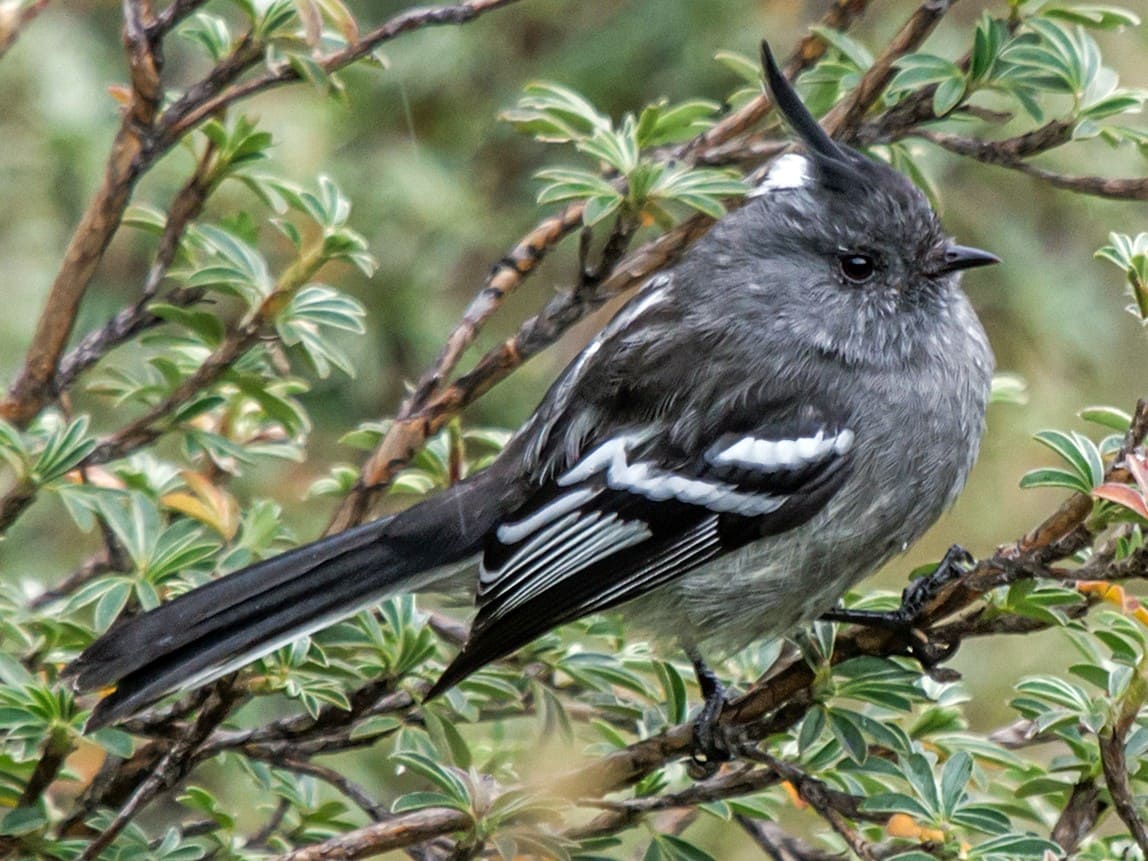
Mid to High Slopes (3500 – 4200 m.a.s.l.): As you ascend, expect to spot high-altitude species like White-tailed Shrike-Tyrant and Mountain Cacique, in addition to diverse hummingbird species.

Thastayoc Birding Checklist – Spot These Amazing Birds

During your time in Thastayoc, you’ll want to keep an eye out for the following key species:

  • Golden-headed Quetzal
  • Andean Cock-of-the-Rock
  • White-tailed Shrike-Tyrant
  • Mountain Cacique

Endemic hummingbirds, such as the Long-tailed Sylph and Sword-billed Hummingbird

  • Tawny-bellied Hermit
  • Black-chested Buzzard-Eagle
  • But don’t just stop there—your checklist includes far more species as you move through different habitats, ensuring you get the most from your birdwatching experience.

Best Time to Visit and What to Expect Birding Cusco – Abra Malaga

Birdwatching at Abra Malaga is fantastic year-round. However, the best months for spotting birds are typically from

April to October, when the weather is drier, and the birds are more active. As you traverse the private conservation

area, be prepared for a combination of breathtaking views and extraordinary birdwatching opportunities.

Bring your binoculars, a good camera, and your sense of adventure. You’ll be guided through areas that are not only

home to a stunning variety of birds but also offer spectacular views of the surrounding mountains and valleys.

Tips for an Unforgettable Birding Experience

Dress in layers: The temperature can fluctuate between the lower and higher altitudes.

Bring sunscreen and insect repellent: The sun can be strong, and insects are more active at lower altitudes.

Stay quiet: Many birds are shy, so silence is key for getting close-up views.

Pack snacks and plenty of water: You’ll be on your feet for a while, exploring this birding paradise.


Birdwatching Ollantaytambo Machupicchu 2 days

Birdwatching in Birdwatching ollantaytambo Machupicchu   A Unique Andean Adventure

Birdwatching ollantaytambo Machupicchu is an extraordinary journey through one of the most stunning natural and archaeological wonders of the world.

Nestled within the cloud forests of the Peruvian Andes, this region offers bird enthusiasts the chance to observe a dazzling variety of avian life.

With its lush biodiversity and breathtaking landscapes, Machu Picchu is not only a UNESCO World Heritage site but

also a paradise for birdwatchers. Amazon Peru photographs

Discover the Birdwatching ollantaytambo Machupicchu

The cloud forest surrounding Machu Picchu is a vibrant ecosystem teeming with colorful and rare bird species. As

you ascend towards the iconic Inti Punku, or “Sun Gate,” you may encounter the elusive Inca Wren and the

distinctive Brush-finches—both species endemic to this region.

This journey provides a unique opportunity to experience the intersection of ancient Inca heritage and rich natural beauty.

For the best birdwatching experience, start your trek early in the morning when the forest comes alive with the songs of resident and migratory birds.

The trail to Inti Punku not only offers panoramic views of the stone citadel but also serves as a prime spot to observe diverse avian life.

Birdwatching in Ollantaytambo & Machu Picchu – 2-Day Adventure

Discover the birdlife of the Sacred Valley and the cloud forests surrounding Machu Picchu on this immersive 2-day birdwatching tour. Perfect for travelers with limited time, this trip blends world-class birding with the magic of Peru’s most iconic archaeological wonder. Whether you are an experienced birder or simply love nature, this adventure enriches your Inca journey with vibrant wildlife encounters. Abra Malaga .

Day 1:– Cusco & Ollantaytambo → Machu Picchu .

Begin your experience with an early departure from Cusco, traveling through the dramatic landscapes of the Sacred Valley. As we follow the winding Urubamba River, keep your eyes on the water—this is prime habitat for Torrent Ducks and White-capped Dippers, two charismatic species often seen navigating the fast-flowing currents.

Upon arrival at Machu Picchu, enjoy a professionally guided tour of the ancient citadel. While exploring its iconic terraces and stone temples, listen for the call of the Inca Wren, a species that favors the dense vegetation surrounding the site.Andean Cock-of-the-rock, 

Afterward, we continue birdwatching in the Urubamba Gorge, a hotspot known for its mix of Andean and cloud-forest birds.
Overnight in Aguas Calientes.
Meals included: Lunch & Dinner

Day 2: Aguas Calientes & Ollantaytambo / Cusco .

Today’s focus is the lush cloud forest around Aguas Calientes, a region bursting with color and biodiversity. As we walk along the river and adjacent forest trails, expect sightings of:

  • Sclater’s Tyrannulet
  • Masked Fruiteater
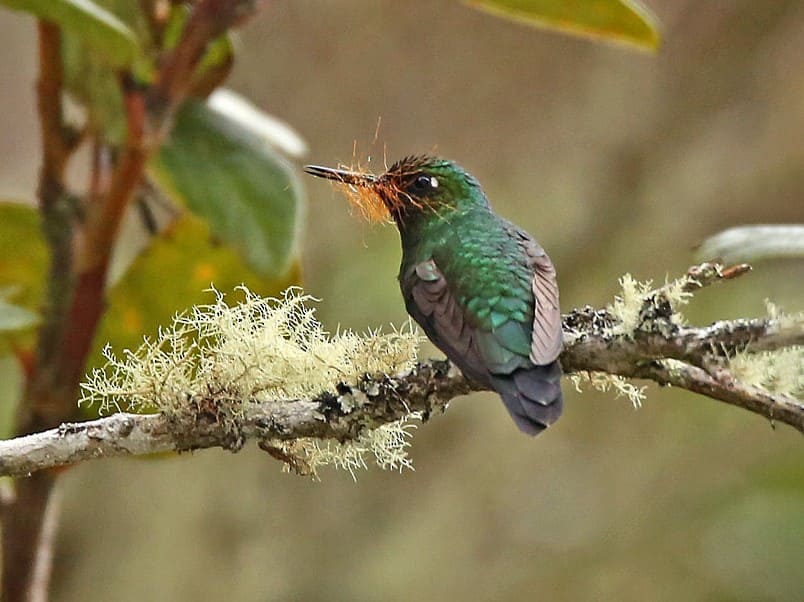
  • Green-and-White Hummingbird (endemic to Peru)

These humid foothills offer exceptional photographic opportunities thanks to their dense vegetation, flowering plants, and abundant bird activity. Machu Picchu

After a relaxed lunch, we board the train back toward the Sacred Valley and continue to Cusco or Ollantaytambo, depending on your onward plans.
Meals included: Breakfast & Lunch

Why Choose This Birdwatching Tour?

  • Ideal add-on to any Machu Picchu or Sacred Valley visit
  • Excellent for travelers wanting high-quality birding in a short timeframe
  • Combines archaeology, nature, and photography opportunities
  • Features both Andean and cloud-forest ecosystems.

South Birding in Peru 10 days

South Birding in Peru: A 10-Day Adventure for Avid Birdwatchers

South Birding in Peru :  Embark on the ultimate birdwatching journey with South Birding in Peru, a 10-day adventure that unveils the untouched beauty of the Amazon rainforest. Whether you are a passionate birder or a nature enthusiast, this expedition takes you into the heart of South Peru, where diverse landscapes are filled with rare avian species and mesmerizing wildlife. From the pristine Las Piedras river to the renowned Manu National Park, prepare for unparalleled birdwatching encounters. Peru Bird

Itinerary: South Birding in Peru 10 days .

South Birding Peru: Complete Amazon Birdwatching Itinerary (10 Days)
An extraordinary birding adventure across the Amazon rainforest, Tambopata, Las Piedras, and the iconic Macaw Clay Lick.

Day 1 – Arrival in Puerto Maldonado: Gateway to the Amazon .

After traveling from Cusco, your expedition begins in Puerto Maldonado, a region rich in Amazonian birdlife. On the way to La Pastora, you may spot species such as the White-throated Jacamar, Gray Hawk, and the impressive Horned Screamer, marking the start of a unique birding experience in the Peruvian Amazon.

Day 2 – Birding in Puerto Maldonado and Journey to Las Piedras .

In the morning, you will explore areas near the city in search of species such as the Red-breasted Blackbird and the Point-tailed Palmcreeper.
As you travel toward Las Piedras, keep your eyes open—it’s possible to find Brazilian Teal, Pied Lapwing, and other interesting birds.
You will spend the night at Tambopata Expedition Lodge, a paradise for birdwatchers.  peruvian bird peru

Days 3–5 – Tambopata Expedition Lodge South Birding in Peru .

During these days, you will explore life-filled trails where the density of Amazonian birds is spectacular. Highlights include:

  • Black-faced Cotinga
  • Long-crested Pygmy Tyrant
  • Pale-winged Trumpeter

The ultimate highlight: the Macaw Clay Lick, one of Peru’s most impressive natural spectacles, where dozens of parrots and macaws fill the sky with color.

Days 6–8 –South Birding in Peru  Soledad Oxbow Lake & Amazon Wetlands.

Explore Soledad Lake, a serene ecosystem perfect for spotting elusive species such as:

  • Agami Heron
  • Sungrebe
  • Azure Gallinule

The excursion may also include encounters with Giant Otters, a favorite among travelers and photographers.

Day 9 – Return to Puerto Maldonado .

On the way back, there are still opportunities to spot fascinating species such as the Southern Caracara, Pearly Kite, and once again the Long-crested Pygmy Tyrant.  Macaw Clay Lick, 

Day 10 – Final Birding at La Cachuela & Departure .

Before heading to the airport, enjoy a morning in La Cachuela, where you can observe species such as the Little Tinamou and the White-faced Whistling Duck, closing this Peruvian Amazon birdwatching adventure on a high note.

Manu Photography Tours Birding 20 days

Manu Photography Tours Birding 20 days– 20 Days

A Birdwatcher’s Dream: Manu Photography Tours Birding : Are you ready to experience the ultimate avian adventure?   is a 20-day journey through one of South America’s most biodiverse regions. Designed for bird enthusiasts, this itinerary covers lush cloud forests, pristine rainforests, and the famed Manu Road. Immerse yourself in a world of vibrant feathers and melodious calls while surrounded by Peru’s stunning landscapes. With expert guides, unforgettable species, and unparalleled habitats, this is the birdwatching expedition you’ve been dreaming of Peru Bird

Why Choose Manu Photography Tours Birding 20 days  ?

  • Unmatched Diversity: Encounter a breathtaking variety of bird species, including endemic and rare finds.
  • Expert Guidance: Bird with seasoned ornithologists who bring passion and expertise to your experience.
  • Eco-Friendly Adventure: Enjoy sustainable travel practices that protect and preserve Peru’s ecosystems.
  • Comfort Meets Adventure: Stay in well-curated accommodations, from biological stations to lodges, ensuring comfort in the heart of nature. of Amazon Manu Peru Bird

Detailed Itinerary for Manu Photography Tours Birding : A 20-Day Journey Through Peru’s Birding Paradise .

If you’re a traveler who dreams of witnessing rare species, untouched habitats, and the full range of Andean–Amazonian biodiversity, this 20-day Manu Expeditions Birding itinerary is your perfect match. From high-altitude wetlands to the deep Amazon basin, every day offers new birds, new landscapes, and unforgettable experiences. Peru’s Manu Biosphere Reserve is often called the most biodiverse place on Earth, and this itinerary lets you experience its wonders slowly, deeply, and expertly.

Day 1: Arrival in Lima – Gateway to Your Birding Odyssey .

Your adventure begins with your arrival at Jorge Chávez International Airport in Lima. A comfortable private transfer brings you to the oceanside district of Miraflores—a safe, vibrant area ideal for relaxing strolls along the clifftop parks or enjoying a quiet evening at your hotel.

You’ll be preparing for your upcoming journey into the Andes, so rest well before the birding begins.

Overnight: Casa Andina Miraflores, Lima

Day 2: Cusco Wetlands & Marshes – High-Altitude Birding Begins .

After a morning flight to Cusco, your Manu Expeditions Birding adventure officially takes flight. Cusco’s high Andean wetlands and marshes are teeming with waterbirds and altitude-adapted hummingbirds.

Birding Highlights:

  • Giant Hummingbird
  • Puna Teal
  • Andean Negrito
  • Bearded Mountaineer

These open wetlands offer ideal light for photography, so keep your camera ready.

Overnight: Casa Andina Hotel, Cusco

Day 3:Manu Photography Tours Birding the Legendary Manu Road – Cusco to Pillahuata .

Today you enter one of the world’s most celebrated birding routes: the Manu Road. This narrow, winding route descends through Andean grasslands and cloud forests, revealing new species with every meter of elevation change.

Species to Watch For:

  • Chestnut-breasted Mountain Finch
  • Creamy-crested Spinetail
  • Andean Flicker
  • Black-chested Buzzard-Eagle

The ever-changing landscape provides spectacular photo opportunities and your first immersive taste of Manu’s biodiversity.

Overnight: Wayqecha Cloud Forest Biological Station

Day 4: Manu Photography Tours Birding to Pillahuata Cloud Forest – Endemic Treasures of Manu .

Spend a full day birding the mist-filled Pillahuata cloud forest, a sanctuary for rare Andean species. Moss-covered branches, orchids, and bromeliads create the perfect habitat for endemics that many birders travel across the world to see.

Top Sightings:

  • Red-and-white Antpitta
  • Golden-collared Tanager
  • Pearled Treerunner

Your guides help you locate these often-elusive birds, ensuring the best sightings possible.

Overnight: Wayqecha Cloud Forest Biological Station

Days 5–7: Manu Photography Tours Birding – Descending to Cock of the Rock Lodge – Colorful Cloud Forest Birding .

As you descend into warmer, denser cloud forest, the birding becomes even more thrilling. Over these three days you’ll explore trails, riverbanks, and canopy edges filled with vibrant species.

A highlight is the Andean Cock-of-the-rock lek, where males gather at dawn and dusk to display their brilliant plumage. birding  amazon  peru 

Featured Birds:

  • Golden-headed Quetzal
  • Paradise Tanager
  • Lyre-tailed Nightjar
  • Andean Cock-of-the-rock

These days offer some of the most colorful birding of the entire trip.

Overnight: Cock of the Rock Lodge

Days 8–9:Manu Photography Tours Birding and Villa Carmen Biological Station – Bamboo Specialists Await .

Your birding route continues to Villa Carmen, where extensive stands of Guadua bamboo create habitat for highly specialized birds found almost nowhere else. Manu Birding Tours .

Bamboo Trail Highlights:

  • Manu Antbird
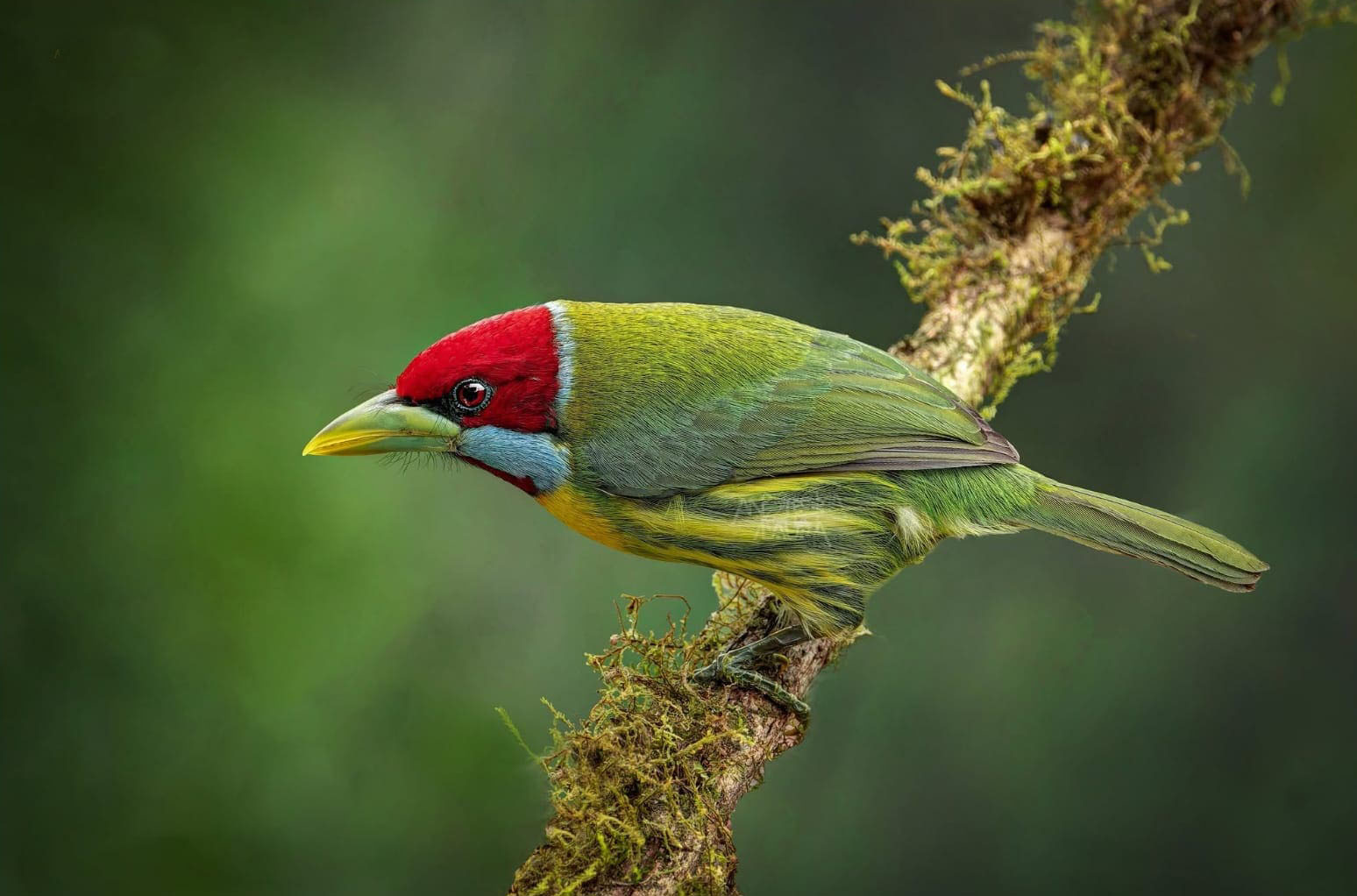
  • Scarlet-hooded Barbet
  • Band-tailed Manakin

The station’s mix of bamboo, secondary forest, and gardens makes it ideal for exploring both common and rare species.

Overnight: Villa Carmen Biological Station

Day 10:  Manu Photography Tours Birding  – Hacienda Amazonia – Lowland Birding & Hummingbird Hotspot .

Descending deeper into the Amazon basin, you arrive at Hacienda Amazonia, a peaceful lodge surrounded by hummingbird-rich gardens and forested riverbanks.

Birding Focus:

  • Rufous-crested Coquette
  • Gould’s Jewelfront
  • Fasciated Tiger Heron

This is the perfect introduction to Amazonian lowland birding before you continue to even wilder regions.

Overnight: Hacienda Amazonia

Day 11: Manu Photography Tours Birding – River Journey to Manu Wildlife Center – Birds Along the Madre de Dios .

Board a motorized canoe for your scenic journey along the Madre de Dios River, one of the most breathtaking river systems in Peru. River margins are full of surprises, including raptors, shorebirds, and macaws.

Potential Sightings:

  • Scarlet Macaw
  • Great Black Hawk
  • Black Skimmer

Enjoy the breeze, spot wildlife along the banks, and prepare for the richest birding of your trip.

Overnight: Manu Wildlife Center

Days 12–14: Manu Photography Tours Birding Wildlife Center – The Heart of Amazonian Biodiversity .

Spend three unforgettable days exploring one of the most wildlife-dense regions in the Amazon. Trails take you through varzea forests, palm swamps, and quiet oxbow lakes.

A major highlight is the world-famous macaw clay lick, where dozens of brightly colored parrots gather at sunrise to feed on mineral-rich clay.

Clay Lick Highlights:

  • Scarlet Macaw
  • Southern Mealy Amazon
  • Blue-headed Parrot
  • Other Forest Species:
  • King Vulture
  • Pale-winged Trumpeter
  • Razor-billed Curassow

This is truly the beating heart of Manu’s biodiversity.

Overnight: Manu Wildlife Center

Days 15–17: Manu Photography Tours Birding – Los Amigos Biological Station – Rare Species & Nocturnal Encounters .

Travel onward to the renowned Los Amigos Biological Station, a place beloved by researchers and birders alike for its extraordinary species diversity.

Night walks and dawn outings increase your chances of seeing rare and nocturnal species that are typically missed elsewhere.

Noteworthy Birds:

  • Long-crested Pygmy Tyrant
  • Spectacled Owl
  • Rufous-fronted Antthrush

Expect surprises daily—Los Amigos is known for producing exceptional bird lists.

Overnight: Los Amigos Biological Station

Day 18: Return to Puerto Maldonado – Rest & Reconnect .

After days deep in the wilderness, you journey back to Puerto Maldonado. Enjoy a restful evening, upload your photos, savor a cold drink, or explore the town’s welcoming atmosphere.

Overnight: Cabaña Quinta Hotel

Day 19: Birding in Puerto Maldonado – Wetlands & Open Habitats .

Before concluding your journey, spend a final morning exploring the wetlands, river edges, and open areas around Puerto Maldonado. These unique habitats add key species to your birding checklist.

Local Birding Highlights:

  • Purus Jacamar
  • Lesser Yellow-headed Vulture
  • Red-breasted Blackbird

It’s the perfect finish to your birding adventure.

Overnight: Cabaña Quinta Hotel

Day 20: Departure – Farewell to the Rainforest .

After breakfast, transfer to Puerto Maldonado Airport for your flight back to Lima. With your memory cards full and your species list overflowing, your Manu Expeditions Birding journey concludes—though the stories and sightings will stay with you forever.

Why Travelers Love This Manu Birding Route

  • It covers the full Andean-to-Amazon gradient, maximizing species diversity.
  • Each lodge and station is chosen for prime habitat access.
  • The pace is immersive, giving birders time for photography, rare species searches, and comfortable rest.
  • You benefit from expert guides who know where to find Peru’s hardest-to-see birds.
  • For birders, photographers, and nature lovers, this is not just an itinerary—it’s the journey of a lifetime.

Top Birds of the Manu Expedition

  • Endemics: Bearded Mountaineer, Marcapata Spinetail, Red-and-white Antpitta
  • Iconic Species: Andean Cock-of-the-rock, Scarlet Macaw, Razor-billed Curassow
  • Rare Finds: White-throated Antpitta, Crimson-mantled Woodpecker, Trilling Tapaculo in Peru Birds

Birdwatching North of Peru 10 days

 Birdwatcher’s Paradise Bird North of Peru 10 days

  Birdwatching Northern of Peru -Discover One of the World’s Best Birding Destinations

Northern Peru is a must-visit destination for birdwatchers, boasting an extraordinary diversity of species, breathtaking landscapes, and a variety of habitats ranging from dry forests and cloud forests to lowland jungles. With over 1,800 recorded bird species—including many endemics found nowhere else on Earth—this region is a dream for both seasoned and aspiring birders. Endemic Birds North Peru

Why is Birdwatching Northern of Peru 10 days So Special for Birding.

. A Hotspot for Rare and Endemic Birds
Northern Peru is home to some of the most sought-after birds in the world, including:

  • Marvelous Spatuletail – One of the most dazzling and rare hummingbirds on the planet.
  • White-winged Guan – Once thought extinct, now a conservation success story.
  • Scarlet-banded Barbet – An enigmatic bird, first discovered in the late 1990s.
  • Long-whiskered Owlet – A tiny, elusive owl found only in the cloud forests of Abra Patricia.
  • Andean Cock-of-the-Rock – Peru’s national bird, famous for its vibrant red plumage and elaborate courtship displays.

Ultimate Birdwatching Northern of Peru Itinerary: A 10-Day Journey Through Amazon & Andes Hotspots .

If you’re dreaming of an immersive birding adventure in one of the most biodiverse regions on Earth, this 10-day Northern Peru birding itinerary brings you from the lush Amazonian foothills to the mystical cloud forests of Abra Patricia. Designed for both birdwatchers and photographers, this route blends stunning landscapes, rare endemics, world-class hummingbird feeders, and unforgettable night birding experiences.  Wildlife Photography Tour

Day 1 –  Birdwatching Northern of Peru – Arrival in Tarapoto: Your Gateway to Northern Peru Birdwatching .

Land at Tarapoto’s Guillermo del Castillo Airport (TPP), where your naturalist guide will welcome you and accompany you to your hotel. This relaxed first evening includes a detailed briefing about the upcoming expedition and a chance to rest before the bird-rich days ahead.

Overnight: Tarapoto

Day 2 –  Birdwatching Northern of Peru and Cordillera Escalera: Amazonian Foothills Birding & Photography .

Your first full day of birding begins in the Cordillera Escalera Regional Conservation Area, a transition zone teeming with Amazonian species. Expect colorful encounters with Koepcke’s Hermit, Gould’s Jewelfront, and flocks of Military Macaws gliding across forested cliffs.

Afternoon birding around Tarapoto may reveal Hoatzins, Swallow-winged Puffbirds, and the swift Fork-tailed Palm Swift, perfect for flight-shot practice.

Highlights:

  • Habitats: Amazonian foothills, secondary forest, river edges
  • Photography Tips: Capture macaws in flight and Hoatzin behavior
  • Overnight: Tarapoto

Day 3 –Birdwatching Northern of Peru-  Tarapoto to Moyobamba: Hummingbird Havens & Owlet Encounters .

A morning of local birding sets the tone for the scenic drive to Moyobamba. En route, you’ll stop at a roost of the mysterious Oilbird, a must-see species for any birder.

The afternoon brings you to the legendary Wakanki hummingbird feeders, home to dazzling species like Rufous-crested Coquette, Black-throated Mango, and Amethyst Woodstar. After dark, explore the forest for nocturnal treasures such as the Band-bellied Owl.

Highlights:

  • Habitats: Transition zones & forest edges
  • Photography Tips: Close-up hummingbird action, night-birding techniques
  • Overnight: Moyobamba

Day 4 –Birdwatching Northern of Peru to Morro de Calzada & Rioja Wetlands: Manakins and Wetland Specialties .

Today you’ll explore two contrasting ecosystems: the forested slopes of Morro de Calzada and the bird-rich Rioja wetlands.

Look for the striking Painted Manakin, Golden-collared Toucanet, and the shy Rufous-sided Crake. The wetlands offer excellent chances to observe Spotted Rail, Black-bellied Tanager, and the charismatic Black-capped Donacobius.

Highlights:

  • Habitats: Wetlands, forest patches
  • Photography Tips: Manakin displays & reed-dwelling birds
  • Overnight: Moyobamba

Day 5 – Birdwatching Northern of Peru – Wakanki to Owlet Lodge: Into the Heart of Abra Patricia .

After a final morning at Wakanki, travel toward the world-famous Abra Patricia Reserve. Stop at Alto Nieva, a hotspot for rare antpittas including Ochre-fronted Antpitta and Rusty-tinged Antpitta—excellent species for patient photographers.

Evening brings one of the most anticipated experiences of the trip: a night walk at Owlet Lodge, where you’ll search for the mythical Long-whiskered Owlet, one of Peru’s most coveted endemics.

Highlights:

  • Habitats: Cloud forest & hummingbird feeders
  • Photography Tips: Antpittas and low-light owlet shots
  • Overnight: Owlet Lodge

Days 6–7 – Abra Patricia: Cloud Forest Endemics & Hummingbird Diversity .

Two full days immersed in pristine montane cloud forest offer exceptional birding opportunities. The trails around Owlet Lodge host gems such as Yellow-scarfed Tanager, Lulu’s Tody-Flycatcher, Chestnut Antpitta, and the elusive Rufous-breasted Wood Quail.

The lodge’s feeders provide nonstop hummingbird activity, perfect for photographers seeking species like the Long-tailed Sylph and Chestnut-breasted Coronet.

Highlights:

  • Habitats: Cloud forest trails & feeders
  • Photography Tips: Hummingbirds, antpittas, and mist-shrouded scenery
  • Overnight: Owlet Lodge

Day 8 – Huembo Conservation Center: Marvelous Spatuletail Showcase .

This day is dedicated to one of the world’s most extraordinary hummingbirds: the Marvelous Spatuletail. At the Huembo Conservation Center, you’ll witness males displaying their extraordinary racket-tipped tail feathers—an unforgettable sight for birders and photographers alike.

Other high-Andean hummingbirds grace the feeders, including Violet-fronted Brilliant, Bronzy Inca, and Little Woodstar.

Highlights:

  • Habitats: Forest edges & specialized feeders
  • Photography Tips: Spatuletail action shots and high-Andean species
  • Overnight: Owlet Lodge

Day 9 – Arena Blanca Reserve & Return to Moyobamba: Final Endemic Highlights .

Begin with an early visit to Arena Blanca Reserve, renowned for attracting Rufous-breasted Wood Quail, Cinereous Tinamou, and the elegant Wire-crested Thorntail.

As you return toward Moyobamba, additional stops offer final chances to photograph endemics and add species to your ever-growing checklist.

Highlights:

  • Habitats: Forest and mixed transition zones
  • Photography Tips: Ground feeders & final hummingbird portraits
  • Overnight: Moyobamba

Day 10 – Departure from Tarapoto: Farewell to Northern Peru .

After breakfast, enjoy a comfortable transfer back to Tarapoto Airport. You’ll leave Northern Peru with an impressive species list, unforgettable memories, and a collection of stunning bird photographs captured across some of the continent’s finest birding destinations.  Machu Picchu Birding.

Plan Your Northern Peru Birding Adventure

Are you ready to explore one of the most exciting birding destinations on the planet? Whether you’re a dedicated birder, a wildlife photographer, or a nature enthusiast, Northern Peru offers an unforgettable journey into the world of birds.

The Birdwatching North Peru 15 days

Embark on the Ultimate Birdwatching Adventure in Northern Peru.

The Birdwatching North Peru : Ready to experience an unparalleled birdwatching journey? Northern Peru is a paradise for bird lovers, offering a breathtaking array of habitats and a stunning diversity of species. Over 15 unforgettable days, you’ll explore everything from lush rainforests to the majestic Andes, encountering some of the most sought-after birds in the world.

Why Northern Peru? Northern Peru is home to some of the most biodiverse ecosystems on the planet. The region’s unique blend of habitats – from tropical dry forests to cloud forests and the high Andes – provides an incredible backdrop for birdwatching. Whether you’re a seasoned birdwatcher or a curious traveler, this trip promises to deliver rare sightings and unforgettable experiences –Peruvian Birding

What You’ll Discover: The Birdwatching North Peru .

The Peruvian Plantcutter: A rare and elusive species that you won’t want to miss!
The White-Winged Guan: Known for its striking appearance, this bird is a true highlight.
The Cinereous Finch: A charming and distinct species found only in this region.
Tumbesian Birds: Explore the dry Tumbesian region and its fascinating avifauna.

The Birdwatching North Peru – 15-Day Itinerary .

Embark on one of South America’s most exciting birdwatching routes—an immersive 15-day Northern Peru birding adventure traveling from the Amazon foothills to the cloud forests of Abra Patricia. This expanded itinerary offers a deeper look at each day’s highlights, helping travelers understand what to expect, what makes each location unique, and why this region is a global hotspot for rare species.

Day 1 – Lima to Tarapoto .

Fly from Lima to Tarapoto and begin afternoon birding in the Amazon foothills. Look for Northern Slaty Antshrike, Bluish-fronted Jacamar, Blue-crowned Trogon, Chestnut-eared Aracari, Ferruginous Pygmy-Owl, and several antwrens and wrens.
Meals: Lunch & Dinner.

Day 2 –The Birdwatching North Peru –  Tarapoto to Flor de Café (Plataforma): Into Barbet Territory.

Travel into the mountains toward Flor de Café, famous for the rare Scarlet-banded Barbet. Afternoon birding around the forest, with an optional night outing for Vermiculated Screech-Owl. .Tours Birding Wildlife 

Day 3 –The Birdwatching North Peru –  Full Day at Flor de Café: Searching for Rarities.

A full day searching for Scarlet-banded Barbet and Cordillera Azul Antbird. Other possibilities include Fiery-throated Fruiteater, Grey-tailed Piha, Foothill Schiffornis, Roraiman Flycatcher, and several manakins.

Day 4 – Flor de Café to Tarapoto .

Enjoy early morning birding before returning to Tarapoto, with stops for foothill species and mixed flocks along the way.

Day 5 – Tarapoto to Yurimaguas .

Visit Cordillera Escalera, a top hummingbird area, looking for Koepcke’s Hermit, Golden-collared Toucanet, Dotted Tanager, Blackish Pewee, and Rose-fronted Parakeet. Continue to Yurimaguas for the night.

Day 6 – Yurimaguas to San Lorenzo .

Fly to remote San Lorenzo and explore the forest around the Marañón River. The main target is the rare White-masked Antbird, rediscovered here in 2013. Overnight at a comfortable rustic lodge.

Day 7 – White-masked Antbird .

Spend the day searching for and photographing White-masked Antbird, usually near army-ant swarms. Other possible species include Green-tailed Goldenthroat, Black-necked Red Cotinga, Lunulated Antbird, and Short-billed Leaftosser.

Day 8 – San Lorenzo to Waqanki Lodge .

Return to Yurimaguas and travel toward Moyobamba, birding along the way. Visit an Oilbird gorge before arriving at Waqanki Lodge.

Day 9 – Waqanki Lodge .

Early birding can produce nightjars, screech-owls, Mishana Tyrannulet, Stripe-necked Tody-Tyrant, and Pale-breasted Spinetail. The hummingbird garden offers excellent views of White-chinned Sapphire, Golden-tailed Sapphire, Rufous-crested Coquette, and Grey-breasted Sabrewing.

Day 10 – Waqanki to Abra Patricia .

Travel uphill toward Abra Patricia, birding through changing elevations and habitats. Arrive at Owlet Lodge, an excellent base for cloud-forest birding and night walks.

Days 11–14 – Abra Patricia & Owlet Lodge .

Explore the cloud forests and surrounding areas for some of Northern Peru’s most sought-after birds. Highlights may include Long-whiskered Owlet, Royal Sunangel, Bar-winged Wood-wren, Cock-of-the-Rock, Scaly-naped Parrot, colorful tanagers, Crimson-mantled Woodpecker, and Fine-barred Piculet.

Visit nearby Afluente and San Lorenzo ridge for mixed flocks and species such as Pale-billed Antpitta, Inca Flycatcher, White-collared Jay, and Versicolored Barbet. Amazon rainforest.

Marvelous Spatuletail: Visit Huembo Reserve for close views and excellent photographic opportunities with this iconic Peruvian endemic.

Day 15 – Return to Tarapoto & Departure .

After breakfast, return to Tarapoto. Depending on flight schedules, enjoy some final birding before flying to Lima and connecting onward.

What Birds Can We Find & The Birdwatching North Peru  .

Peruvian Plantcutter: A rare species that inhabits the Tumbes region and is one of the most sought-after by birdwatchers.

White-Winged Guan: A majestic bird living in the mountainous areas, often difficult to spot—truly a gem for experienced birdwatchers!

Cinereous Finch: A small but charming finch that will be one of the great surprises of your trip.

Gray-Bellied Comet: This brilliant hummingbird, native to the central Andes, will leave a lasting impression.
Throughout the tour, you’ll also have the chance to observe other iconic species such as the Gray-Winged Inca Finch,

the Great Spinetail, and the Plain-Tailed Warbling Finch, all fascinating species found in the valleys and mountains of northern Peru.

A Journey to the Peruvian Amazon: Bird Wonders You Can Only Find Here

Your adventure wouldn’t be complete without exploring the northern Peruvian Amazon. This region is a true birdwatching paradise, where you’ll spot incredible species such as the Marvelous Spatuletail Hummingbird,

a unique hummingbird with one of the most stunning displays in nature. You’ll also have the chance to see the

elusive Pale-Billed Antpitta on the beautiful San Lorenzo Trail, a place full of life and biodiversity.

But that’s not all. Our tour will also take you to Alto Nieva Reserve, a hidden gem nestled in the mountains, home to

exclusive birds like the Long-Wiskered Owlet, a tiny nocturnal owl that camouflages perfectly in the vegetation. Here, you can also search for the Rusty-Tinged Antpitta, a species that inhabits remote, hard-to-reach areas.

Owl Watching: A Unique Nighttime Encounter .

One of the most thrilling moments of this tour will be the opportunity to observe some of the rarest owl species on the planet.

During our nocturnal outings, you may spot the Koepcke’s Screech Owl, the Buff-Fronted Owl, the

Stygian Owl, and the Tumbes Screech Owl, all of which are difficult to see and considered treasures for true ornithology enthusiasts.

The Jewel of the Route: Plataforma
At the end of this adventure, you’ll reach the picturesque village of Plataforma, a true haven for bird lovers. In this

little paradise, you can spot a wide variety of species, including the vibrant Scarlet-Banded Barbet, a brilliantly colored bird that will leave you breathless.

Huacarpay Lake List Birds

Discover the Bearded Mountaineer at  Huacarpay Lake List Birds , Peru

  Huacarpay Lake List Birds  The Bearded Mountaineer (Oreonympha nobilis) is a rare and striking hummingbird native to the southern Peruvian Andes

. Known for its distinctive appearance and specialized habitat, this bird is a must-see for birdwatching enthusiasts visiting Huacarpay Lagoon and the surrounding regions. Machupicchu Birding

Key Features of the Bearded Mountaineer  Huacarpay Lake List Birds

Size: 15.5–16.5 cm (6–6.5 in) with a 2.4 cm (1 in) bill

Habitat: Dry montane scrub in intermontane valleys (2,700–3,900 m elevation)

Distinctive Traits: Large size, long forked black-and-white tail, and white underparts

Male Identification: Narrow green and purple gorget with a speckled crown that is bordered by a whitish line (O.

n. albolimbata) or deep glittering blue (O. n. nobilis) – manu clouforest birding 

Call: A descending squeaky series followed by a rich chatter (“swee swee chew-chew-chew”) and a dry “dzzrt”

Where to Spot the Bearded Mountaineer   Huacarpay Lake List Birds

This hummingbird is most often observed in the south-central Andes of Peru, particularly around Cusco’s Apurimac

and Urubamba valleys and the Huancavelica region. It thrives in semi-open, dry mountain scrub with cacti and near

settlements with Nicotiana (tree tobacco) and eucalyptus trees.

A prime location to observe the Bearded Mountaineer is Huacarpay Lagoon, an essential stop for birdwatchers due to its rich biodiversity and accessible vantage points.

Nesting Behavior and Habitat  Huacarpay Lake List Birds

In a remarkable discovery at the entrance to Tipon Archaeological Park (near Cusco), researchers found a Bearded

Mountaineer nest attached to the underside of a thatched roof. The nest, located 2.25 m from the ground, was a

compact cup structure made of fern fibers, moss, and rootlets, with two small white eggs inside. tambopata  birding 

Key Nest Characteristics:

  • Suspended cup-shaped nest for insulation
  • Constructed primarily from moss and plant fibers
  • Located in sheltered areas, protecting from rain and direct sunlight
  • These nesting behaviors align closely with related high-altitude hummingbirds, highlighting the Bearded Mountaineer’s adaptation to harsh Andean climates.

Best Time to Visit Huacarpay Lake List Birds

The Bearded Mountaineer likely breeds during the rainy season (November to May), making this period ideal for observing nesting activity.

November, the onset of the rainy season, is a particularly promising time for sightings.

Tips for Birdwatchers

Visit Key Locations: Focus on Huacarpay Lagoon and the Tipon Archaeological Park for the best chances of

spotting the Bearded Mountaineer.

Look Near Flowering Plants: Watch for this species hovering around purple Dunalia espinosa flowers.

Bring Optics: A good pair of binoculars will help you observe intricate features like the male’s shimmering gorget.

Listen Carefully: Pay attention to the bird’s distinctive calls and chattering sounds.

Why Visit Huacarpay Lagoon?

Huacarpay Lagoon is not only a haven for the Bearded Mountaineer but also hosts a diverse array of bird species,

making it a top destination for nature lovers.

Its proximity to Cusco makes it an accessible day trip, perfect for combining cultural exploration with wildlife observation.

Embark on a birdwatching adventure and witness the extraordinary Bearded Mountaineer in the breathtaking landscapes of the Peruvian Andes.

Birdwatching Manu Machu Picchu 10 days

Birdwatching Manu Machu Picchu 10 days

Birdwatching Manu Machu Picchu: 10-Day Peru Birding Tour – Discover the incredible bird diversity of Peru on a 10-day birdwatching tour through Manu National Park and Machu Picchu. This spectacular journey takes you from the high Andes and Huacarpay wetlands through the Manu cloud forests and Amazon rainforest before ending at the legendary Inca citadel of Machu Picchu. Birdwatching Adventure.

Along the route, you’ll explore some of Peru’s most productive birding habitats, with opportunities to see Andean endemics, hummingbirds, tanagers, antpittas, macaws, toucans, tinamous, cotingas, and the spectacular Andean Cock-of-the-Rock.

With experienced birding guides, specialized lodges, excellent viewing locations, and comfortable transportation, this is an ideal Peru birdwatching tour for serious birders and nature enthusiasts.

Itinerary : Birdwatching Manu Machu Picchu 1o days .

Birdwatching Manu & Machu Picchu

A Bucket-List Birding Adventure in the Andean Highlands and the Amazon

Experience one of the world’s most spectacular birding routes on this Manu & Machu Picchu birdwatching tour, a journey that blends Andean peaks, cloud forests, Amazon lowlands, and the ancient Inca citadel. Over ten unforgettable days, you’ll travel the legendary Manu Road, explore Manu National Park, and finish your expedition at the mystical Machu Picchu. birding Tours adventure 

With expert guides, high-quality optics, and comfortable birding lodges, this trip gives you a rare chance to observe Andean endemics, Amazon specialists, mixed flocks, hummingbirds, tinamous, macaws, antpittas, and more than 500 possible species along one of the richest biodiversity corridors on Earth.Manu National Park

Day 1: Cusco to  Huacarpay  Lake – Huayquecha Biological Station .

Begin your birdwatching adventure in Cusco and travel to Huacarpay Lake, an important high-Andean birding site.
Early morning birding may reveal Bearded Mountaineer, Plumbeous Rail, Cinnamon Teal, Puna Teal, Yellow-billed Pintail, White-tufted Grebe, Cinereous Harrier, Rusty-fronted Canastero, and Creamy-crested Spinetail.

Continue toward Manu and cross the high pass before descending into the spectacular cloud forest. Along the Manu Road, look for hummingbirds, tanagers, toucanets, flycatchers, and mixed-species flocks.
Spend the night at Huayquecha Biological Station, with an opportunity for nocturnal birding.

Day 2: Cloud forest Huayquecha – Manu Road – Cock-of-the-Rock Lodge .

Continue deeper along the famous Manu Road, one of Peru’s premier birdwatching routes.
Possible sightings include Golden-collared Tanager, Grass-green Tanager, Scaled Metaltail, White-collared Jay, Barred Parakeet, Chestnut-crested Cotinga, Marcapata Spinetail, Red-and-white Antpitta, and Slaty-backed Chat-Tyrant.

Arrive at Cock-of-the-Rock Lodge and enjoy an evening birding session.

Day 3: Andean Cock-of-the-Rock and Cloud Forest Birding.

Rise before sunrise to visit an Andean Cock-of-the-Rock lek, where you may observe males performing their famous courtship displays.

Continue exploring the cloud forest in search of Highland Motmot, Versicolored Barbet, Yungas Manakin, White-crowned Tapaculo, Slaty Gnateater, Chestnut-breasted Wren, Amazonian Umbrellabird, Masked Trogon, Paradise Tanager, and Brown Tinamou.

The lodge gardens are excellent for hummingbirds, including Booted Racket-tail, Long-tailed Sylph, Peruvian Piedtail, and Sparkling Violetear.

Night birding may produce Lyre-tailed Nightjar and Rufescent Screech-Owl.

Day 4: Cock-of-the-Rock Lodge – Atalaya Port to  Amazonia Lodge.

Descend from the cloud forest toward the Amazon lowlands. Keep your binoculars ready for Black-backed Tody-Flycatcher, Fiery-capped Manakin, Blue-headed Macaw, Ornate Flycatcher, and Chestnut-backed Antshrike.

From Atalaya, take a boat along the river to Amazonia Lodge, an excellent base for lowland Amazon birdwatching.

Possible hummingbird sightings include Rufous-crested Coquette, Violet-headed Hummingbird, Koepcke’s Hermit, Golden-tailed Sapphire, and Amethyst Woodstar.

An evening walk provides opportunities for nocturnal species such as potoos and owls.

Day 5: Amazonia Lodge – Lowland Rainforest Birding.

Spend the day exploring the Amazon rainforest around Amazonia Lodge.
At the canopy tower, look for Plum-throated Cotinga, Spangled Cotinga, Turquoise Tanager, Striolated Puffbird, and Military Macaw.

Forest trails may produce Scarlet-hooded Barbet, Lemon-throated Barbet, Fine-barred Piculet, Red-billed Tyrannulet, Double-toothed Kite, Blue-crowned Trogon, Red-throated Caracara, tinamous, and antbirds.

Day 6: Amazon  Parrot Clay Lick to  Ollantaytambo .

Start early with a visit to a parrot and macaw clay lick, where colorful flocks may include Blue-headed Parrot, Amazon Parrot, and Chestnut-fronted Macaw.
After birding, travel upriver to Atalaya before continuing by road toward Ollantaytambo in the Sacred Valley.

Day 7: Ollantaytambo to Andean  Abra Málaga.

Travel toward Abra Málaga, an outstanding destination for Andean birdwatching.

Possible species include Inca Wren, Marcapata Spinetail, Cuzco Brush-Finch, Parodi’s Hemispingus, and Puna Thistletail.

Return to Ollantaytambo in the afternoon.

Day 8: Tropical forests to  Aguas Calientes.

Explore a high-elevation Tropical forest, where specialized Andean species can be found.

Target birds include White-browed Tit-Spinetail, Royal Cinclodes, Puna Tapaculo, Giant Conebill, White-tufted Sunbeam, and Chestnut-breasted Mountain Finch.

After birding, take the scenic train to Aguas Calientes, the gateway to Machu Picchu.

Day 9: Machu Picchu – Birdwatching and Inca History.

Enjoy morning birdwatching around Machu Picchu.

Possible sightings include Masked Fruiteater, Ocellated Piculet, Slaty Tanager, Sclater’s Tyrannulet, Torrent Duck, Andean Cock-of-the-Rock, and Highland Motmot.

After birding, explore the archaeological sanctuary of Machu Picchu with your guide before returning to your accommodation.

Day 10: Machu Picchu – Return to Cusco.

Enjoy your final visit to Machu Picchu, with an optional Huayna Picchu hike if permits are available.
Later, travel by train to Ollantaytambo and continue by road to Cusco, concluding your 10-day Manu and Machu Picchu birdwatching adventure.

Birds You May See in Manu National Park  & Birdwatching Manu Machu Picchu .

Manu National Park is renowned for its exceptional bird diversity, and this itinerary passes through habitats supporting hundreds of species.
Depending on weather, season, local conditions, and luck, your birding list may include:

  • Andean Cock-of-the-Rock
  • Bearded Mountaineer
  • Royal Cinclodes
  • Marcapata Spinetail
  • Red-and-white Antpitta
  • Paradise Tanager
  • Booted Racket-tail
  • Long-tailed Sylph
  • Military Macaw
  • Chestnut-fronted Macaw
  • Blue-headed Macaw
  • Amazonian Umbrellabird
  • Highland Motmot
  • Torrent Duck
  • Giant Conebill
  • Various antbirds, tanagers, cotingas, hummingbirds, and tinamous

The exact species observed cannot be guaranteed because bird activity varies according to season, weather, habitat conditions, and natural behavior. Manu Biosphere Reserve

Best  Birdwatching Manu Machu Picchu &  Destinations on the Tour.

Huacarpay Lake : A productive high-Andean wetland near Cusco, ideal for beginning the tour with waterbirds and highland species.

Manu National Park : One of Peru’s most famous biodiversity destinations, with an exceptional range of ecosystems and bird habitats.

Huayquecha Biological Station : Located in the cloud forest, this area offers excellent opportunities for observing Andean and cloud-forest species.

Cock-of-the-Rock Lodge : A prime location for observing the spectacular Andean Cock-of-the-Rock and a wide variety of cloud-forest birds.

Manu Cloud Forest : The transition between the Andes and Amazon creates exceptional habitat diversity, supporting hummingbirds, tanagers, antpittas, toucanets, and mixed-species flocks.

Amazonia Lodge : An excellent base for exploring lowland rainforest and observing Amazonian bird species from trails and canopy viewpoints.

Abra Málaga and Polylepis Forest : These high-elevation habitats are particularly valuable for birders searching for Andean specialists and high-altitude species. Tour Tambopota Reserved 

Why This Is a Signature Peru Birdwatching Experience – Birdwatching Manu Machu Picchu .

This Manu & Machu Picchu birdwatching tour combines two of Peru’s greatest attractions: extraordinary biodiversity and world-famous Inca heritage.

You’ll experience:

  • Birdwatching across multiple ecosystems
  • Manu cloud-forest and Amazon rainforest birding
  • High-Andean endemic species
  • Hummingbirds and mixed-species flocks
  • Andean Cock-of-the-Rock displays
  • Parrot and macaw clay-lick birding
  • Specialized birding lodges
  • Expert local birding guides
  • Scenic travel through the Andes and Amazon
  • A guided visit to Machu Picchu

From the highlands around Cusco to the Amazon lowlands of Manu, this 10-day Peru birdwatching tour offers an exceptional combination of wildlife, landscapes, culture, and adventure.

Book Your  Birdwatching Manu Machu Picchu Adventure.

If you are looking for a birdwatching tour in Peru that combines Manu National Park and Machu Picchu, this 10-day itinerary offers an outstanding introduction to the country’s remarkable bird diversity.
Contact us to check availability, travel dates, group size, and the best season for your Manu birdwatching adventure. birding Tours adventure 

Manu Road Birding Cusco 16 days

Discover the Ultimate Manu Road Birding Tours & Lowland Lodges

Manu Road Birding Cusco , combined with the Manu Lowland lodges, offers one of the most extraordinary birdwatching experiences on the planet. With unparalleled biodiversity and a variety of ecosystems, this route is a must for passionate birders and wildlife enthusiasts alike. Manu Rainforest .

Manu Road Birding Cusco

This birding tour includes a visit to the Chonta Mirador, where Andean Condors are frequently seen soaring over the canyon. We will also explore the Soraypampa area, home to several unique and rare bird species found only in Cusco and Apurímac. The journey continues to Abra Málaga, a hotspot for endemic species, followed by visits to two beautiful bird gardens located along the Sacred Valley of the Incas.

From there, we will travel into the cloud forest of Manu National Park, eventually descending into the lowlands of the UNESCO-designated Manu Biosphere Reserve. Here, we will visit a Tapir Clay Lick and observe the spectacular Red-and-Green Macaw Clay Lick—an unforgettable wildlife experience.

Cusco – Chonta – Apurímac – Abra Málaga – Manu Biosphere Reserve**

Manu Road Birding Cusco 16 days

Birding Areas

This tour covers a diverse range of ecosystems across southern Peru, including:

  • Mirador de Chonta
  • Soraypampa
  • Abra Málaga
  • Incan Sacred Valley

Manu Cloud Forest Road

  • High Jungle of Manu Park
  • Lowlands of Manu Park

Bird Species

  • The species listed in the tour itinerary are referential and highlight the most iconic and sought-after birds of the region. Not all possible sightings are included.
  • Endemic species are marked with *** in the itinerary.

Climate

  • Expect varying and unpredictable weather conditions:
  • Mornings & Afternoons: Humid, cold, and often foggy

Midday: Can be very hot

General: Sudden changes, occasional cold fronts, and frequent rain
Recommended: Rain ponchos, umbrellas, and layered clothing.

Difficulty

  • Easy.
    Walks are generally gentle, though the itinerary includes long drives and early starts.

Tour Price

  • Complete pricing information appears in the section below.

Group Size

  • Tour departure requires a minimum of 2 participants.

Accommodations

Hotel and lodge accommodations are included only during the tour.
Guests must arrange their own accommodations in Cusco prior to and/or after the tour.
If you need help selecting or booking a hotel, we are happy to assist.

Gear Used

  • Professional spotting scopes
  • High-quality binoculars

Day 1: Cusco – Chonta – Limatambo – Mollepata

Our main destination before reaching Mollepata is the Mirador de Chonta, one of the best places to observe Andean Condors in flight. Along the road we will make strategic birding stops where we commonly observe species such as:
Black-chested Buzzard-Eagle, Puna Ibis, Spot-winged Pigeon, Andean Flicker, Bare-faced Ground Dove, Peruvian Sierra Finch, Ash-breasted Sierra Finch, Band-tailed Sierra Finch, as well as White-bellied Hummingbird, Black-backed Grosbeak, Golden-billed Saltator, and Eared Dove.

In the afternoon we continue toward Mollepata, an excellent area for Andean endemics including:
Chestnut-breasted Mountain Finch, Rusty-fronted Canastero, Koepcke’s Screech-Owl, Aplomado Falcon, Rust-and-yellow Tanager, Cinereous Conebill, Buff-fronted Owl, and Black-throated Flowerpiercer.
Overnight in Mollepata.

Day 2: Mollepata – Soraypampa – Ollantaytambo

After breakfast we drive toward Soraypampa, birding along the road. This route provides excellent chances for Apurímac endemics:
Creamy-crested Spinetail, Apurímac Spinetail, Apurímac Brush-Finch, White-tufted Sunbeam, and Vilcabamba Thistletail.
Other species include: Tufted Tit-Tyrant, Purple-backed Thornbill, Tawny-rumped Tyrannulet, White-banded Tyrannulet, Crimson-mantled Woodpecker, Bar-bellied Woodpecker, D’Orbigny’s Chat-Tyrant, Red-crested Cotinga, Creamy-winged Cinclodes, Tit-like Dacnis, Andean Condor, Mountain Caracara, Variable Hawk, and more.

In the afternoon we return toward Cusco and continue to the Sacred Valley, overnighting in Ollantaytambo.

Day 3:  Manu Road Birding Cusco – Ollantaytambo – Abra Málaga – Cloud Forest – Ipal Lodge .

Early departure toward Abra Málaga, an important hotspot for high-Andes and cloud-forest endemics. We will search for:
Inca Wren, Marcapata Spinetail, Cusco Brush-Finch, Unstreaked Tit-Tyrant, and Puna Thistletail, as well as Parodi’s Hemispingus and mixed-species flocks typical of the area.
Overnight at Ipal Lodge.

Day 4: Ipal Lodge – Abra Málaga – Ipal Lodge .

We begin birding at 4,316 masl within high-elevation Polylepis forest, home to highly specialized endemics:
White-browed Tit-Spinetail, Royal Cinclodes, Creamy-crested Spinetail, White-tufted Sunbeam, Chestnut-breasted Mountain Finch, Puna Tapaculo, Andean Hillstar, Giant Conebill, Stripe-headed Antpitta, and more.
Return to Ipal Lodge for the night. wildlife tour

Day 5: Ipal Lodge – All Day .

Today we visit a lek of the Andean Cock-of-the-Rock (Rupicola peruvianus). Along the road and trails we may also observe Green Jay, Swallow-tailed Hummingbird, Red-crested Finch, Masked Trogon, and other foothill species.
Overnight at Ipal Lodge.

Day 6: Ipal Lodge – Abra Málaga – Ollantaytambo .

After breakfast we bird the road linking the lodge back to Ollantaytambo, scanning for species missed previously.
Overnight in Ollantaytambo.

Day 7: Ollantaytambo – Ensifera Garden – Sacred Valley – Wayqecha Biological Station .

We visit Ensifera Bird Garden, famous for the Sword-billed Hummingbird and Great Sapphirewing, followed by another garden where we can observe the stunning endemic Bearded Mountaineer.
Afterward we drive about 3.5 hours to the entrance of Manu National Park, arriving at Wayqecha Biological Station.
Overnight at Wayqecha.

Day 8: Manu Road Birding Cusco to  Wayqecha – Cock-of-the-Rock Lodge .

While descending through montane forest toward lower elevations, we will search for:
Golden-collared and Grass-green Tanagers, Scaled Metaltail, Mountain Cacique, White-collared Jay, Barred Parakeet, Barred Fruiteater, Band-tailed Fruiteater, Marcapata Spinetail, Red-and-white Antpitta, Blue-banded Toucanet, Hooded Mountain Tanager, Black-and-Chestnut Eagle, Black Solitary Eagle, White-throated Antpitta, Slaty Tanager, Slaty-backed Chat-Tyrant, Fulvous Wren, Chestnut-crested Cotinga, Crested and Golden-headed Quetzals, Black-streaked Puffbird, Yellow-throated and Buff-breasted Mountain Tanagers, Superciliary Hemispingus, and more.
Night search for Rufous-bellied Nighthawk.
Overnight at Cock-of-the-Rock Lodge.

Day 9: Manu Road Birding Cusco to  Cock-of-the-Rock Lodge – All Day .

At dawn we visit the lek of the Andean Cock-of-the-Rock, witnessing males displaying. Other species include:
White-crowned Tapaculo, Yungas Manakin, Crested Quetzal, Versicolored Barbet, Orange-eared Tanager, Highland Motmot, and more.

After breakfast we explore local trails for:
Slaty Gnateater, Chestnut-breasted Wren, Cinnamon-faced Tyrannulet, Spotted Nightingale-Thrush, Amazonian Umbrellabird, Tyrannine Woodcreeper, Masked Trogon, Crimson-bellied Woodpecker, Black-streaked Puffbird, Paradise Tanager, Saffron-crowned Tanager, Golden Tanager, Brown Tinamou, and others.

Around the lodge we expect up to 13 hummingbird species, including:
Booted Racket-tail, Wire-crested Thorntail, Green Hermit, Buff-tailed Sicklebill, Many-spotted Hummingbird, Violet-fronted Brilliant, White-bellied Woodstar, Peruvian Piedtail, Long-tailed Sylph, Wedge-billed Hummingbird, Speckled Hummingbird, Fawn-breasted Brilliant, and Sparkling Violetear.

Late afternoon walk for Lyre-tailed Nightjar (Uropsalis lyra) and Rufescent Screech-Owl.
Overnight at Cock-of-the-Rock Lodge.

Day 10: Manu Road Birding Cusco and Cock-of-the-Rock Lodge – Manu Lodge .

Today we travel deeper into the rainforest. En route we may observe:
Ornate Flycatcher, Lanceolated Monklet, Peruvian Piedtail, Black-backed Tody-Flycatcher, Black-faced Tanager, Blue-headed and Chestnut-fronted Macaws, Fiery-capped Manakin, White-eyed Parakeet, Chestnut-backed Antshrike, Orange-eared and Golden Tanagers, Black Solitary Eagle, and more.

Around Manu Lodge we can find numerous hummingbirds such as:
Rufous-crested Coquette, Violet-headed Hummingbird, Golden-tailed Sapphire, Koepcke’s Hermit, Amethyst Woodstar, Rufous-webbed Brilliant, and Gould’s Jewelfront.

Forest trails may reveal:
Amazonian Antpitta, Great Tinamou, Spot-backed Antbird, Hoatzin, Sungrebe, Chestnut-capped Puffbird, and more. After dinner we search for Tawny-bellied Screech-Owl, Long-tailed Potoo, Black-banded Owl, Great Potoo, and Band-bellied Owl.
Overnight at Manu Lodge.

Day 11:Manu Road Birding Cusco  Manu Lodge – All Day .

Morning birding from canopy towers and trails for:
Plum-throated Cotinga, Spangled Cotinga, Opal-rumped Tanager, Turquoise Tanager, Round-tailed Manakin, Striolated Puffbird, Half-collared Gnatwren, Tawny-throated Leaftosser, Razor-billed Curassow, Military Macaw, and others.

Afternoon hike targeting:
Scarlet-hooded and Lemon-throated Barbets, Buff-throated Woodcreeper, Red-billed Tyrannulet, Fine-barred and Rufous-breasted Piculets, Double-toothed Kite, Undulated Tinamou, Plain-brown Woodcreeper, Blue-crowned Trogon, Red-throated Caracara, Chestnut-fronted Macaw, Black-capped and Cinereous Tinamous, Bluish-fronted Jacamar, Pygmy Antwren, Goeldi’s Antbird, and more.
Overnight at Manu Lodge.

Day 12: Manu Lodge – Hot Springs – Tapir Clay Lick .

By boat we navigate the Alto Madre de Dios River, stopping at Manu Hot Springs to relax before continuing to our lodge. In the evening we hike to the Tapir Clay Lick, where we spend the night in the hide.

Day 13:  Manu Road Birding Cusco  Tapir Clay Lick – Tapir Lodge .

We continue downriver, scanning for Herons, Egrets, Orinoco Geese, Terns, Skimmers, Black and White Caimans, Side-necked Turtles, Sand-colored Nightjars, and possibly Jaguar along the riverbanks.
Night walk optional.
Overnight at Tapir Lodge.

Day 14:  Manu Road Birding Cusco  Tapir Lodge – Macaw Clay Lick – Cocha Blanco – Tapir Lodge .

At dawn we visit the largest Macaw Clay Lick in Manu, where hundreds of parrots and 80–100 macaws gather in a spectacular eruption of color and sound.

Later we visit Cocha Blanco, an oxbow lake known for its Giant Otters.
Overnight at Tapir Lodge.

Day 15: Tapir Lodge – All Day -Manu Road Birding Cusco

We explore the rich diversity of forest types—varzea, tierra firme, transitional floodplain—giving this area one of the highest bird diversities on Earth (over 567 species recorded).

Special targets include: Rufous-fronted Antthrush, Bartlett’s Tinamou, Razor-billed Curassow, Pale-winged Trumpeter, Sunbittern, Pavonine Quetzal, Purus Jacamar, Striolated Puffbird, Gray-cheeked Nunlet, Cream-colored Woodpecker, Ocellated Woodcreeper, Collared Puffbird, Ruddy Spinetail, Plain Softtail, Striped Woodhaunter, Sclater’s Antwren, Banded Antbird, Ash-throated Gnateater, White-throated Antbird, Black-spotted Bare-eye, Black-faced Cotinga, Musician Wren, Pale-eyed Blackbird, Yellow-shouldered Grosbeak, and more.

Night birding may produce: Long-tailed, Great, and Common Potoos; Amazonian Pygmy-Owl; Spectacled Owl; Ocellated Poorwill; Silky-tailed Nightjar.

Optional: second visit to the Mammal Clay Lick.
Overnight at Tapir Lodge.

Day 16: Tapir Lodge –   Atalaya – Manu Road Birding Cusco

We return by boat to Atalaya Port, then continue by vehicle back to Cusco, arriving around 8:00 pm.

Manu Road isn’t just for bird lovers—it also offers the best mammal sightings in Peru. With a bit of luck and patience, you may encounter:

10 species of primates, including Red Howler Monkeys and Emperor Tamarins

  • Tapirs foraging in the forest
  • Giant Otters swimming in the oxbow lakes
  • Exclusive Wildlife Experiences

Recently, new hummingbird feeders have been installed between Pilcopata and Atalaya, enhancing opportunities to

view these energetic creatures up close. Additionally, a Harpy Eagle nest has been discovered along the lower Manu

Road. Contact us to confirm whether the nest is active—a once-in-a-lifetime sighting. Birding Peru

A Photographer’s Paradise

From mist-covered cloud forests to lush lowland jungles, every leg of the Manu Road journey offers stunning

photographic opportunities. Capture intimate portraits of rare wildlife, sweeping landscapes, and unique cultural

encounters as you immerse yourself in this biodiversity hotspot.


Birding Road Abra Malaga 5 days

Discover the Scenic Back Birding Road Abra Malaga : An Affordable Adventure

Birding Road Abra Malaga : If you’re seeking a more adventurous and budget-friendly way to reach Machu Picchu, the back route via Santa Teresa offers a unique alternative to the costly train journey from Ollantaytambo or Cusco. This scenic path winds through breathtaking landscapes, providing an immersive experience for nature lovers and backpackers alike.

The Journey: From Cusco to Santa Teresa and Beyond Birding Road Abra Malaga

Your adventure begins with a drive over the Abra Malaga Pass, a stunning high-altitude route with panoramic views of the Andean mountains. As you descend into the lush cloud forest, you’ll arrive at the charming jungle town of Santa Teresa. Known for its laid-back atmosphere and natural hot springs, Santa Teresa is a perfect spot to relax and explore before continuing toward Machu Picchu.

From Santa Teresa, a bridge crosses the Urubamba River, leading to a narrow, picturesque track toward Hidroelectrica – the hydroelectric plant and a key transit point. Here, you can either take a short, affordable train ride or enjoy a scenic 10-kilometer walk along the railway to Aguas Calientes, the gateway to Machu Picchu Birding .

Machu Picchu & Abra Málaga Birding Road (5 Days): A Journey Through Andean Biodiversity

Discover a 5-day Machu Picchu and Abra Málaga birding tour combining Andean biodiversity, cloud forest birdwatching, endemic species, and a visit to the iconic Inca citadel. Perfect for birders and nature travelers.

Overview

Experience one of Peru’s most rewarding birdwatching routes—Machu Picchu and the legendary Abra Málaga pass. This immersive 5-day adventure blends spectacular Andean scenery, rich cultural history, and encounters with rare and endemic bird species that thrive from high puna grasslands to lush cloud forests.

Ideal for birders, nature enthusiasts, photographers, and adventure travelers, this itinerary delivers unforgettable sightings and a deeper connection with the natural world of the Sacred Valley region.

Day 1: Birding Road Abra Malaga from   Cusco – Huacarpay Lake – Ollantaytambo .

Begin your adventure with early morning birding around Huacarpay Lake, a wetland sanctuary on the outskirts of Cusco. As mist rises from the reeds, keep your binoculars ready for local highlights such as:

  • Bearded Mountaineer
  • Streaked-fronted Thornbird
  • Cinnamon Teal
  • Giant Hummingbird

After a relaxed morning exploring the lake and its surrounding marshes, continue through the Sacred Valley. Along the route, enjoy additional birdwatching stops before reaching the charming Inca town of Ollantaytambo, where you’ll spend the night.

Day 2: Ollantaytambo –Birding Road Abra Malaga – Cloud Forest .

Depart early toward Abra Málaga, one of Peru’s premier birding destinations, famous for its high levels of endemism. The dramatic shift from high Andean landscapes to cloud forest provides outstanding opportunities to spot species such as:

  • Inca Wren
  • Marcapata Spinetail
  • Cusco Brushfinch
  • Parodi’s Hemispingus

Spend the day exploring humid forest trails, listening to birdsong echo through moss-draped trees, and taking in stunning views of the eastern Andes. In the late afternoon, return to Ollantaytambo for another peaceful overnight stay.

Day 3: Ollantaytambo – Abra Málaga (Polylepis Forest) – Aguas Calientes .

Rise before sunrise to revisit Abra Málaga—this time exploring the unique Polylepis forest at 4,316 m (14,160 ft). These hardy, high-altitude woodlands host some of the Andes’ most specialized and threatened birds, including:

  • White-browed Tit-Spinetail
  • Royal Cinclodes
  • Giant Conebill

After a rewarding morning in this rare habitat, return to Ollantaytambo, enjoy lunch, and board the scenic train to Aguas Calientes, the gateway town to Machu Picchu.

Day 4: Aguas Calientes – Machu Picchu Birding .

Today is dedicated to birdwatching around Machu Picchu’s lush subtropical forest. With its mix of bamboo thickets, riverine vegetation, and dense montane forest, this area offers prime opportunities to see:

  • Masked Fruiteater
  • Ocellated Piculet
  • Slaty Tanager
  • Andean Cock-of-the-Rock

Spend the day exploring forest trails near the site, listening for rustling leaves and calls echoing through the valley. Overnight in Aguas Calientes.

Day 5: Machu Picchu Tour – Return to Cusco

After breakfast, step into history with a guided tour of Machu Picchu, one of the New Seven Wonders of the World. Learn about Inca engineering, architecture, and spirituality as you explore terraces, temples, and panoramic viewpoints.

For those seeking extra adventure, an optional hike to Huayna Picchu provides breathtaking views over the citadel and surrounding mountains.

In the afternoon, board the train back through the Sacred Valley and continue by bus to Cusco—bringing your unforgettable birding and cultural journey to a close.

Why Choose the Back Route .Birding Road Abra Malaga

Cost-Effective Travel: Avoid the expensive direct trains from Cusco or Ollantaytambo by taking this budget-friendly route.

Stunning Scenery: Experience the diverse landscapes of the Andes, cloud forests, and jungle valleys.

  • Adventure-Friendly: Ideal for backpackers and independent travelers seeking an off-the-beaten-path experience.
  • Explore Santa Teresa: A Hidden Gem

Santa Teresa offers more than just a stopping point. The town features affordable, cozy hotels and is famous for its Cocalmayo Hot Springs, where you can unwind in natural thermal waters surrounded by verdant hills.

  • Discover Mandor: A Birder’s Paradise

Just below Aguas Calientes and along the railway track to Machu Picchu lies Mandor, an ecological haven renowned among birdwatchers. It is home to the spectacular Andean Cock-of-the-Rock lek – a must-see for wildlife enthusiasts. Nestled within this serene area is a charming guesthouse, offering a peaceful retreat in the heart of nature. Amazon Birding Manu

How to Plan Your Back Route Adventure

  • Start in Cusco: Arrange transportation to Santa Teresa via the scenic Abra Malaga Pass.
  • Stay in Santa Teresa: Enjoy the local hospitality and relax in the hot springs.
  • Travel to Hidroelectrica: Cross the bridge and follow the track to the hydroelectric plant.
  • Reach Aguas Calientes: Choose between a short train ride or a picturesque walk.
  • Explore Machu Picchu: Rise early to visit the awe-inspiring ancient city.

This back route to Machu Picchu blends adventure, affordability, and stunning natural beauty. Perfect for those craving a unique travel experience, it promises unforgettable memories along the road less traveled.