Birds of Machu Picchu

Birdwatching in Machu Picchu: Discover Peru’s Feathered Treasures

Birds of Machu Picchu, perched high in the Peruvian Andes, is world-famous for its ancient Inca ruins—but it’s also a

paradise for birdwatchers. With cloud forests, subtropical valleys, and high-altitude terrain, this UNESCO World

Heritage Site is home to over 200 bird species, making it one of the top birdwatching destinations in Peru.

Whether you’re a seasoned birder or a curious traveler, here are some of the most iconic and colorful birds you might

spot while exploring the trails of Machu Picchu.

 Iconic Birds of Machu Picchu

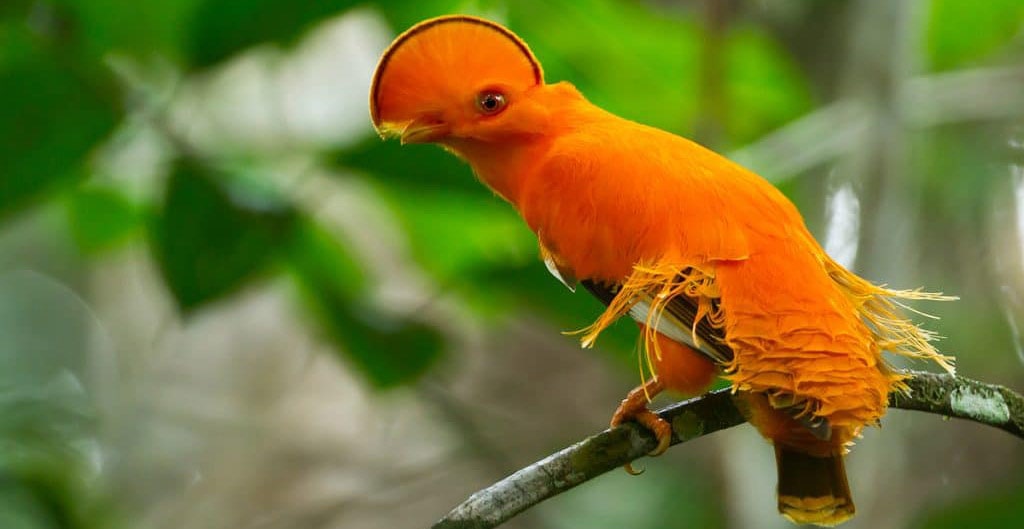
Andean Cock-of-the-Rock (Rupicola peruvianus) Birds of Machu Picchu

Famous for its bold orange-red plumage and dramatic mating dances, this national bird of Peru is most visible in the

cloud forests near Machu Picchu during breeding season.

Andean Condor (Vultur gryphus)

One of the largest flying birds in the world, the Andean condor glides gracefully above the Sacred Valley. With a

wingspan of over 3 meters, it’s a breathtaking sight against the Andean backdrop.

 Masked Fruiteater (Pipreola frontalis)

This fruit-loving bird features a vivid green body, black face, and crimson throat. It’s often found feeding in dense

forest canopies near the Inca Trail.

 Gould’s Inca (Coeligena gouldi) Birds of Machu Picchu

An endemic hummingbird species, Gould’s Inca dazzles with shimmering, iridescent feathers. Look for it around

flowering plants near the Urubamba River and local gardens.

Torrent Duck (Merganetta armata)

Perfectly adapted to fast-moving streams, this unique duck can be spotted riding the rapids of the Vilcanota River.

Its red bill and bold patterns make it a striking sight.

Recommended Reading for Bird Enthusiasts

Want to take your birdwatching to the next level? Grab a copy of the Field Guide to the Birds of Machu Picchu and

the Cusco Region, Peru by Barry Walker. With nearly 500 species documented, it’s a compact yet essential guide for

identifying birds in the Andes and beyond.

Plan Your Birdwatching Adventure

Whether you’re hiking the legendary Inca Trail or enjoying a relaxed stroll around the Machu Picchu Sanctuary

Lodge, this ancient site offers unforgettable opportunities to witness some of the most spectacular birdlife in South America.

Cultural Tours

Peruvian Cultural & Birdwatching Tours: Discover the Soul of Peru

 Peruvian Cultural Tours  & Birdwatching Tours | Heritage & Nature Adventures

Meta Description: Explore Peru like never before Discover ancient Incan wonders, vibrant traditions, indigenous

communities, and rare Amazonian bird species on our immersive cultural and ornithological tours.

Experience the Heart of Peru Through Culture and Nature

Unveil the soul of Peru with our immersive Peruvian Cultural Tours and Amazonia Birdwatching Adventures.

Whether you’re a culture lover, a passionate birder, or an eco-conscious traveler, these experiences offer

unforgettable journeys through Peru’s history, heritage, and natural splendor.

 Peruvian Cultural Tours: A Journey Through Time and Tradition

Delve deep into Peru’s cultural heritage through expertly curated experiences designed to connect you with the

country’s authentic roots.

Tour Highlights:Cultural Tours

Ancient Wonders:

Visit iconic sites like Machu Picchu, the Nazca Lines, and Cusco’s colonial heart. Learn about the powerful Inca

civilization and its enduring legacy.

Indigenous Encounters:
Meet indigenous communities in the Andes and Amazon. Share stories, witness ancient traditions, and support local

artisans and farmers.

Culinary Journeys:
Dive into Peru’s world-famous gastronomy. Enjoy traditional cooking classes, vibrant market tours, and authentic

meals that celebrate local ingredients.

Cultural Festivals:

Join in colorful festivals filled with music, dance, and ritual. Experience Peru’s identity come alive during its most

lively and symbolic celebrations.

Artisan Workshops:
Learn ancient techniques in pottery, textiles, and more. Create your own craft under the guidance of skilled Peruvian

artisans.

 Legends & Folktales:

Discover the myths and oral stories that have shaped Peru’s culture for generations, revealing a mystical side to this

storied land.

Sustainable Travel:

Travel with purpose. Our tours are designed with sustainability in mind—respecting the environment and

empowering local communities.

Amazonia Peru Bird Tour: A Symphony of Avian Wonders

For nature lovers and birdwatchers, the Amazonia Peru Bird Tour offers an unmatched opportunity to explore one of

the world’s richest biodiversity hotspots.

Why This Tour is Unique:

 Birdwatching Paradise:
Spot hundreds of bird species, from vibrant macaws and toucans to elusive harpy eagles and hummingbirds, in their natural Amazonian habitats.

Beyond Birding:
Experience a deeper connection with nature. Learn about the interplay between birds, ecosystems, and local

cultures, including how traditions and livelihoods intertwine with the region’s biodiversity.

Cultural & Natural Synergy:

Ornithological tourism here includes more than just bird sightings. Understand how forests, folklore, agriculture,

and human presence shape the world of Peru’s birds.

Conservation Matters:

Our bird tours prioritize eco-conscious travel, ensuring the preservation of fragile habitats while contributing to

rural development and local economies.

Why Choose Our Tours?

Whether you’re marveling at ancient ruins or listening to birdsong in the Amazon canopy, our tours offer more than

just sightseeing—they’re about connection, understanding, and lasting impact.

  • Authentic, immersive experiences
    Expert local guides and naturalists
    Small groups for personalized attention
    Commitment to responsible tourism

Book Your Cultural or Birding Tour of Peru Today!

Discover the real Peru—a land where nature and culture coexist in breathtaking harmony. Choose from cultural

expeditions, birdwatching escapes, or combine both for the ultimate adventure.

From the Andes to the Amazon, your Peruvian journey awaits.

Cultural Tours

Peruvian Cultural Tours: Unveiling the Rich Heritage”

Description: Embark on a captivating journey that delves into the heart of Peru’s rich cultural tapestry through our

thoughtfully curated “Peruvian Cultural Tours.” These tours offer a profound exploration of the country’s captivating

history, traditions, and diverse communities, providing an immersive experience that goes beyond the surface.

Key Highlights:

Historical Sites: Discover the ancient wonders of Peru, from the mystical ruins of Machu Picchu and the

enigmatic Nazca Lines to the grandeur of Cusco’s colonial architecture. Uncover the secrets of the Inca Empire and

their profound influence on the region.

Indigenous Communities: Immerse yourself in the traditions and daily lives of indigenous communities that

have preserved their heritage for generations. Engage with local artisans, farmers, and storytellers, gaining a

firsthand understanding of their way of life.

Culinary Exploration: Indulge in Peru’s diverse culinary scene, renowned for its fusion of indigenous ingredients

and international influences. Enjoy cooking classes, market visits, and traditional meals that offer a tantalizing taste

of Peruvian flavors.

Cultural Festivals:

Participate in vibrant festivals and celebrations that showcase the country’s dynamic cultural expressions. From

colorful parades to lively music and dance performances, these festivities offer a window into Peruvian identity and pride.

Arts and Crafts: Engage with local artists and craftsmen, learning about traditional techniques used in pottery,

textiles, and other artisanal crafts. Create your own unique piece under the guidance of skilled artisans.

Local Legends and Stories: Listen to captivating narratives and folktales that have been passed down through

generations. Learn about the significance of myths and legends in shaping Peruvian culture and beliefs.

Sustainable Travel:Cultural Tours  Our tours prioritize responsible and sustainable tourism, fostering positive

interactions between travelers and local communities while minimizing environmental impact.

Join us on our “Peruvian Cultural Tours” and unlock the captivating stories, traditions, and hidden treasures that

define this remarkable country. From the Andes to the Amazon, from bustling cities to remote villages,

Cultural Tours

Ornithological tourism represents a new stage –

in the strategy that the Peruvian Ornithological Society has been developing in its work related to this nature tourism

in Peru Birds. An ecotourism modality with a fundamental component, but we understand that it should not be

unique, such as birds and their habitats, and that should basically consider their observation and enjoyment, but also

the knowledge and interpretation of their interrelations with the environment, with the human being and with the

use that he makes of the natural and cultural resources in the Peru Birds.

In this sense, in addition to agriculture or livestock, forestry or fishing, other elements of interest and other

components of that cultural, natural and human environment, of which birds are a part of the world, can not be

ignored. Thus, its history, architecture, folklore and traditions, gastronomy, culture or crafts … are related in one way

or another to the presence of birds in a particular landscape, and must therefore also be contemplated in that offer of

ornithological tourism that AMAZON BIRDS defends in Peru.

But special attention must also be paid to the risks and threats that this tourist modality may pose for the

conservation of the resource it intends to take advantage of, a resource alive and fragile as our birds are in Peru. And

this concern must be reflected in tourism approaches that respect the resource and the environment, and are

sustainable over time. Just so These tourism initiatives may also contribute to rural development as a complement to other more or less traditional and cultural economic activities in Peru.


Birds Machu Picchu Travel

Birds of Machu Picchu Travel: A Birdwatcher’s Paradise in the Andes

Birds Machu Picchu Travel : Discover the incredible bird species of Machu Picchu with our expert birdwatching guide. From majestic Andean Condors to elusive cloud forest birds, explore habitats, birding tips, and conservation insights. Perfect for travelers, photographers, and ornithologists!

Explore Birds of Machu Picchu with Expert Travel Insights

Welcome to Birds of Machu Picchu Travel, your ultimate guide to the fascinating avian life that thrives in one of Peru’s most breathtaking regions. Whether you’re a seasoned birder, an eco-tourist, or simply captivated by wildlife, this guide will help you uncover the feathered wonders of the Machu Picchu Historic Sanctuary.

Why Birdwatching in Machu Picchu is Unique

Machu Picchu isn’t just a world wonder—it’s also a biodiversity hotspot. The combination of Andean highlands, cloud forests, and subtropical valleys makes this UNESCO World Heritage Site a haven for hundreds of bird species, including rare and endemic varieties.

Highlights of Birds Machu Picchu Travel:

Spot unique species only found in the Andes.

Explore diverse habitats, from montane forests to open ridgelines.

Learn about native bird behavior, feeding, and nesting.

Get practical birdwatching tips for your Peru adventure.

Discover how eco-tourism supports bird conservation in Machu Picchu.

Unique Bird Species of Birds Machu Picchu Travel

American Vultures – Cathartidae Family

These large scavengers are crucial to the ecosystem, cleaning up carrion and maintaining nature’s balance.
1. Turkey Vulture (Cathartes aura)

Size: 75 cm; Wingspan: 180 cm

Appearance: Reddish bare head, brownish-black body, two-toned underwings

Behavior: Glides gracefully with V-shaped wings, often seen soaring solo

Habitat: Prefers open country and lowlands, but occasionally wanders up to 4000 meters into Machu Picchu

Unique Trait: One of the few vultures that can locate prey by smell

2. Andean Condor (Vultur gryphus) Birds Machu Picchu Travel

Size: 120 cm; Wingspan: 300 cm

Weight: Up to 11 kg

Appearance: Black with white collar and wing patches; males have a wattle and comb

Behavior: Soars high above mountainsides and valleys; often seen near carcasses in remote areas

Sightings: Commonly spotted along the Inca Trail and sometimes even from the Machu Picchu ruins

Birds of Prey: Falcons – Falconidae Family

Stay tuned for the next section of our species accounts, where we’ll dive into the world of falcons in the Machu Picchu region—fast, fierce, and fascinating.

Conservation and Eco-Tourism in Machu Picchu

Birds in the Machu Picchu area face challenges due to habitat loss and climate change. However, sustainable travel and birding tourism help protect these ecosystems. When you travel responsibly, you support local guides, conservation projects, and the preservation of endangered species.

Birdwatching Tips for Machu Picchu Travelers

Best Time to Visit: April to October (dry season) for optimal visibility

Top Birding Spots: Inca Trail, Aguas Calientes forest, Llactapata viewpoint

Equipment to Bring: Binoculars, field guide, rain gear, and a camera

Pro Tip: Go with a certified birding guide to increase your chances of rare sightings

Dive Deeper: Birds of Machu Picchu Species Accounts – Part 3

Join us on a journey through the full birding guide series. In Part 3, we explore more species profiles, including falcons, tanagers, and hummingbirds native to Machu Picchu.


  • Birds Machu Picchu
  • Machu Picchu birdwatching
  • Bird species in Machu Picchu
  • Peru birding tours
  • Andean Condor sightings
  • Birding in the Andes
  • Eco-tourism Machu Picchu
  • Birding tips Peru

Birding Machu Picchu Species

Birding in Machu Picchu: A Paradise for Birdwatchers and Nature Enthusiasts

Birding Machu Picchu Species  : is known worldwide for its awe-inspiring Inca ruins, but there’s an equally

captivating side to this UNESCO World Heritage site that few travelers fully explore: its thriving birdlife. If you’re a

birdwatching enthusiast, this destination promises a one-of-a-kind experience where ancient history meets the natural world in perfect harmony.

With a rich ecosystem surrounding the ruins, Machu Picchu is an essential stop for any birder seeking both

adventure and unforgettable views.

The Hidden Birding Treasures of  Birding Machu Picchu Species

As you wander through the mist-shrouded paths and ancient stone terraces of Machu Picchu, keep an eye out for a

variety of unique bird species that call this cloud forest home. One of the best areas to spot wildlife is the area

surrounding the ruins, where the habitat is perfect for observing endemic species like the Inca Wren and the elusive

Parodi’s Hemispingus.

Birders who are lucky enough to hike along the railway near Aguas Calientes might catch their first sighting of the

iconic Andean Cock-of-the-Rock, a bright orange and black bird with an unmistakable crest.

The Urubamba River below the ruins is a hotspot for waterfowl. Torrent Ducks are often seen navigating

the river’s rapids, adding a unique touch to your birding experience. At the ruins themselves, you can also spot

various flycatchers, including the Streak-throated Bush-Tyrant and the White-winged Black-Tyrant, who flit through

the trees and make for great sightings.

Explore the Rich Biodiversity of the Machu Picchu Sanctuary

What makes the Machu Picchu area so extraordinary isn’t just its impressive ruins—it’s the vast biodiversity that

flourishes across its lush landscapes. Encompassing 352,590 hectares of cloud forest and mountain terrain, this

region is home to a staggering 406 bird species, with many more yet to be discovered.

This biodiversity is fueled by the unique geography of the area, including a range of altitudes, diverse microclimates,

and the constant moisture from the nearby Amazon Basin.

A birding tour in Machu Picchu offers an unparalleled chance to witness this wealth of avian life up close. Whether

you’re an experienced birder or a beginner, the variety of species you’ll encounter—ranging from hummingbirds to

raptors—will surely make your adventure unforgettable.

Birdwatching Highlights Near  Birding Machu Picchu Species

The Sun Gate: This iconic location offers spectacular views and a prime birdwatching opportunity. As you ascend

toward the Intipunku (Sun Gate), watch for the Inca Wren and Brush-finches, both of which thrive in the area’s dense vegetation.
Aguas Calientes Area: This humid montane forest located at 5,578 feet in elevation is a birding hotspot. Spend a

morning exploring its trails to encounter some of the area’s more elusive species in their natural habitat.

The Urubamba River: Look out for Torrent Ducks and a variety of other waterfowl along this fast-moving river that winds around the base of the ruins.

More Than Just Birds: Machu Picchu’s Diverse Ecosystem

Machu Picchu is more than just a treasure trove of bird species. The sanctuary boasts a rich variety of wildlife,

including over 700 butterfly species and 400 orchid species.

Together, these account for 10% of Peru’s total biodiversity, making the region one of the most biologically diverse on the planet.

The combination of lush cloud forests, misty mountains, and year-round humidity creates the ideal conditions for

thriving ecosystems.

This unique environment provides an unforgettable backdrop for birders and nature lovers alike.

Plan Your Birding Adventure in  Birding Machu Picchu Species

For those who seek an adventure filled with natural beauty and vibrant wildlife, birding in Machu Picchu is the perfect escape. Here’s a quick look at what you can expect from a typical 2-day, 1-night birding tour:

Group Size: Up to 8 people, ensuring a more personalized experience.

Travel Style: Adventure and nature-focused, perfect for those who want to immerse themselves in the outdoors.

Difficulty: Easy, with accessible trails and plenty of opportunities for rest.

Availability: Tours are available year-round, so you can book your trip at your convenience.

Why You Shouldn’t Miss Birding in Machu Picchu

Machu Picchu is a birding destination like no other. Whether you’re a seasoned birder or just beginning to discover

the wonders of birdwatching, the Inca Trail, the surrounding cloud forests, and the historic ruins are sure to

captivate your senses. With over 400 species of birds to spot, including several endemic species, a birding tour in this

magical place offers an unparalleled adventure.

Book your birding tour now and prepare to experience the beauty of Machu Picchu through the lens of nature’s finest

feathered creatures!

Birds Tropical Machu Picchu

Explore the Best of Peru: Machu Picchu & a Birding & Cultural Photography Tour

Birds Tropical Machu Picchu, one of the New Seven Wonders of the World, is a bucket-list destination for travelers seeking to immerse themselves in the rich history, culture, and natural beauty of Peru. Nestled high in the Andes, this ancient Incan citadel offers not just awe-inspiring archaeological marvels, but also stunning landscapes that will leave you speechless. For bird watchers, photographers, and culture enthusiasts, there’s no better way to make your visit even more unforgettable than with our Birding & Cultural Photography Tour Extension.

Why Choose a Birding & Cultural Photography Tour in Peru?Birds Tropical Machu Picchu

Peru is a land of vibrant ecosystems and unparalleled biodiversity, making it a top choice for birding enthusiasts. With over 1,800 bird species recorded in the country, including iconic species like the Andean condor, vibrant quetzals, and elusive hummingbirds, bird watchers will find plenty to explore in the diverse habitats surrounding Cusco and Machu Picchu.

This Birding & Cultural Photography Tour is the perfect way to enhance your Machu Picchu journey. Whether you’re looking to immerse yourself in the stunning Andean landscapes, capture intricate details of ancient Incan architecture, or photograph Peru’s colorful birdlife, this extension provides everything you need to create lasting memories and stunning photos.

Tour Highlights: A Perfect Blend of Nature, History, and Culture Birds Tropical Machu Picchu ,

Explore the Cultural Heart of Cusco: Begin your journey in Cusco, a UNESCO World Heritage city brimming with history and cultural treasures. As you wander through its cobblestone streets, you’ll discover ancient Incan ruins, colonial architecture, and vibrant markets. Don’t miss a chance to photograph the beautiful local textiles, colorful plazas, and the incredible mix of Incan and Spanish influences.

Birdwatching in the Sacred Valley: The Sacred Valley is an ecological paradise and an excellent birding hotspot. You’ll have the chance to spot rare species in diverse environments, from high-altitude Andean ecosystems to lush valleys filled with colorful birds. Our expert guides will ensure you get the best views of the region’s rarest species, including the endemic Cusco parrot.

Machu Picchu’s Breathtaking Beauty: A visit to Machu Picchu is an absolute must for anyone visiting Peru. This ancient Incan city perched high in the Andes is an engineering marvel. Capture stunning panoramic photos as you explore the complex, from the towering peaks of the Andes to the intricate stone terraces. Don’t forget to snap photos of the abundant wildlife, including rare birds that nest in the surrounding cloud forests.

Photography Opportunities at Every Turn:

Whether you’re an amateur photographer or a seasoned pro, the Birding & Cultural Photography Tour Extension offers endless opportunities for stunning shots. From the mist-covered peaks of Machu Picchu to the vibrant birdlife in the Sacred Valley, every moment will inspire your creative eye.

Authentic Peruvian Cuisine: No visit to Peru would be complete without savoring its world-renowned cuisine. Throughout the tour, you’ll have the opportunity to sample traditional dishes like ceviche, roasted guinea pig, and hearty Andean stews. Food lovers will also appreciate the chance to capture the vibrant colors and intricate presentation of local delicacies.

A Seamless Experience: Flexible Scheduling for Maximum Enjoyment

Our Birding & Cultural Photography Tour Extension can be added to your Machu Picchu itinerary, either before or after your main tour, depending on your schedule. If you’re coming from the Manu Birding Tour, this extension is a perfect way to continue your exploration of Peru’s breathtaking landscapes. Whether you’re seeking the thrill of a birding adventure or the beauty of cultural immersion, this extension will take your Machu Picchu visit to the next level.

Why You Shouldn’t Miss This Tour

If you’re a bird watcher, photographer, or cultural enthusiast, the Birding & Cultural Photography Tour will provide you with unforgettable experiences that go beyond the typical tourist trail. Capture the essence of Peru’s biodiversity, immerse yourself in the country’s ancient culture, and create memories that will last a lifetime.

Book your tour today and embark on the adventure of a lifetime, exploring Peru’s most iconic sites while discovering the wonders of its incredible wildlife and captivating history.


Machu Picchu Paradise Birds

Birdwatching in Machu Picchu: A Hidden Paradise fstsor Avian Enthusia

  Machu Picchu Paradise Birds  :is not only one of the most iconic archaeological sites in the world—it’s also a birdwatcher’s paradise. Nestled high in the Peruvian Andes and surrounded by lush cloud forest, the Machu Picchu Historic Sanctuary is home to an incredible diversity of bird species, making it a must-visit destination for birdwatchers from around the globe.

A Biodiversity Hotspot in the Andes  Machu Picchu Paradise Birds

Thanks to its unique location between the Andean highlands and the Amazon Basin, the Machu Picchu region hosts a

rich mosaic of ecosystems. This biodiversity hotspot supports over 400 species of birds, many of which are either

endemic, rare, or threatened. The sanctuary’s altitudinal range—from 2,000 to 4,000 meters above sea level—creates

varied habitats that attract a wide variety of birds, from hummingbirds and tanagers to raptors and elusive ground-dwellers.

Iconic Birds of Machu Picchu

Some of the most sought-after birds in the region include:

Andean Cock-of-the-Rock (Rupicola peruvianus)
This striking bird, with its bright orange plumage and unique head crest, is Peru’s national bird and a favorite among

birdwatchers. It can often be seen displaying at dawn in lekking sites near the sanctuary.

Giant Hummingbird (Patagona gigas)
As the largest hummingbird in the world, this species impresses with its slow, powerful wingbeats. It is commonly

seen feeding on tubular flowers along the trails near Machu Picchu.

Andean Condor (Vultur gryphus)
A symbol of the Andes, the majestic Andean condor is one of the largest flying birds in the world. Though sightings

are rare, lucky visitors may see them soaring over the nearby mountains.

Masked Fruiteater, Inca Wren, and Ocellated Piculet
These are just a few of the endemic species that birders hope to glimpse in the region’s cloud forests.

Best Birdwatching Spots in the Machu Picchu Area

Aguas Calientes (Machu Picchu Pueblo)

The lush forest surrounding the town is rich in birdlife and accessible via the Putucusi Trail and the Mandor Valley—

both great for early morning birdwatching.

Inca Trail to Machu Picchu
This famous trek passes through multiple ecological zones, offering birders the chance to observe a variety of species

en route, including several types of tanagers, toucanets, and mountain-tanagers.

Phuyupatamarca and Wiñay Wayna

These lesser-known sites along the trail are excellent for spotting hummingbirds, flycatchers, and mixed-species

flocks in cloud forest habitats.

When to Go Birdwatching in Machu Picchu

The best time for birdwatching in Machu Picchu is during the dry season, from April to October, when visibility is

better and trails are less muddy. However, bird activity can be rewarding year-round, especially in the early morning

hours when birds are most active.

Tips for Birdwatchers  Machu Picchu Paradise Birds

  • Bring binoculars and a field guide specific to Andean or Peruvian birds.
  • Use quiet movements and wear neutral colors to avoid startling the birds.
  • Consider hiring a local birding guide to help you spot elusive species and navigate the best birding trails.
  • Download a bird ID app like Merlin for real-time identification and bird call recognition.

Birds North of Peru

Birds North of Peru

Top 10  Birds North of Peru Peru Birding Route

The Northern Peru Birding Route is one of the most biodiverse birding destinations in the world, boasting a remarkable 1,500+ bird species. This route spans the Pacific coast, the Andes, and the Amazon lowlands, making it a prime location for birdwatching enthusiasts. It is also home to a high number of endemic and rare species, making it an unmissable destination for avian lovers and nature photographers alike. Trips manu 

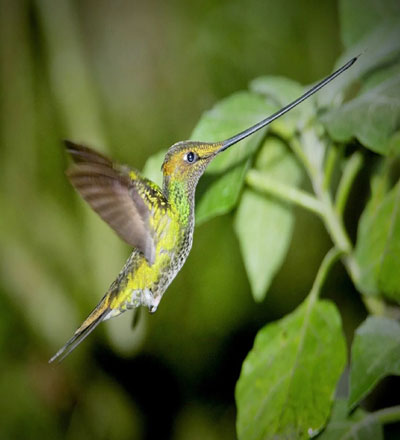
Marvelous Spatuletail (Loddigesia mirabilis)

The Marvelous Spatuletail (Loddigesia mirabilis) is one of Peru’s most extraordinary endemic birds and a true highlight for birdwatchers visiting northern Peru. This endangered hummingbird has an extremely restricted range in the Andean cloud forests of the Utcubamba River Valley, where it inhabits humid montane forest and surrounding vegetation.

Renowned as one of the world’s most remarkable hummingbirds, the Marvelous Spatuletail is particularly famous for the extraordinary tail of the adult male. It has just four tail feathers, including two elongated outer feathers ending in distinctive, spatula-shaped tips. The male can move these remarkable feathers independently, creating an unmistakable display during courtship. Northern Peru

For birders traveling the Northern Peru Birding Route, searching for the Marvelous Spatuletail is often a major highlight. Its highly localized distribution makes northern Peru one of the most important destinations for observing this iconic Peruvian endemic in its natural habitat.

The species’ restricted range and conservation status also make responsible birdwatching especially important. Visiting with knowledgeable local guides and supporting conservation-focused initiatives can help protect the fragile cloud-forest ecosystems on which the Marvelous Spatuletail depends. Tambopata  Tours 

Birds North of Peru

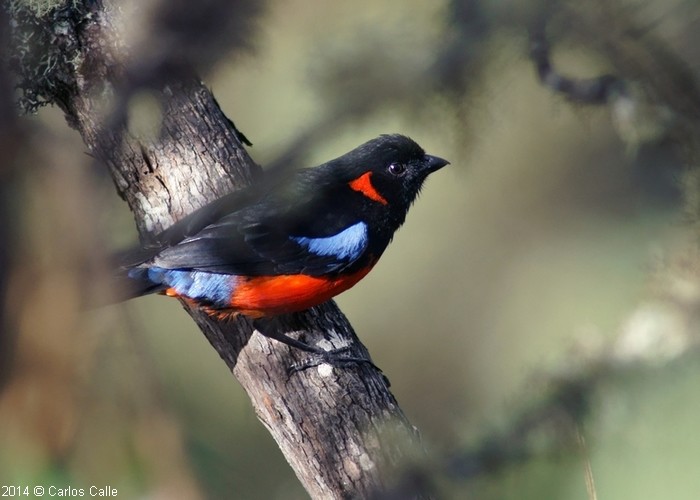
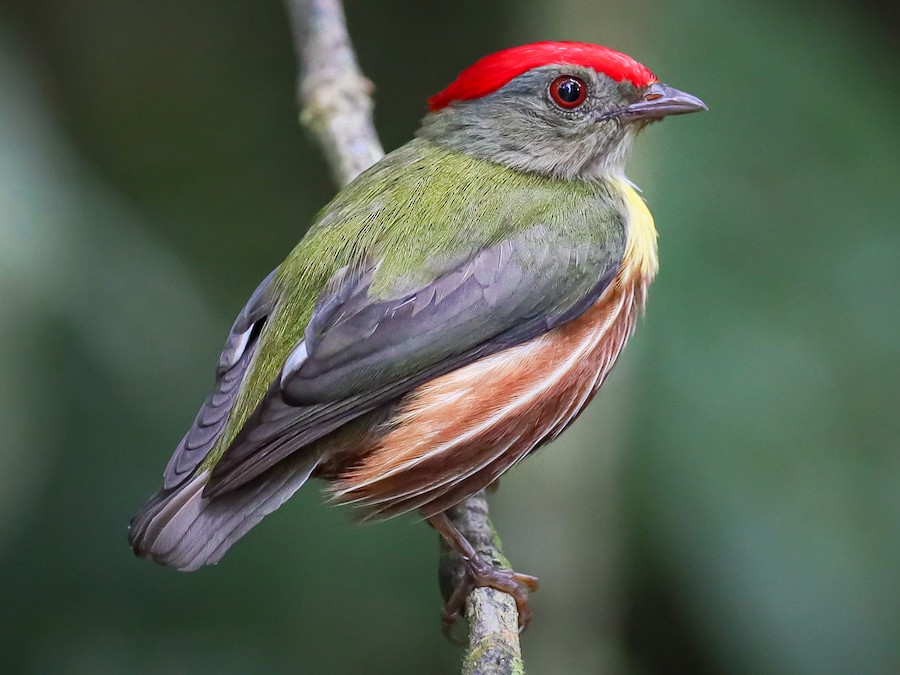
  1. Scarlet-banded Barbet – Striking, vulnerable bird of northern Peru.
    See: Cordillera Azul
  2. Marvelous Spatuletail – Endemic hummingbird famous for its racket-shaped tail.
    See: Pomacochas, Utcubamba Valley
  3. Long-whiskered Owlet – Tiny, rare owl with long facial whiskers.
    See: Abra Patricia, Alto Mayo
  4. Pale-billed Antpitta – Endemic bird with an ivory bill and red eyes.
    See: Pomacochas Lake
  5. Rusty-tinged Antpitta – Elusive endemic of humid mountain forests.
    See: Abra Patricia, Alto Mayo
  6. Ochre-fronted Antpitta – Secretive, vulnerable bird of cloud forests.
    See: Abra Patricia, Alto Mayo
  7. Johnson’s Tody-Flycatcher – Colorful, endangered bird of northern Peru.
    See: Near Abra Patricia
  8. Painted Manakin – Recently described bird of lowland sandy forests.
    See: Morro de Calzada
  9. Yellow-scarfed Tanager – High-altitude tanager often seen in mixed flocks.
    See: Abra Patricia
  10. Black-bellied Tanager – Peruvian endemic found near the Huallaga and Mayo Rivers.
    See: Tarapoto, Moyobamba, Alto Mayo

Bonus Birds  .

  • Golden-backed Mountain Tanager – Rare high-altitude tanager.
    See: Unchog Forest, Huánuco
  • Cordillera Azul Antbird – Peruvian endemic discovered in 2016.
    See: Cordillera Azul

Why Choose the Northern Peru Birding Route?

Over 1,500 species, including highly sought-after endemics

Diverse habitats from coast to Amazon peru

Expert-guided tours for optimal birdwatching experiences

Incredible opportunities for nature photography

Don’t miss the chance to explore one of the world’s most spectacular birding destinations.

Book a tour and discover Peru’s rarest and most stunning bird species

Bird Watching in Machupicchu

Bird Watching in Machu Picchu: A Guide to Hummingbirds

  Bird Watching in Machupicchu is not only a world-famous archaeological wonder but also a paradise for bird watchers. The lush cloud forests surrounding the ancient ruins are home to an incredible variety of hummingbirds, each with unique characteristics and behaviors. Here’s a guide to some of the most remarkable hummingbird species you can spot in and around Machu Picchu.

Hummingbirds of Machu Picchu

1. Green Hermit (Phaethornis guy) Bird Watching in Machupicchu.

  • Size: 13 cm, bill 4 cm (long, curved) peru bird
  • Appearance: Dark bronzy green with a bluish rump, black mask framed by a rusty supercilium
  • Habitat: Humid pre-montane forests, secondary growth, and overgrown gardens
  • Behavior: Feeds on nectar by “trap-lining” flowers, also takes spiders from webs
  • Call: Loud ‘tsweep’; lek song is a nasal ‘heweet…heweet…’
  • Best Spotting Locations: Mandor Valley, below 2200m .Amazing birding Peru 

2. Buff-tailed Sicklebill (Eutoxeres condamini) Bird Watching in Machupicchu .

  • Size: 16 cm, bill 2.7 cm (exceptionally curved)
  • Appearance: Dark bronzy above, cinnamon-buff underparts with black streaking
  • Habitat: Humid pre-montane forests, forest edges, and Heliconia thickets
  • Behavior: Retiring and hard to spot; feeds on nectar and small insects
  • Nesting: Uses spider webs to attach the nest to leaves
  • Best Spotting Locations: Below 2500m, occasionally up to 3300m – peru bird
  • Abra Malaga birding 

3. Green Violetear (Colibri thalassinus) Bird Watching in Machupicchu.

  • Size: 11 cm, bill 1.8 cm (slightly curved)
  • Appearance: Blue-green with a metallic sheen, blue central belly, and purple ear feathers
  • Habitat: Open shrubby mountain slopes, pastures, forest edges
  • Behavior: Aggressive, with a distinct undulating display flight
  • Best Spotting Locations: Inca Trail between Intipunku and Machu Picchu ruins (1500–3000m) -andean peru bird

4. Sparkling Violetear (Colibri coruscans) Bird Watching in Machupicchu .

  • Size: 14 cm, bill 2.5 cm (slightly curved)
  • Appearance: Blue-green with metallic sheen, blue belly, elongated ear plumes
  • Habitat: Dry open areas, gardens, secondary growth, eucalyptus stands
  • Behavior: Highly territorial, aggressive towards other hummingbirds
  • Best Spotting Locations: Wayllabamba along the Inca Trail (2000–4000m) traditional  peru bird

5. Green-and-White Hummingbird (Leucippus viridicauda) (Peruvian Endemic)

  • Size: 11 cm, bill 2.7 cm (almost straight) peru bird
  • Appearance: Brilliant bronzy-green upperparts, white underparts
  • Habitat: Humid forest edges, secondary growth, gardens
  • Behavior: Feeds on nectar, hawks for small insects
  • Best Spotting Locations: Along the Urubamba River, El Pueblo Hotel gardens (1200–2500m)

6. White-bellied Hummingbird (Leucippus chionogaster) Bird Watching in Machupicchu.

  • Size: 11 cm, bill 2.5 cm (almost straight)
  • Appearance: Similar to Green-and-White Hummingbird but with white inner tail webs
  • Habitat: Bushy ravines, stream-sides, eucalyptus groves
  • Behavior: Prefers drier habitats than its close relative
  • Best Spotting Locations: Cusichaca Valley, Inca Trail (1000–2800m) andean birding peru

7. Speckled Hummingbird (Adelomyia melanogenys)

  • Size: 10 cm, bill 1.4 cm (short, straight)
  • Appearance: Dark bronzy above, whitish-buff below with speckles
  • Habitat: Humid pre-montane forests, watercourse edges
  • Behavior: Often seen foraging alone in the under-story
  • Best Spotting Locations: Urubamba River at Machu Picchu (1200–2800m)

8. Giant Hummingbird (Patagona gigas)

  • Size: 23 cm, bill 3.5 cm (straight, thick)
  • Appearance: Largest hummingbird in the world, with long, narrow wings
  • Habitat: Open arid slopes, cactus-filled valleys, and gardens
  • Behavior: Erratic wingbeats, often hovers like a swallow
  • Best Spotting Locations: Llactapata ruins (2500–4000m)

Bird Watching Tips for Machu Picchu

  • Best Time: Early morning or late afternoon
  • Equipment: Binoculars (8×42 recommended), camera with a zoom lens
  • Recommended Trails: Inca Trail, Mandor Valley, Urubamba River banks
  • What to Look For: Flashing iridescent feathers, hovering behavior, distinct calls
  • Jungle trips amazon 


About Machupicchu Bird Tour

About Machupicchu Bird Tour.

About Machupicchu Bird Tour: A Guide to Pigeons, Doves, Swifts, and Parrots

Machu Picchu is renowned not only for its ancient Incan ruins but also as a hotspot for birdwatching. Home to

various bird species, including pigeons, doves, swifts, and parrots, the region offers a unique opportunity for bird

enthusiasts.

This guide highlights the diverse bird families you may encounter during your Machu Picchu trip.

Bird Families: Pigeons and Doves at Machu Picchu

Pigeons and doves are widespread, ranging from small sparrow-sized birds to large species. These birds can be found

in various habitats, from woodlands to scrublands, and are known for their fast flight.Machu Picchu

The head is small, and the bill is weak, often producing a cooing call useful for identification.

Birds of Machu Picchu

Pigeons and Doves

Spot-winged Pigeon – 32 cm. Blue-gray with a white wing band. Found in open woodland and around Llactapata.
Feral Pigeon – 32 cm. Usually gray with black wing bars. Common around towns and settlements.
Plumbeous Pigeon – 33 cm. Dark brown with a purplish sheen. Found in humid forests.
Eared Dove – 23–28 cm. Brown with dark markings. Often seen in groups along the Inca Trail.

Swifts

Chestnut-collared Swift – 15 cm. Dark brown with a chestnut throat. Uncommon around Machu Picchu.
White-collared Swift – 20 cm. Large black swift with a white collar. Common in the area.
White-tipped Swift – 13 cm. Dark with white wing and tail tips. Common near Huayna Picchu.

Parrots and Parakeets

Scarlet-fronted Parakeet – 32 cm. Green with a red forehead. Often seen in flocks.
Mitred Parakeet – 38 cm. Bright green with red on the head. Found in montane forests.
Golden-plumed Parakeet – 34 cm. Colorful orange and yellow markings. Lives in high-elevation forests.
Barred Parakeet – 17 cm. Green with black barring. Often found near bamboo.
Andean Parakeet – 16 cm. Pale green and found in high-altitude scrub.

Owls and Night Birds

Barn Owl – 38 cm. Nocturnal and hunts small rodents.
Tropical Screech Owl – 23 cm. Small owl with yellow eyes, found in woodland.
Magellanic Horned Owl – 48–56 cm. Large owl of higher elevations.
Yungas Pygmy-Owl – 16 cm. Tiny forest owl that hunts insects and small birds.
Oilbird – 48 cm. Nocturnal fruit-eater found in humid forests.
Swallow-tailed Nightjar – 22 cm. Recognizable by its long, forked tail.
Rufous-bellied Nighthawk – 25 cm. Nocturnal bird that feeds on insects above the forest.

Birdwatching Tips

The best times to see birds are early morning and late afternoon. Look around montane forests, forest edges, river valleys, and open areas. A local birding guide can also help identify difficult species.

Birds of Peru 10 Fascinating Must See & Endemic Species

Birds of Peru 10 Fascinating Must See & Endemic Species

Birds of Peru 10 Fascinating Must See & Endemic Species:  The Ultimate Field Guide to Avian Wonders

Discover the breathtaking diversity of Amazon birds in Peru through our comprehensive field guide. This guide is your gateway to the vibrant world of Peru’s avian life, where colorful plumage, enchanting calls, and fascinating species fill the skies. From the majestic Harpy Eagle to the playful parrots, our guide will lead you through the awe-inspiring birds of Peru. Whether you are an experienced birder or a curious nature lover, this resource is your key to exploring one of the richest birdwatching destinations in the world.  exploring peru bird

Foreword: Exploring Birds of Manu National Park Bird in Peruvian Amazon .

First published in 1961 by renowned ornithologist John P. O’Neill, the Amazon Birds of Peru – Field Guide was the result of years of fieldwork in remote regions of Peru. At that time, Peru was home to only 1,542 bird species. Today, this number exceeds 1,800 species, making Peru the undisputed avian hotspot with the most diverse birdlife on the planet. amazonia peru bird

This volume includes over 300 color plates showcasing the birds of Peru, with detailed descriptions, distribution maps, and vocalization information for almost all known species by 2004.

Introduction: The Avian Riches – Birds of Peru 10 Fascinating Must See & Endemic Species .

With 1,800 bird species, Peru ranks as one of the world’s most biodiverse countries. This field guide covers all bird species recorded in Peru, including those in offshore waters within 200 nautical miles of the coast. Whether you’re birdwatching in the Amazon rainforest or along Peru’s coastal shores, this guide is designed to help you identify and understand Peru’s incredible birdlife.

We’ve focused on providing only the most essential information to aid in field identification, keeping the guide both practical and informative for birdwatchers of all levels. rainforest peru bird

How to Use This Birds of Peru 10 Fascinating Must See & Endemic Species .

Each species account in this guide includes:

  • Color Illustrations: To help you identify birds in the field.
  • Species Information: Scientific names, physical descriptions, and vocalization details.
  • Distribution Maps: For understanding the geographic range of each species across Peru.
  • Elevational Range & Habitat: Where to find each species, from lowland rainforests to high-altitude Andean regions.

For species with significant geographic variation or multiple subspecies, we highlight those distinctions to aid in field identification.

Birds of Peru 10 Fascinating Must See & Endemic Species .

Manu National Park is one of Peru’s best destinations for birdwatching. Its dramatic range from the Andes to the Amazon creates habitats for more than 1,000 bird species.

From colorful macaws and hummingbirds to quetzals and the famous Andean Cock-of-the-Rock, Manu offers incredible birdwatching opportunities at almost every elevation. Peru birding .

Here are 10 birds worth looking for during your visit.

1. Birds of Peru 10 Fascinating Must See & Endemic Species: Andean Cock-of-the-Rock .

Scientific name: Rupicola peruvianus
Best habitat: Cloud and montane forest

Peru’s national bird, the Andean Cock-of-the-Rock, is one of Manu’s most famous species. Males have brilliant orange-red plumage and a large rounded crest.

They gather at traditional display sites called leks, where males compete for females. The cloud forests along the Manu Road are particularly good places to look.

Birding tip: Visit early and use binoculars to watch from a respectful distance.

2. Many-spotted Hummingbird.

Scientific name: Taphrospilus hypostictus
Best habitat: Humid montane and cloud forest

This striking hummingbird has pale, green-spotted underparts and a noticeable white mark behind the eye.

It can be seen around flowering plants and lodge gardens along the Manu Road.

Birding tip: Watch flowering shrubs carefully for quick movements.

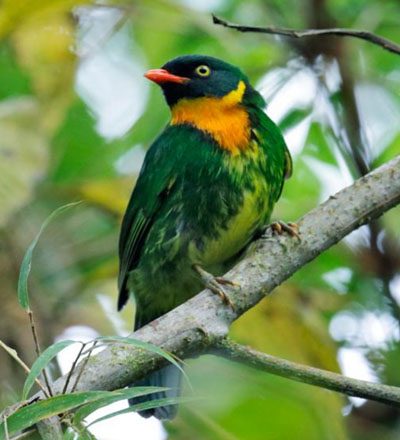
3. Versicolored Barbet.

Scientific name: Eubucco versicolor
Best habitat: Eastern Andean montane forest

The Versicolored Barbet is a small but spectacular bird with combinations of green, blue, red and yellow plumage.

It occurs in montane forests of southeastern Peru and can be found along the Manu Road.

Why it is special: Its vivid colors make it one of Manu’s most memorable small birds.

4. Birds of Peru 10 Fascinating Must See & Endemic Species:  Blue-headed Macaw .

Scientific name: Primolius couloni
Best habitat: Southeastern Peruvian forests

The Blue-headed Macaw is a highly sought-after parrot with a blue head and greenish-blue body.

Because it often moves through the canopy, learning its calls can be as useful as knowing its appearance.

Birding tip: Look and listen around canopy openings and forest edges in the morning.

5. Andean Potoo.

Scientific name: Nyctibius maculosus
Best habitat: Montane forest

The Andean Potoo is a master of camouflage. Its mottled plumage allows it to blend almost perfectly with branches.

It can be difficult to spot, making it a rewarding target for patient birdwatchers.

Birding tip: Check dead branches and exposed snags carefully.

6. Chestnut-crested Cotinga.

Scientific name: Ampelion rufaxilla
Best habitat: Montane and subtropical forest

Named for its chestnut-colored crest, this attractive cotinga can be found in Andean forests around Manu.

Cotingas often remain high in the canopy, so patience is important.

Birding tip: Spend extra time scanning fruiting trees and canopy branches.

7. Crested Quetzal.

Scientific name: Pharomachrus antisianus
Best habitat: Humid montane forest

The Crested Quetzal is one of Manu’s most spectacular birds. Males have brilliant green plumage, a prominent crest and a reddish belly.

It is found in the cloud forests along the Manu Road.

Why it is special: Seeing a quetzal in misty Andean forest is an unforgettable Manu experience.

8. Rufous-headed Woodpecker.

Scientific name: Celeus spectabilis
Best habitat: Forest and woodland

This attractive woodpecker has a rich rufous head and contrasting patterned body.

It is often easier to hear than see, making its tapping calls useful clues when searching the forest.

Birding tip: When you hear one, scan tree trunks slowly before approaching.

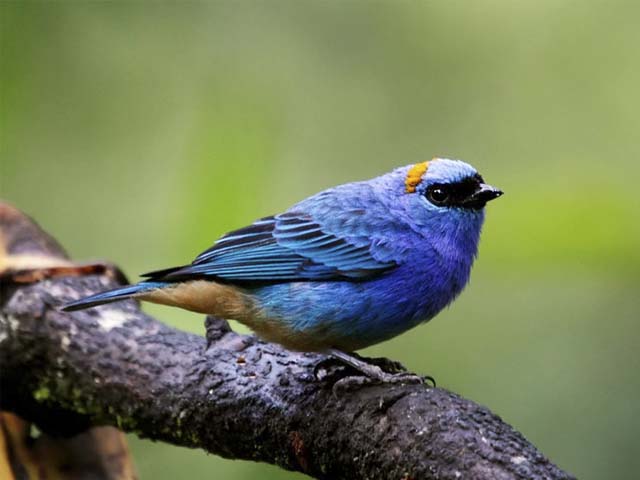
9. Golden-collared Tanager.

Scientific name: Iridosornis jelskii
Best habitat: High-elevation montane forest

The Golden-collared Tanager has a striking golden band around its black facial mask, blue upperparts and rusty lowerparts.

It often moves through shrubs and forest edges in pairs or small groups.

Birding tip: Watch dense vegetation carefully and scan slowly. Northern

10. Handsome Flycatcher.

Scientific name: Nephelomyias pulcher
Best habitat: Humid montane forest

Small and active, the Handsome Flycatcher has olive, gray and ochre plumage with distinctive wing markings.

It can occur in mixed-species flocks, giving birdwatchers a chance to find several species together.

Birding tip: When you spot a mixed flock, stop and watch it carefully.