Birds North of Peru

Birds North of Peru

Top 10  Birds North of Peru Peru Birding Route

The Northern Peru Birding Route is one of the most biodiverse birding destinations in the world, boasting a remarkable 1,500+ bird species. This route spans the Pacific coast, the Andes, and the Amazon lowlands, making it a prime location for birdwatching enthusiasts. It is also home to a high number of endemic and rare species, making it an unmissable destination for avian lovers and nature photographers alike. Trips manu 

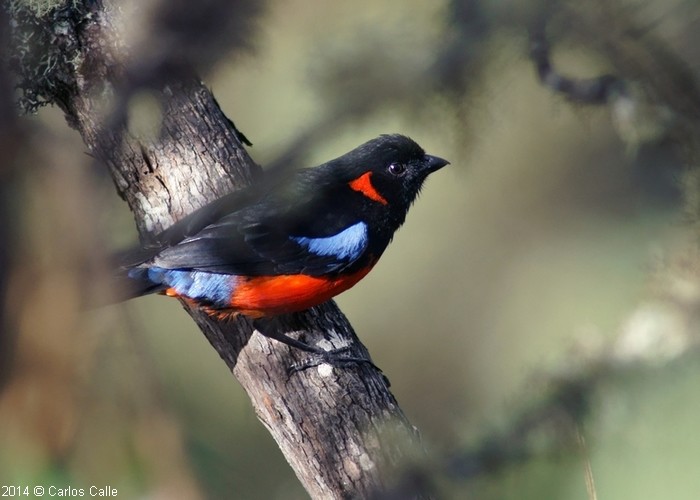
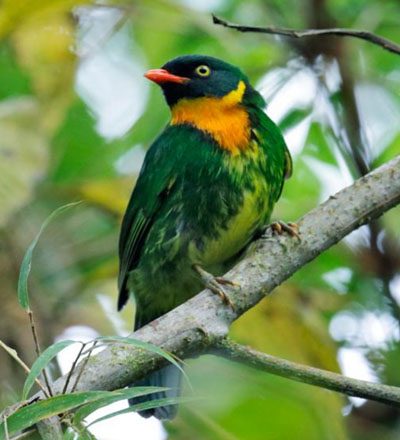
1. Scarlet-banded Barbet (Capito wallacei) -Birds North of Peru .

A striking bird found in the eastern forests of north-central Peru, between Loreto and San Martín. With only around

1,000 individuals left, this species is classified as vulnerable. It is one of Peru’s most iconic birds, even featured on

the cover of Birds of Peru.

  • Where to See: Cordillera Azul
  • Related Tours: Scarlet-banded Barbet & Cordillera Azul Antbird

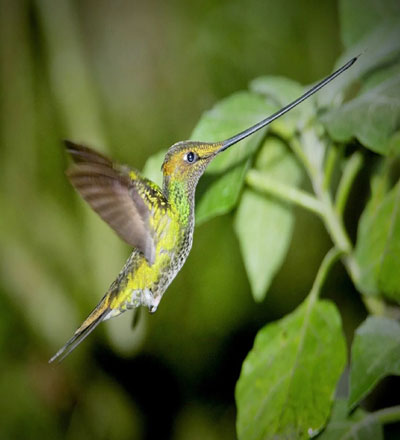
2. Marvelous Spatuletail (Loddigesia mirabilis) -Birds North of Peru .

This endemic hummingbird of the Utcubamba Valley, Amazonas, is famous for its spectacular racket-shaped tail

feathers. Due to habitat loss, it is classified as near-threatened. It can be observed around Pomacochas and other

areas in the Utcubamba Valley.

  • Where to See: Pomacochas, Utcubamba Valley
  • Related Tours: Hummingbird Route of Northern Peru, Endemic Birds & Archaeology of Northern Peru

3. Long-whiskered Owlet (Xenoglaux loweryi) Birds North of Peru.

A tiny and elusive owl, distinguished by its long facial whiskers. This vulnerable species is endemic to the humid

forests between Amazonas and San Martín, particularly around Abra Patricia.

  • Where to See: Alto Mayo Protected Forest, Abra Patricia
  • Related Tours: Endemic Birds of Northern Peru, Endemic Birds & Archaeology of Northern Peru

4. Pale-billed Antpitta (Grallaria carrikeri) Birds North of Peru.

This endemic species is recognized by its ivory-colored bill and red irises. It inhabits the high-elevation forests of San

Martín, Amazonas, and La Libertad.

  • Where to See: Pomacochas Lake
  • Related Tours: Endemic Birds of Northern Peru, Endemic Birds & Archaeology of Northern Peru

5. Rusty-tinged Antpitta (Grallaria przewalskii) Birds North of Peru .

A Peruvian endemic that thrives in humid montane forests at elevations between 1,700 and 2,750 meters. It is more

often heard than seen due to its elusive nature.

  • Where to See: Alto Mayo Protected Forest, Abra Patricia
  • Related Tours: Endemic Birds of Northern Peru, Endemic Birds & Archaeology of Northern Peru

6. Ochre-fronted Antpitta (Grallaricula ochraceifrons) Birds North of Peru .

Another endemic species found in dense cloud forests of Amazonas and San Martín. It is classified as vulnerable and

is known for its secretive behavior.

  • Where to See: Alto Mayo Protected Forest, Abra Patricia
  • Related Tours: Endemic Birds of Northern Peru, Endemic Birds & Archaeology of Northern Peru

7. Johnson’s Tody-Flycatcher (Poecilotriccus luluae) Birds North of Peru .

A colorful bird restricted to northern Peru, inhabiting the montane rainforest edges and preferring areas with

bamboo thickets. It is endangered due to habitat destruction.

  • Where to See: Near Abra Patricia
  • Related Tours: Endemic Birds of Northern Peru, Endemic Birds & Archaeology of Northern Peru

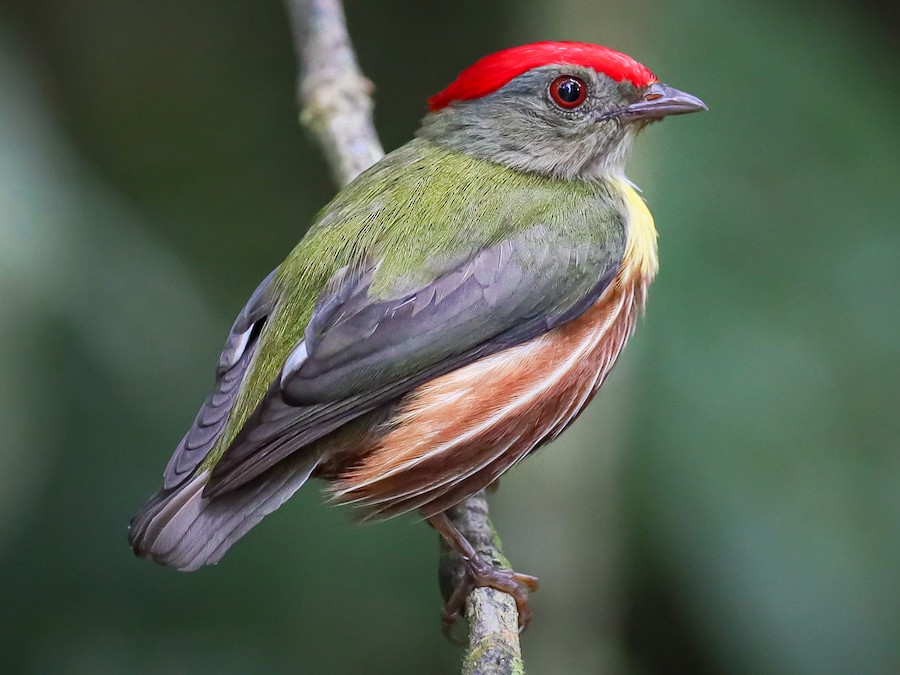
8. Painted Manakin (Machaeropterus eckelberryi)

A recently described species found in the understory of lowland forests in Loreto and northern San Martín. It thrives

in nutrient-poor sandy areas.

  • Where to See: Morro de Calzada Amazon Center
  • Related Tours: Endemic Birds of Northern Peru, Endemic Birds & Archaeology of Northern Peru

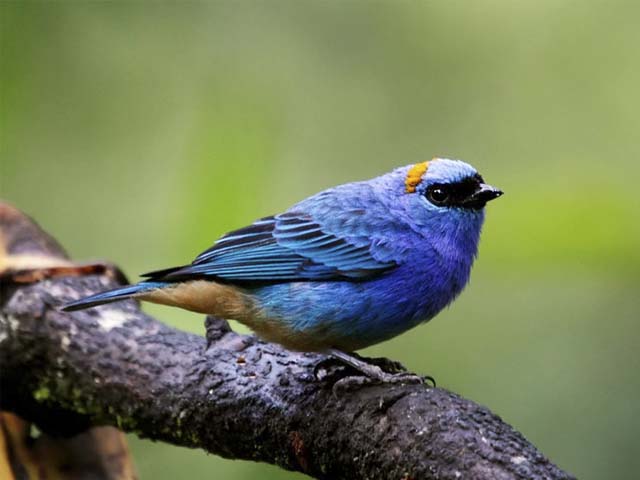
9. Yellow-scarfed Tanager (Iridosornis reinhardti)

A high-altitude tanager, known for moving swiftly through the montane forest canopy. It is often seen foraging with

mixed flocks.

  • Where to See: Abra Patricia
  • Related Tours: Endemic Birds of Northern Peru, Endemic Birds & Archaeology of Northern Peru

10. Black-bellied Tanager (Ramphocelus melanogaster)

Also called the Huallaga Tanager, this endemic species is commonly seen in bushy areas along the Huallaga and

Mayo Rivers, at elevations up to 1,000 meters.

  • Where to See: Tarapoto, Moyobamba, Alto Mayo Protected Forest
  • Related Tours: Endemic Birds of Northern Peru, Endemic Birds & Archaeology of Northern Peru

Bonus Birds:

Golden-backed Mountain Tanager (Cnemathraupis aureodorsalis)

A rare, high-altitude tanager found in central Peru. The best place to spot it is the Unchog Forest, Huánuco, though

recent sightings have also been recorded in southern San Martín.

Cordillera Azul Antbird (Myrmoderus eowilsoni)

Discovered in 2016, this newly identified Peruvian endemic is named after its primary habitat: the Cordillera Azul

Highlands in San Martín.

  • Where to See: Cordillera Azul
  • Related Tours: Scarlet-banded Barbet & Cordillera Azul Antbird

Why Choose the Northern Peru Birding Route?

Over 1,500 species, including highly sought-after endemics

Diverse habitats from coast to Amazon peru

Expert-guided tours for optimal birdwatching experiences

Incredible opportunities for nature photography

Don’t miss the chance to explore one of the world’s most spectacular birding destinations.

Book a tour and discover Peru’s rarest and most stunning bird species

Bird Watching in Machupicchu

Bird Watching in Machu Picchu: A Guide to Hummingbirds

  Bird Watching in Machupicchu is not only a world-famous archaeological wonder but also a paradise for bird watchers. The lush cloud forests surrounding the ancient ruins are home to an incredible variety of hummingbirds, each with unique characteristics and behaviors. Here’s a guide to some of the most remarkable hummingbird species you can spot in and around Machu Picchu.

Hummingbirds of Machu Picchu

1. Green Hermit (Phaethornis guy) Bird Watching in Machupicchu.

  • Size: 13 cm, bill 4 cm (long, curved) peru bird
  • Appearance: Dark bronzy green with a bluish rump, black mask framed by a rusty supercilium
  • Habitat: Humid pre-montane forests, secondary growth, and overgrown gardens
  • Behavior: Feeds on nectar by “trap-lining” flowers, also takes spiders from webs
  • Call: Loud ‘tsweep’; lek song is a nasal ‘heweet…heweet…’
  • Best Spotting Locations: Mandor Valley, below 2200m .Amazing birding Peru 

2. Buff-tailed Sicklebill (Eutoxeres condamini) Bird Watching in Machupicchu .

  • Size: 16 cm, bill 2.7 cm (exceptionally curved)
  • Appearance: Dark bronzy above, cinnamon-buff underparts with black streaking
  • Habitat: Humid pre-montane forests, forest edges, and Heliconia thickets
  • Behavior: Retiring and hard to spot; feeds on nectar and small insects
  • Nesting: Uses spider webs to attach the nest to leaves
  • Best Spotting Locations: Below 2500m, occasionally up to 3300m – peru bird
  • Abra Malaga birding 

3. Green Violetear (Colibri thalassinus) Bird Watching in Machupicchu.

  • Size: 11 cm, bill 1.8 cm (slightly curved)
  • Appearance: Blue-green with a metallic sheen, blue central belly, and purple ear feathers
  • Habitat: Open shrubby mountain slopes, pastures, forest edges
  • Behavior: Aggressive, with a distinct undulating display flight
  • Best Spotting Locations: Inca Trail between Intipunku and Machu Picchu ruins (1500–3000m) -andean peru bird

4. Sparkling Violetear (Colibri coruscans) Bird Watching in Machupicchu .

  • Size: 14 cm, bill 2.5 cm (slightly curved)
  • Appearance: Blue-green with metallic sheen, blue belly, elongated ear plumes
  • Habitat: Dry open areas, gardens, secondary growth, eucalyptus stands
  • Behavior: Highly territorial, aggressive towards other hummingbirds
  • Best Spotting Locations: Wayllabamba along the Inca Trail (2000–4000m) traditional  peru bird

5. Green-and-White Hummingbird (Leucippus viridicauda) (Peruvian Endemic)

  • Size: 11 cm, bill 2.7 cm (almost straight) peru bird
  • Appearance: Brilliant bronzy-green upperparts, white underparts
  • Habitat: Humid forest edges, secondary growth, gardens
  • Behavior: Feeds on nectar, hawks for small insects
  • Best Spotting Locations: Along the Urubamba River, El Pueblo Hotel gardens (1200–2500m)

6. White-bellied Hummingbird (Leucippus chionogaster) Bird Watching in Machupicchu.

  • Size: 11 cm, bill 2.5 cm (almost straight)
  • Appearance: Similar to Green-and-White Hummingbird but with white inner tail webs
  • Habitat: Bushy ravines, stream-sides, eucalyptus groves
  • Behavior: Prefers drier habitats than its close relative
  • Best Spotting Locations: Cusichaca Valley, Inca Trail (1000–2800m) andean birding peru

7. Speckled Hummingbird (Adelomyia melanogenys)

  • Size: 10 cm, bill 1.4 cm (short, straight)
  • Appearance: Dark bronzy above, whitish-buff below with speckles
  • Habitat: Humid pre-montane forests, watercourse edges
  • Behavior: Often seen foraging alone in the under-story
  • Best Spotting Locations: Urubamba River at Machu Picchu (1200–2800m)

8. Giant Hummingbird (Patagona gigas)

  • Size: 23 cm, bill 3.5 cm (straight, thick)
  • Appearance: Largest hummingbird in the world, with long, narrow wings
  • Habitat: Open arid slopes, cactus-filled valleys, and gardens
  • Behavior: Erratic wingbeats, often hovers like a swallow
  • Best Spotting Locations: Llactapata ruins (2500–4000m)

Bird Watching Tips for Machu Picchu

  • Best Time: Early morning or late afternoon
  • Equipment: Binoculars (8×42 recommended), camera with a zoom lens
  • Recommended Trails: Inca Trail, Mandor Valley, Urubamba River banks
  • What to Look For: Flashing iridescent feathers, hovering behavior, distinct calls
  • Jungle trips amazon 


About Machupicchu Bird Tour

About Machupicchu Bird Tour.

About Machupicchu Bird Tour: A Guide to Pigeons, Doves, Swifts, and Parrots

Machu Picchu is renowned not only for its ancient Incan ruins but also as a hotspot for birdwatching. Home to

various bird species, including pigeons, doves, swifts, and parrots, the region offers a unique opportunity for bird

enthusiasts.

This guide highlights the diverse bird families you may encounter during your Machu Picchu trip.

Bird Families: Pigeons and Doves at Machu Picchu

Pigeons and doves are widespread, ranging from small sparrow-sized birds to large species. These birds can be found

in various habitats, from woodlands to scrublands, and are known for their fast flight.

The head is small, and the bill is weak, often producing a cooing call useful for identification.

1. Spot-winged Pigeon (Columba maculosa) About Machupicchu Bird Tour

Size: 32 cm

Appearance: Blue-gray head, neck, and underparts, with a contrasting white wing band.

Habitat: Semi-arid areas, including open woodlands and small settlements near Eucalyptus trees.

Song: Low coos with a distinctive “cooouh-cuh-coooh.”

Location: Common around Llactapata ruins and the Inca Trail.

2. Feral Pigeon (Columba livia) About Machupicchu Bird Tour

Size: 32 cm

Appearance: Typically gray with black bars and a white rump. Various color morphs are found.

Habitat: Urban areas and agricultural land.

Behavior: Feeds during the day and is highly social.

Location: Found around towns and settlements.

3. Plumbeous Pigeon (Columba plumbea) About Machupicchu Bird Tour

Size: 33 cm

Appearance: Dark brown with a purplish gloss on the crown and neck.

Habitat: Humid sub-montane forests.

Song: A distinctive “hoo-coo-cu-cuuuuu.”

Location: Rare, found in the Sanctuary at low elevations.

4. Eared Dove (Zenaida auriculata) About Machupicchu Bird Tour

Size: 23-28 cm

Appearance: Olive-brown upper parts with black streaks behind the eye.

Flight: Fast and direct, often in large groups.

Location: Found around the village of Wayllabamba along the Inca Trail.

Bird Families: Swifts About Machupicchu Bird Tour

Swifts are the most aerial of birds, known for their sickle-shaped wings. They feed, mate, and even sleep in mid-air.

Swifts are highly social and often seen in large flocks.

1. Chestnut-collared Swift (Cypseloides rutilus)

Size: 15 cm

Appearance: Dark sooty brown with a rufous-chestnut throat.

Habitat: Pre-montane forests and open terrain.

Behavior: Flocks are usually seen in valleys.

Location: Uncommon at Machu Picchu.

2. White-collared Swift (Streptoprocne zonaris) About Machupicchu Bird Tour

Size: 20 cm

Appearance: Large black swift with a distinctive white collar around the neck.

Behavior: Soars in large flocks, often behind waterfalls.

Location: Common throughout Machu Picchu.

3. White-tipped Swift (Aeronautes montivagus) About Machupicchu Bird Tour

Size: 13 cm

Appearance: Dark brown with white tips on wings and tail.

Habitat: Semi-humid areas over forested hills.

Location: Common near Wayna Picchu.


Bird Families: Parrots About Machupicchu Bird Tour

Parrots are known for their social nature and vibrant plumage. Found in the warmer climates of the Andes, many

species of parrots inhabit Machu Picchu and its surrounding areas.

1. Scarlet-fronted Parakeet (Aratinga wagleri)

Size: 32 cm

Appearance: Green with a scarlet forehead and red around the neck.

Habitat: Light forests and semi-arid areas.

Behavior: Very social and often seen in large flocks.

Location: Found around Llactapata, Machu Picchu.

Birdwatching at Machu Picchu: A Guide to the Region’s Stunning Parrots, Owls, and More

Machu Picchu, the ancient Inca city nestled in the Peruvian Andes, is not only a marvel of historical architecture but

also a prime destination for birdwatching enthusiasts.

With its rich biodiversity, the region boasts a wide variety of unique bird species, including colorful parakeets,

majestic owls, and elusive nighthawks.

Here’s a guide to some of the prominent bird species you can find in the Machu Picchu area, perfect for nature lovers

and birdwatchers alike.

Parakeets of Machu Picchu

Mitred Parakeet (Aratinga mitrata)

Size: 38 cm

Found in humid montane and pre-montane forests, the Mitred Parakeet is a social and vocal species. Its bright green

plumage with a distinctive red forehead and crown makes it a striking sight in the canopy.

These birds are often seen in noisy flocks and feed on the flowers of Erythrina trees. They can be spotted around

1,800–2,500 meters, especially near the Urubamba Gorge.

Golden-plumed Parakeet (Leptosittaca branickii) About Machupicchu Bird Tour

Size: 34 cm

This beautiful parakeet features vibrant orange-brown feathers on its forehead, yellow markings around the eyes,

and a colorful abdomen.

It inhabits montane and sub-montane forests at elevations between 2,000 and 3,500 meters, often seen in groups

feeding in tree canopies.

BBarred Parakeet (Bolborhynchus lineóla) About Machupicchu Bird Tour

Size: 17 cm

With emerald green plumage and distinct black barring on its wings, the Barred Parakeet is an inconspicuous species

often found near flowering bamboo.

It prefers the mid to understory and can be seen flying in flocks at elevations between 1,500 and 3,000 meters.

Andean Parakeet (Bolborhynchus orbygnesius) About Machupicchu Bird Tour

Size: 16 cm

Known for its pale greenish-yellow bill and its preference for dry, cloud forests, the Andean Parakeet is often seen in

groups feeding on seeds and fruits in bushy scrub at elevations between 3,000 and 4,000 meters.

Owls and Night Birds of Machu Picchu

Barn Owl (Tyto alba)

Size: 38 cm

With its heart-shaped face and nocturnal hunting habits, the Barn Owl is a common sight in open, lightly wooded

areas around Machu Picchu.

It is active at dusk and night, silently gliding over the landscape in search of small rodents.

Tropical Screech Owl (Otus choliba) About Machupicchu Bird Tour

Size: 23 cm

A small, nocturnal owl with ear-tufts and yellow eyes, this species is found in lighter woodlands and gardens. It calls

with a short, whistled trill and feeds mainly on large insects at lower levels.

Magellanic Horned Owl (Bubo magellanicus)

Size: 48-56 cm

This large owl, known for its striking ear tufts, is typically found at higher elevations (above 3,000 meters). It hunts

mainly for small mammals, using a powerful hoot to communicate during the evening.

Yungas Pygmy-Owl (Glaucidium bolivianum) About Machupicchu Bird Tour

Size: 16 cm

A tiny owl with a distinctive ‘face-like’ pattern on its hind-neck, the Yungas Pygmy-Owl is often seen in humid

montane forests, hunting insects and small birds.

Its whistled calls are common at dawn and dusk.

Unique Birds of Machu Picchu

Oilbird (Steatornis caripensis)

Size: 48 cm

Known for being the world’s only nocturnal fruit-eating bird, the Oilbird has a distinctive hawk-like bill and is found

in humid pre-montane forests.

It forages at night, feeding primarily on palm fruits, and can sometimes be spotted in the Machu Picchu region.

Swallow-tailed Nightjar (Uropsalis segmentata)

Size: 22 cm (without streamers)

This dark nightjar is recognizable by its long, forked tail and is often seen at dusk and dawn hunting for flying insects

in the Machu Picchu area.

Rufous-bellied Nighthawk (Lurocalis rufiventris) About Machupicchu Bird Tour

Size: 25 cm

With its fuscous black plumage and distinctive white throat bar, the Rufous-bellied Nighthawk is a nocturnal bird

that feeds above the forest canopy, particularly at dawn and dusk.

Birdwatching Tips at Machu Picchu

Best Viewing Times: Early mornings and late afternoons are ideal for birdwatching when many species are most

active.

Habitat: Birdwatchers should focus on diverse habitats like montane forests, forest edges, and river valleys, which

support a wide variety of birdlife.

Birding Tours: Consider joining a guided tour for expert insights and better chances of spotting elusive species.

Machu Picchu is a treasure trove for bird enthusiasts, offering a remarkable diversity of species set against the

stunning backdrop of the Andes.

Whether you’re admiring the vibrant parakeets or listening for the haunting calls of owls, the birds

of Machu Picchu provide a fascinating addition to your journey through this mystical site.


Bird in Peruvian Amazon

Bird in Peruvian Amazon

Bird in Peruvian Amazon: The Ultimate Field Guide to Avian Wonders

Discover the breathtaking diversity of Amazon birds in Peru through our comprehensive field guide. This guide is your gateway to the vibrant world of Peru’s avian life, where colorful plumage, enchanting calls, and fascinating species fill the skies. From the majestic Harpy Eagle to the playful parrots, our guide will lead you through the awe-inspiring birds of Peru. Whether you are an experienced birder or a curious nature lover, this resource is your key to exploring one of the richest birdwatching destinations in the world.  exploring peru bird

Foreword: Exploring Birds of Manu National Park Bird in Peruvian Amazon

First published in 1961 by renowned ornithologist John P. O’Neill, the Amazon Birds of Peru – Field Guide was the result of years of fieldwork in remote regions of Peru. At that time, Peru was home to only 1,542 bird species. Today, this number exceeds 1,800 species, making Peru the undisputed avian hotspot with the most diverse birdlife on the planet. amazonia peru bird

This volume includes over 300 color plates showcasing the birds of Peru, with detailed descriptions, distribution maps, and vocalization information for almost all known species by 2004.

Introduction: The Avian Riches of Peru

With 1,800 bird species, Peru ranks as one of the world’s most biodiverse countries. This field guide covers all bird species recorded in Peru, including those in offshore waters within 200 nautical miles of the coast. Whether you’re birdwatching in the Amazon rainforest or along Peru’s coastal shores, this guide is designed to help you identify and understand Peru’s incredible birdlife.

We’ve focused on providing only the most essential information to aid in field identification, keeping the guide both practical and informative for birdwatchers of all levels. rainforest peru bird

How to Use This Bird in Peruvian Amazon

Each species account in this guide includes:

  • Color Illustrations: To help you identify birds in the field.
  • Species Information: Scientific names, physical descriptions, and vocalization details.
  • Distribution Maps: For understanding the geographic range of each species across Peru.
  • Elevational Range & Habitat: Where to find each species, from lowland rainforests to high-altitude Andean regions.

For species with significant geographic variation or multiple subspecies, we highlight those distinctions to aid in field identification.

Bird Descriptions: Species Accounts

Each species profile starts with the common and scientific names, followed by key identification features, including size, behavior, habitat, and voice. Special attention is given to species that are more commonly observed, ensuring you can easily recognize them in the field. trips peru bird

Bird Size and Dimensions
The length of each bird species is provided in both centimeters and inches, helping you get a sense of their size. While the exact measurements may vary between individuals, they serve as a useful point of reference when comparing species with similar features.

Geographic Variation
Polytypic species (those with multiple subspecies) are marked with an asterisk (*) to indicate geographic variation. However, detailed subspecies discussions are generally reserved for species with distinct regional characteristics. amazon peru bird

Bird Abundance and Field Observations Bird in Peruvian Amazon

We assess species abundance based on field observations, using the following categories:

  • Common: Encountered daily in moderate numbers.
  • Fairly Common: Encountered regularly but in smaller numbers.
  • Uncommon: Rarely seen, often missed even over several days of observation.
  • Rare: Extremely rare, with sightings occurring only occasionally.
  • Vagrant: Very infrequent and out of the species’ usual range.

These observations are based on field experiences, and may vary by location and season. Bird in Peruvian Amazon

Regional Distribution of Birds in Peru
We also provide distribution maps for most species, illustrating their range across Peru. Species that are endemic to Peru or have specific regional ranges are marked accordingly. We also identify species that migrate seasonally, including those from both the Southern Hemisphere (austral migrants) and the Northern Hemisphere (boreal migrants).

Migration patterns are complex, and the maps reflect these nuances, indicating whether birds are year-round residents, seasonal migrants, or irregular visitors. Certain species engage in unique intra-tropical migrations, crossing the Andes or moving along different latitudes within the Amazon basin. peru bird

Understanding Migration and Seasonal Movements

Migratory patterns are a key feature of Peru’s avifauna. The guide provides insights into:

  • Austral Migrants: Birds that breed in the Southern Hemisphere and migrate to Peru.
  • Boreal Migrants: North American birds that winter in Peru.
  • Intratropical Migrations: Movements within the tropics, such as across the Andes or between different regions of the Amazon Peru birding .

This information is crucial for birdwatchers looking to identify birds during migration seasons, especially since some species overlap in their migratory patterns.

Bird Illustrations: Guide Plates
Our guide includes comprehensive illustrations that depict various plumages of each species, including seasonal plumages, geographic variations, and sexual dimorphism. These images help birdwatchers distinguish between different stages of a bird’s life cycle, ensuring a thorough understanding of each species. peru bird

We aim to provide accurate visual references to assist with bird identification in the field. Each illustration is to scale, with supplemental images included where necessary to showcase specific features such as flight patterns or distinct behaviors.

Stay Manu Birds Lodge

Stay Manu Birds Lodge

Stay at Manu Birds Lodge: A Hidden Gem in the Cloud Forests of Peru

The Cock of the Rock Lodge is a unique haven nestled in the heart of Peru’s biodiverse Manu Road, located at Km 74,

in the San Pedro area, approximately 7 hours by road from Cusco. Set amidst the lush cloud forests of this world-

renowned route, the lodge offers an unrivaled opportunity to experience one of the most biodiverse regions on the planet.

Manu Road is home to over 900 bird species, making it a premier destination for birdwatching enthusiasts and nature lovers.

Situated at an altitude of 1,900 meters (6,234 feet) above sea level, the lodge is surrounded by a rich tapestry of

medium-height trees adorned with vibrant epiphytic plants, providing the perfect setting for those seeking tranquility and adventure in nature.  explorer amazon trips

Birdwatching and Biodiversity at Manu Birds Lodge

Manu Birds Lodge is a birdwatcher’s paradise, with an abundance of opportunities to observe and photograph the

stunning diversity of birds that inhabit the surrounding forests.

The lodge offers specially designed birdwatching spots, including hummingbird and fruit feeders, where guests can

enjoy close-up views of a variety of species.

Whether you prefer exploring on foot along scenic trails or driving along the nearby roads, there’s always something

extraordinary to discover. north birding 

Despite the unfortunate loss of the nearby cock-of-the-rock lek due to a landslide in 2014, these iconic birds are still

frequently spotted in the fruiting trees near the cabins, making for unforgettable sightings.

Guests can expect to see a spectacular array of hummingbirds at the lodge’s feeders, including the Violet-fronted

Brilliant, Many-spotted Hummingbird, Wire-crested Thorntail, Long-tailed Sylph, Green Hermit, and the breathtaking Booted Racket-tail.

For those seeking rarer species, the Peruvian Piedtail, Wedge-billed Hummingbird, and Buff-tailed Sicklebill can be

spotted on the trails  rainforest birding .

A Birdwatcher’s Dream: Diverse Species and Vibrant Colors

Fruit feeders around the lodge attract an array of colorful birds, such as Orange-bellied Euphonia, Silver-beaked

Tanager, Golden Tanager, and Buff-throated Saltator. Guests may also encounter Speckled Chachalaca and Andean

Guan, adding to the rich diversity of the area.

The surrounding trails are home to some truly exceptional species. Among the most remarkable sightings are the

Amazonian Umbrellabird, Masked Trogon, Yungas Manakin, Cerulean-capped Manakin, Stripe-chested Antwren,

Black-streaked Puffbird, Russet Antshrike, and Black-backed Tody-Flycatcher. Birdwatching along these trails

provides a unique opportunity to observe the rich avian life that thrives in the cloud forests of Manu  Birding .

The vibrant colors of various tanagers, including the Paradise Tanager, Orange-eared Tanager, Beryl-spangled

Tanager, and Spotted Tanager, are often seen in the trees around the lodge, making for an unforgettable experience. peru bird

Explore the Edges of the Road for More Wildlife Encounters

In addition to the lodge’s many trails, birdwatching along the edges of the road, particularly near the bridges, offers

another exciting way to observe the incredible biodiversity of the area.

The road is an important hotspot for wildlife, where visitors can encounter even more of the unique species that call

this remarkable region home. peru bird

Rainforest Tambopata National Reserve

Rainforest Tambopata National Reserve

The Rainforest Tambopata National Reserve   in the heart of the Peruvian Amazon is one of the most biodiverse regions on Earth, teeming with wildlife and natural beauty.

Here’s a detailed overview of this incredible sanctuary: peru bird

TAMBOPATA WILDLIFE

  • Location: Madre de Dios, Peru
  • Area: 274,690 hectares
  • Creation: 04/09/2000
  • Elevation: 450–600 meters above sea level

Objectives of the Tambopata Wildlife Area:

  • Conservation: Protecting the flora, fauna, and ecological processes of the tropical rainforest jungle bird.
  • Sustainable Use: Encouraging local communities to sustainably utilize natural resources like chestnut trees and use landscapes for recreation.
  • Development & Research: Contributing to sustainable regional and national development by promoting biodiversity research and management of renewable resources. peru bird

Description: Rainforest Tambopata National Reserve

Nestled in the middle and lower reaches of the Tambopata River, near the town of Puerto Maldonado, the reserve is a

crucial biodiversity hotspot.

The surrounding ecosystems, such as aguajales, marshes, riparian forests, and bamboo groves, support an array of

species, making it a vital area for conservation and scientific study.

It shares a border with Bahuaja Sonene National Park, creating a unified area of protection that links up with several

other protected areas in the region and even extends into Bolivia.

The Tambopata River is famous for its high biodiversity, hosting more than 40 species of migratory birds, some of which travel across continents.

It also shelters endangered species like the giant otter, and a wealth of endemic flora and fauna, including chestnut trees.

Tambopata offers unique opportunities for eco-tourism, with attractions such as Lake Sandoval and the Colorado

Clay Lick, known for their abundance of wildlife Rainforest, particularly birds and monkeys.

The reserve’s buffer zones include native communities like Palma Real, Sonene, and Hell, which are actively involved

in the area’s sustainable development and tourism. peru bird

Historical Context:Rainforest Tambopata National Reserve

Humans have inhabited the Tambopata region for thousands of years, with significant evidence of ancient cultures

dating back 3,000 to 4,000 years.

The Incas once occupied this area, leaving behind traces of their influence. However, the region’s history was heavily

impacted by Spanish colonization and the exploitation of its resources, including rubber extraction in the early 20th century.

This led to the displacement of native communities and a long history of migration, especially during the gold rush in

the 40s and 80s, which severely affected the region’s ecology.

Despite these challenges, the creation of the Tambopata National Reserve in 1990 marked a significant step towards

conservation, helping protect the area from further exploitation.

Although there was initial suspicion from native communities about losing access to resources, they gradually

recognized the importance of preserving the reserve for future generations.

Flora of Tambopata:Rainforest Tambopata National Reserve

The region’s vegetation is incredibly diverse, with 1,255 plant species identified across different forest types. Some of the prominent plants include: peru bird

  • Mahogany (Swietenia macrophylla)
  • Cedar (Cedrela odorata)
  • Kapok (Ceiba)
  • Shihuahuaco (Dipteryx alata)
  • Chestnut (Bertholletia excelsa)

Birdwatching in Amazon Peru

Explore the Wonders of Tambopata Birdwatching: A Journey into the Heart of the Birdwatching in Amazon Peru

 Discover a Birdwatcher’s Paradise in Tambopata Birdwatching in Amazon Peru
Welcome to Tambopata Birdwatching, an unparalleled adventure into one of the most biodiverse ecosystems on Earth.

Situated in the heart of the Amazon rainforest, Tambopata offers an extraordinary opportunity to observe a wide

range of vibrant bird species in their natural habitat.

Whether you’re a seasoned birdwatcher or a nature enthusiast, our birdwatching tours promise unforgettable

moments amidst the breathtaking beauty of the Tours  amazon . peru bird

A Symphony of Colors and Sounds Birdwatching in Amazon Peru

Tambopata is home to some of the world’s most spectacular bird species. From the iconic macaws and toucans to the

elusive harpy eagle and colorful hummingbirds, the skies and trees come alive with a stunning symphony of colors and calls.

Experience the unique behavior and mesmerizing displays of these magnificent creatures, all within the lush backdrop of the Amazonia expeditions.  peru bird

Guided Tours by Expert Ornithologists -Birdwatching in Amazon Peru

Our expert guides, who are passionate about bird conservation and have deep knowledge of the region’s ecosystems,

will lead you through the most biodiverse trails in the world. With their keen eyes and expertise, they’ll help you spot

rare and elusive species, while providing insightful commentary on bird behavior, habitats, and conservation efforts.

Whether you’re searching for the Red-and-white Antpia or the Puna Thistletail, our guides will ensure you have the best chance to encounter these incredible birds peru.

Tailored Birdwatching Routes at ACCA Biological Stations

Explore Tambopata’s 12 meticulously designed birdwatching routes, mapped out by renowned ornithologist

Fernando Angulo in 2015.

These routes, located across three ACCA Biological Stations—Wayqecha Cloud Forest Birding s, Villa Carmen,

and Los Amigos—offer exclusive access to habitats teeming with diverse species. With over

1,000 bird species recorded, these stations are among the most biodiverse locations for birdwatching in the world,

covering nearly 60% of Peru’s bird species.

Rare and Endemic Species Await Birdwatching in Amazon Peru

  • Wayqecha Bosque de Nubes: Spot species like the Gray-breasted Mountain Toucan and the Marcapata Spinetail in mist-covered cloud forests.
  • Villa Carmen: Explore bamboo forests for the elusive Bamboo Antshrike and other unique species.
  • Los Amigos: Home to the Goeldi’s Antbird and the vibrant Round-tailed Manakin.

This wealth of species makes Tambopata one of the world’s premier birdwatching destinations,

attracting enthusiasts and researchers alike.

Beyond Birdwatching: A Complete Nature Experience

While birds are the stars of the show, Tambopata offers a rich tapestry of ecosystems that make this region a true paradise for nature lovers.

Journey through serene oxbow lakes, visit vibrant clay licks, and encounter a host of fascinating wildlife, from playful

monkeys to elusive big cats and a wealth of tropical flora.

Every corner of Tambopata tells a story of life in one of the world’s most pristine natural environments.

Comfort and Relaxation in the Heart of the Amazon

After a day of birdwatching and exploring the wonders of the rainforest, retreat to our comfortable lodge

accommodations nestled in the heart of Tambopata.

Relax and unwind, share stories with fellow birdwatchers, and reflect on the day’s remarkable discoveries. peru bird

Supporting Conservation and Sustainable Tourism

By joining our birdwatching tours, you’re not only embarking on an unforgettable adventure, but you’re also

supporting sustainable ecotourism efforts that help protect the fragile ecosystem of Tambopata. The ACCA Biological

Stations are committed to preserving the region’s biodiversity, ensuring that future generations will continue to

experience the magic of this extraordinary place. jungle  birding -peru bird

An Unforgettable Birdwatching Journey Awaits

There’s no better way to connect with nature than through birdwatching in Tambopata National Reserve.

Whether you’re a first-time visitor or a seasoned birding expert, each moment here will inspire awe and wonder. Let

the vibrant colors of the macaws and the songs of the jungle captivate your soul as you embark on a journey through

one of the world’s most remarkable ecosystems. amazonia  birding peru


Sandoval Lake Birding

Sandoval Lake Birding

Discover the Wonders of Sandoval Lake Birding Peru: A Hidden Paradise for Nature Lovers

Nestled in the heart of the Peruvian Amazon Lake Sandoval is an extraordinary destination for travelers seeking an authentic, immersive wildlife experience. Situated within the Tambopata National Reserve, this pristine lake is a haven for nature enthusiasts, birdwatchers, and adventure seekers alike. Whether you’re exploring its tranquil waters by canoe or trekking through its lush rainforest surroundings, Lake Sandoval offers a glimpse into one of the most biodiverse ecosystems on the planet.

Lake Sandoval: A Biodiversity Hotspot
Home to over 500 species of birds, mammals, reptiles, and amphibians, Lake Sandoval offers a front-row seat to some of the most captivating wildlife on Earth. Among its remarkable avian inhabitants, you’ll find 503 bird species recorded, including rare and endangered birds. The diversity of life here makes it an unmissable destination for eco-tourism and a must-visit for birdwatchers from around the world. Peruvian  Birdin 

Key Species Highlights:  Sandoval Lake Birding

Species Count: 503 recorded species
Endemics: 0 (but three species are near-endemic)
Habitat Diversity: From varzea forests (flooded forests) to terra firme (non-flooded forests), and the dynamic lake edge, each habitat offers unique opportunities to spot wildlife in their natural environment.
As you journey along the lake’s edge or explore the surrounding rainforest, the variety of bird species will amaze you. While the region is home to a number of globally threatened or endangered species according to the IUCN Red List, it also boasts migratory and rare species that add to its allure.

A Birdwatcher’s Dream -Sandoval Lake Birding

Lake Sandoval is especially renowned for its exceptional birdlife. The region is home to many rare and migratory birds, making it a prime location for birdwatching tours. Expect to see everything from vibrant parrots and toucans to the elusive harpy eagle, one of the largest and most powerful eagles in the world.

Whether you’re an experienced birder or just starting out, there’s no shortage of opportunities to spot these magnificent creatures in their natural habitat. Guided tours are available for a more enriching experience, where expert guides share their knowledge of local species and ecosystems.

A Rich Habitat for All Creatures

In addition to birds, Lake Sandoval is teeming with other forms of wildlife. Keep an eye out for playful river otters, monkeys swinging through the treetops, and caimans basking along the shoreline. The surrounding rainforest is alive with countless amphibians and reptiles, offering endless discovery for nature lovers.

Key Wildlife to Spot:

River otters – These playful creatures are often spotted swimming or playing along the lake.
Monkeys – From the inquisitive capuchins to the agile howler monkeys, you’ll find a variety of primates living in the area.
Caimans – These shy but fascinating reptiles are often seen resting along the water’s edge, providing fantastic photo opportunities.

A Thrilling Eco-Adventure Experience – Sandoval Lake Birding

Lake Sandoval isn’t just a place to observe nature; it’s a place to immerse yourself in it. Canoeing along the peaceful waters of the lake allows you to approach wildlife in their natural environment without disturbing their habitats. Guided tours are available, providing expert insights into the flora and fauna of the region. As you navigate the waters, you might encounter a variety of bird species, monkeys, or even giant river otters — all within close proximity, providing a rare and intimate experience with nature. Peru Bird

Responsible Eco-Tourism at Lake Sandoval

The area around Lake Sandoval is protected under Peru’s national conservation efforts, ensuring that it remains a

sanctuary for wildlife. Sustainable and eco-friendly tourism is encouraged, allowing visitors to enjoy this magnificent place while minimizing their impact on the delicate ecosystems.

By visiting Lake Sandoval, you’re contributing to the preservation of the Amazon rainforest and supporting the local

communities who rely on tourism for sustainable livelihoods. It’s an unforgettable adventure that combines

exploration with conservation — an experience that helps preserve this natural wonder for generations to come.

Planning Your Visit to Lake Sandoval

Best Time to Visit: The best time to visit Lake Sandoval is during the dry season (from May to October), when the

waters are lower, making it easier to explore the surrounding rainforest trails and observe wildlife. However, the

rainy season (November to April) offers its own magic, as the forest comes alive with the sound of rain and the lush landscape thrives.

How to Get There: Lake Sandoval is accessible from Puerto Maldonado, a gateway town in southern Peru. From

Puerto Maldonado, travelers can embark on a boat journey along the Madre de Dios River before a short hike

through the forest to reach the lake.

Accommodation: There are eco-lodges and campsites in the area offering an authentic rainforest experience, where visitors can stay overnight and enjoy the nocturnal activities of the wildlife.


Manu Cloud Forest Birding

Manu Cloud Forest Birding

Exploring the Enchanting Manu Cloud Forest Birding : A Birdwatcher’s Paradise”

Discover the hidden gem of birdwatching in the Manu Cloud Forest Birding , an ethereal realm where mist-clad trees and elusive avian treasures beckon.

Nestled within the heart of the Andes, this pristine habitat is a haven for bird enthusiasts and nature lovers alike.

Manu Cloud Forest Birding

Immerse yourself in a symphony of calls as you navigate lush trails Manu Cloud Forest Birding , catching glimpses of resplendent quetzals, colorful toucans, and elusive antpittas.

The mist-kissed canopy and diverse ecosystems create a captivating stage for these winged wonders.

Manu, paradise for bird watching in Peru-Manu Cloud Forest Birding .

Manu National Park, one of the biggest protected areas in the world location in Peru Amazon, is home to the some of the greatest biodiversity and the greatest biomass in the world.

The park boasts over 1,000 species of birds and 200

species of mammals. Including the biosphere reserve (Manu National Park, Reserved Zone, and Cultural Zone),

Manu spans across a variety of habitats, from the Andean cloud forests to the humid lowland rainforests. Many

magnificent creatures inhabit Manu’s rich ecosystem, including Jaguars, Pumas, Spectacled Bears, Tapirs, Anacondas, and Harpy Eagles.

A generous amount of butterflies and plants inhabit Manu’s different bioregions. In 1973, the Peruvian government established Manu as a park protecting the great biodiversity living in it. In 1977,

Manu National Park became a Biosphere Reserve. Then, in 1987, UNESCO declared Manu a World Natural Heritage Site. Protecting countless numbers of species of animals and plants, and a plethora of different habitats, Manu truly is “a living eden of birdwatching  Manu.

PERU – AN EDEN FOR BIRTH LOVERS  .

Peru Birds is the second country in the world with the largest number of birds, with more than 1,800 species, which

represents 20% of the world total and makes Peru a true paradise populated by endemic and migratory birds that come from all over the world.

world. BIRD WATCHING offers birders a program that will bring them closer to many of the marine, coastal, Andean and jungle species that make Peru the perfect place for bird watching.

The late Theodore Parker III .

famous American field ornithologist once said “Peru offers bird fanatics, more than any other country in the world can offer. Being here I felt like a child visiting a huge store full of new and fascinating toys.

” He was right. Peru Birding has an extraordinary ornithological richness.

New species are continually discovered every year in the forests and jungles of the Amazon, as well as in the mountains and valleys of the Andes.

At the last count, there are 1,710 recorded species (about 20% of the world total), of which more than 300 are endemic.

In addition, Peru Bird holds the record for the largest number of species in one place (650 in the area surrounding the Explorer’s Inn lodge,

located in the Tambopata jungle) and the record for the highest number of species seen in a single day. (361 in the area surrounding the Biological Station of Cocha Cashu, in the Manu).

In 2011, in Canada, in a forest in British Columbia, the Bedford brothers finished watching the movie –

The Big Year and decided to start a peculiar contest: each one set out to travel the world to see and photograph thousands of species of birds with the sole interest of satisfying their curiosity.

The first to reach the 25,000 different birds would be the winner.

The film that inspired them is a comedy by Steve Martin and Jack Black that dealt with a group of birdwatchers competing with a lot of rivalry to win money and recognition.

The Brothers who work as forest agents in the

Canadian forest, however, decided to do it only out of honor. Lorne traveled to Iceland, Costa Rica and the United States.

David went to Australia, New Guinea, Namibia and, in addition, Peru. That is how He arrived only a few days ago to

Machu Picchu, motivated by his desire to get close to an infinity of bird species that he has never seen before in his life in the Amazonian Peru.


Manu Bird

17 Hummingbird Species to Observe Up Close in Manu Bird

Discover the Magic of Manu Sanctuary Manu Bird

Located in the heart of Kosñipata, Paucartambo – Cusco, Manu Sanctuary Birds is the first bird sanctuary within the Manu Biosphere. This biodiversity refuge offers a unique experience for nature and bird photography enthusiasts, allowing the observation of 17 hummingbird species in their natural habitat.

From the vibrant Spangled Coquette to the majestic White-bellied Woodstar, each species showcases the natural richness of Manu’s cloud forests. This sanctuary not only preserves the beauty of these birds but also plays a crucial role in conserving local ecosystems, ensuring their protection for future generations. peru bird

Must-Do Activities at Manu Sanctuary Birds:

  • Hummingbird watching with expert guides and specialized equipment.
  • High-definition bird photography in stunning natural settings.
  • Interpretive walks along ecological trails.
  • Talks on conservation and regional biodiversity. peru bird

Magical Nights on Manu Road: Nocturnal Experience in Kosñipata -Manu Bird

For travelers seeking adventures beyond daylight hours, Manu Road Birding offers an unforgettable nighttime experience. Immerse yourself in the magic of the forest with guided night walks designed to reveal the wildlife that awakens after dark. peru bird

What you can experience on a night in Manu Road: 

  • Listen to the enigmatic sounds of the nocturnal jungle.
  • Observe amphibians, bioluminescent insects, and nocturnal mammals.
  • Learn about the ecological role of nighttime creatures in the rainforest.Enjoy a starry sky, free from light
  • pollution, for an unparalleled astrotourism experience.

Whether you’re passionate about birdwatching or seeking a nighttime nature adventure, Kosñipata and Manu Road offer unique experiences in the heart of Manu’s biodiversity.

BIRDS OF MANU: 10 MUST-SEE SPECIES THAT WILL AMAZE YOU 

The Manu Biosphere Reserve, nestled in the heart of the Peruvian Amazon, is a true paradise for bird lovers. With over 850 recorded species, this natural sanctuary boasts unparalleled biodiversity, where cloud forests, lowland jungles, and high-altitude grasslands provide a home for some of the most fascinating birds on the planet. Here are 10 iconic species you shouldn’t miss on your next visit to Manu. peru birding

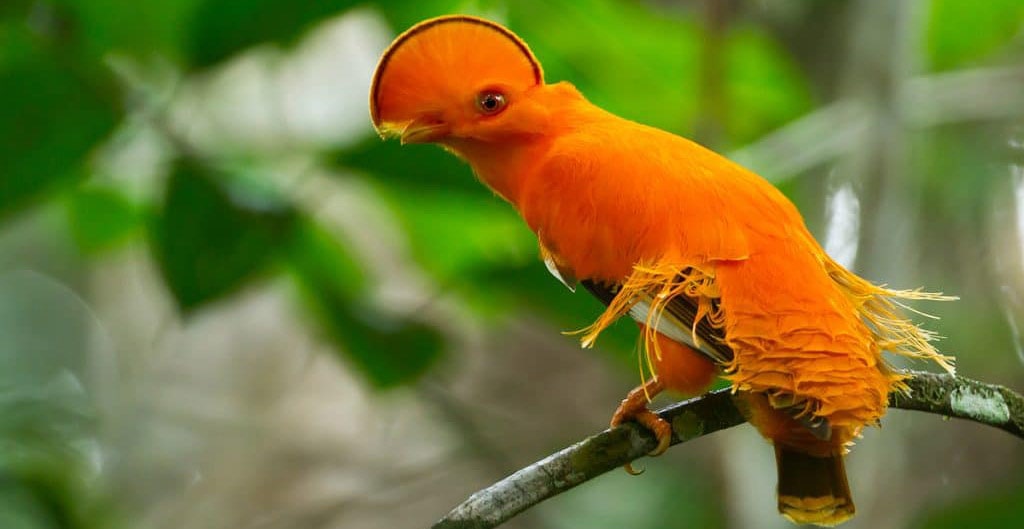
1. Andean Cock-of-the-rock (Rupicola peruvianus) : Manu Bird

Considered Peru’s national bird, the Andean Cock-of-the-rock is one of the most sought-after species by travelers. Males dazzle with their bright orange-red plumage, contrasting with gray wings and a semicircular crest. Their courtship displays in “leks” are a mesmerizing spectacle. amazon peru bird

2. Speckled Hummingbird (Adelomyia melanogenys) : Manu Bird

This small and elusive hummingbird is recognized by its white belly with green spots and a distinct white stripe under the eye. Often mistaken for other species, it is a frequent visitor to the flowers and gardens of Manu. paradise peru bird

3. Marvelous Spatuletail (Loddigesia mirabilis) : Manu Bird

The male of this rare species sports two long tail feathers ending in spatula-like tips, giving it a unique appearance. Its green and white plumage, combined with a purple head, makes it a visual gem for birdwatchers. tour peru bird

4. Blue-headed Macaw (Primolius couloni) : Manu Bird

A resident of eastern Peru, this macaw stands out with its striking blue head and greenish-blue body. Its blackish-gray beak and compact size place it in the category of “mini macaws,” reaching a maximum length of 50 cm.

5. Andean Potoo (Nyctibius maculosus)

One of Manu’s most mysterious nocturnal birds, the Andean Potoo has a cryptic plumage that perfectly blends with tree trunks. Its large yellow eyes reflect light in the darkness, making it an unforgettable sight.

6. Chestnut-crested Cotinga (Ampelion rufaxilla)

With a black-streaked chest, pale yellow belly, and a prominent chestnut crest, this cotinga is a rare find in the region. It is often spotted in Manu’s subtropical areas, feeding on wild fruits. travel peru bird

7. Crested Quetzal (Pharomachrus antisianus)

Males of this species feature shimmering green plumage, a vivid red belly, and a distinctive crest. It differs from the golden-headed quetzal by its entirely white tail. This bird is an emblem of cloud forests. amazon peru bird

8. Rufous-headed Woodpecker (Celeus spectabilis)

A rare sighting, this woodpecker is recognized by its striking red cap, cream and black-patterned wings, and in males, a red stripe near the beak. Its elusive nature makes it a rewarding challenge for birdwatchers.

9. Golden-collared Tanager (Iridosornis jelskii)

This tanager stands out with its characteristic golden collar, along with bluish-gray hues on its belly and chest. Often seen in pairs, it inhabits the highland forests of Manu.  wildlife trips peru bird

10. Beautiful Flycatcher (Poecilotriccus pulchellus)

This small and vibrant flycatcher is distinguished by its yellow and orange plumage with dark wing highlights. Its melodic song and lively behavior make it one of the most striking birds in the region.

Birdwatching Tips for Manu

  • Rise early – The best bird activity happens in the early morning.
  • Use binoculars – High-quality binoculars enhance your experience.
  • Hire a local guide – Birding experts can help identify elusive species.
  • Stay quiet – Many birds are shy, and noise can scare them away.