Birding Photography Huacarpay Machupicchu Abra Malaga – The combination of unique bird species, stunning landscapes, and rich ecosystems makes birdwatching in MachuPicchu one of the most exciting and enriching travel experiences. Imagine spotting rare birds while surrounded by the awe-inspiring backdrop of the Andean mountains—this is a moment that will stay with you forever.
Whether you’re an experienced birdwatcher or simply someone who enjoys the beauty of nature, Machu Picchu offers a birding adventure unlike any other. Don’t forget to bring your binoculars and a guidebook to help identify the remarkable birds you encounter during your journey .
Birding Photography Huacarpay Machupicchu Abra Malaga 8 days.
Why Birdwatching at Machu Picchu is Special With over 406 bird species within the Machu Picchu Sanctuary, the area is a birdwatching paradise. This diverse ecosystem, combined with breathtaking views of the Andes and historical ruins, provides an unforgettable experience for nature lovers and photographers alike. Whether you're capturing images of the elusive Andean Condor soaring in the sky or photographing colorful tanagers amidst lush foliage, this trip offers a chance to experience the wildlife and beauty of one of the world’s most iconic places.
Birding Photography Machu Picchu .
- Location: cusco .
- Type of service: Private or Group
- Start Point : Pick-up from the Hotel/Aiport or Bus Terminal in Cusco.
- Ending Point: Drop off the Hotel/Airport or Bus Cusco.
- Departure: Every Day
- Activities:
- Altitude: Best time to visit: March – November Accomodation : 7 night in hotel Private Showers and Bathrooms .
- Meals: 7 Breakfast /7 Lunch /7 Dinner
- Tour Guides Professional :(well-equipped with guiding gear)
- Minimum of participants: 2
- Maximum of participants: 10
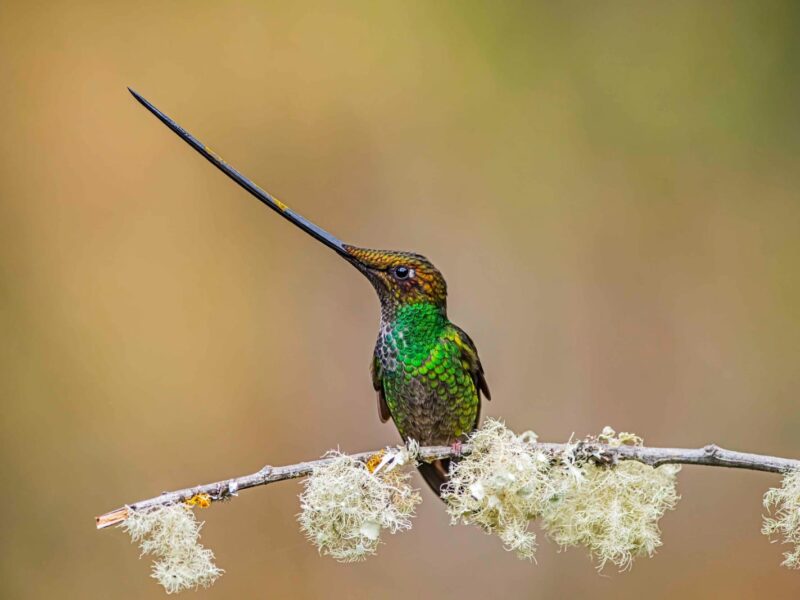


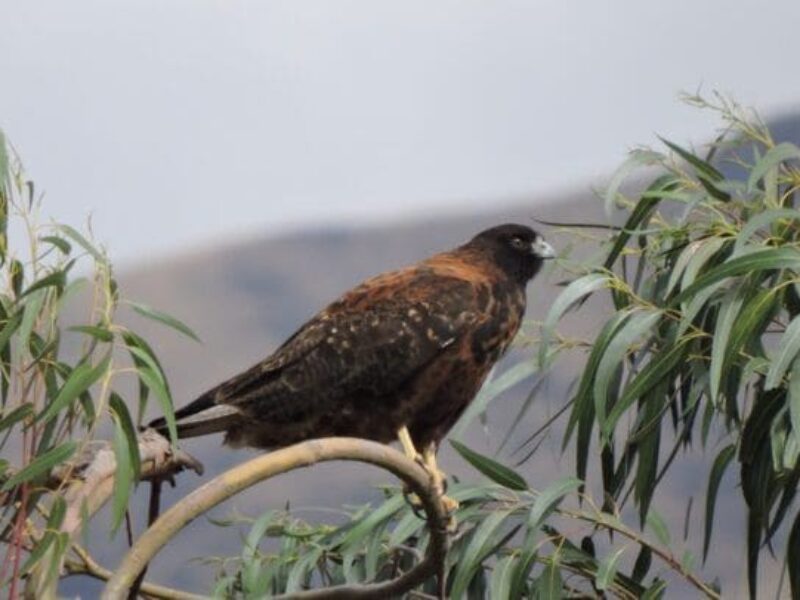

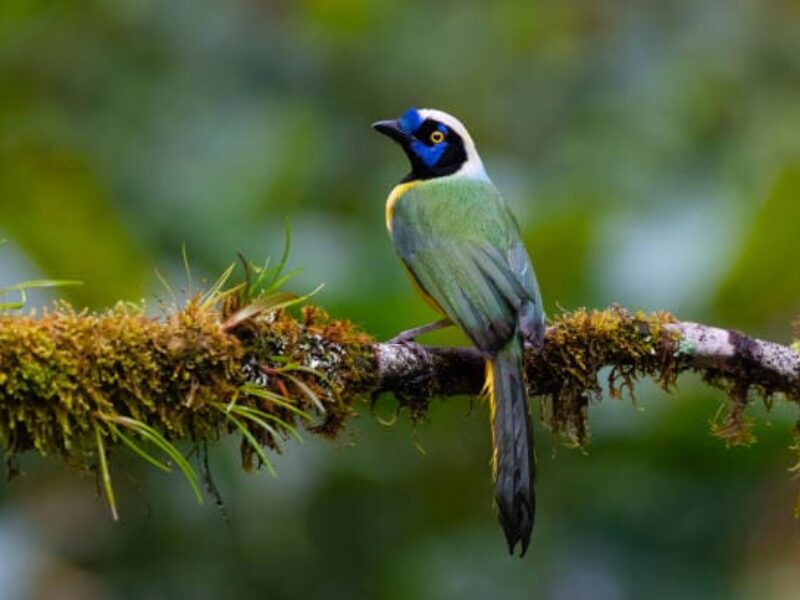


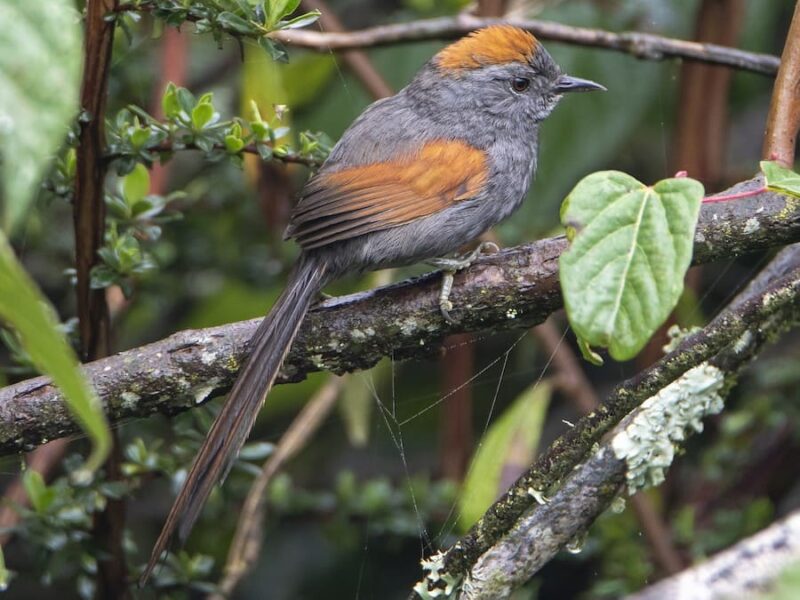
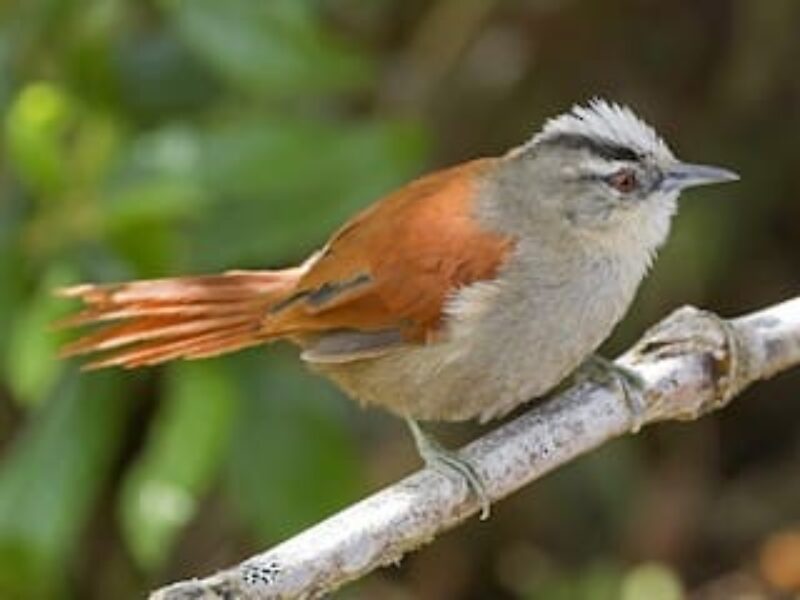
Discover the Magic of Birding Photography Huacarpay Machupicchu Abra Malaga 8 days.
Birding Photography Huacarpay Machupicchu Abra Malaga is not just a historical marvel—it’s also an incredible destination for birdwatching. Surrounded by lush, biodiverse cloud forests, this ancient Incan citadel offers birding opportunities that are truly unforgettable. Whether you’re a seasoned birdwatcher or simply a nature lover, you’ll be captivated by the vibrant array of bird species that call this region home.
Best Birdwatching Spots in Birding Photography Machu Picchu .
Start your birdwatching adventure on the famous hike to the Window of the Sun (Inti Punku), where you’ll find a variety of rare and endemic species. Look out for the Inca Wren and Brush-finches, both of which are unique to the
area. This trail perfectly blends breathtaking views and abundant birdlife, making it an ideal spot for birdwatchers exploring the iconic Machu Picchu ruins.
For a more immersive experience, spend a morning birdwatching in the Aguas Calientes area (5,578 feet), where the humid montane forest comes alive with the songs of chirping birds. The early morning hours offer the best opportunity to see these birds in action, as they are most active at dawn. You may also encounter other fascinating
wildlife Birding , such as vibrant butterflies and unfamiliar orchids, making this area a truly captivating nature escape.
Birding Photography Machu Picchu Avian Paradise .
Machu Picchu is nestled within the Machu Picchu Sanctuary, which spans a remarkable 352,590 hectares. Within this protected area, over 406 bird species have been recorded, making it one of the most biodiverse regions in the Andes and rainforest trips
Notable birds include the striking Andean Cock-of-the-rock and the colorful Mountain Tanager, both of which can be observed in their natural habitats. These species make for an unforgettable birdwatching experience.
Detailed Itinerary – Birding Photography Huacarpay Machupicchu Abra Malaga & Apurímac Jewels
Day 1 – Flight to Cusco, Huacarpay Birding & Transfer to Ollantaytambo .
We take an early morning flight from Lima to Cusco and head directly to Huacarpay Lake, one of the best introductions to Andean birdlife. In the dry scrub we will search for our first endemic of the tour, the Rusty-fronted Canastero.amazon Peru
The reedbeds and lake margins host an excellent mix of species, including Yellow-winged Blackbird, Many-colored Rush Tyrant, Wren-like Rushbird, and various waterfowl such as Puna Teal, Yellow-billed Pintail, Yellow-billed Teal, Cinnamon Teal, Andean Coot, White-tufted Grebe, and Puna Ibis.
Other highlights include Band-tailed Seedeater, Blue-and-yellow Tanager, Chiguanco Thrush, Streak-fronted Thornbird, Andean Flicker, Green-tailed Trainbearer, Golden-billed Saltator, Andean Lapwing, and raptors like Black-chested Buzzard-Eagle.
In the afternoon we transfer to Ollantaytambo, where the gardens of Hotel Pakaritampu offer relaxing birding and reliable chances to see Black-throated Flowerpiercer and the endemic Bearded Mountaineer.
Overnight: Hotel Pakaritampu, Ollantaytambo
Day 2 – Birding Photography Huacarpay Machupicchu the Abra Málaga Mountain Pass .
We start early to explore the legendary Abra Málaga, set beneath the imposing snowcapped Veronica Mountain. This high-elevation pass protects valuable Polylepis habitat and hosts numerous range-restricted specialties.
Key targets include White-browed Tit-Spinetail, Ash-breasted Tit-Tyrant, Giant Conebill, Line-fronted Canastero, Streak-headed Antpitta, Puna Tapaculo, Tit-like Dacnis, Junin Canastero, Tawny Tit-Spinetail, and the extremely rare Royal Cinclodes (Critically Endangered).
Other possible sightings include Andean Goose, Great Sapphirewing, White-tufted Sunbeam (endemic), Shining Sunbeam, Andean Parakeet, Mountain Caracara, and our first potential encounter with the Andean Condor.
Overnight: Hotel Pakaritampu, Ollantaytambo
Day 3 – Birding Photography Huacarpay Machupicchu Abra Malaga the Quillabamba Road .
Today we continue along the Quillabamba road, exploring the lower elevations of Abra Málaga. This lush transition zone offers a completely different bird community.
We search for several key endemics:
- Parodi’s Hemispingus
- Inca Wren
- Cuzco Brushfinch
- Marcapata Spinetail
- Unstreaked Tit-Tyrant
Additional species include Golden-collared Tanager, Scarlet-bellied Mountain Tanager, Grass-green Tanager, Plushcap, Black-eared Hemispingus, Three-striped Hemispingus, Puna Thistletail, Diademed Tapaculo, and Yungas Pygmy Owl.
Overnight: Hotel Pakaritampu, Ollantaytambo
Day 4 – Birding Photography Huacarpay Machupicchu Abra Malaga – Visit to Machu Picchu & Aguas Calientes .
After a scenic 1.5-hour train ride from Ollantaytambo we arrive in Aguas Calientes (Machu Picchu Pueblo). We spend the morning exploring the iconic ruins while also seeking the charismatic endemic Inca Wren and Pale-legged Warbler.
In the afternoon we walk along the railway, birding the lush forest and riverside. Likely sightings include Highland Motmot, Torrent Duck, White-capped Dipper, Torrent Tyrannulet, Saffron-crowned Tanager, Blue-necked Tanager, Azara’s Spinetail, Grey-breasted Wood Wren, Slate-throated Whitestart, and White-bellied Hummingbird.
Overnight: Casa Andina Classic Machu Picchu
Day 5 – Birding Photography Huacarpay Machupicchu Abra Malaga &Mandor Valley & Return to Cusco .
We spend a full morning exploring the Mandor Valley, an outstanding area of humid forest near Aguas Calientes. This location is excellent for both endemics and colorful mid-elevation species.
Targets include:
- Masked Fruiteater (endemic)
- Green-and-white Hummingbird (endemic)
- Versicolored Barbet
- Golden-naped & Silver-backed Tanagers
- Blue-naped Chlorophonia
- White-eared & Andean Solitaires
- Chestnut-capped Brushfinch
- Ocellated Piculet
- Slaty Tanager, Barred Becard, Golden-olive Woodpecker, Capped Conebill, and more.
In the afternoon we take the return train to Ollantaytambo and continue by road to Cusco.
Overnight: Casa Andina Cusco Hotel
Day 6 – Birding Photography Huacarpay Machupicchu Abra Malaga – Andean Condor Experience & Limatambo .
We travel to Limatambo to visit the dramatic Chonta Condor Viewpoint, one of the best sites in Peru for observing Andean Condors at close range. The cliffs and warm updrafts create ideal viewing conditions.
Other raptors include American Kestrel, Variable Hawk, Aplomado Falcon, and Black-chested Buzzard-Eagle.
The lodge grounds provide opportunities for several nocturnal species, with emphasis on the elusive Buff-fronted Owl. We also look for Pacific Pygmy Owl and the localized subspecies of Koepcke’s Screech Owl (sometimes referred to as the “Apurímac Screech Owl”).
Overnight: Limatambo
Day 7 – Birding the Mollepata Region .
Today we explore the Mollepata valley, a hotspot for Apurímac endemics. Key species include:
- Vilcabamba Tapaculo
- Creamy-crested Spinetail
- Apurímac Brushfinch
- Apurímac Spinetail
Other notable species are Chestnut-capped Brushfinch, Tyrian Metaltail, and additional ridge and scrub specialists. After dusk, we have another chance to search for Buff-fronted Owl.
Overnight: Limatambo
Day 8 – Tour Ends: Return to Cusco & Flight to Lima .
After an unforgettable week of Andean birding, we return to Cusco to catch our domestic flight back to Lima, where the tour concludes.
Birding Photography Huacarpay Machupicchu Abra Malaga 8 days .
Discover the Magic of Birdwatching in Machu Picchu: A Must-See for Nature Lovers – Machu Picchu is not just a historical wonder—it’s also an incredible birdwatching destination. Surrounded by the lush, biodiverse cloud forest, this ancient Incan citadel offers birding opportunities that are simply unforgettable. Whether you’re a seasoned birdwatcher or simply a nature enthusiast, you’ll be captivated by the vibrant array of bird species that call this area home.
Birding Photography Machu Picchu .
- Day 1 – Flight to Cusco, Huacarpay Birding & Transfer to Ollantaytambo .
- Day 2 – Birding Photography Huacarpay Machupicchu the Abra Málaga Mountain Pass .
- Day 3 – Birding Photography Huacarpay Machupicchu Abra Malaga the Quillabamba Road .
- Day 4 – Birding Photography Huacarpay Machupicchu Abra Malaga – Visit to Machu Picchu & Aguas Calientes .
- Day 5 – Birding Photography Huacarpay Machupicchu Abra Malaga &Mandor Valley & Return to Cusco .
- Day 6 – Birding Photography Huacarpay Machupicchu Abra Malaga – Andean Condor Experience & Limatambo .
- Day 7 – Birding the Mollepata Region .
- Day 8 – Tour Ends: Return to Cusco & Flight to Lima .
- Bilingual local tour guide.
- Meals according to requirement (vegetarian).
- Purified water.
- Transfer transportation to the airport.
- Rooms with private bathroom.
- First-aid kit.
Birding Photography Huacarpay Machupicchu Abra Malaga .
1. What is the climate like during this birdwatching trip?
Machu Picchu and the surrounding areas offer a diverse climate. The lowlands tend to be hot and humid, while higher altitudes like Abra Malaga can be very cold. In the dry season, a “Friaje” (cold front) can bring cool weather and rain from the south, so be prepared for a range of conditions.
2. How difficult is this birdwatching trip?
This trip is of moderate difficulty. While the walking is generally easy, expect long journeys and early starts. The hike up to Polylepis is optional, allowing you to stay with the bus if preferred.
3. What types of accommodation are provided?
Accommodation varies from simple jungle lodges with limited electricity to standard hotels in key locations. In Lima, your hotel choice depends on flight schedules, offering either a convenient stay or a quieter one.
4. How many bird species can I expect to see?
Machu Picchu is home to 443 bird species, with 16 of them being threatened species. The region’s incredible diversity includes iconic species like the Andean Condor, Andean Toucan, Royal Churrete, and the endemic Masked Fruiteater.
5. What are the key birdwatching locations?
The Sacred Historical Sanctuary (SHM): A haven for rare and endemic birds.
The Window of the Sun (Inti Punku): Offers views of the Inca Wren and Brush-finches, among other species.
Aguas Calientes Area: Known for its humid montane forest, this area provides excellent birdwatching, especially at dawn.
6. What can I expect on Day 1 of the birding trip?
Travel: Start the day with a two-hour bus journey from Cusco to Ollantaytambo, then take a train to Aguas Calientes.
Birdwatching: The afternoon will be spent at the botanic garden, with potential sightings of species such as Green Hermit, Chestnut-breasted Coronet, Masked Fruiteater, and various tanagers.
Overnight: Stay in Aguas Calientes.
7. What does Day 2 involve?
Morning: Explore Machu Picchu’s Citadel, an iconic site known for its stunning views and archaeological significance.
Birdwatching: The area around Machu Picchu is home to endemic species like the Inca Wren, and you may also spot species like the Mitred Parakeet and Green-and-white Hummingbird.
Afternoon: Return to Cusco after a full day of birdwatching.
8. Why is Machu Picchu an exceptional destination for birdwatching?
Machu Picchu offers a mix of historical intrigue and natural beauty, with over 406 recorded bird species within the Machu Picchu Sanctuary. This biodiversity, combined with breathtaking landscapes, creates a unique birdwatching experience.
9. What are some of the notable bird species found here?
- Andean Cock-of-the-Rock
- Mountain Tanager
- Inca Wren
- Andean Condor
- Andean Toucan
10. Why is birdwatching in Machu Picchu considered a once-in-a-lifetime experience?
The combination of rare bird species, diverse ecosystems, and the stunning backdrop of the Andes makes birdwatching in Machu Picchu a truly unforgettable experience. Whether you’re a seasoned birdwatcher or a nature lover, this adventure offers a unique and enriching opportunity.
11. What should I bring for birdwatching?
Binoculars for better sightings of distant birds.
A guidebook to help identify the species you encounter.
Camera equipment for bird photography.
Comfortable clothing and footwear for hiking.
12. What other wildlife might I encounter during the birding trip?
In addition to birds, you might spot vibrant butterflies, unique orchids, and other wildlife native to the cloud forest ecosystem.
13. Is there a best time to go for birdwatching?
The best time is early in the morning when the birds are most active. However, different species can be seen throughout the day, so plan to stay flexible and attentive to wildlife sightings.
14. Are the birdwatching guides experienced?
The trip includes experienced guides who are knowledgeable about the local bird species and ecosystems, ensuring you don’t miss any fascinating bird sightings.
15. Can I do this trip if I’m not a professional birdwatcher?
Absolutely This birding trip is designed for both seasoned birdwatchers and nature lovers who are new to birding. The guides will provide all the information you need to enjoy the experience, and you’ll be amazed by the diversity of birdlife even if you’re a beginner.
16. What are the risks of the “Friaje” cold front?
The “Friaje” cold front can bring sudden drops in temperature and rain. It’s important to pack appropriately with layers to adjust to temperature changes, including a waterproof jacket.
17. Can I opt out of the hike to Polylepis?
if you prefer not to hike to Polylepis, you can stay with the bus and continue the trip without missing out on the birding experience.
18. Will there be opportunities for photography during the trip?
Yes, the trip is tailored for birding photography, offering numerous opportunities to capture stunning images of the diverse bird species and scenic landscapes of Machu Picchu.
19. Are the hotels and lodges comfortable?
Yes, the accommodations are comfortable, though simple, with some lodges offering limited electricity. In Lima, hotels are selected for their convenience or peaceful ambiance, depending on your needs.
20. How do I prepare for the trip?
Bring essentials: Binoculars, camera, light clothing, layers for cooler weather, a rain jacket, and a guidebook.
Physical preparation: While the trip is moderate in difficulty, being comfortable with some walking and early mornings will enhance your experience.