Machupicchu Birdwatching .
Birdwatching in Machu Picchu :Whether you’re a seasoned birdwatcher or a nature lover, Machu Picchu offers a truly unique birdwatching experience. The combination of diverse habitats, towering mountains, and lush forests creates an ideal environment for a wide variety of bird species. From majestic eagles to colorful tanagers, the birds of Machu Picchu are waiting to be discovered. Grab your binoculars, pack your camera, and get ready for an unforgettable birdwatching adventure in one of the world’s most spectacular natural reserves!
Machupicchu Birdwatching
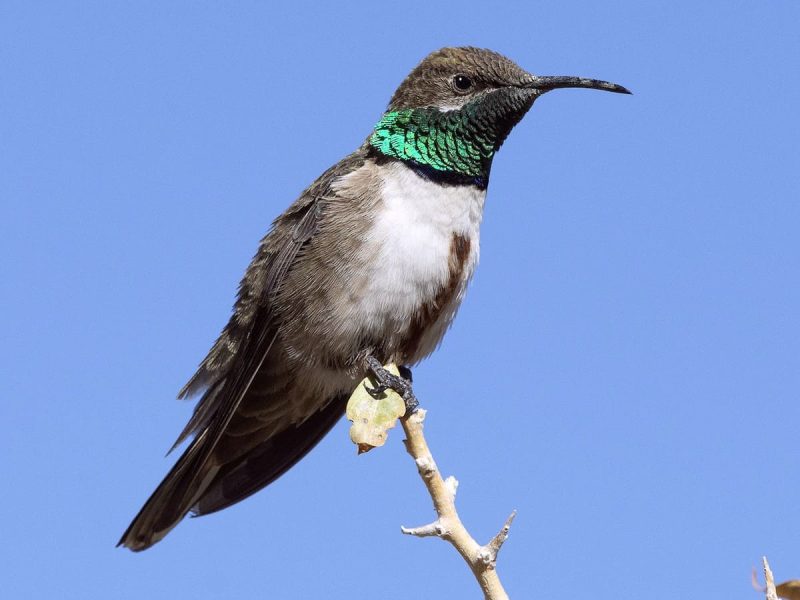
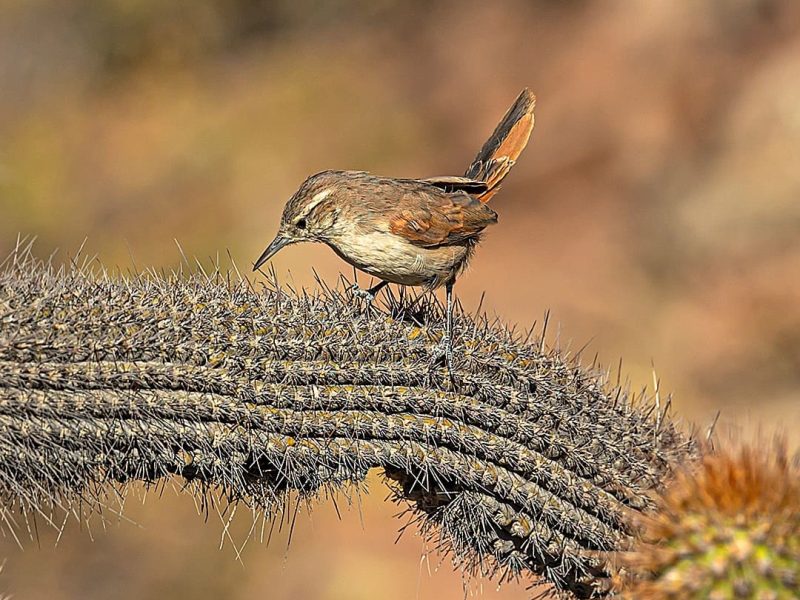
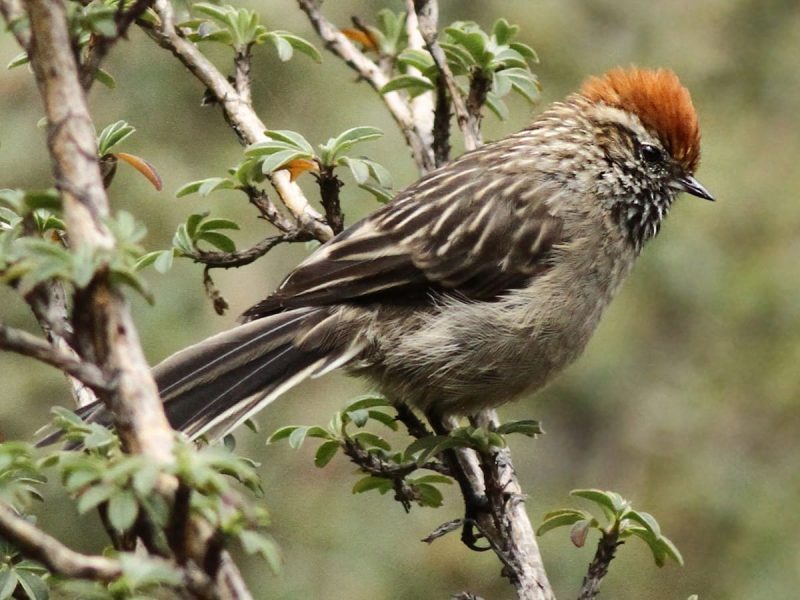
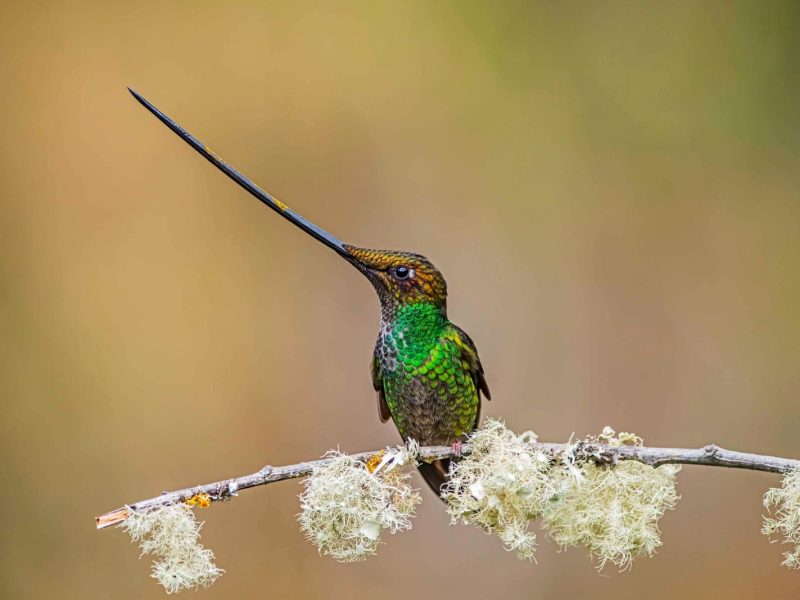
Machupicchu Birdwatching
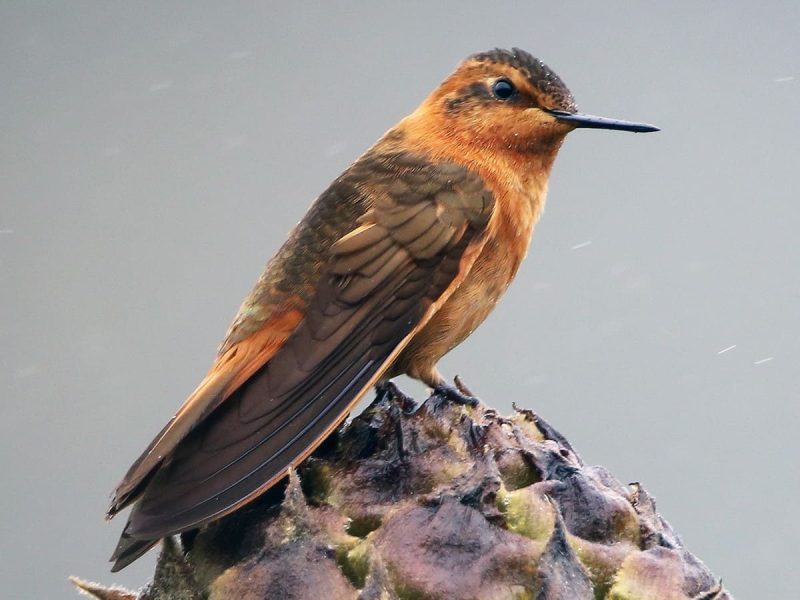
Machupicchu Birdwatching is a rewarding experience for travelers who enjoy nature and wildlife. The sanctuary’s combination of cloud forest, steep mountain slopes, and lush vegetation creates an ideal habitat for a remarkable variety of birds.
During a hike, you may spot colorful hummingbirds, tanagers, toucans, motmots, and other Andean and cloud-forest species. One of the most sought-after sightings is the Andean cock-of-the-rock, Peru’s national bird, although seeing one in the wild requires patience and a little luck. manu birding
Bird sightings are never guaranteed. Your chances depend on the season, weather, time of day, trail, and habitat. Early mornings are generally a good time for bird watching, when many species are active and the forest is quieter.
For the best experience, bring binoculars, a camera with a zoom lens, comfortable walking shoes, and plenty of patience. Remember to observe birds from a respectful distance and avoid making loud noises or feeding wildlife.
Tip: If bird watching is a priority during your Machu Picchu trip, consider visiting with a knowledgeable local guide who can help identify species by their calls, behavior, and habitat.
Machupicchu Birdwatching
Black-and-Chestnut Eagle
A striking eagle with dark plumage and chestnut patches. It soars high above the cloud forest, hunting with excellent vision.
Andean Hawk
A rare hawk with mottled brown feathers. It hunts small animals and can sometimes be seen along the Inca Trail.
Andean Condor
Peru’s famous national bird. These huge birds glide above the Andes using thermal currents.
Colorful Birds
Masked Fruiteater
A small green bird with an orange bill. It feeds mainly on fruits in the cloud forest.
Andean Cock-of-the-Rock
Peru’s national bird, famous for its bright orange head and black body. It feeds on fruits and helps disperse seeds.
Masked Trogon
A colorful bird with a green head, black feathers, and red breast. It lives in the cloud forests around Machu Picchu.
Tanagers and Hummingbirds
Blue-and-Yellow Tanager
A colorful bird with a blue head and yellow body. It helps control insects and disperse seeds.
Scarlet-Bellied Mountain Tanager
A beautiful blue-and-red bird that feeds on fruits, insects, and nectar. Manu trips peru
Collared Inca Hummingbird
A small hummingbird with a blue crown and white chest. It feeds on nectar and helps pollinate flowers.
Top Birdwatching Locations
Intipunku (Sun Gate)
A scenic viewpoint offering excellent opportunities to spot birds around Machu Picchu.
Huayna Picchu
Its lush vegetation provides a good habitat for many bird species.
Inca Trail
One of the best birdwatching routes, with many different habitats and species.
Bird Photography Tips
Know Your Subject: Learn bird behavior to improve your chances of a good photo.
Shoot at Eye Level: Focus on the bird’s eyes for better portraits.
Best Time: Early morning is ideal because birds are more active.
Equipment: Use a zoom lens of 200mm or more. Binoculars are also useful. macaw clay lick tambopata
Machupicchu Birdwatching
Majestic Machupicchu Birdwatching of Prey: Raptors of Machu Picchu
Black-and-Chestnut Eagle
The Black-and-Chestnut Eagle (Spizaetus isidori) is one of the most striking birds of prey in Machu Picchu. With its dark plumage and chestnut patches, it soars gracefully at high altitudes, hunting from the canopy’s highest points. These eagles rely on their keen vision and agility to track down prey from great distances, making them a thrilling sight if you’re lucky enough to spot one above the ancient citadel.
Andean Hawk
Spotting the Andean Hawk (Geranoaetus polyosoma) is a rare treat, particularly during the winter months when it migrates to the Machu Picchu Sanctuary. With its mottled brown feathers and sharp eyesight, this hawk skillfully hunts rodents and small animals in the misty jungle surroundings. Although not commonly seen near the Inca city, they’re often visible during a trek along the Inca Trail.
Andean Condor
The Andean Condor (Vultur gryphus) is a national symbol of Peru, revered for its incredible size and soaring flight. These majestic birds are often seen gliding high above the Andean mountains, riding thermal currents. If you’re fortunate, you might catch a glimpse of an Andean condor during your visit to Huayna Picchu or while hiking the Inca Trail.
Fascinating and Colorful Birds: The Tropical Wonders of Machupicchu Birdwatching
Masked Fruiteater
Endemic to the Andes, the Masked Fruiteater (Pipreola pulchra) is easily recognizable by its vibrant green feathers and distinct orange bill. This small, fruit-loving bird is often spotted in the middle levels of the humid cloud forest, feeding on fruit trees that thrive in the Machu Picchu Sanctuary.
Andean Cock-of-the-Rock
The Andean Cock-of-the-Rock (Rupicola peruviana), Peru’s national bird, is famous for its striking bright orange head and black body. Its flamboyant plumage makes it one of the most beautiful birds on Earth. These birds are essential for dispersing seeds of fruit trees, which are their primary diet. With only 3,000 individuals remaining, they’re a conservation priority, making each sighting a memorable one.
Masked Trogon
The Masked Trogon (Trogon personatus) is a stunning bird with black feathers, a red breast, and an iridescent green head. This bird can be found in the cloud forests near Aguas Calientes, the gateway to Machu Picchu, where it plays a key role in seed dispersal by feeding on fruits from trees.
Vibrant Tanagers and Hummingbirds: The Jewel Machupicchu Birdwatching
Blue-and-Yellow Tanager
The Blue-and-yellow Tanager (Thraupis bonariensis) is a colorful bird that can often be spotted in the dense vegetation around Machu Picchu. With its bright blue head and yellow belly, this species is not only a visual delight but also plays an important ecological role in pest control and seed dispersal.
Scarlet-Bellied Mountain Tanager
The Scarlet-bellied Mountain Tanager (Anisognathus igniventris) is an avian gem with a bright blue back and scarlet belly. This stunning bird helps maintain ecological balance by feeding on fruits, insects, and nectar, contributing to pollination and seed dispersal.
Collared Inca Hummingbird
Found in the cloud forests of the Machu Picchu Sanctuary, the Collared Inca Hummingbird (Coeligena torquata) is
an exquisite species known for its striking blue crown and white chest. Its diet primarily consists of nectar from
flowers and insects, helping to pollinate plants and maintain the rich biodiversity of the region.
Top Birdwatching Locations in Machu Picchu
To make the most of your birdwatching experience in Machu Picchu, visit these prime spots:
Intipunku (Sun Gate)
Offering a breathtaking panoramic view of Machu Picchu and the surrounding landscape, Intipunku is a must-visit for birdwatchers.
Accessible only during the high season (June to October), it provides ample opportunities for spotting various bird species.
Huayna Picchu
Famed for its iconic views of the Inca city, Huayna Picchu is another great spot for birdwatching. As you ascend, the lush vegetation provides an ideal habitat for birds, and with limited entry, you can enjoy peaceful observation.
Inca Trail
The Inca Trail is arguably the best place for birdwatching in the region. Spanning diverse altitudes and climates, this
historic trek allows you to observe over 200 bird species that inhabit the different ecosystems along the way.
Bird Photography Tips: Capture the Beauty of Machu Picchu’s Avian Life
Birdwatching isn’t just about observing; it’s about capturing those fleeting moments. Here are some essential tips for photographing birds in Machu Picchu:
Know Your Subject: Take time to study the birds’ behavior and movements to improve your chances of capturing the perfect shot.
Shoot at Eye Level: Focus on the eyes to create engaging and dynamic bird portraits.
Best Time for Photography: Early morning, especially during the dry season, is the best time to photograph
birds, as they are more active.
Equipment: A good zoom lens (ideally 200mm or more) will help you capture distant birds in stunning detail.
Remember, tripods are not allowed at Machu Picchu, but binoculars can be a helpful tool to spot birds before you take the shot.
Frequently Asked Questions About Bird Watching in Machu Picchu .
How many bird species are found in Machu Picchu?
SERNANP currently reports 444 bird species in the Historic Sanctuary of Machupicchu. The exact birds you can encounter during a particular visit will depend on habitat, season, weather and location.
What is the most famous bird in Machu Picchu?
The Andean cock-of-the-rock is one of the most famous birds associated with the Machu Picchu area. Its spectacular orange-red male plumage makes it a favorite among birdwatchers and photographers. Peru’s official tourism birdwatching platform identifies the cloud forests around Machu Picchu as habitat for this species.
Can I see the Andean condor at Machu Picchu?
It is possible, but sightings are not guaranteed. The Andean condor is part of the fauna documented in the Historic Sanctuary, and its soaring behavior means open mountain viewpoints can be worth scanning.
What is the best month for bird watching in Machu Picchu?
There is no single perfect month. For generally more favorable travel conditions, April through October is the recommended visiting season according to SERNANP. Early mornings are particularly useful for birdwatching throughout the year.
Do I need binoculars for bird watching in Machu Picchu?
Binoculars are not essential, but they are strongly recommended. Many birds remain high in the canopy or at a considerable distance, making them difficult to identify with the naked eye.
Can I take professional bird photographs at Machu Picchu?
Yes, you can photograph birds, but you must follow the site’s rules. In particular, the current code of conduct prohibits tripods, monopods, selfie sticks and other stabilization or extension accessories inside the llaqta.
Is bird watching suitable for beginners?
Absolutely. You do not need previous birdwatching experience. Start with binoculars, learn a few common species and pay attention to bird calls and movement.
A local guide can make the experience considerably easier for beginners.
Bird Watching in Machu Picchu: Best Birds, Places, Seasons and Photography Tips
Bird watching in Machu Picchu is an extraordinary way to experience the natural side of one of Peru’s most famous destinations. Beyond its Inca stonework and spectacular mountain scenery, the Historic Sanctuary of Machupicchu protects a remarkable variety of ecosystems where hummingbirds, tanagers, toucans, parakeets, raptors and other Andean birds can be observed.
The Historic Sanctuary of Machupicchu is home to 444 recorded bird species, according to Peru’s National Service of Natural Areas Protected by the State (SERNANP). Its combination of humid montane forests, steep cliffs, river valleys and high-Andean environments creates excellent conditions for bird diversity.
For travelers interested in wildlife, bird photography or nature tourism, Machu Picchu offers something special: you can combine a world-famous archaeological site with the opportunity to explore one of Peru’s richest mountain ecosystems.
Quick answer: The best way to enjoy bird watching in Machu Picchu is to explore the surrounding cloud forests and Inca Trail routes with binoculars and, ideally, a knowledgeable local birding guide. Early mornings generally offer the best conditions for observing active birds.
Table of Contents
Why Is Machu Picchu Ideal for Bird Watching?
What Birds Can You See in Machu Picchu?
Best Places for Bird Watching in Machu Picchu
Best Time for Bird Watching in Machu Picchu
Bird Photography Tips
What Equipment Should You Bring?
Are Binoculars and Cameras Allowed at Machu Picchu?
Responsible Bird Watching and Conservation
Frequently Asked Questions
Final Tips for Bird Watchers
Why Is Machu Picchu Ideal for Bird Watching?
The natural appeal of Machu Picchu goes far beyond the famous citadel. The Historic Sanctuary of Machupicchu covers 32,592 hectares and contains 24 different wild ecosystems, ranging from humid montane forests to high mountain environments. This dramatic variation in altitude and habitat explains the area’s exceptional biodiversity.
The sanctuary is particularly interesting for birdwatchers because the eastern slopes of the Andes create a transition between high-Andean environments and the humid forests of the eastern Andes.
As you move through different elevations, the scenery and birdlife can change quickly. A short walk may take you from open mountain landscapes into dense vegetation filled with hummingbirds and tanagers.
SERNANP specifically identifies hummingbirds, tanagers, parakeets, toucans and the Andean cock-of-the-rock among the birdlife that can be encountered along several Inca Trail routes.
A Sanctuary with Exceptional Biodiversity
The Historic Sanctuary of Machupicchu is officially recognized as one of Peru’s areas with particularly high biodiversity. In addition to its 444 bird species, SERNANP records 332 tree species, 75 mammal species, 14 amphibian species, 24 reptile species and 365 butterfly species.
This ecological richness makes Machu Picchu an excellent destination for travelers who want to combine:
Bird watching
Wildlife photography
Hiking
Nature tourism
Orchid observation
Cultural tourism
Responsible ecotourism
In other words, you do not have to choose between history and nature. At Machu Picchu, the two experiences are closely connected.
What Birds Can You See in Machu Picchu?
One of the most exciting aspects of bird watching in Machu Picchu is the variety of species that may appear during a hike. However, bird sightings are never guaranteed. Weather, season, habitat and time of day all influence what you will see.
Here are some of the most interesting birds to look for.
Andean Cock-of-the-Rock
The Andean cock-of-the-rock (Rupicola peruvianus) is one of the most spectacular birds associated with the cloud forests of Peru.
The male is particularly striking, with intense orange-red plumage, black wings and a prominent rounded crest. Males gather at traditional display sites, known as leks, where they compete for the attention of females.
Peru’s official birdwatching tourism platform identifies the cloud forest around Machu Picchu as one of the places where this species can be observed.
Birding tip: Look and listen carefully in humid forest areas, particularly where dense vegetation and rocky slopes create suitable habitat.
Andean Condor
The Andean condor (Vultur gryphus) is one of the most iconic birds of the Andes.
Its enormous wings allow it to soar for long periods using rising air currents. Although seeing a condor at Machu Picchu is not guaranteed, the mountainous landscape provides an appropriate setting for these magnificent birds.
SERNANP lists the Andean condor among the representative fauna of the Historic Sanctuary of Machupicchu.
Birding tip: Scan cliffs and open skies rather than concentrating only on the forest canopy.
Black-and-Chestnut Eagle
The black-and-chestnut eagle is an impressive forest raptor that may be encountered in the sanctuary.
It is considerably more difficult to spot than many of the smaller birds because it spends much of its time in or above the forest canopy.
Peru’s official tourism birdwatching information includes the species among the birds recorded around Machu Picchu.
Hummingbirds
Hummingbirds are among the most rewarding birds for first-time birdwatchers because their small size, rapid movements and brilliant colors make every sighting memorable.
Depending on the habitat and location, visitors may encounter several hummingbird species.
Some birds to look for in the broader Machu Picchu and Cusco cloud-forest region include:
Green-and-white hummingbird
Chestnut-breasted coronet
Gould’s Inca
Sparkling violetear
Other forest hummingbirds
The key is to look for flowering plants and listen for the characteristic rapid wingbeats.
Photography tip: Rather than chasing a moving hummingbird, find a flowering plant and wait patiently. Birds often return to productive feeding spots.
Tanagers
Tanagers are another major attraction for birdwatchers visiting Machu Picchu.
These colorful forest birds frequently move through the canopy and middle levels of vegetation, sometimes in mixed-species feeding groups.
Possible sightings in the region include colorful mountain tanagers and other species associated with humid Andean forests.
SERNANP specifically highlights tanagers among the bird diversity found along the Inca Trail routes.
Inca Wren
The Inca wren is a particularly interesting species for visitors who enjoy finding birds that are closely associated with the Andes.
It is not as visually spectacular as the Andean cock-of-the-rock, but its behavior and habitat make it an enjoyable species to search for while walking through forested areas.
Peru’s official tourism information identifies the Inca wren among the birds that can be observed in the Machu Picchu area.
Torrent Duck
If your itinerary takes you near suitable fast-flowing rivers, keep an eye out for the torrent duck.
This unusual duck is adapted to life around rushing Andean rivers and is among the representative fauna documented for the Historic Sanctuary of Machupicchu.
Finding one can be particularly rewarding because it adds a completely different type of bird habitat to your Machu Picchu experience.
Best Places for Bird Watching in Machu Picchu
Not every part of a Machu Picchu visit offers the same birding opportunities. For serious birdwatching, the surrounding sanctuary and its forested trails are often more productive than simply walking through the archaeological citadel.
1. Inca Trail
The Inca Trail is one of the best options for travelers who want to combine hiking and bird watching.
SERNANP identifies bird diversity along several routes, including hummingbirds, tanagers, parakeets and other forest birds. Some routes also offer opportunities to encounter toucans and the Andean cock-of-the-rock.
The changing elevation is particularly valuable because different habitats support different bird communities.
Best for: Dedicated birdwatchers, hikers and wildlife photographers.
2. Cloud Forest Around Machu Picchu
The humid cloud forest surrounding Machu Picchu provides some of the most interesting habitat for bird enthusiasts.
This is where travelers have opportunities to search for hummingbirds, tanagers, trogons, barbets, the Andean cock-of-the-rock and other forest species.
The official Peru birdwatching platform specifically highlights the cloud forest around Machu Picchu as habitat for the Andean cock-of-the-rock.
Best for: Forest birds and photography.
3. Intipunku and Surrounding Trails
Intipunku, also known as the Sun Gate, provides impressive views across the mountains and surrounding landscape.
Open viewpoints can be useful for scanning the sky for soaring birds, while forested sections of the approach may produce smaller species.
However, remember that access to Machu Picchu is organized through designated circuits and routes. Always follow the route assigned to your ticket.
4. Machu Picchu Mountain Area
The changing elevation around Machu Picchu Mountain creates opportunities to observe birds associated with different habitats.
The trail is physically demanding, so it is better suited to travelers who want to combine hiking with opportunistic birdwatching rather than visitors planning a dedicated birding session.
5. Lower Forest and River Habitats
Lower-elevation areas around Machu Picchu Pueblo and the Urubamba River can offer different bird species from those found higher on the mountains.
If birdwatching is a major priority, consider spending additional time in the surrounding natural areas rather than limiting your wildlife experience to the archaeological site itself.
What Is the Best Time for Bird Watching in Machu Picchu?
The official SERNANP visitor information recommends April through October as the preferred visiting season for the Historic Sanctuary of Machupicchu, while November through March is generally the wetter season.
However, birdwatching can be rewarding throughout the year.
Early Morning Is Usually Best
For birdwatching, early morning is generally the most productive period.
Birds are often more active after sunrise, when they feed, sing and move between different parts of the forest.
For better results:
Start as early as your itinerary allows.
Listen for bird calls before searching visually.
Stop frequently rather than walking continuously.
Scan flowering plants for hummingbirds.
Check the canopy for tanagers and larger birds.
Look toward cliffs and open skies for raptors.
Dry Season: April to October
April through October is often attractive for travelers because rainfall tends to be lower and conditions can be more predictable. SERNANP identifies this period as the recommended visiting season for the sanctuary.
Nevertheless, the dry season does not mean guaranteed sunshine. Mountain weather can change rapidly, so pack accordingly.
Rainy Season: November to March
The wetter months can make hiking more challenging, but rain also contributes to the lush vegetation that characterizes the cloud forest.
Birdwatchers should not automatically dismiss the rainy season. If you are comfortable hiking in changing weather, you may still enjoy excellent wildlife encounters.
Bird Photography in Machu Picchu
Bird photography at Machu Picchu requires patience more than expensive equipment.
Birds move quickly, the forest can be dark, and dense vegetation often makes focusing difficult.
Use a Telephoto Lens
A telephoto lens allows you to photograph birds without approaching them too closely.
A lens around 300 mm or longer can be useful for small or distant birds, although modern mirrorless cameras and high-resolution sensors can provide additional flexibility.
Use Fast Shutter Speeds
Hummingbirds and other small birds move incredibly quickly.
A faster shutter speed can help freeze wing movement and reduce motion blur.
Use Continuous Autofocus
Continuous autofocus can help maintain focus as a bird moves between branches.
Also consider burst shooting when the bird is particularly active.
Photograph in Soft Morning Light
Early morning light can provide attractive colors while reducing the harsh contrast that can occur in the middle of the day.
Cloudy conditions can also produce surprisingly good bird photographs because the light is softer and more even.
Do Not Chase the Bird
One of the most common mistakes beginners make is moving toward a bird every time it appears.
Instead, stop, observe its behavior and try to predict where it will move next.
This produces better photographs and reduces disturbance to wildlife.
What Equipment Should You Bring for Bird Watching?
You do not need a professional setup to enjoy bird watching in Machu Picchu.
Recommended birdwatching equipment
Binoculars: 8x or 10x binoculars are practical for most travelers.
Camera: A camera with a telephoto lens is ideal for photography.
Extra batteries: Cold, wet conditions and frequent photography can drain batteries.
Memory cards: Bring sufficient storage for photos and video.
Rain protection: A lightweight waterproof cover can protect your equipment.
Field guide or birding app: Useful for identifying unfamiliar species.
Notebook: Helpful for recording species, locations and observations.
Neutral-colored clothing: Less visually intrusive than bright colors.
Comfortable hiking shoes: Essential on uneven mountain trails.
Can You Bring Binoculars to Machu Picchu?
Yes. Binoculars are an excellent accessory for birdwatchers and make it possible to observe birds without approaching them.
They are especially useful for scanning distant trees, cliffs and open mountain slopes.
Can You Bring a Tripod to Machu Picchu?
No.
This is an important update for photographers. The current official Machupicchu code of conduct prohibits tripods, monopods, selfie sticks and other camera or cellphone stabilization and extension accessories inside the llaqta.
Therefore, do not plan a Machu Picchu bird photography session around a tripod.
A handheld camera with image stabilization is a much more practical option.
Responsible Bird Watching in Machu Picchu
Bird watching should never come at the expense of the wildlife you came to see.
Machu Picchu is a protected natural and cultural area, and visitors are expected to respect its conservation rules.
The official rules prohibit feeding wild animals, disturbing or collecting flora and fauna, making loud noises and leaving designated circuits and routes.
Follow these principles:
Never Feed Birds
Feeding wildlife can alter natural behavior and make animals dependent on humans.
Keep Your Distance
Use binoculars and telephoto lenses instead of approaching birds.
Avoid Playback
Playing bird calls from a phone or speaker can disturb territorial behavior, especially during breeding periods.
Keep Noise Low
Birdwatching is much more rewarding when you slow down and listen.
Avoid shouting, loud conversations and sudden movements.
Stay on Authorized Routes
Do not leave designated paths to approach a bird.
This protects both the ecosystem and the archaeological heritage of Machu Picchu.
Never Touch Nests or Eggs
Even a seemingly harmless disturbance can cause birds to abandon a nesting site.
Should You Hire a Birdwatching Guide in Machu Picchu?
If birds are an important part of your trip, hiring a local birdwatching guide can significantly improve your experience.
An experienced guide can:
Identify birds by their calls.
Recognize movement in dense vegetation.
Know productive habitats.
Help distinguish similar species.
Explain bird behavior.
Improve your chances of finding less obvious species.
Help you observe wildlife without disturbing it.
A guide is particularly valuable for travelers who have never birdwatched in an Andean cloud forest.
Final Tips for Bird Watching in Machu Picchu
Bird watching in Machu Picchu is about more than creating a long checklist of species. It is an opportunity to experience the extraordinary relationship between the Andes, cloud forests and wildlife surrounding the Inca sanctuary.
For the best experience:
Go early in the morning.
Bring binoculars.
Carry weather protection for your camera and yourself.
Listen for bird calls as well as looking for movement.
Spend time in forested areas rather than focusing exclusively on the ruins.
Consider hiring a knowledgeable local birdwatching guide.
Never feed, chase or disturb birds.
Stay on authorized trails and follow current visitor regulations.
Do not bring a tripod or other prohibited camera-support equipment into the llaqta.
Be patient—some of the most memorable sightings happen when you stop and simply observe.
Machu Picchu may be famous for its Inca history, but its surrounding forests reveal another extraordinary story. With 444 recorded bird species, dramatic changes in elevation and habitats ranging from humid montane forests to high mountain landscapes, the Historic Sanctuary offers an exceptional setting for travelers who want to combine culture, hiking and wildlife observation.
Bird watching in Machu Picchu
Birdwatching in Machu Picchu
Birds in Machu Picchu
Bird watching Machu Picchu
Machu Picchu bird species
Bird photography in Machu Picchu
Best birds to see in Machu Picchu
Machu Picchu birdwatching tour
Andean birds in Machu Picchu
Hummingbirds in Machu Picchu
Andean cock-of-the-rock Machu Picchu