List Birding Manu Road
Exploring Avian Diversity: Birding Manu Road
Welcome to part 2 of our journey through Manu National Park, where we explore its vibrant birdlife. This biodiverse paradise is home to an extraordinary variety of species, from toucans and raptors to warblers and parrots. The park’s range of habitats, from cloud forests to oxbow lakes, supports a rich array of birds that can be observed while trekking through its trails or by the riverside.
Birds like the vibrant toucans, elusive antbirds, and shimmering hummingbirds paint the landscape with color, while majestic parrots and rare flycatchers add to the wonder. Every moment in Manu National Park holds the promise of a new avian discovery, whether you’re a passionate birder or simply an admirer of nature’s beauty.
Grab your binoculars, listen to the forest’s symphony, and join us in exploring the incredible birds of Manu National Park. Every species here represents the park’s commitment to preserving biodiversity
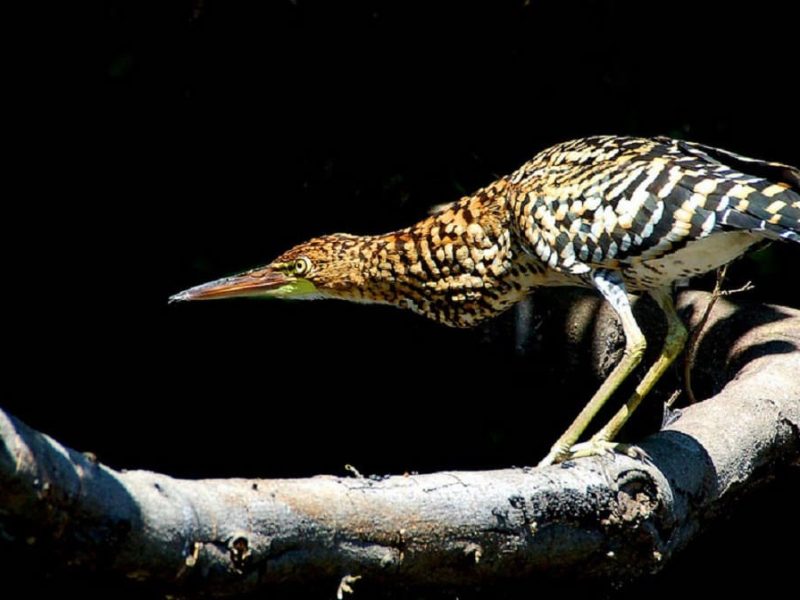
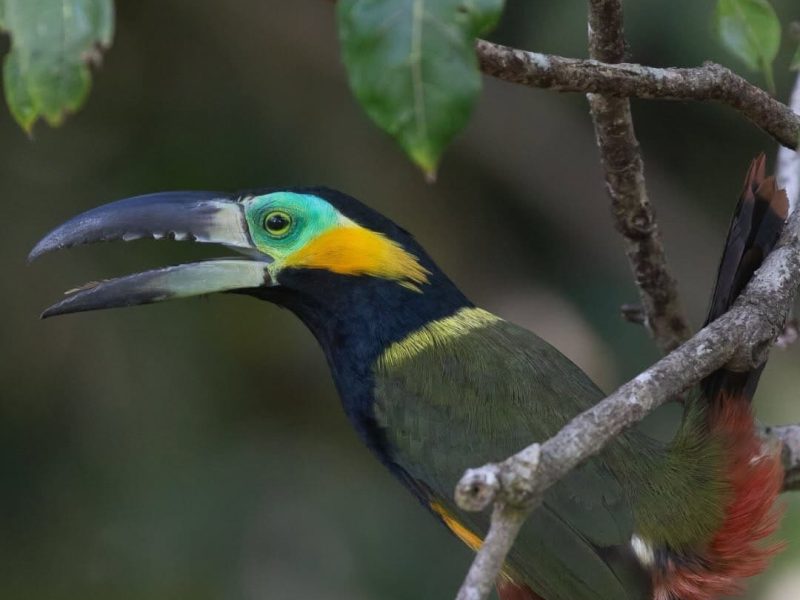
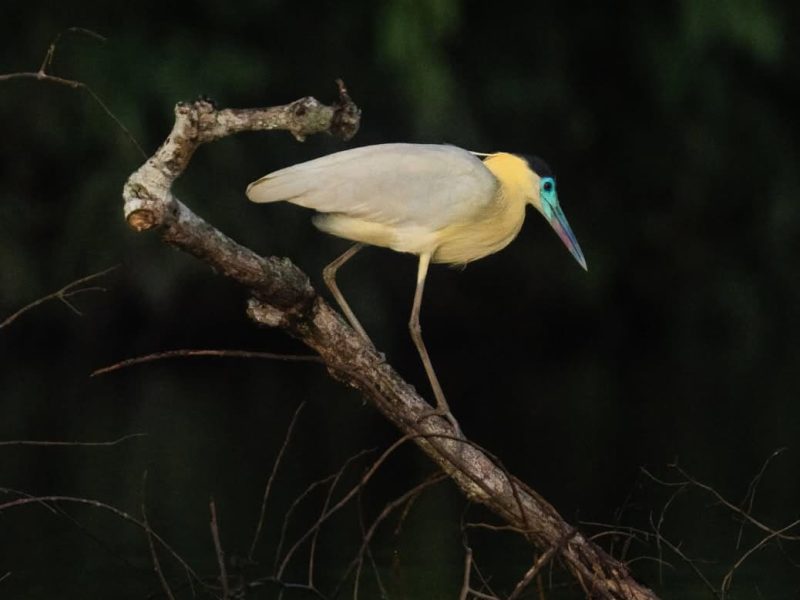
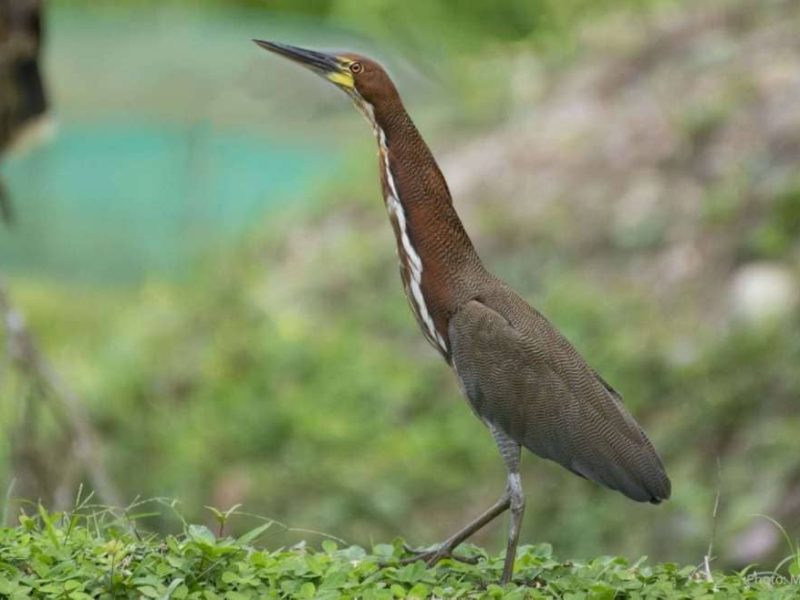
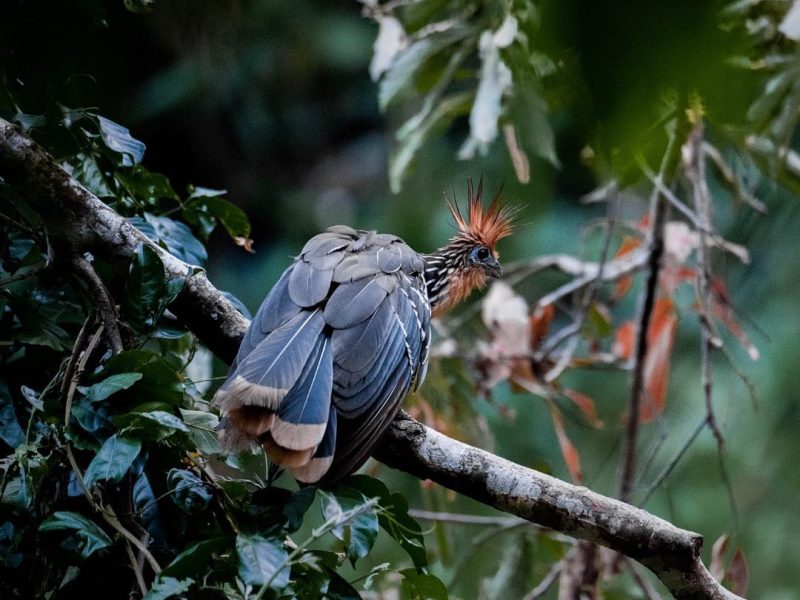
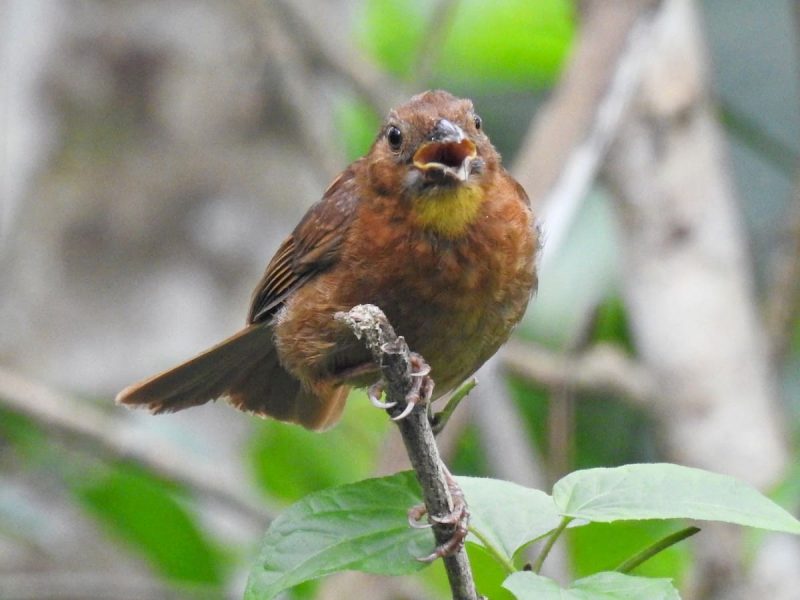

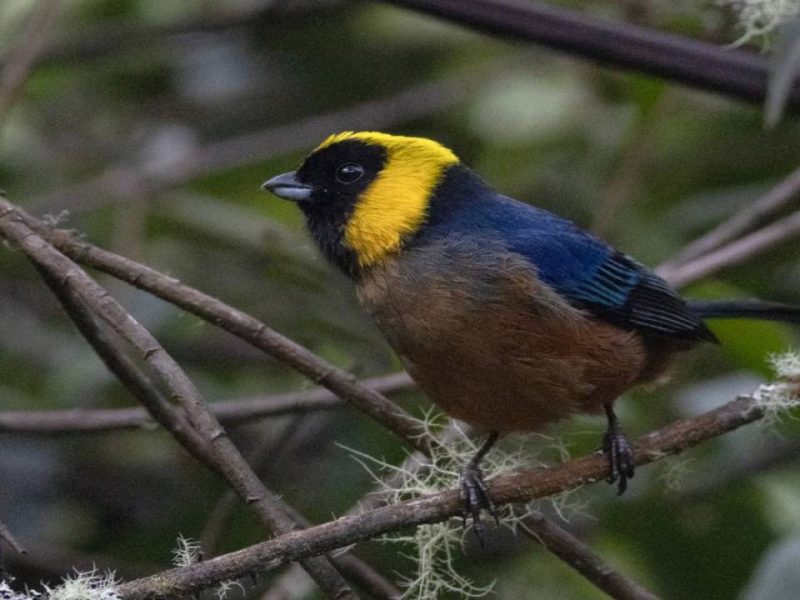
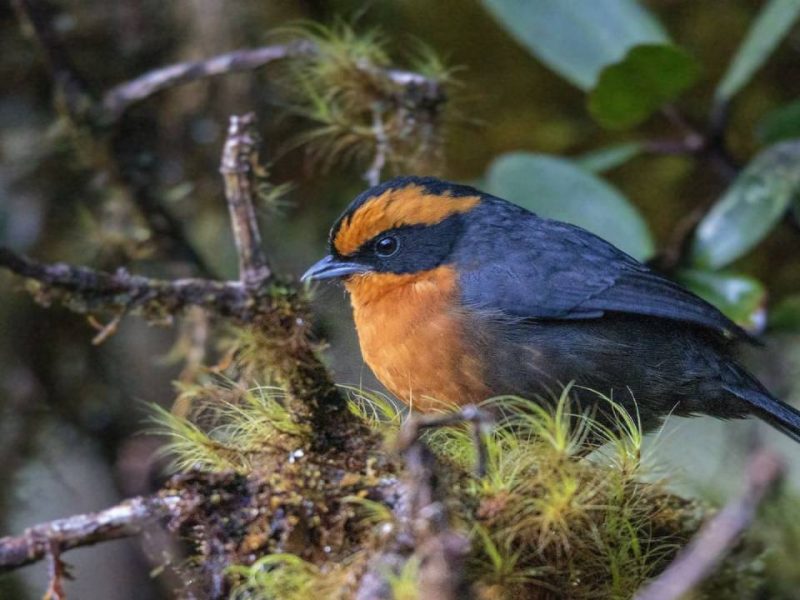
List Birding Manu Road
List Birding Manu Road Discover the Hidden Gem of Peru: Manu Biosphere Reserve
Located in the heart of Peru, the Manu Biosphere Reserve is a paradise for nature lovers, birdwatchers, and wildlife enthusiasts. Spanning an impressive 1,841,806 hectares, this UNESCO World Heritage Site is home to one of the most biodiverse ecosystems on the planet, boasting 575 species of birds, including rare and migratory species that only visit on special occasions. As you step into this breathtaking rainforest, you’ll find yourself surrounded by an extraordinary array of flora and fauna that have remained untouched for centuries.
Why Visit Manu Biosphere Reserve? List Birding Manu Road
Biodiversity Galore: The Manu Biosphere Reserve is a haven for those passionate about wildlife. With over 575
bird species recorded, it’s one of the top destinations for birdwatching worldwide. While there are no endemic
species, the area offers the rare opportunity to spot near-endemic species that only exist in select parts of the world, making this a must-visit location for avid birders.
Unique Habitat: The reserve is predominantly covered by lush rainforest that teems with life. The diversity of
species you’ll encounter is unmatched, and the rich landscapes of Manu range from lowland jungles to the towering peaks of the Andes.
Whether you’re exploring the forest floor or the treetops, there’s always something awe-inspiring to discover.
Rare Species and Migratory Birds: The Manu Biosphere Reserve is home to some of the rarest birds on Earth,
many of which are on the IUCN Red List of threatened or endangered species. Some species are migratory, visiting
the reserve at specific times of the year, while others are very rare or accidental in the country.
This makes every visit to the reserve a thrilling and unpredictable adventure.
Off-the-Beaten-Path Experience: Unlike more tourist-heavy spots, Manu offers an authentic experience that
immerses you in the untouched wilderness of Peru. With fewer crowds, you can enjoy peace, serenity, and the true beauty of nature.
Whether you’re trekking through dense forest or navigating rivers by boat, the experience is intimate, real, and one-of-a-kind.
What to Expect in Manu Biosphere Reserve .
The following bird checklist includes species recorded at the locale, providing birdwatching enthusiasts a glimpse
into the incredible diversity of Manu’s wildlife. Keep in mind that while the table does not specify the frequency of
occurrence for each species, it does note which birds are globally threatened or endangered according to the IUCN
and whether they are migratory, rare, or accidental in Peru. Tambopata macaw clay lick
Fun Facts About Manu Biosphere Reserve:
- 1,841,806 hectares of pristine rainforest.
- Over 575 bird species, including rare, migratory, and endangered species.
- Home to five near-endemic species, adding to its allure for nature explorers.
- A mix of river ecosystems, tropical rainforests, and Andean mountains, perfect for ecotourism and wildlife photography.
Tips for Travelers: List to Manu .
Best Time to Visit: The dry season (from April to October) is the best time to explore Manu, as trails are easier to navigate, and wildlife sightings are more frequent.
Guided Tours: For the best experience, consider booking a guided tour to learn about the local biodiversity and ensure you don’t miss any hidden gems.
Essential Gear: Don’t forget to bring waterproof clothing, sturdy hiking boots, binoculars, and a good camera to capture the stunning landscapes and wildlife Amazon Trips.
Short version — Birding Manu Road
Tinamidae: Great, White-throated, Cinereous, Little, Undulated, Brazilian, Black-capped, Variegated & Bartlett’s Tinamous.
Anhimidae: Horned Screamer.
Anatidae: Orinoco Goose, Muscovy Duck, Masked Duck.
Cracidae: Speckled Chachalaca, Spix’s Guan, Blue-throated Piping-Guan, Razor-billed Curassow.
Odontophoridae: Starred Wood-Quail.
Columbidae: Pale-vented, Scaled, Plumbeous & Ruddy Pigeons; Ruddy, Picui & Blue Ground-Doves; Ruddy & Violaceous Quail-Doves; Gray-fronted Dove; Eared Dove.
Cuculidae: Greater & Smooth-billed Anis; Striped, Pheasant, Pavonine, Little, Ash-colored, Squirrel, Black-bellied, Dark-billed, Yellow-billed & Black-billed Cuckoos; Rufous-vented Ground-Cuckoo.
Caprimulgidae: Sand-colored, Common & Short-tailed Nighthawks; Common Pauraque; Ladder-tailed, Scissor-tailed & Rufous Nightjars; Ocellated Poorwill; Silky-tailed Nightjar.
Nyctibiidae: Great, Long-tailed & Common Potoos.
Steatornithidae: Oilbird.
Apodidae: White-chested, Chestnut-collared, White-collared, Gray-rumped, Pale-rumped & Short-tailed Swifts; Lesser Swallow-tailed Swift; Fork-tailed Palm-Swift.
Trochilidae: White-necked Jacobin; Rufous-breasted, Pale-tailed, White-bearded, Needle-billed, Great-billed, Reddish & White-browed Hermits; Black-eared Fairy; Black-throated Mango; Black-bellied Thorntail; Butterfly Coquette; Gould’s Jewelfront; Long-billed Starthroat; Amethyst Woodstar; Blue-tailed Emerald; Gray-breasted Sabrewing; Fork-tailed Woodnymph; Golden-tailed Sapphire; Sapphire-spangled & White-chinned Sapphires.
Manu Road Birding: From the Andes to the Amazon
Manu Road is one of Peru’s most rewarding birdwatching routes, offering an extraordinary journey through several distinct ecosystems on the eastern slopes of the Andes. In roughly 100 kilometers, the road descends from high-altitude puna grasslands at around 3,500 meters (11,480 feet) to humid foothill forests near 400 meters (1,310 feet).
This dramatic change in elevation creates a remarkable concentration of habitats and birdlife. As you travel from the high Andes toward the Amazon, the landscape gradually transforms from open grasslands to elfin forest, high-elevation cloud forest, and lush foothill rainforest. Each habitat supports its own bird community, giving birders the opportunity to encounter an impressive variety of species without traveling vast distances between ecosystems.
Birdwatching Along Manu Road
The route is especially well known for its combination of high-elevation Andean birds, cloud-forest specialists, hummingbirds, tanagers, and Amazonian species. Birding conditions and sightings vary with altitude, weather, season, and time spent at each stop, but the diversity of habitats makes the route consistently productive.
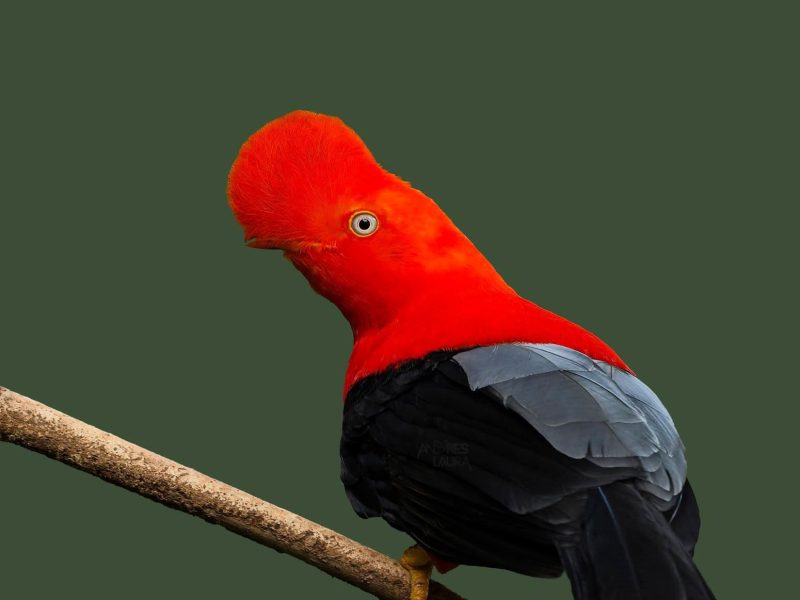
Among the birds that attract birdwatchers to Manu Road are the spectacular Andean Cock-of-the-rock, Peru’s iconic national bird, along with species such as White-throated Antpitta, Blue-banded Toucanet, Amethyst-throated Sunangel, Golden-plumed Parakeet, and Versicolored Barbet.
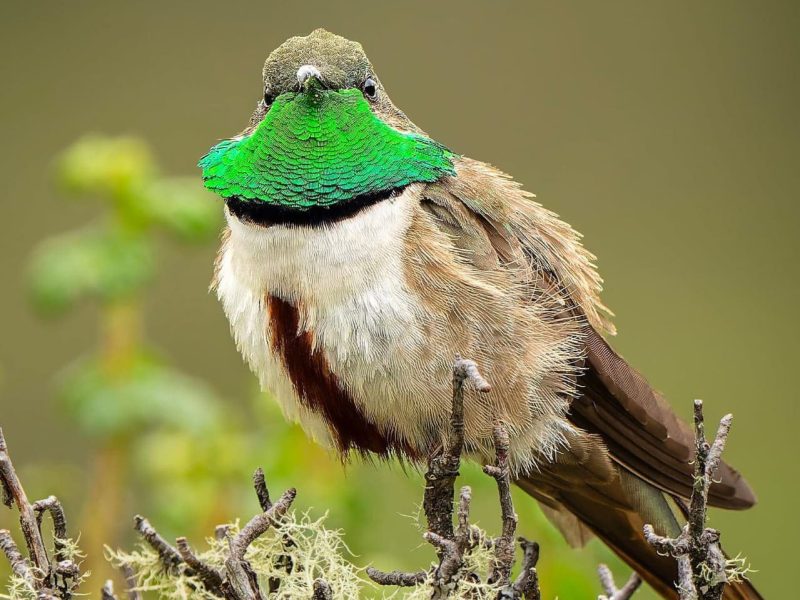
Cloud-forest sections can also produce colorful mixed-species flocks, where tanagers, furnariids, flycatchers, and other forest birds move through the vegetation together. Hummingbird diversity is another highlight, with different species appearing at different elevations and in different habitats.
One of the great advantages of birding Manu Road is its constant change. A morning spent in the highlands can feel completely different from an afternoon in the cloud forest, while lower sections of the route gradually introduce birds associated with the Amazonian foothills. For birders interested in seeing how Peru’s bird communities change with elevation, Manu Road provides an exceptional natural transect from the Andes toward the Amazon.
Why Bird Manu Road?
Manu Road is particularly appealing to birdwatchers who want to experience multiple habitats and a high diversity of bird species in a single journey. Rather than focusing on one ecosystem, the route allows visitors to explore an entire ecological gradient.
Highlights include:
- Birding from high-altitude puna to tropical foothill forest
- Excellent opportunities for cloud-forest and Andean bird species
- Chances to look for the Andean Cock-of-the-rock
- Diverse hummingbirds and mixed-species flocks
- Colorful tanagers and other forest specialists
- Dramatic changes in vegetation and bird communities with elevation
- Convenient access from Cusco for a multi-day birding journey
Access to Manu Road
Most birding trips to Manu Road begin in Cusco, traveling east toward Acjanaco Pass before descending toward Pilcopata. Because the route passes through such a wide range of elevations and habitats, it is best explored slowly rather than as a single drive.
Allowing several days gives birdwatchers more time to stop at productive elevations, search different habitats, and take advantage of changing weather and bird activity. Early mornings are particularly valuable for birding, while spending additional time at key elevations can greatly increase the number of species encountered.
For navigation, select “P” on the map for directions and use the route as a starting point for planning your birding stops.
Plan Your Manu Road Birding Experience
Whether your goal is to find iconic Andean species, photograph hummingbirds, explore Peru’s cloud forests, or experience the transition from the Andes to the Amazon, Manu Road offers an exceptional birdwatching adventure near Cusco.
The combination of dramatic scenery, rapidly changing elevations, and diverse bird habitats makes every section of the road worth exploring. With time and patience, birders can experience a remarkable range of Peru’s avifauna along one of the most fascinating routes into the eastern Andes.
Tinamous (Tinamidae) List Birding Manu Road
Great Tinamou – Tinamus major
White-throated Tinamou – Tinamus guttatus
Cinereous Tinamou – Crypturellus cinereus
Little Tinamou – Crypturellus soui
Undulated Tinamou – Crypturellus undulatus
Brazilian Tinamou – Crypturellus strigulosus
Black-capped Tinamou – Crypturellus atrocapillus
Variegated Tinamou – Crypturellus variegatus
Bartlett’s Tinamou – Crypturellus bartletti
Screamers (Anhimidae)
Horned Screamer – Anhima cornuta -List Birding Manu Road
Ducks (Anatidae)
Orinoco Goose – Oressochen jubata
Muscovy Duck – Cairina moschata
Masked Duck – Nomonyx dominicus
Guans, Chachalacas, and Curassows (Cracidae)
Speckled Chachalaca – Ortalis guttata
Spix’s Guan – Penelope jacquacu
Blue-throated Piping-Guan – Pipile cumanensis
Razor-billed Curassow – Mitu tuberosum
New World Quail (Odontophoridae)
Starred Wood-Quail – Odontophorus stellatus
Pigeons and Doves (Columbidae)
Pale-vented Pigeon – Patagioenas cayennensis
Scaled Pigeon – Patagioenas speciosa
Plumbeous Pigeon – Patagioenas plumbea
Ruddy Pigeon – Patagioenas subvinacea -List Birding Manu Road
Ruddy Ground Dove – Columbina talpacoti
Picui Ground Dove – Columbina picui
Blue Ground Dove – Claravis pretiosa
Ruddy Quail-Dove – Geotrygon montana
Violaceous Quail-Dove – Geotrygon violacea
Gray-fronted Dove – Leptotila rufaxilla
Eared Dove – Zenaida auriculata
Cuckoos (Cuculidae)
Greater Ani – Crotophaga major
Smooth-billed Ani – Crotophaga ani
Striped Cuckoo – Tapera naevia -List Birding Manu Road
Pheasant Cuckoo – Dromococcyx phasianellus
Pavonine Cuckoo – Dromococcyx pavoninus
Rufous-vented Ground-Cuckoo – Neomorphus geoffroyi
Little Cuckoo – Coccycua minuta
Ash-colored Cuckoo – Coccycua cinerea
Squirrel Cuckoo – Piaya cayana
Black-bellied Cuckoo – Piaya melanogaster
Dark-billed Cuckoo – Coccyzus melacoryphus
Yellow-billed Cuckoo – Coccyzus americanus
Black-billed Cuckoo – Coccyzus erythropthalmus
list of bird species, primarily from the families Caprimulgidae (Nightjars and Allies), Nyctibiidae (Potoos), Steatornithidae (Oilbird), Apodidae (Swifts), and Trochilidae (Hummingbirds). Here’s a cleaned-up version of your list, where I’ve adjusted for formatting issues (such as misplaced slashes, extra backslashes, and added some clarity in names):
Nightjars and Allies: Caprimulgidae
Sand-colored Nighthawk (Chordeiles rupestris)
Common Nighthawk (Chordeiles minor)
Short-tailed Nighthawk (Lurocalis semitorquatus)
Common Pauraque (Nyctidromus albicollis)
Ladder-tailed Nightjar (Hydropsalis climacocerca)
Scissor-tailed Nightjar (Hydropsalis torquata)
Ocellated Poorwill (Nyctiphrynus ocellatus)
Rufous Nightjar (Antrostomus rufus)
Silky-tailed Nightjar (Antrostomus sericocaudatus)
Potoos: Nyctibiidae
Great Potoo (Nyctibius grandis)
Long-tailed Potoo (Nyctibius aethereus)
Common Potoo (Nyctibius griseus)
Oilbird: Steatornithidae
Oilbird (Steatornis caripensis)
Swifts: Apodidae
White-chested Swift (Cypseloides lemosi)
Chestnut-collared Swift (Streptoprocne rutila)
White-collared Swift (Streptoprocne zonaris)
Gray-rumped Swift (Chaetura cinereiventris)
Pale-rumped Swift (Chaetura egregia)
Short-tailed Swift (Chaetura brachyura)
Lesser Swallow-tailed Swift (Panyptila cayennensis)
Fork-tailed Palm-Swift (Tachornis squamata)
Hummingbirds: Trochilidae
White-necked Jacobin (Florisuga mellivora)
Rufous-breasted Hermit (Glaucis hirsutus)
Pale-tailed Barbthroat (Threnetes leucurus)
White-bearded Hermit (Phaethornis hispidus)
Needle-billed Hermit (Phaethornis philippii)
Great-billed Hermit (Phaethornis malaris)
Reddish Hermit (Phaethornis ruber)
White-browed Hermit (Phaethornis stuarti)
Black-eared Fairy (Heliothryx auritus)
Black-throated Mango (Anthracothorax nigricollis)
Black-bellied Thorntail (Discosura langsdorffi)
Butterfly Coquette (Lophornis verreauxii)
Gould’s Jewelfront (Heliodoxa aurescens)
Long-billed Starthroat (Heliomaster longirostris)
Amethyst Woodstar (Calliphlox amethystina)
Blue-tailed Emerald (Chlorostilbon mellisugus)
Gray-breasted Sabrewing (Campylopterus largipennis)
Fork-tailed Woodnymph (Thalurania furcata)
Golden-tailed Sapphire (Chrysuronia oenone)
Sapphire-spangled Emerald (Chionomesa lactea)
White-chinned Sapphire (Hylocharis cyanus)
Frequently Asked Questions: Birding Manu Road
List Birding Manu Road Whether you’re an expert birdwatcher or someone who simply appreciates nature’s beauty, Manu Biosphere Reserve offers an extraordinary escape from the ordinary. Don’t miss your chance to explore one of the world’s most biodiverse areas. From the unique flora and fauna to the chance of spotting rare migratory birds, every moment spent in Manu is an adventure of a lifetime. So pack your bags, grab your binoculars, and get ready for a trip to one of Peru’s most incredible natural treasures.
1. What is Manu National Park known for?
Manu National Park is a renowned biodiversity hotspot in Peru, home to a rich variety of birds. The park boasts habitats like cloud forests, oxbow lakes, and the Amazonian lowlands, making it a birdwatcher’s paradise.
2. What types of birds can I see on Manu Road?
Manu Road offers a diverse range of bird species, from colorful flycatchers and majestic raptors to elusive hummingbirds and parrots. Some notable species include the Limpkin, Pale-winged Trumpeter, Sunbittern, and various macaws.
3. Where is Manu National Park located?
Manu National Park is located in southeastern Peru, spanning the Andean mountains and the Amazon Basin. Manu Road is the main access route to explore the park’s diverse ecosystems.
4. What makes the Limpkin so unique?
The Limpkin (Aramus guarauna) is known for its distinct call, resembling a crying human. Found in marshy areas, it primarily feeds on Pomacea snails, although it also preys on amphibians and lizards.
5. What is the significance of the Pale-winged Trumpeter?
The Pale-winged Trumpeter (Psophia leucoptera) is a social bird that lives in small groups. Known for its peculiar vocalization, it sounds like air blown over the top of a bottle. It plays a vital role as a “watchdog” in the jungle, alerting other animals to threats.
6. Why are Pale-winged Trumpeters endangered?
Overhunting for their delicious meat and destruction of their habitat have led to a decline in their population. The trumpeter’s role in the jungle ecosystem is important, making its conservation crucial.
7. What is a Sunbittern’s unique behavior?
The Sunbittern (Eurypyga helias) is known for its striking wing patterns that resemble large eyes, which it flashes to ward off predators. This heron-like bird is often seen stalking along riverbanks, hunting fish, amphibians, and insects.
8. What are Wattled Jacanas known for?
Wattled Jacanas (Jacana jacana) are adapted for walking on floating vegetation due to their long toes and nails. The female jacanas are polyandrous, mating with multiple males who take responsibility for most of the nest-building and care of the young.
9. What is unique about Skimmers?
Skimmers (Rynchopidae) are easily identified by their long, blade-like bills. They skim the surface of water to catch fish and crustaceans, often flying in a U-shaped pattern. They also exhibit a strange resting behavior where they lie with their head touching the sand.
10. How do Parrots survive in Manu?
Parrots in Manu, like many tropical birds, have strong, hooked bills that help them crack seeds and nuts. They are highly social and often found in large flocks. Parrots are primarily seed predators and are known for their acrobatic feeding techniques.
11. How are Macaws different from Parrots?
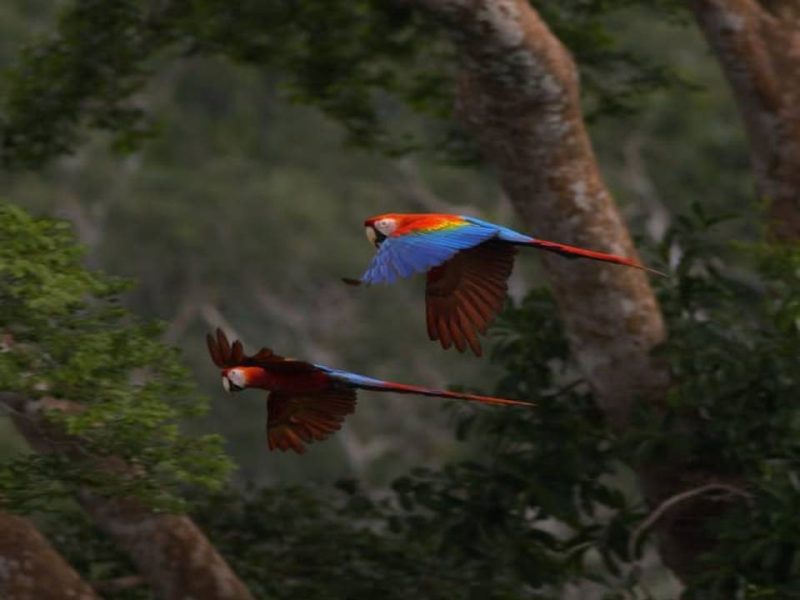
Macaws are larger, more colorful, and have long, pointed tails compared to parrots, which tend to have shorter, square tails. Macaws are social at salt licks, while parrots are always in larger groups.
12. Why are Macaws endangered in Manu?
Macaws face threats from habitat loss and illegal trapping for the pet trade. Many species of macaws in Manu, like the Hyacinth Macaw, are at risk of extinction due to these pressures.
13. What are the reproductive challenges for Macaws?
Macaws have a slow reproductive rate. It takes 5-6 years for a macaw to reach sexual maturity, and only a small percentage of pairs successfully raise chicks due to competition for limited nesting sites.
14. What are clay licks and why are they important for Macaws?
Macaws visit clay licks to ingest minerals that help neutralize toxins in their diet, particularly from unripe seeds. These areas, rich in aluminum hydroxide, are crucial for macaws’ digestion and overall health.
15. How do macaws interact with their environment?
Macaws are often seen in groups near clay licks. These licks are vital for their health, and macaws may travel long distances to visit them. Sometimes, they even engage in territorial disputes over access to these areas.
16. What are the nesting habits of Macaws?
Macaws typically nest in tree cavities, often in holes created by woodpeckers. Their reproductive cycle begins in December, and they rely on specific tree species for nesting, with limited availability leading to competition.
17. Can Macaws be observed year-round in Manu?
Yes, macaws can be seen year-round in Manu, but they are most active during the breeding season. Their nests and the surrounding areas are highly contested, and their survival is closely tied to the availability of suitable nesting sites.
18. What other species can I expect to see along Manu Road?
In addition to the species mentioned, birdwatchers can also spot a variety of raptors, hummingbirds, and colorful flycatchers. Manu Road is a hotspot for avian diversity, offering the opportunity to see hundreds of species.
19. How can I help conserve birds in Manu National Park?
To help conserve the bird species of Manu, avoid disturbing the birds, respect their habitats, and support responsible ecotourism efforts. Donations to conservation organizations that protect these habitats are also essential.
20. What should I bring for birdwatching on Manu Road?
Bring a good pair of binoculars, a bird field guide, comfortable hiking shoes, light clothing, a hat, sunscreen, and plenty of water. Also, be prepared for varying weather conditions, as Manu can be humid and rainy.
Birdwatching on Manu Road from Cusco
Manu Road, also known as the Road to Manu, is one of Peru’s most spectacular birdwatching routes. Its greatest attraction is the extraordinary altitudinal gradient connecting the high Andes of Cusco with montane forests and the Amazonian foothills.
During a single journey, birdwatchers can travel through a remarkable variety of ecosystems, from high-Andean wetlands and puna grasslands to elfin forest, cloud forest, montane forest, and tropical rainforest. This rapid transition between habitats creates exceptional opportunities to observe a wide range of bird species within just a few days.
For birding enthusiasts, Manu Road combines extraordinary biodiversity, breathtaking landscapes, and excellent opportunities to observe some of the most iconic birds of the Andes and Amazon.
Why Go Birdwatching on Manu Road?
The main reason to go birdwatching on Manu Road is its remarkable diversity of habitats. As the road descends from the highlands of Cusco toward the Kosñipata Valley, vegetation, climate, and bird communities constantly change.
This dramatic altitudinal variation creates opportunities to observe species that are rarely encountered together on other birdwatching routes.
Among the birds you may encounter during a birdwatching trip along Manu Road are:
Andean Cock-of-the-Rock
White-browed Antpitta
Pale-billed Antpitta
Amazonian Umbrellabird
Black-backed Tody-Flycatcher
Gray-breasted Mountain-Toucan
Blue-banded Toucanet
Golden-headed Quetzal
Versicolored Barbet
Numerous species of tanagers, hummingbirds, antpittas, flycatchers, and other forest birds
In addition to target species, mixed-species flocks are one of the major attractions of the route. In certain areas of cloud forest, several species may move together through the canopy and understory, creating excellent opportunities for birdwatching and nature photography.
Birdwatching Route along Manu Road from Cusco
The journey usually begins in Cusco, from where the route gradually descends toward the Amazonian side of the Andes. Manu Road should not be viewed as a single birding location, but rather as a continuous corridor of different ecosystems, with each section offering new opportunities to observe birds.
Cusco and Lake Huacarpay
An early departure from Cusco may include a visit to Lake Huacarpay, one of the most interesting high-Andean wetlands in the region.
Its open water, reed beds, scrublands, and surrounding grasslands provide an excellent introduction to the journey, particularly for observing birds associated with wetlands and Andean ecosystems.
After Huacarpay, the route continues toward Paucartambo, a traditional Andean town that marks an important transition toward the Manu region.
Paucartambo and Acjanaco Pass
From Paucartambo, the road climbs toward Acjanaco Pass, one of the highest points along the route.
From this area onward, the landscape gradually transforms. Puna grasslands give way to increasingly humid environments, elfin forest, and eventually cloud forest.
For birdwatchers, this transition is particularly exciting because it allows you to search for species adapted to different ecological zones within the same journey.
Wayqecha and the Cloud Forest
One of the most important birdwatching areas along Manu Road is the vicinity of the Wayqecha Biological Station.
The cloud forest is characterized by high humidity and an abundance of mosses, epiphytes, bromeliads, and dense vegetation. These unique conditions provide habitat for a wide variety of mountain bird species.
The early morning hours are often particularly rewarding for exploring nearby trails and roads, when many birds are active and visibility can be favorable.
Pillahuata and Mixed-Species Flocks
In the cloud forests around Pillahuata, birdwatchers should pay particular attention to mixed-species flocks.
Tanagers, ovenbirds, flycatchers, and other forest birds may move together through different levels of the forest. Patiently following these flocks can become one of the most productive and memorable experiences along Manu Road.
The combination of altitude, vegetation, and constantly changing habitats means that every stop can reveal new species.
San Pedro and Cock-of-the-Rock Lodge
As Manu Road descends toward San Pedro, the forest changes once again, creating new opportunities for birdwatching.
This section is well known for cloud-forest species, hummingbirds, tanagers, antpittas, and other understory birds.
One of the major highlights is the Andean Cock-of-the-Rock, one of Peru’s most iconic bird species. Birdwatchers can also explore areas around Cock-of-the-Rock Lodge, where forest habitat and established birdwatching sites make this a classic stop for travelers interested in Peru’s birdlife.
Villa Carmen, Pilcopata, and Atalaya
As the descent continues, the landscape becomes progressively warmer and more tropical.
The areas around Villa Carmen and Pilcopata offer a new community of birds associated with the lower sections of the valley. Here, the chances of encountering species typical of lower montane forests and tropical environments increase.
The journey can eventually continue to Atalaya, an important connection point with the river and routes leading deeper into the lowlands of Manu.
This transition from the Andes to the Amazon is precisely what makes the Road to Manu such a remarkable birdwatching destination.
Main Birdwatching Habitats along Manu Road
One of the greatest advantages of Manu Road is the extraordinary variety of ecosystems that can be explored during a single trip.
The main habitats include:
High-Andean wetlands
Puna grasslands and high-elevation grasslands
Elfin forest
Cloud forest
Montane forest
Bamboo forest
Lower montane forest
Tropical forests of the Amazonian foothills
Each habitat supports its own distinctive bird community. For this reason, a well-planned birdwatching journey along Manu Road can significantly increase the number and diversity of species observed.
When Is the Best Time for Birdwatching on Manu Road?
Birdwatching on Manu Road can be enjoyed throughout much of the year, although weather and travel conditions vary depending on the season.
For a more productive experience, it is advisable to plan your journey according to weather conditions, altitude, road conditions, target species, and the habitats you want to explore.
The early morning hours are particularly important for birdwatching because many species are most active at the beginning of the day.
Rather than focusing only on a specific date, the best approach is to design your itinerary around your target species and the different sections of Manu Road you wish to explore.
Strategic Accommodation for Birdwatching
Another advantage of Manu Road is the availability of lodges and biological stations located close to important birdwatching areas.
These include:
Wayqecha Biological Station, located in the cloud-forest sector.
Cock-of-the-Rock Lodge, near San Pedro.
Villa Carmen Biological Station, in the lower sections of the valley.
Staying in strategic locations allows travelers to spend less time on the road and more time walking trails, exploring the surrounding habitats, and looking for birds at different times of the day.
Manu Road: An Ideal Route for Birdwatchers and Nature Photographers
The diversity of environments makes the Road to Manu an excellent destination for beginner birdwatchers, experienced birders, and nature photographers.
The changes in elevation allow travelers to search for different groups of birds during the same trip, while the forests provide opportunities to observe colorful species, understory birds, hummingbirds, and mixed-species flocks.
For photographers, the route offers an exceptional combination of birds, cloud-forest vegetation, Andean landscapes, and Amazonian environments.
Why Choose Manu Road for a Birdwatching Experience in Peru?
Manu Road brings together three essential elements for an outstanding birdwatching trip: biodiversity, accessibility, and habitat diversity.
From Cusco, travelers can begin in high-Andean environments and gradually descend toward the Amazonian forests. Along the way, different ecosystems, bird communities, and landscapes unfold, making the journey much more than simply a transfer between destinations.
For travelers who want to experience the biodiversity of the Peruvian Andes and Amazon on the same trip, the birdwatching route along Manu Road offers an exceptional experience.
Plan Your Birdwatching Trip along Manu Road
A successful birdwatching journey along Manu Road depends on careful planning. The choice of stops, birdwatching times, accommodation, and habitats should be adapted to each traveler’s interests and the species they hope to find.
Whether your goal is to build an extensive bird list, photograph iconic species, or simply enjoy the extraordinary biodiversity of the Andes and Amazon, Manu Road offers one of the most comprehensive birdwatching experiences accessible from Cusco.
Explore Manu Road with an itinerary designed to maximize your opportunities to observe birds and discover the extraordinary biodiversity of Peru.
- Recommended Internal Links
- Birdwatching at Lake Huacarpay
- Birdwatching Route along Manu Road
- Birdwatching Tours from Cusco
- Birdwatching in Manu
- Birdwatching in Cusco
- Nature Tours in Peru