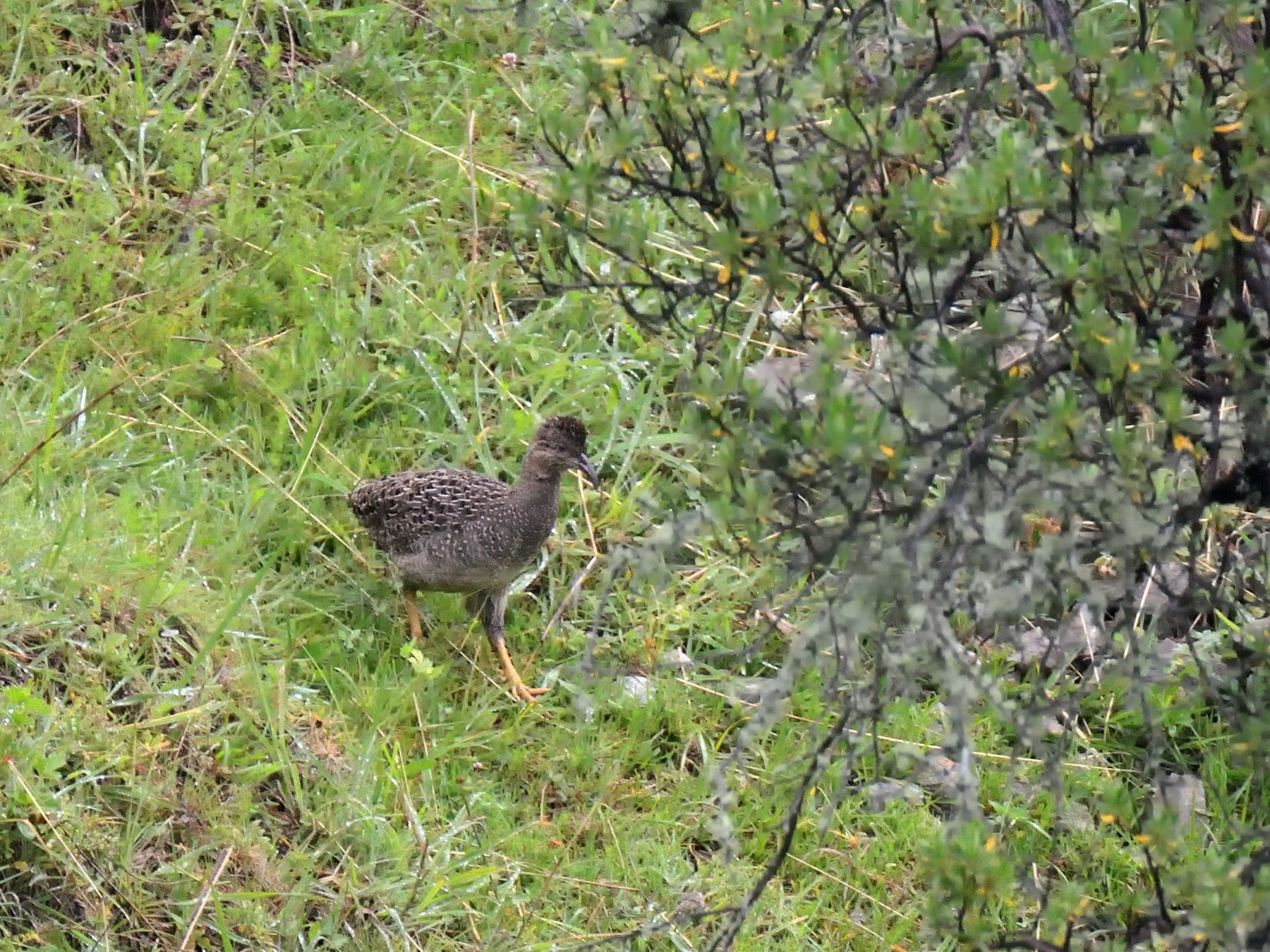
Birding List In Arequipa

Birds Arequipa

 Birding List In Arequipa Birdwatching: Where Andean Beauty Meets Avian Splendor

Nestled in the dramatic landscapes of the Peruvian Andes, Birds Arequipa offers a birdwatching paradise that

combines awe-inspiring scenery with a rich diversity of bird species. From soaring condors to vibrant finches,

Arequipa’s avian residents are sure to captivate bird enthusiasts of all levels.

Picture yourself standing amidst the high-altitude plains, where the Andean Flamingo’s delicate pink hue contrasts

against the azure skies and reflective salt flats. Marvel at the Andean Condors as they take to the air, showcasing their

massive wingspan against the backdrop of deep canyons and rugged mountains.

Venture into the lush valleys and be serenaded by the enchanting calls of the Andean Hillstar and the Giant

Hummingbird. Keep your eyes peeled for the rare Andean Ibis, a striking black-and-white bird that stands out

against the greenery.

Arequipa’s unique combination of ecosystems, including wetlands, grasslands, and mountain forests, ensures a

vibrant tapestry of birdlife trips

.

The endemic species like the White-winged Diuca-Finch and the White-bellied Cinclodes

are a true testament to the region’s ecological significance.

Our experienced guides will lead you to prime birding locations, sharing their passion and knowledge while ensuring

you have optimal opportunities for sighting and photographing these avian wonders. Their insights into the birds’

behavior, calls, and habitats will deepen your appreciation for the intricate relationships between these creatures and

their surroundings.

Whether you’re a seasoned birder or new to the world of avian exploration, Arequipa’s birdwatching opportunities

are bound to create memories that resonate for a lifetime. Join us in discovering the feathered inhabitants of this

Andean haven and experience the magic of Arequipa’s natural beauty through the lens of its incredible birdlife.

amazon trips Peru

Birding List In Arequipa

BIRDS AREQUIPA THE WHITE CITY WITH A WARM CLIMATE ALL YEAR

Arequipa: Department

Arequipa: Province

Location: 16 ° 23’55 .76 ” S 71 ° 32’12 .78″ W / -16.3988222 , -71.5368833

Latitude: 16 ° 23’S

Longitude: 71 º 32 ‘W

Altitude: 2,345 m

Distance: 198 km 912 KM Abancay to Cusco to Lima Abancay

Foundation August 15, 1540 founded by Manuel de Carbajal García

Distance 1,009 km Arequipa to Lima

Cotahuasi to 378 km

Camana 173 km

A 113 km mollendo

Population 51,462 Population ( August 2007 )

Area 2923.53 km

TEMPERATURE IN BIRDS AREQUIPA

Laguna Mejía National Sanctuary climate is typical of the warm sunny coast in summer the rest of the year is often

cloudy during the winter months can garuar .

The average maximum temperature in summer is 26 ° C and minimum of 14 ° C in Salinas Aguas Blanca National

Reserve and the average temperature is around 8 ° C

MISTI VOLCANO IN BIRDS AREQUIPA:.

El Misti is 5,825 meters high , is the most representative of Arequipa symbol always appears as Hapu Guardian is the

landscape of the area, is 20 km from the city of Arequipa from the summit , one has a panoramic view amazing city of

Arequipa the Chili river Valley and the ancient volcanoes like Pichi Pichi or Chachani

SNOWY CHACHANI:Birding List In Arequipa

It is located north of the city of Arequipa at 55km is considered one of the more difficult mountains to climb in Peru .

This mountain reaches over 6,075 meters is a dormant volcano . Pro lava is still visible small cracks i ravines, to

ascend , it takes two days and one night 4×4 2 hours to the base camp and from there the climb begins

CAVES SUMBAY:

It is located 88 km from the wagon to caylloma there found the cave Sumbay , in the district of Yanahura , is located

within the boundaries of the National Book Salina Aguada Blanca , the caves exhibit inside over five hundred

paintings of Paleolithic era. On the walls of rocks , we see the figures of humans, llamas and pumas between or after

performances, is estimated to have an age of 6000-8000 years. Caves Sumbay are considered by many experts as the

most important art complex Andean rock in the area is Sumbay canyon , where they usually go fishing , and other

outdoor activities place the average altitude is 4,100 meters above sea level amidst a landscape typical puna.

THERMAL YURA VANOS:

Yura District is located northeast of the city of Arequipa, at a distance of approximately 25km and an altitude of

2,590 meters above sea level is located in a valley formed by the Rio Yura that thrives leaks from underground

springs , thermal pools , in the slopes of the volcano chachani are known for the healing properties of its waters,

whose temperature is 30 ° C is estimated to have been used since the time of the Incas

BIRDS AREQUIPA THE VALLEY OF THE VOLCANOES:Birding List In Arequipa

It is located 325 km from the city of Arequipa in the province of Castilla in the district on that plate Andagua lava. 86

small dormant volcanoes with a maximum altitude of a thousand feet were formed . Including 2 identical adjacent

volcanoes, christened twins generally volcanoes can be appreciated from ground level , but if they are seen from the

air offering a spectacular view . Smaller formations measured within five feet and five feet tall. The trip takes nine

hours

PETROLIFOS BULL KILLED

‘s Place is in the Majes valley a160km Arequipa.se City is a set of petroglyphs , which is considered the largest rock art

site in Peru and one of the largest art rock in Peru and one of the largest in the world, are distributed in an area of ​​5

km and is about six thousand blocks or stones engraved in low relief, most of them showing anthropomorphic figures

of animals, plants or designs apparently geometric stones were carved with techniques such as sharp hit . Striped and

percussion origin volcanic stones abound on the site, as there are two relatively nearby volcanoes . Chachani and Coropuna .

BIRDS AREQUIPA IN JURASSIC PARK OF QUERUPALPA

The querupalca Jurassic Park is located in the district of Aplao province of Castile 3 hours from Arequipa via paved

there petrified footprints of huge prehistoric animals that inhabited the area long exist a lookout for you see the

remains in all its magnitude is and you can visit the museum where exposed marine fossils found nearby between or after

CAMANA IN AREQUIPA:

In the next part to Arequipa always find cozy coastal beaches Camana as their famous dishes made ​​with shrimp rice ,

seafood with a sunny climate has meadows, streams with beautiful beaches there Arequipa visitors arriving by

summer as Punta , Quilca caves are among the famous beaches

QUILCA IN AREQUIPA:

It lies south of Arequipa is one of the ports Quilca oldest southern Peru next make the capital of the province of

Camana there find long beaches , bays and beautiful seascapes L to Quilca artisans cove is famous because it monitor

Huascar took refuge during the Pacific War

MOLLENDO IN AREQUIPA -Birding List In Arequipa

Capital of the province of Islay. Mollendo is a traditional seaside resort city of Arequipa has extensive beaches as

Arantas , Honorato Huayquiray , La Punta Plates Huata and hands for unknown places we suggest to rent a boat at

the nearby port Matarani

MEJIA IN AREQUIPA – Birding List In Arequipa

Mejia Spa is southern Mollendo attraction is a place of very picturesque beaches home built of wood

BIRDS AREQUIPA IN STONE FOREST –

This forest can be reached by following the road to Puno is a set of rock structure that has the appearance of a forest

of petrified trees erosion from wind and rain and weather these stones forged through the years has an aspect highly

original that the traveler be interpreted by imagination access is easy .

It is close between Arequipa and Juliaca highway at 150 km northeast of the city of Arequipa

EL CHACU AREQUIPA – Birding List In Arequipa

It is a ritual practiced since time immemorial in the southern highlands to shear wings vicuna, is forming a huge

human circle that is gradually closing what takes vicuna towards a suitable place , where they were apprehended with

the support networks and their shearing occurs . Currently it has become a tourist attraction that is celebrated in

different nature reserves of Peru , as in Salinas Aguada Blanca, without the unnecessary deaths of these South

American camelids.

NATIONAL BOOK OF SALINAS AND HOLY WATER – Birds Arequipa .

This protected area covers 366,936 hectares and a rich ecosystem of the highlands of Agua Blanca and Salinas

lagoons and salt flats . It’s amazing that just hours from the city of Arequipa a place where human impact is the

Salinas lagoon , which is the principal, and the lagoon El Indio is located. As the name implies , water is first salted

and it what form the salt flats that surround it.

FAUNA IN BIRDS AREQUIPA – Birding List In Arequipa

gaps form the habitat of different species of birds, such as flamingos or Parihuana in Salinas, abound in the Indian

ducks and different kinds of migratory birds. The pampas are territory vicuna , guanacos and foxes , among other

animals typical mountain area .

WHITE WATER-

Is puna area and demarcated by dormant volcanoes, Chachamani , Misti , Picchu Picchu and Ubinas . Stresses the

snowy peak towering Misti . There are also pampas Cañahuas where villagers continue to practice Chaku of vicuna.

CAVES SUMBAY:Birds Arequipa.

Besides being able to admire the beautiful scenery and unique wildlife reserve, there are some interesting places to

visit . Misti alongside the caves are Sumbay where cave paintings dating back over eight thousand years ago was

found. The lines drawn portray humans and animals.

THE CANYON COTAHUASI: Birding List In Arequipa

The river of the same name this fabulous crosses geographical pit with unusual depth and a distance of nearly 100

km between two huge mountains: Coropuna of 6,425 m and Solimana of 6,093 m , the canyon extends from the

foothills of the first to the confluence with the river and has Ocoña 3535 meters at its deepest part as . In this area

you can find temples and extensive air terracing and other pre-Hispanic archaeological sites . Also for its rugged

terrain , it has become an ideal place for adventure sports destination. Every year canoeing competitions are held ,

rock climbing , trekking , paragliding , hang gliding and mountain biking. In its vicinity , we can enjoy the Sipia

waterfall , a waterfall of 150 meters, considered the largest in the barrel , which reveals the true magnitude of the

force of the river . Fall is 3h walk from the village of Cotahuasi. As for wildlife , with some luck , you can see

vizcachas, vicuna , condors , pumas , foxes , giant hummingbirds, tarucas , deer, red -headed parrots , among others.

In addition , we know the forest puyas Raimondi ( which are endangered ) near the village of Lauripampa in the

district Puyca to 4 h of the way of the village of Cotahuasi these puyllas can get to measure up to ten meters and

bloom every eighty years you can also visit the giant Forest of Jewish Pampa visitors can enjoy samples of thirteen

feet high.


Birding in Apurimac

Birding in Apurimac

Birding in Apurimac Adventures: Where Nature’s Melodies Take Flight

Welcome to Birds Apurimac, a hidden gem for bird enthusiasts seeking a symphony of natural melodies amidst breathtaking landscapes. This unspoiled region in Peru holds a secret: a vibrant avian world waiting to be explored.

Imagine strolling through diverse habitats, from lush cloud forests to pristine riversides, where every step unveils a

new feathered wonder. The Andean Cock-of-the-rock, resplendent in its vibrant orange plumage, dances among the

trees, a sight both mesmerizing and rare.

As the sun rises, the mist lifts to reveal the colors of Apurimac’s winged inhabitants. The Andean Condor soars

overhead, its majestic flight echoing the rugged beauty of the canyon landscapes. Listen closely and you’ll hear the

haunting song of the Rufous-capped Thornbill, a melody that seems to blend seamlessly with the rustling leaves.

Apurimac’s richness extends to its rare and endemic species. The Apurimac Brush-Finch and Apurimac Spinetail are

local treasures, a testament to the region’s unique ecology. Our experienced guides will lead you to these elusive

creatures’ habitats, ensuring you have the best chances of observing and learning about their behaviors.

Capture moments of beauty and biodiversity through your binoculars or camera lens. Every perch holds a surprise,

from dazzling hummingbirds sipping nectar to colorful tanagers flitting between branches. Apurimac’s avian mosaic

reflects the harmony of nature’s artistry.

Birding in Apurimac

Our birdwatching tours are carefully curated to provide an intimate connection with Apurimac’s avifauna. Join us on this journey, where the serenity of nature and the joy of discovery blend seamlessly.

Information

BIRDS APURIMAC  THE CANYON

  • Apurimac Department
  • Province Abancay
  • district Abancay
  • Location 13 ° 22’55 ” S 72 ° 24’01 ” W / -13.38194 , -72.400282377
  • Altitude 2377 m
  • Distance 198 km 912 KM Abancay to Cusco to Lima Abancay
  • Foundation November 3, 1874
  • Population 51,462 Population ( August 2007 )

ACCESS ROUTES –

912 km from Lima to Lima ( Via Nazca _puquio ) 832 km from Lima Andahuaylas ( Ayacucho Road ) 14 hours from

Lima to Abancay By land , you can reach the Nazca Puquio Abancay following route. Alternatively, a much longer (it

takes 22 hours by bus) , is the route Lima Ayacucho Abancay Andahuaylas . The bus station of the city is located at

the intersection of the avenues Juan Pablo Castro Pachacuti. No .

‘s Flights to this destination with you can take a flight to Cusco and continue the rest travel by road along the Cusco

Abancay road stretch, which lasts about four and a half hours

CLIMATE –

Abancay has a temperate climate with an average maximum temperature of 23.8 º C and a minimum of 11.7 ° C. The

rainy season starts in November and ends in March. They are popular for its healing and soothing powers . In some

cases , water can reach 30 ° C. It’s a pretty comfortable destination because there is a small resort that offers lodging to visitors.

To arrive at these baths , it runs 73 km from Abancay to Curahuasi , then about 21 miles more to the point . In total , the journey takes two and a half hours

APURIMAC -Birding in Apurimac

Apurimac department is a journey through mountain ranges and lush vegetation . In its territory , are two of the most beautiful cities in the southern Andes : Abancay and Andahuaylas . On the slopes of Mount Ampay , settles its

capital , whose name comes from the Quechua Amankay valley lilies . The temperate climate of Abancay does what

any time of year is suitable to visit. Walking its narrow streets adorned with bows and visitors back to colonial times )

This city usually is taken as a resting place for the traveler follows the route to Cusco, but too many reasons to make this region the main destination . Outside are the archaeological complex of Saywite and Cconoc thermal baths ,

known for its medicinal waters. Its natural beauty, the National Shrine of Ampay and the Apurimac River, are perfect

for the practice of adventure sports , another notable building of this department is to Andahuaylas . This is another

city built during colonial times, the proof is its cathedral . The red tile roofs of two mountain waters ‘ contrasting with the blue of the sky .

Its unique cuisine conquer palates with dishes prepared with Insumas places such as cuy either

chactado or fill. In the surrounding area , center of great historical value is as Cocharcas Sanctuary and the

archaeological complex of pure air Sondor where human impact is negligible breathes , knows more about our

history and taste dishes of the mountains , and if you keep wanting , sets course towards Choquequirao , Cusco .

PLAZA MAYOR .

This is very charming square surrounded by buildings with typical gable roof with bronze replicas of local animals such as deer and puma condor , the church of the Lord , fall in front of her own beautiful paintings of the school Cusco

NATIONAL SHRINE AMPAY  –

To get to the sanctuary , they must travel 6 km from the city to ecological station , this stretch is done in fifteen

minutes if you go by car and then , you should take a walk of 1.5 km to the lagoon Angoscocha one once there you can

admire the flora and fauna of this place you will find the great forests intimpas , which occupies an area of ​​six

hundred acres (twenty percent of the total area of the sanctuary ) which it forms a complex ecosystem. With a large

variety of plants and trees, this is the framework for various adventure sports such as mountain climbing or even

hiking in mountain biking practice should consider the cardinal to visit the headquarters of the National Shrine of

the season Ampay rain runs from October to March to take your precautions that

SET OF ARCHAEOLOGICAL SAYWITE .

A 48 km from the city this archaeological find . Abraca in which part of the town center Saywite its main attraction is a monolithic hemispherical four meters in diameter in this stone are carved mythical anthropomorphic and zoomorphic figures. Scholars maintain that was used in fertility rites states that also served to make models or drawings of Inca constructions gaps

THERMAL BATHS CONOC – Birding in Apurimac

Located on the left bank of the river Apurimac these hot springs were a destination in the route of the Inca Trail

Cusco reaching its waters flowing from six different sources , are popular well known for their healing and relaxing

property in some cases the water reaches 30 c is a quite comfortable with a small destination resort that is hosting

allows visitors to reach these baths are walking 37 km from Abancay Curahuasi until after about 21 km more to reach the total delay place two hours

CANYON APURÍMAC  –

Crossed by the Apurimac River, whose name means “one who speaks as the god ” is considered one of the do ‘s

deepest canyons worldwide . This natural wonder is located between Cusco and Apurimac . There, the force of the

water has eroded rocks and given them particular ways . The river is included in the boating world circuit , so it is a destination visited by lovers of this sport.

Being part of the environment of the Salkantay mountain range , it is also popular with trekking and climbing enthusiasts . This territory , full of adventure, is 73 km from the city.

ANDAHUAYLAS CENTER SQUARE .

Located north of the city, its attractions within the central fountain , dating from the colonial era and was recently remodeled with stone statues carved animals. Then there are the town hall and recognized as the church of San Pedro .

BRIDGE THE COLONIAL CHUMBAO  –

‘s A beautiful old bridge built in 1776 over the River Chumbao . Its design is colonial and is carved in ashlar . Ornamental gateways include in the set.

ARCHAEOLOGICAL SET SONDOR .Birding in Apurimac

Built by chancas between 600 DC was subsequently occupied by the Incas, this aggregated and reported by walls

surrounded by terraces that make pyramids The highest levels and has nine hundred steps. From the top , you have a

panoramic view of the archaeological site and Pacucha lagoon.

In your environment , you can find spectacled bears and various species of orchids , tulips and jasmine .

LAGUNA – Birds Apurimac .

Pacucha . Located 3,091 meters above sea level , this lake is 17 km from the city. Its surroundings form a beautiful

landscape , especially in the evenings , when its blue waters charge reddish overtones. Its shores are surrounded by

sand and cattails , which provide habitat for many species of birds . Further afield , there is a lovely and fragrant eucalyptus forest

PILGRIMAGE TO THE SHRINE OF OUR LADY OF COCHARCAS .

Popularly known as the ” Mamacha Cocharcas ” is one of the most venerated images of the country. His cult dates

back to the late sixteenth century and its sanctuary , located in the province of Chinchero , 100 km from Andahuaylas

, is one of the oldest pilgrimage sites of South America .

The celebration of the festival is the

TREATS

. Apurimeña The food is typical swarms between regional and new ingredients and techniques that have been

assimilated beautifully to delight the traveler. Its main dishes have to kapchi , a stew or bean soup , served with

potatoes, milk, eggs and cheese serrano inevitable .

The guinea pig is a basic input in your kitchen, and it is prepared in various ways.

CRAFTS .

Stake loom fabrics . With them , ponchos and wool blankets auquénido is constructed . The combination of colors and special designs makes these products have a great demand , Textile workshops focus on Abancay , Andahuaylas ,

Chinchero and Cota sneakers . Jobs are also famous one Huaranguay wood , exported with great success to different countries In recent years , the practice adventure sports have become big boosters of tourism to various locations.

More and more people travel to specific destinations for the sole purpose of practicing them. Here we present one of

those destinations that offers unparalleled experience Funa .

RAFTING ON RIVER APURÍMAC .Birding in Apurimac

Ask adventure sport in this area is synonymous explore the fascinating canyon that forms the Apurimac River

ventura in this area is synonymous to travel fascinating canyon that forms the Apurimac river through its turbulent waters .

Rapid can have degrees of difficulty that this river is considered within the boating world’s leading circuits

THE SECTION .Birding in Apurimac

The circuit that runs over a large stretch of Cusco and Apurimac department covers an area of ​​approximately 55 km

and begins around 2,700 m, s , n , m in the Cunyac bridge near Molle leg and concludes on in bathrooms thermal

Conoc in its flow Curahuasi Apurimac , a tributary of the mighty Amazon , varies by season . The best time to tour is

between the months of May and October , when it is not rainy season. One of its attractions is quick to canoeing

section, your ride (covering different ecosystems ) to appreciate a variety of fauna and flora. Among the animals most

popular are foxes , pumas , wild cats , condors , eagles, river otters , ducks and torrents. Additionally , consider that

the area is one of the most beautiful and unique places of Peru . You also have the opportunity to practice other sports such as rafting.

, And trekking, or camping in the vicinity you then follow the path to the city of Cusco, and next . Offer with great adventure .

TO CONSIDER .

Tour operators must have the same number of kayaks and boats as crew safety for each raft , professional guides, crew boating or rafting equipment emergency lifesaving vests and helmetsv. peru bird  

Birds Ancash

Birds Ancash: Discover Peru’s Avian Paradise in the Heart of the Andes Birds Ancash

Welcome to Birds Ancash, where breathtaking Andean landscapes meet some of South America’s most captivating birdlife. Whether you’re an avid birder, nature photographer, or simply a traveler in search of unforgettable experiences, Ancash offers an avian expedition like no other.

From cloud forests to coastal wetlands, Ancash is a haven for birdwatchers, home to more than 300 unique species. With every step, you’ll uncover rare and vibrant birds in their natural habitats—each one a treasure waiting to be discovered. amazonia peru trips 

 Explore Diverse Birdwatching Habitats

 Andean Highlands
As dawn breaks over the towering peaks, the melodies of native birds echo through the valleys. Look out for the radiant Golden-headed Quetzal, dazzling against the misty greens of the high-altitude forests.

Cloud Forests

Journey into the lush cloud forests and spot the iconic Sword-billed Hummingbird, whose surreal beak and shimmering feathers are a true marvel of evolution.

Rivers & Lakes

Follow the calls of the Torrent Duck, expertly navigating fast-flowing rivers, or watch the elegant Andean Avocet and curious Puna Ibis at serene highland lagoons.

Mountain & Wetland Raptors

Don’t miss the dramatic displays of the Mountain Caracara or the nesting sites of Andean Coots, showing off their unique courtship dances.

Birding Tours & Expert Guides

Our guided birdwatching tours take you to Ancash’s most scenic and species-rich locations. Along the way, our local ornithologists and expert guides will share fascinating facts about the birds, their habits, and the conservation work helping to protect them.

With your binoculars or camera in hand, you’ll capture once-in-a-lifetime moments in a region teeming with avian wonders.

Birds Ancash in Chimbote

The journey begins in Chimbote, a coastal city in the Santa Province of Ancash, Peru.

Location: 9°04′28″ S, 78°35′37″ W

Altitude: 5 meters above sea level

Distance from Lima: 558 km by road

Population: Approx. 329,000 (2007 census)

Getting Here: Birds Ancash

Daily overnight buses from Lima (between 8 PM and 11 PM) arrive at the Chimbote Ground Terminal (Urbanización 27 de Octubre, Panamericana Norte). Chimbote also has an airport (Lt. FAP Jaime Montreuil), although flights are currently unavailable.

 Coastal Birding & Archaeology

The Ancash coast, extending 200 km south of Chimbote, is a hidden gem of quiet beaches, fishing villages, and rich

cultural history.

Tortugas Beach
Just 42 km southeast of Chimbote, Tortugas is a serene seaside escape known for fishing, diving, and Peru’s best

ceviche. Calm waters and summer vibes make it a perfect birdwatching spot, especially for seabirds and migratory species.

Archaeological Sites
Explore Sechín, one of Peru’s oldest ceremonial sites, or visit Pañamarca, with its Moche pyramids near Nepeña

Valley—a fertile sugarcane region with deep pre-Columbian roots.

Plan Your Trip with Birds Ancash

Let Birds Ancash be your gateway to one of the most scenic and bird-rich regions in South America. Whether you’re

following the flight of a Hummingbird or listening to the call of a Torrent Duck, this is a journey that will leave you

with memories—and photos—to last a lifetime.

Suggested Keywords

  • Birdwatching in Ancash
  • Peru birding tours
  • Best birding spots in Chimbote
  • Cloud forest birds Peru
  • Birds Ancash expedition
  • Sword-billed Hummingbird Ancash

Birding Brasil

Explore Brazil: One of the World’s Ultimate Birdwatching Destinations

  Birding Brasil  With 1,884 bird species—including an astounding 243 endemics—Brazil is a dream come true for birdwatchers and wildlife lovers. From the legendary Pantanal wetlands to the lush Atlantic Forest, Brazil is a birding paradise that should be on every naturalist’s bucket list. peru birds 

At [Your Company Name], we offer a variety of Brazil birding tours that combine iconic hotspots with off-the-beaten-path gems. Whether you’re after the dazzling Hyacinth Macaw, the elusive Jaguar, or vibrant endemics like the Araripe Manakin, our expertly guided trips bring you face-to-face with South America’s wild heart.

Why Brazil Is a Top Birdwatching Destination Birding Brasil

60% of South America’s bird species are found in Brazil.

Fifth-largest country in the world with diverse biomes—from rainforests to savannas and coastal mountains.

Home to some of the rarest and most colorful birds on Earth, many of which can’t be seen anywhere else.

Whether you’re a seasoned birder or a first-time traveler seeking extraordinary wildlife, Brazil offers unforgettable encounters.

Discover the Pantanal: The Birding Capital of South America Birding Brasil

The Pantanal is the largest tropical wetland in the world—and one of the richest birding areas on the planet. On our tours, you’ll enjoy up-close sightings of:

Jabirus, Roseate Spoonbills, and Southern Screamers

Toco Toucan, Black-collared Hawk, and Helmeted Manakin

Hyacinth Macaw – the world’s largest parrot

Zigzag Heron, Campo Flicker, and many more

But the Pantanal isn’t just about birds. It’s the best place on Earth to see the Jaguar in the wild, along with Giant Otters, Marsh Deer, Lowland Tapirs, and Giant Anteaters.

The Atlantic Forest: A Treasure Trove of Endemics Birding Brasil

The Atlantic Forest stretches from sea level to the highlands, offering habitats for over 1,000 bird species. This forest harbors a striking number of endemics like:

Gilt-edged, Brassy-breasted, and Red-necked Tanagers

Saffron Toucanet, Bare-throated Bellbird, and Frilled Coquette

Swallow-tailed Cotinga, Three-toed Jacamar, and Slaty Bristlefront

Our tours take you to prime birding locations such as Ubatuba, Itatiaia National Park, Intervales State Park, and the renowned REGUA (Reserva Ecológica de Guapiaçu).

Rare Birding Adventures in Northeast and Central Brazil

For those seeking the rarest of the rare, we offer special expeditions to:

Serra da Canastra – home of the Critically Endangered Brazilian Merganser

Minas Gerais – to spot Giant Anteaters and the mystical Maned Wolf

Northeast Brazil – where we search for Lear’s Macaw, Blue-eyed Ground Dove, and the Araripe Manakin

These trips are designed for adventurous birders who want to go deeper and see species few ever encounter.

Add-on Experiences: Iguazú Falls and Wildlife Extensions

Enhance your trip with a visit to the awe-inspiring Iguazú Falls, where flocks of Great Dusky Swifts soar through the mist. We also offer custom wildlife extensions to seek out other Brazilian icons like the Golden Lion Tamarin and Northern Muriqui.

Ready to experience the ultimate birding trip? Contact us to book your spot or customize your perfect itinerary.

Brazil birding tours

birdwatching in Brazil

Pantanal wildlife tour

Atlantic forest birdwatching

rare birds in Brazil

Jaguar and birding tour Brazil

Hyacinth Macaw tour Brazil

Brazilian Merganser birding trip

Bird Jungle Peru Central

Bird Jungle Peru Central: Explore the Avian Paradise of Central Peru

Venture into the lush heart of  Bird Jungle Peru Central, where the vibrant rainforest shelters a spectacular array of birdlife. From the brilliant toucans and elusive parrots to the powerful eagles soaring overhead, this region is a true sanctuary for bird enthusiasts. Join us for an unforgettable birdwatching journey through a landscape alive with color, sound, and discovery.

Tingo María National Park – The Jewel of Bird Jungle Peru Central

Tingo María National Park, located in Central Peru, is a haven of biodiversity and a vital conservation area. This protected zone features dense highland rainforests, mystical caves, and a unique mountain formation known as Sleeping Beauty (Bella Durmiente).

Birds & Wildlife of Tingo María

This region is home to hundreds of bird species, including:

Banded Owl-Belly (Pulsatrix melanota)

Colorful toucans, parrots, and hummingbirds

Migratory and resident species, including ibis, herons, and hawks

The Cave of the Owls (La Cueva de las Lechuzas) is a key highlight of the park. This fascinating cave system hosts colonies of oilbirds (Steatomis caripensis)—a rare nocturnal species that plays a crucial role in seed dispersal and supports an entire ecosystem of bats, insects, fungi, and more.

Flora of the High Jungle Bird Jungle Peru Central

Tingo María is characterized by a tropical cloud forest rich in biodiversity:

Towering trees like white cumala (Virola calophylla) and black moena (Nectandra cuspidata)

Abundant orchids (e.g., Phragmipedium besseae) and bromeliads

Valuable medicinal and timber species such as cedro colorado (Cedrela odorata) and cinchona (Cinchona officinalis)

Palms such as Euterpe precatoria produce fruit essential to the diets of native bird species like the oilbird.

 Sleeping Beauty – A Natural Wonder Bird Jungle Peru Central

The Sleeping Beauty mountain range dominates the park’s rugged landscape. This dramatic formation includes steep cliffs, waterfalls, and numerous springs. Covered in dense mossy forest and epiphytes, the mountains transition into taller trees as elevation decreases, creating layered ecosystems ideal for diverse flora and fauna amazon peru  rainforest .

Fauna Beyond Birds

The park also supports a wide variety of wildlife:

Mammals: crab-eating raccoons, opossums, and coastal foxes

Reptiles: iguanas, boas, and rare snakes

Invertebrates and microorganisms that form the base of the forest food web

 Vital Water Source Bird Jungle Peru Central

The park safeguards the headwaters of six river basins—Monzón, Tres de Mayo, Santa, Colorado, Oro, and Bella—all tributaries of the Huallaga River. These waters are crucial to both biodiversity and the local communities that rely on them.

 History & Conservation

Founded in 1965, Tingo María National Park is one of Peru’s oldest protected areas. Its creation was inspired by global conservation efforts and the recognition of the region’s ecological importance. Today, the park plays a key role in environmental education, tourism, and conservation.

Despite its natural wealth, the region was historically a “gray zone”—a crossroads for Incan expansion, colonial missions, and later republican reshuffling. Its official establishment as a national park only came after decades of gradual protection.

 Visit Bird Jungle Peru Central

Thanks to its easy access from Tingo María and its proximity to the Central Highway, the park is an ideal destination for both nature lovers and researchers. Whether you’re chasing a glimpse of a rare bird or simply seeking peace in the jungle, this hidden gem of Central Peru has something to offer.

Rainforest Peruvian Amazon Birds

Rainforest Peruvian Amazon Birds: A Journey Through Nature’s Aviary

Discover the captivating world of Rainforest Peruvian Amazon Birds  , where vibrant feathers and enchanting songs blend with the lush beauty of the jungle. Stretching across varied elevations and rich ecosystems, the Peruvian Amazon is a birdwatcher’s paradise, home to some of the planet’s most colorful and diverse bird species.

A Symphony in the Canopy  Rainforest Peruvian Amazon Birds

Ascend into the rainforest canopy, where macaws, toucans, and parrots light up the treetops with brilliant colors and resonant calls. These birds perform an aerial ballet among the branches, offering a visual and auditory spectacle unlike anywhere else in the world.

Secrets of the Understory  Rainforest Peruvian Amazon Birds

Beneath the leafy ceiling lies the dense understory, where antbirds, trogons, and manakins thrive in shadowy cover. Their subtle movements and cryptic plumage challenge even the most seasoned birdwatchers—yet their songs add a haunting beauty to this hidden world.

Forest Floor Harmonies  Rainforest Peruvian Amazon Birds

Down on the rainforest floor, the drama continues. Tinamous and ground doves shuffle through fallen leaves, while motmots and manakins put on spectacular mating displays. The air hums with the quiet magic of life close to the earth.

Amazon River Birds: Life Along the Waterways

The Amazon River and its tributaries are vital lifelines for birdlife. Kingfishers, herons, and egrets grace the riverbanks, offering mesmerizing displays of precision and elegance. Overhead, the majestic Harpy Eagle keeps watch, symbolizing the raw power and grace of the region’s apex predators.

Elevation Shapes Biodiversity: From Lowlands to Cloud Forests

The topography of the Peruvian Amazon creates distinct bird habitats at every elevation:

Lowland rainforests teem with canopy dwellers like parrots and toucans.

Floodplains near the rivers support water-loving species and offer a rich tapestry of oxbow lakes and marshes.

Cloud forests on the Andean slopes host rare birds like quetzals and tanagers, thriving in the misty highlands.

This elevation-based diversity makes Peru one of the world’s top birding destinations.

The Role of Rivers in Shaping Avian Life

Rivers in the Amazon are not just transport routes—they’re natural architects. They create oxbow lakes, island habitats, and seasonal floodplains that support a rotating cast of bird species. Some birds are found only on one side of a river, creating natural borders for species distribution. This adds a fascinating layer to birdwatching in the region.

Why Peru’s Amazon Is a Bucket List Destination for Birdwatchers

With over 1,800 bird species, many of them endemic, Peru’s Amazon rainforest is unmatched in its avian diversity. The region’s combination of varied elevation, rich topography, and year-round greenery creates an ideal environment for birds and birders alike.

Plan Your Birdwatching Adventure

Whether you’re a passionate birder or simply a lover of nature, Peru’s Amazon rainforest offers a once-in-a-lifetime experience. Listen to the jungle’s heartbeat through its birds—each one a brushstroke in a masterpiece of biodiversity.

North Peru Birdwatching

Discover the Northern Peru Birding Route: A Birdwatcher’s Paradise

The North Peru Birdwatching  Route is one of the richest and most diverse birdwatching circuits in South America,

renowned among ornithologists and nature lovers alike. Stretching from the Pacific coast to the Amazon basin, this

extraordinary journey takes birders through a mosaic of habitats—tropical dry forests, Andean highlands, lush cloud

forests, and the vast Amazon rainforest.

Home to approximately 1,600 bird species, this region boasts over 150 range-restricted birds, including 63 species

endemic to Peru.

Whether you’re a seasoned birder or a nature enthusiast, Northern Peru offers a birding experience like no other.

Explore the Main Birding Routes in Northern Peru

1. Chiclayo to Tarapoto: A Classic Birding Journey

Starting on the Pacific coast near Chiclayo, this route travels through the Andes and into the tropical lowlands

around Tarapoto. Along the way, birders can spot elusive species like the Marvelous Spatuletail, Long-whiskered

Owlet, and Royal Sunangel, among others.

2. Pedro Ruiz to Cajamarca via the Utcubamba and Marañón Valleys -North Peru Birdwatching

This scenic journey ascends through the Utcubamba Valley, passing through Leymebamba and across the dramatic

Marañón Valley, finally reaching the colonial city of Cajamarca.

This route is known for its high diversity and incredible photo opportunities.

3. Tumbes Extension: Pacific Forests and Coastal Biodiversity -North Peru Birdwatching

For those looking to expand their birding adventure, the Tumbes extension offers access to tropical Pacific forests,

mangrove ecosystems, and dry forests. A pelagic trip in this region can also provide encounters with coastal and

seabird species rarely seen elsewhere in Peru.

4. Iquitos and the Pacaya Samiria National Reserve

In northeastern Peru, the area around Iquitos offers access to the heart of the Amazon. Our partner lodge near the

Pacaya Samiria National Reserve places birders in one of the most biodiverse regions on Earth, where species like

Hoatzins, Amazonian Umbrellabirds, and various macaws can be spotted.

Plan Your Custom Birding Adventure

While these routes are the core of the Northern Peru Birding Route, the region is filled with hidden gems for

independent travelers or those looking for shorter excursions. We invite you to explore our interactive birding map

and connect with our experts at CONAVE to design a custom tour that fits your interests and birding goals.

Bird Species Machu Picchu

Bird Species of Machu Picchu: A Birdwatcher’s Paradise in the Andes

  Bird Species Machu Picchu:   When travelers picture Machu Picchu, their minds often go straight to ancient stone

terraces, misty mountaintops, and the remarkable legacy of the Inca civilization. But nestled within this breathtaking

archaeological wonder is an often-overlooked treasure: one of the most biodiverse birdwatching locations in the world.

Located in the cloud forest of the Urubamba Province, Machu Picchu isn’t just a marvel of human history—it’s a

hotspot for ornithologists and nature lovers alike. While nearly 200 distinct archaeological attractions dot the site—

from the Sun Gate to the Temple of the Condor—they’re all set amidst a vibrant natural world teeming with Amazon  wildlife.

The Biodiversity of Machu Picchu’s Birdlife

Thanks to its unique position at the meeting point of the Andes Mountains and the Peruvian Amazon, Machu Picchu

supports an extraordinary range of ecosystems. The Urubamba River carves its way through the landscape, creating

dramatic elevation changes and microclimates ideal for wildlife, especially birds.

Surprisingly, Machu Picchu is home to over 420 bird species, more than the entire country of Costa Rica—long

celebrated for its bird diversity. This makes it one of the richest birdwatching areas not just in Peru, but globally.

Notable Bird Species to Spot in Machu Picchu

Here are just a few of the incredible bird species you might encounter during your visit to Machu Picchu:

Andean Condor (Vultur gryphus)

With an impressive wingspan of up to 3 meters, this iconic bird of prey is a symbol of Andean culture and can

sometimes be seen soaring over the surrounding peaks.

Black-and-chestnut Eagle (Spizaetus isidori) Bird Species Machu Picchu

A rare and endangered species, this majestic raptor resides in the dense forest canopy, and spotting one is a special

experience for any birding enthusiast.

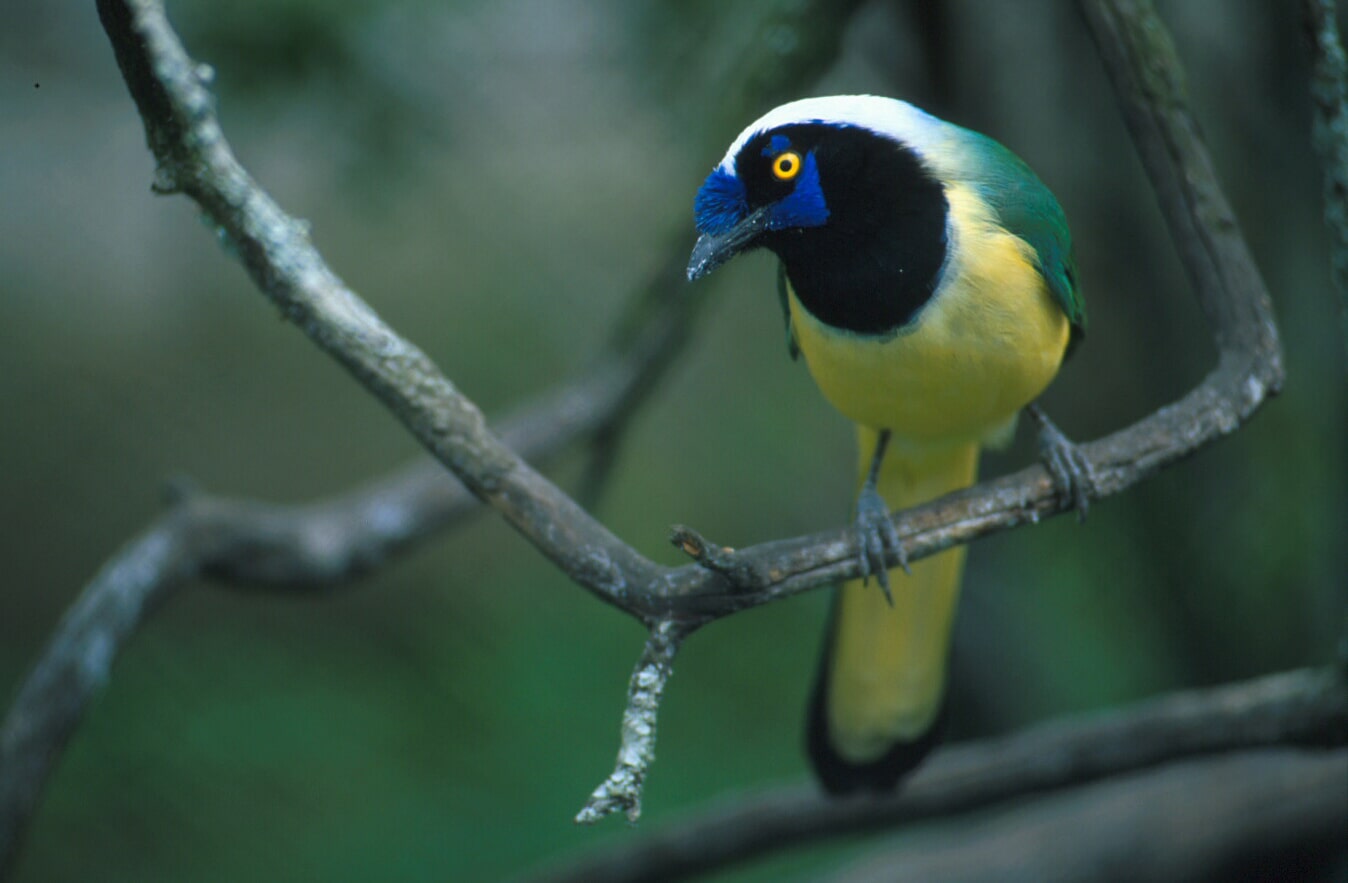
Green Jay (Cyanocorax yncas)
Vibrant and social, the Green Jay is impossible to miss with its electric green back, bright yellow belly, and striking blue face.

Masked Trogon (Trogon personatus)

This colorful bird with its emerald green plumage and deep red chest often rests silently on branches along the Inca

Trail.

Blue-and-yellow Tanager (Thraupis bonariensis)

A bright splash of blue and gold in the treetops, these tanagers are among many varieties found in the area, each

more dazzling than the last.

Bird Species Machu Picchu -of-the-Rock (Rupicola peruvianus)  

Peru’s national bird, the male of this species is an unmistakable bright orange-red with a unique fan-shaped crest. It

performs elaborate courtship dances, making it a must-see for birders.

Torrent Duck (Merganetta armata)

True to its name, this sleek duck braves the rapids of fast-flowing rivers and is often seen navigating the currents of

the Urubamba.

Bird Species Machu Picchu  Inca Wren (Pheugopedius eisenmanni)

An endemic species found only in this region, the Inca Wren is small, elusive, and often heard before it is seen.

Why Machu Picchu Is a Hidden Gem for Birdwatchers

What sets Machu Picchu apart isn’t just the sheer number of birds, but the variety of habitats in such a compact area.

Within a single day’s hike, you can pass through cloud forest, subtropical jungle, and alpine terrain, each hosting its

own unique avian residents.

For those walking the Inca Trail, every step is an opportunity for rare sightings. Even casual hikers and

photographers find themselves captivated by the birdcalls echoing through the trees and the flashes of color between

ancient stone walls.

Tips for Birdwatching in Machu Picchu

Bring binoculars and a field guide to Peruvian birds.

Visit early in the morning when bird activity is highest.

Stay overnight in Aguas Calientes and start your journey to the site before the crowds arrive.

Hire a local birding guide—many specialize in the avian life of the area and can help you spot species you’d otherwise miss.

Birds of Machu Picchu

Birdwatching in Machu Picchu: Discover Peru’s Feathered Treasures

Birds of Machu Picchu, perched high in the Peruvian Andes, is world-famous for its ancient Inca ruins—but it’s also a

paradise for birdwatchers. With cloud forests, subtropical valleys, and high-altitude terrain, this UNESCO World

Heritage Site is home to over 200 bird species, making it one of the top birdwatching destinations in Peru.

Whether you’re a seasoned birder or a curious traveler, here are some of the most iconic and colorful birds you might

spot while exploring the trails of Machu Picchu.

 Iconic Birds of Machu Picchu

Andean Cock-of-the-Rock (Rupicola peruvianus) Birds of Machu Picchu

Famous for its bold orange-red plumage and dramatic mating dances, this national bird of Peru is most visible in the

cloud forests near Machu Picchu during breeding season.

Andean Condor (Vultur gryphus)

One of the largest flying birds in the world, the Andean condor glides gracefully above the Sacred Valley. With a

wingspan of over 3 meters, it’s a breathtaking sight against the Andean backdrop.

 Masked Fruiteater (Pipreola frontalis)

This fruit-loving bird features a vivid green body, black face, and crimson throat. It’s often found feeding in dense

forest canopies near the Inca Trail.

 Gould’s Inca (Coeligena gouldi) Birds of Machu Picchu

An endemic hummingbird species, Gould’s Inca dazzles with shimmering, iridescent feathers. Look for it around

flowering plants near the Urubamba River and local gardens.

Torrent Duck (Merganetta armata)

Perfectly adapted to fast-moving streams, this unique duck can be spotted riding the rapids of the Vilcanota River.

Its red bill and bold patterns make it a striking sight.

Recommended Reading for Bird Enthusiasts

Want to take your birdwatching to the next level? Grab a copy of the Field Guide to the Birds of Machu Picchu and

the Cusco Region, Peru by Barry Walker. With nearly 500 species documented, it’s a compact yet essential guide for

identifying birds in the Andes and beyond.

Plan Your Birdwatching Adventure

Whether you’re hiking the legendary Inca Trail or enjoying a relaxed stroll around the Machu Picchu Sanctuary

Lodge, this ancient site offers unforgettable opportunities to witness some of the most spectacular birdlife in South America.

Cultural Tours

Peruvian Cultural & Birdwatching Tours: Discover the Soul of Peru

 Peruvian Cultural Tours  & Birdwatching Tours | Heritage & Nature Adventures

Meta Description: Explore Peru like never before Discover ancient Incan wonders, vibrant traditions, indigenous

communities, and rare Amazonian bird species on our immersive cultural and ornithological tours.

Experience the Heart of Peru Through Culture and Nature

Unveil the soul of Peru with our immersive Peruvian Cultural Tours and Amazonia Birdwatching Adventures.

Whether you’re a culture lover, a passionate birder, or an eco-conscious traveler, these experiences offer

unforgettable journeys through Peru’s history, heritage, and natural splendor.

 Peruvian Cultural Tours: A Journey Through Time and Tradition

Delve deep into Peru’s cultural heritage through expertly curated experiences designed to connect you with the

country’s authentic roots.

Tour Highlights:Cultural Tours

Ancient Wonders:

Visit iconic sites like Machu Picchu, the Nazca Lines, and Cusco’s colonial heart. Learn about the powerful Inca

civilization and its enduring legacy.

Indigenous Encounters:
Meet indigenous communities in the Andes and Amazon. Share stories, witness ancient traditions, and support local

artisans and farmers.

Culinary Journeys:
Dive into Peru’s world-famous gastronomy. Enjoy traditional cooking classes, vibrant market tours, and authentic

meals that celebrate local ingredients.

Cultural Festivals:

Join in colorful festivals filled with music, dance, and ritual. Experience Peru’s identity come alive during its most

lively and symbolic celebrations.

Artisan Workshops:
Learn ancient techniques in pottery, textiles, and more. Create your own craft under the guidance of skilled Peruvian

artisans.

 Legends & Folktales:

Discover the myths and oral stories that have shaped Peru’s culture for generations, revealing a mystical side to this

storied land.

Sustainable Travel:

Travel with purpose. Our tours are designed with sustainability in mind—respecting the environment and

empowering local communities.

Amazonia Peru Bird Tour: A Symphony of Avian Wonders

For nature lovers and birdwatchers, the Amazonia Peru Bird Tour offers an unmatched opportunity to explore one of

the world’s richest biodiversity hotspots.

Why This Tour is Unique:

 Birdwatching Paradise:
Spot hundreds of bird species, from vibrant macaws and toucans to elusive harpy eagles and hummingbirds, in their natural Amazonian habitats.

Beyond Birding:
Experience a deeper connection with nature. Learn about the interplay between birds, ecosystems, and local

cultures, including how traditions and livelihoods intertwine with the region’s biodiversity.

Cultural & Natural Synergy:

Ornithological tourism here includes more than just bird sightings. Understand how forests, folklore, agriculture,

and human presence shape the world of Peru’s birds.

Conservation Matters:

Our bird tours prioritize eco-conscious travel, ensuring the preservation of fragile habitats while contributing to

rural development and local economies.

Why Choose Our Tours?

Whether you’re marveling at ancient ruins or listening to birdsong in the Amazon canopy, our tours offer more than

just sightseeing—they’re about connection, understanding, and lasting impact.

  • Authentic, immersive experiences
    Expert local guides and naturalists
    Small groups for personalized attention
    Commitment to responsible tourism

Book Your Cultural or Birding Tour of Peru Today!

Discover the real Peru—a land where nature and culture coexist in breathtaking harmony. Choose from cultural

expeditions, birdwatching escapes, or combine both for the ultimate adventure.

From the Andes to the Amazon, your Peruvian journey awaits.

Cultural Tours

Peruvian Cultural Tours: Unveiling the Rich Heritage”

Description: Embark on a captivating journey that delves into the heart of Peru’s rich cultural tapestry through our

thoughtfully curated “Peruvian Cultural Tours.” These tours offer a profound exploration of the country’s captivating

history, traditions, and diverse communities, providing an immersive experience that goes beyond the surface.

Key Highlights:

Historical Sites: Discover the ancient wonders of Peru, from the mystical ruins of Machu Picchu and the

enigmatic Nazca Lines to the grandeur of Cusco’s colonial architecture. Uncover the secrets of the Inca Empire and

their profound influence on the region.

Indigenous Communities: Immerse yourself in the traditions and daily lives of indigenous communities that

have preserved their heritage for generations. Engage with local artisans, farmers, and storytellers, gaining a

firsthand understanding of their way of life.

Culinary Exploration: Indulge in Peru’s diverse culinary scene, renowned for its fusion of indigenous ingredients

and international influences. Enjoy cooking classes, market visits, and traditional meals that offer a tantalizing taste

of Peruvian flavors.

Cultural Festivals:

Participate in vibrant festivals and celebrations that showcase the country’s dynamic cultural expressions. From

colorful parades to lively music and dance performances, these festivities offer a window into Peruvian identity and pride.

Arts and Crafts: Engage with local artists and craftsmen, learning about traditional techniques used in pottery,

textiles, and other artisanal crafts. Create your own unique piece under the guidance of skilled artisans.

Local Legends and Stories: Listen to captivating narratives and folktales that have been passed down through

generations. Learn about the significance of myths and legends in shaping Peruvian culture and beliefs.

Sustainable Travel:Cultural Tours  Our tours prioritize responsible and sustainable tourism, fostering positive

interactions between travelers and local communities while minimizing environmental impact.

Join us on our “Peruvian Cultural Tours” and unlock the captivating stories, traditions, and hidden treasures that

define this remarkable country. From the Andes to the Amazon, from bustling cities to remote villages,

Cultural Tours

Ornithological tourism represents a new stage –

in the strategy that the Peruvian Ornithological Society has been developing in its work related to this nature tourism

in Peru Birds. An ecotourism modality with a fundamental component, but we understand that it should not be

unique, such as birds and their habitats, and that should basically consider their observation and enjoyment, but also

the knowledge and interpretation of their interrelations with the environment, with the human being and with the

use that he makes of the natural and cultural resources in the Peru Birds.

In this sense, in addition to agriculture or livestock, forestry or fishing, other elements of interest and other

components of that cultural, natural and human environment, of which birds are a part of the world, can not be

ignored. Thus, its history, architecture, folklore and traditions, gastronomy, culture or crafts … are related in one way

or another to the presence of birds in a particular landscape, and must therefore also be contemplated in that offer of

ornithological tourism that AMAZON BIRDS defends in Peru.

But special attention must also be paid to the risks and threats that this tourist modality may pose for the

conservation of the resource it intends to take advantage of, a resource alive and fragile as our birds are in Peru. And

this concern must be reflected in tourism approaches that respect the resource and the environment, and are

sustainable over time. Just so These tourism initiatives may also contribute to rural development as a complement to other more or less traditional and cultural economic activities in Peru.