Explore Bird List Huacarpay
Huacarpay Lagoon: A Hidden Gem of Andean Biodiversity :Tucked away in the heart of the Peruvian Andes, just 30 km southeast of Cusco, Huacarpay Lagoon is a breathtaking natural sanctuary teeming with life. Located at an altitude of 3,050 meters (10,006 feet) above sea level in the district of Lucre, this tranquil lagoon is part of a protected wetland ecosystem in the province of Quispicanchi. Its rich biodiversity and stunning landscapes make it a must-visit destination for nature lovers, bird watchers, and adventure seekers alike.
Explore Bird List Huacarpay
: Whether you're an experienced birdwatcher or simply in search of a peaceful retreat in the Andean highlands, the Huacarpay Lagoons offer an unforgettable experience. Explore their diverse habitats, spot rare species, and immerse yourself in the natural and cultural wonders of this Peruvian gem.
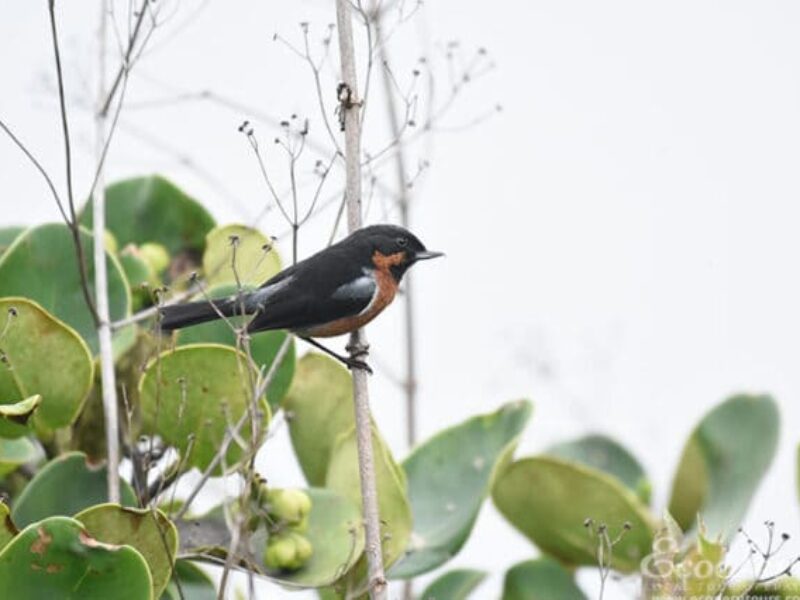
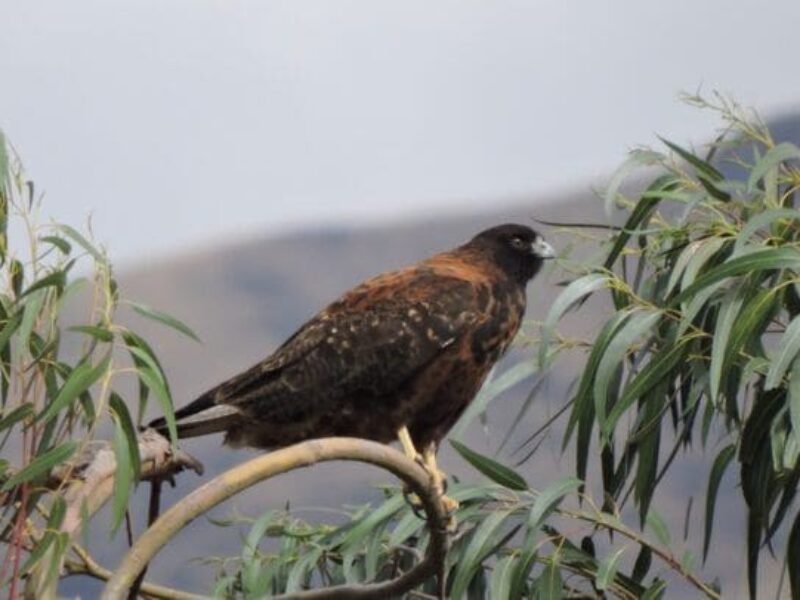
Discover the Bearded Mountaineer at Huacarpay Lagoon – Bird List of Peru
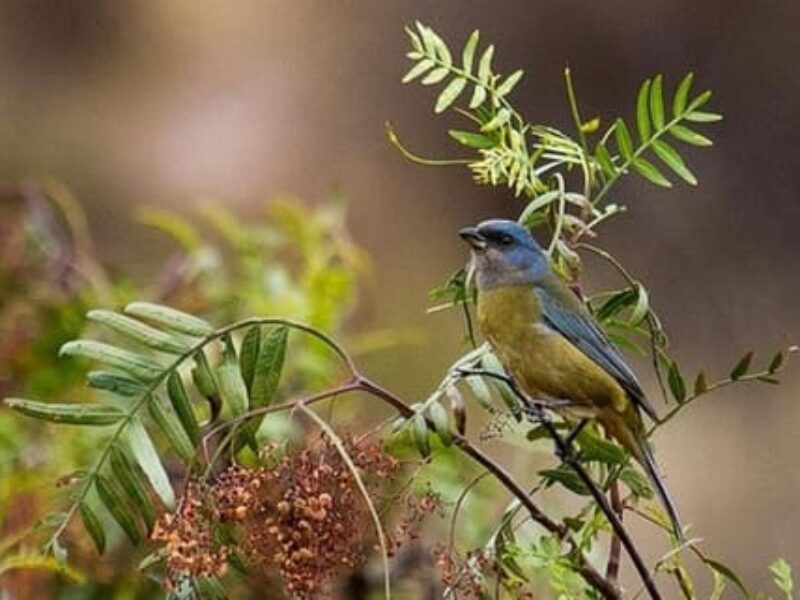
Explore the Huacarpay Bird List: The Bearded Mountaineer (Oreonympha nobilis) is a rare and striking gem of the southern Peruvian Andes. With its unmistakable appearance and specialized habitat, this hummingbird is one of the most sought-after species by birdwatchers visiting Huacarpay Lagoon and other Andean regions. loogon huacarpay
Also observed in: Manu National Park birdwatching tours.
Discover the Magic of Huacarpay Lagoon
Huacarpay Lagoon is a vital part of the Ramsar Wetlands System, recognized for its ecological importance. The lagoon and its surrounding wetlands provide a unique habitat for a wide range of flora and fauna, many of which are endemic to the Andean region. Its shimmering waters reflect the majesty of the surrounding mountains, creating a dreamlike panorama that shifts with the seasons. tambopata tour
Explore Bird List Huacarpay & A Birdwatcher’s Paradise .
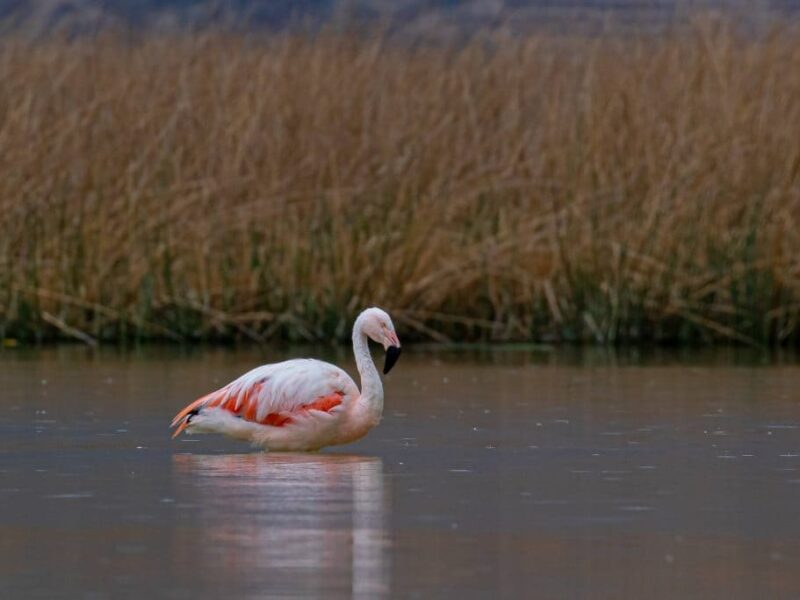
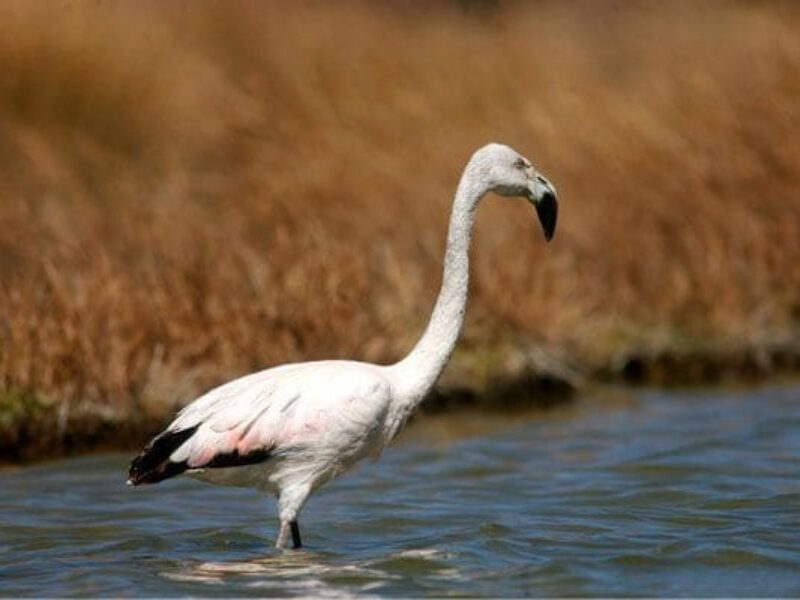
One of the lagoon’s greatest attractions is its extraordinary birdlife. Over 70 bird species inhabit this area, including migratory birds that travel thousands of kilometers to rest and feed in its waters. Bird enthusiasts can spot species such as the Puna Teal, the Andean Goose, and the elusive Bearded Mountaineer hummingbird (Oreonympha nobilis). Early morning visits offer the best opportunities to observe these feathered wonders in their natural habitat. peru birding
Explore Bird List Huacarpay- Flora and Fauna of the Andean Wetlands .
The wetlands around the lagoon are a true biological treasure. Visitors can admire a variety of aquatic plants, reeds, and flowers adapted to the high-altitude environment. The landscape also shelters mammals such as Andean foxes and deer, as well as amphibians and insects essential to the ecological balance.Trips to manu
Bird Species in Huacarpay Lagoon
Tinamidae – Tinamous
Taczanowski’s Tinamou ,Ornate Tinamou , Andean Tinamou , Darwin’s Nothura
Anatidae – Ducks.
Andean Goose , Crested Duck , Puna Teal , Blue-winged Teal , Cinnamon Teal , Red Shoveler , White-cheeked Pintail
, Yellow-billed Pintail , Speckled Teal , Andean Duck.
Columbidae – Pigeons & Doves.
Rock Pigeon , Spot-winged Pigeon , Bare-faced Ground Dove , Black-winged Ground Dove , Eared Dove , White-tipped Dove .
Cuculidae – Cuckoos .
Smooth-billed Ani ,
Caprimulgidae – Nightjars .
Band-winged Nightjar .
Apodidae – Swifts
White-collared Swift
Andean Swift
Trochilidae – Hummingbirds
Lesser Violetear , Sparkling Violetear , Peruvian Sheartail , Andean Hillstar , Green-tailed Trainbearer , Black-tailed , Trainbearer , Bearded Mountaineer , Tyrian Metaltail ,Shining Sunbeam , Great Sapphirewing, Giant Hummingbird
, White-bellied Hummingbird .
Rallidae – Rails
Plumbeous Rail , Common Gallinule , Andean Coot , Purple Gallinule .
Recurvirostridae – Stilts & Avocets
Black-necked Stilt, Andean Avocet .
Explore Bird List Huacarpay
Whether you’re a seasoned birdwatcher or simply looking for a peaceful escape in the Andean highlands, the Huacarpay Lagoons offer an unforgettable experience. Explore their diverse habitats, observe rare species, and immerse yourself in the natural and cultural wonders of this Peruvian treasure.
Huacarpay Lagoon in Your Travel Itinerary?
Whether you’re a passionate birdwatcher, a nature photographer, or simply looking for peace away from the city, Huacarpay Lagoon offers an unforgettable experience. Its blend of natural beauty, ecological significance, and cultural richness makes it a hidden gem well worth discovering.
Bird Species in Huacarpay Lagoon
- Family: Tinamidae (Tinamous)
- Taczanowski’s Tinamou (Nothoprocta taczanowskii)
- Ornate Tinamou (Nothoprocta ornata)
- Andean Tinamou (Nothoprocta pentlandii)
- Darwin’s Nothura (Nothura darwinii)
- Family: Anatidae (Ducks)
- Andean Goose (Oressochen melanoptera)
- Crested Duck (Lophonetta specularioides)
- Puna Teal (Spatula puna)
- Blue-winged Teal (Spatula discors)
- Cinnamon Teal (Spatula cyanoptera)
- Red Shoveler (Spatula platalea)
- White-cheeked Pintail (Anas bahamensis)
- Yellow-billed Pintail (Anas georgica)
- Speckled Teal (Anas flavirostris)
- Andean Duck (Oxyura ferruginea)
- Family: Columbidae (Pigeons and Doves)
- Rock Pigeon (Columba livia)
- Spot-winged Pigeon (Patagioenas maculosa)
- Bare-faced Ground Dove (Metriopelia ceciliae)
- Black-winged Ground Dove (Metriopelia melanoptera)
- Eared Dove (Zenaida auriculata)
- White-tipped Dove (Leptotila verreauxi)
- Family: Cuculidae (Cuckoos)
- Smooth-billed Ani (Crotophaga ani)
- Family: Caprimulgidae (Nightjars)
- Band-winged Nightjar (Systellura longirostris)
- Family: Apodidae (Swifts)
- White-collared Swift (Streptoprocne zonaris)
- Andean Swift (Aeronautes andecolus)
- Family: Trochilidae (Hummingbirds)
- Lesser Violetear (Colibri cyanotus)
- Sparkling Violetear (Colibri coruscans)
- Peruvian Sheartail (Phlogophilus harterti)
- Andean Hillstar (Oreotrochilus estella)
- Green-tailed Trainbearer (Lesbia nuna)
- Black-tailed Trainbearer (Lesbia victoriae)
- Bearded Mountaineer (Oreonympha nobilis)
- Tyrian Metaltail (Metallura tyrianthina)
- Shining Sunbeam (Aglaeactis cupripennis)
- Great Sapphirewing (Pterophanes cyanopterus)
- Giant Hummingbird (Patagona gigas)
- White-bellied Hummingbird (Elliotomyia chionogaster)
- Family: Rallidae (Rails)
- Plumbeous Rail (Pardirallus sanguinolentus)
- Common Gallinule (Gallinula galeata)
- Andean Coot (Fulica ardesiaca)
- Purple Gallinule (Porphyrio martinica)
- Family: Recurvirostridae (Stilts and Avocets)
- Black-necked Stilt (Himantopus mexicanus)
- Andean Avocet (Recurvirostra andina)
A Birdwatching Paradise
These are just a few of the many species that make Huacarpay Lagoon a top-tier destination for ornithology enthusiasts. With every visit, the lagoon offers new surprises, making it the perfect spot for both seasoned birders and casual observers.
Bearded Mountaineer Features – Huacarpay Lagoon
Size: 15.5–16.5 cm (6–6.5 in) with a bill approximately 2.4 cm (1 in) long
Habitat: Dry montane shrublands in inter-Andean valleys (between 2,700 and 3,900 meters altitude)
Distinctive Traits: Large body for a hummingbird, long forked black-and-white tail, white underparts
Male plumage:
albolimbata subspecies: Narrow gorget with iridescent green and purple, spotted crown with white edges
nobilis subspecies: Deep, shiny blue throat
Song:
A descending series of high-pitched notes followed by a rich warble (“swee swee chew-chew-chew”) and a dry “dzzrt”
Where to Spot the Bearded Mountaineer – Explore the Huacarpay Bird List
- This hummingbird is endemic to the south-central Andes of Peru, especially in the Apurímac and Urubamba valleys and regions like Huancavelica.
- It adapts well to semi-open areas with dry scrub, cacti, and even zones near human settlements where wild tobacco (Nicotiana) and eucalyptus trees grow.
- Top location to see it:
Huacarpay Lagoon, a biodiversity hotspot with excellent access for birders.
Nesting Behavior – Explore the Huacarpay Bird List
A remarkable nest discovery was made at the entrance of the Tipón Archaeological Park, near Cusco:
Nest location: Under the thatched roof of a traditional structure, 2.25 meters off the ground
Structure: Compact cup-shaped nest made of fern fibers, moss, and fine roots
Eggs: Two small white eggs
This type of nesting shows precise adaptation to the cold, dry highland climate.
Also observed during: Bird tours in Manu National Park
Best Time to Visit – Explore the Huacarpay Bird List
The Bearded Mountaineer likely breeds during the rainy season (November to May), making this the best time to observe nesting behavior.
November, at the start of the rains, is a particularly promising month.
Tips for Birdwatchers
- Visit key sites: Huacarpay Lagoon and Tipón Archaeological Park
- Look for flowering plants: Especially purple flowers of Dunalia espinosa, which attract this species
- Bring binoculars: To admire details like the male’s shiny gorget
- Listen carefully: Pay attention to its unique calls and snapping sounds
Why Visit Huacarpay Lagoon?
- It’s a natural sanctuary for the Bearded Mountaineer and over 130 bird species
- Offers spectacular Andean landscapes and is ideal to combine with cultural visits
- Its proximity to Cusco (just 45 minutes away) makes it a perfect day trip
- Embark on a birding adventure and witness the extraordinary Bearded Mountaineer in the majestic landscapes of the Peruvian Andes.
Birdwatching at Huacarpay Lagoon: Frequently Asked Questions (FAQs)
1. Where is Huacarpay Lagoon located?
Huacarpay Lagoon is located 30 km (about 19 miles) southeast of Cusco, Peru, in the district of Lucre, Quispicanchi province, at an altitude of 3,050 meters (10,006 feet) above sea level.
2. Why is Huacarpay Lagoon important for biodiversity?
It is part of the Ramsar Wetlands System, recognized for its high ecological importance. The lagoon hosts a wide variety of flora and fauna, including many endemic and migratory bird species.
3. How many bird species have been recorded at Huacarpay Lagoon?
Over 130 bird species have been recorded, including waterfowl, raptors, and rare hummingbirds.
4. What iconic bird species can be seen at Huacarpay?
Notable species include the Bearded Mountaineer hummingbird, the Andean Goose, the Puna Teal, the Giant Hummingbird, and the Andean Avocet.
5. When is the best time to visit the lagoon for birdwatching?
The dry season (May to September) is ideal, offering better weather and clearer visibility for birdwatching.
6. Are there migratory birds at Huacarpay Lagoon?
Yes, several migratory species visit during their seasonal movements, such as Wilson’s Phalarope, the Barn Swallow, and the Upland Sandpiper.
7. What is the cultural significance of Huacarpay Lagoon?
The area contains ancient ruins from the pre-Inca Wari civilization, offering insights into early Andean history and culture.
8. What types of ecosystems surround the lagoon?
The lagoon features wetlands, reed beds, and Andean grasslands, creating diverse habitats for wildlife.
9. How can I get to Huacarpay Lagoon from Cusco?
It’s about a 45-minute drive from Cusco to the town of Lucre. From there, visitors can access the lagoon on foot via well-marked trails or join guided tours.
10. Is Huacarpay Lagoon part of a protected area?
Yes, it is protected under the Ramsar Convention, ensuring the conservation of its valuable wetland ecosystem.
11. Can I observe endemic species at Huacarpay?
Yes, species like the Bearded Mountaineer hummingbird and the Rusty-fronted Canastero are endemic to the Andean region.
12. What activities can visitors enjoy at the lagoon?
Popular activities include birdwatching, nature photography, hiking, and exploring archaeological sites.
13. Are birdwatching tours available?
Yes, local tour operators offer specialized birdwatching tours with expert guides.
14. What should I bring for a birdwatching visit?
It is recommended to bring:
- Binoculars
- A bird field guide
- Sunscreen
- A hat or cap
- Water
- Layered clothing (to adapt to weather changes)
15. Is there an entrance fee to visit Huacarpay Lagoon?
Currently, there is no official entrance fee, although guided tours may have associated costs.
16. Are there services near the lagoon?
Basic services are available in the nearby town of Lucre, but it’s advisable to bring essentials for greater comfort.
17. Is the lagoon suitable for family visits?
Yes, the lagoon features accessible trails and abundant wildlife, making it a great destination for families.
18. Are there conservation efforts at Huacarpay Lagoon?
Yes, in addition to its Ramsar designation, local organizations actively work on ecosystem conservation and environmental education programs.
19. What other animals can be found in the area?
Aside from birds, visitors may spot Andean foxes, deer, amphibians, and insects vital to the wetland’s ecological balance.
20. Why should I visit Explore Bird List Huacarpay
Huacarpay Lagoon offers a unique blend of Andean biodiversity, cultural heritage, and breathtaking landscapes, making it a must-visit destination for nature lovers and cultural explorers.
Laguna de Huacarpay: Birdwatching, Nature and Culture in Cusco’s Southern Valley
Laguna de Huacarpay is one of the most interesting natural destinations in the Southern Valley of Cusco, offering a remarkable combination of wetlands, Andean landscapes, birdlife, agriculture, and archaeological heritage. Surrounded by mountains, totora reeds, and traditional farming landscapes, this high-Andean wetland provides a peaceful setting for travelers interested in nature, photography, birdwatching, and cultural tourism.
Located at approximately 3,100 meters (10,170 feet) above sea level, Huacarpay is particularly appealing to travelers looking for experiences beyond Cusco’s most visited attractions. Its proximity to Pikillaqta and Tipón also makes it easy to combine wildlife and nature with some of the most important archaeological sites in the Southern Valley.
Where Is Laguna de Huacarpay?
Laguna de Huacarpay is located in the Southern Valley of Cusco, in a landscape characterized by high-Andean wetlands, mountains, agricultural fields, and rural communities.
Its location makes the lagoon an excellent addition to a Cusco Southern Valley itinerary, especially for travelers who want to explore the region at a slower pace and discover landscapes beyond the traditional tourist circuit.
A visit to Huacarpay can be combined with archaeological and cultural sites in the area, creating a varied day of birdwatching, nature, history, and Andean culture.
Why Is Huacarpay Important?
The importance of Huacarpay comes largely from its wetland ecosystem. The lagoon and surrounding vegetation provide habitat, feeding areas, and shelter for a variety of birds and other wildlife.
The area is also part of a wetland complex recognized for its conservation importance, highlighting the ecological value of these high-Andean environments.
But Huacarpay is more than a natural attraction. Its landscape reflects the longstanding relationship between Andean communities, agriculture, water, and the surrounding mountains.
This combination of biodiversity and cultural heritage makes the lagoon particularly interesting for travelers who want to understand how nature and human activity have interacted in the Andes for centuries.
Huacarpay, Pikillaqta and the History of the Southern Valley
One of the advantages of visiting Huacarpay is its proximity to important archaeological sites.
Nearby Pikillaqta was a major settlement associated with the Wari civilization, demonstrating that the Southern Valley was an important cultural landscape long before the expansion of the Inca Empire.
The archaeological site provides an opportunity to explore a different chapter of Andean history while appreciating the same mountain environment surrounding the lagoon.
Another major attraction is Tipón, famous for its sophisticated water channels, fountains, terraces, and irrigation systems.
Combining Huacarpay, Pikillaqta, and Tipón creates a particularly rewarding itinerary because it connects three important themes of the region:
- Wetland biodiversity
- Pre-Hispanic archaeology
- Andean water management and agriculture
Water has also played an important role in Andean cultural traditions and worldviews, making landscapes associated with lakes, springs, rivers, and irrigation systems particularly meaningful within the broader cultural context of the Cusco region.
Birdwatching at Laguna de Huacarpay
For many visitors, birdwatching is one of the main reasons to visit Huacarpay.
The combination of open water, totora reedbeds, wetland vegetation, agricultural fields, and surrounding mountains creates habitat for a variety of birds. Depending on the season and local conditions, visitors may encounter Andean waterfowl, grebes, herons, shorebirds, and other wetland species.
The surrounding vegetation also provides opportunities to observe birds beyond the immediate shoreline.
For bird photographers, the early morning can be particularly rewarding. Softer light, cooler temperatures, and increased bird activity often create better conditions for photography and observation.
What Can You See at Huacarpay?
A visit may include opportunities to observe:
- High-Andean wetland birds
- Resident and seasonal migrant species
- Ducks and grebes
- Herons and other waterbirds
- Totora reedbeds and wetland vegetation
- Andean flora
- Agricultural landscapes and rural communities
- Mountain scenery surrounding the Southern Valley
Species and numbers can vary considerably according to season, water levels, weather, and local conditions, so travelers interested in birdwatching should ideally visit with an updated local species list or an experienced birding guide.
Things to Do at Laguna de Huacarpay
1. Birdwatching
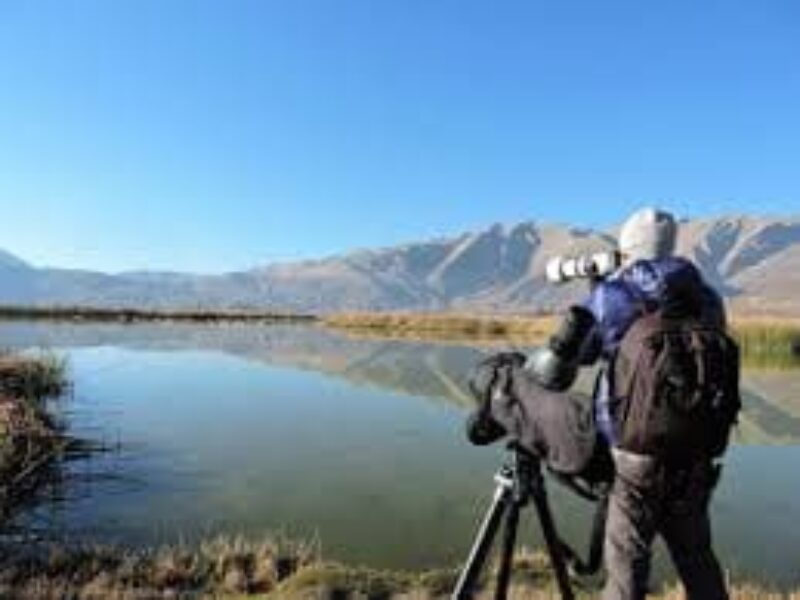
Bring binoculars and, if possible, a camera with a telephoto lens. The wetland is best appreciated from a respectful distance so that birds are not disturbed.
For serious birders, a local naturalist or specialist birding guide can add considerable value by helping identify species and explain their behavior and habitat.
2. Wildlife and Landscape Photography
Huacarpay offers excellent opportunities for nature photography. The combination of water, totora reeds, agricultural fields, mountains, and Andean skies creates a distinctive landscape.
A telephoto lens is especially useful for photographing birds without approaching them too closely.
3. Walking and Nature Observation
Exploring the surroundings on foot allows visitors to appreciate the wetland, rural landscapes, vegetation, and changing views of the mountains.
The experience is less about completing a demanding hike and more about slow exploration and observation.
4. Visit Pikillaqta
Adding Pikillaqta to the itinerary introduces an important archaeological dimension to the experience.
The site offers a fascinating perspective on the Wari civilization and demonstrates the long history of human occupation in the Cusco region.
5. Explore Tipón
The journey can continue to Tipón, where visitors can admire one of the most impressive examples of Inca hydraulic engineering in the Cusco region.
Its terraces, channels, fountains, and carefully managed water flow provide an excellent illustration of the sophisticated relationship between water, agriculture, engineering, and the Andean landscape.
Huacarpay as Part of a Southern Valley Tour
One of the best ways to experience the lagoon is to incorporate it into a broader Southern Valley of Cusco tour.
Depending on the itinerary, a full-day excursion can combine natural, archaeological, and cultural attractions such as:
- Laguna de Huacarpay
- Pikillaqta Archaeological Site
- Tipón Archaeological Park
- Andahuaylillas and its historic church
- Rural communities and agricultural landscapes
This combination is particularly appealing to travelers who want to experience a different side of Cusco beyond Machu Picchu and the city’s main archaeological attractions.
Best Time to Visit Laguna de Huacarpay
Huacarpay can be visited throughout the year, but the experience changes with the seasons.
The dry season, generally from May to October, often brings clearer skies and favorable conditions for outdoor activities and photography. However, temperatures can vary significantly between morning, midday, and evening.
During the rainy season, generally from November to March, the surrounding landscape can become greener and more vibrant. Rain and changing weather conditions, however, can affect outdoor activities and road conditions.
If birdwatching is your main objective, the best approach is to check recent local observations and water conditions before your visit, since bird presence can change throughout the year.
Responsible Tourism at Huacarpay
Because Huacarpay is an important wetland ecosystem, visitors should take care to minimize their impact.
When visiting:
- Avoid feeding or attempting to touch wildlife.
- Keep a respectful distance from birds.
- Do not enter sensitive vegetation or nesting areas.
- Stay on established paths where possible.
- Take all rubbish with you.
- Avoid loud noises around wildlife.
- Use a telephoto lens rather than approaching birds for photographs.
- Respect local communities and agricultural activities.
- Consider hiring a local guide to better understand the area’s natural and cultural heritage.
- Check current access conditions before traveling.
Responsible birdwatching is particularly important in wetlands, where apparently small disturbances can affect birds using the area for feeding, resting, or nesting.
Is Laguna de Huacarpay Worth Visiting?
Yes—especially if you are interested in birds, nature, archaeology, and lesser-visited destinations around Cusco.
Huacarpay’s appeal lies in the combination of experiences rather than in a single attraction. A peaceful high-Andean wetland, mountain scenery, birdlife, rural landscapes, and nearby archaeological sites make it an excellent complement to a traditional Cusco itinerary.
Its proximity to Pikillaqta and Tipón also means that travelers can experience the Southern Valley as a complete cultural and natural landscape rather than visiting each attraction in isolation.
For birdwatchers, Huacarpay can be particularly rewarding when incorporated into a broader Cusco birding itinerary that includes other habitats and elevations in the region.
Frequently Asked Questions About Laguna de Huacarpay
How high is Laguna de Huacarpay?
The lagoon is located at approximately 3,100 meters (10,170 feet) above sea level.
Where is Huacarpay located?
It is in the Southern Valley of Cusco, surrounded by wetlands, mountains, agricultural fields, and rural communities.
What birds can you see at Huacarpay?
The wetland supports a variety of high-Andean waterbirds and other resident and seasonal species. The exact species observed depends on the season and local environmental conditions.
Can I visit Huacarpay, Pikillaqta, and Tipón on the same day?
Yes. Their locations make it possible to combine them into a Southern Valley day trip, although the ideal itinerary depends on your interests, transportation, and the amount of time you want to spend birdwatching.
What should I bring?
For a comfortable visit, consider bringing layers of clothing, sun protection, water, comfortable walking shoes, binoculars, and a camera with a suitable zoom lens.
Discover Huacarpay: Nature and Culture Beyond the Main Cusco Circuit
Laguna de Huacarpay offers a different way to experience Cusco, combining high-Andean biodiversity with archaeological heritage and rural landscapes.
Its wetlands and birdlife provide a peaceful introduction to the natural environment of the Southern Valley, while nearby Pikillaqta and Tipón reveal the remarkable history and engineering traditions of ancient Andean societies.
For travelers interested in birdwatching, nature photography, cultural tourism, and authentic experiences around Cusco, Huacarpay is an excellent destination to add to a Southern Valley itinerary.
Explore the Southern Valley of Cusco through its wetlands, birds, archaeological sites, and living Andean landscapes—and discover Huacarpay beyond the traditional tourist route.
Cultural and Historical Significance
Beyond its ecological value, Huacarpay Lagoon holds great cultural and archaeological importance. The area is dotted with ancient ruins from the Wari civilization, which predate the Incas and offer a glimpse into the region’s rich historical past. Visitors can explore these archaeological sites while enjoying panoramic views of the lagoon and the Andes.
How to Visit Huacarpay Lagoon
Reaching the lagoon is easy and highly rewarding. From Cusco, it’s a scenic 45-minute drive to the district of Lucre. Visitors can explore the lagoon on foot via well-marked trails or join guided tours that delve into the area’s biodiversity and cultural heritage. The best months to visit are during the dry season (May to September), when the weather is more stable and birdwatching opportunities are at their peak.