Manu Birding Adventure: A Nature Lover’s Paradise
Discover a breathtaking 4-day Manu Birding expedition in the heart of Peru’s Manu National Park, one of the most biodiverse regions on Earth. Nestled between the towering Andes and the lush Amazon rainforest, the Manu
Biosphere Reserve offers a once-in-a-lifetime opportunity to observe an astonishing variety of bird species in their
natural habitats.
From the cloud forests to the riverbanks, Manu’s ecosystems are home to hundreds of uncommon, non-native, and endemic bird species, making it a must-visit destination for birdwatchers and nature enthusiasts alike.
Why Manu is a Birdwatcher’s Ultimate Destination Manu Birding
Manu is globally recognized as a birdwatching paradise, boasting more than 1,000 species of birds. It ranks as one of the top birding destinations worldwide due to its exceptional biodiversity and range of habitats. From the misty
highland cloud forests to the vibrant lowland rainforests, each environment provides unique opportunities to spot
rare species, including those that are found nowhere else on the planet.
Whether you’re a dedicated birder or a first-time traveler eager to explore Peru’s wild side, Manu’s varied ecosystems—from towering mountains to riverine forests—are teeming with wildlife that will captivate your senses.
Manu Birding Adventure: A Nature Lover’s Paradise
- Tour Duration: 4-Day Manu Birding Adventure: A Nature Lover’s Paradise
- Service Type: Private or group tour.
- Starting Point: Hotel/Airbnb pickup in Cusco.
- Ending Point: Return to your hotel/Airbnb in Cusco.
- Availability: Daily departures.
- Location: Southern Peru – Manu National Park, Kosñipata Valley, Cusco, Peru.
- Activities: Cloud forest exploration, birdwatching, photography, and guided hikes through primary rainforest. The highlights of the Manu Cloud Forest include birdwatching walks, visits to the Andean Cock-of-the-rock leks, and guided tours of the Wayqecha Biological Station. The area is renowned for its exceptional bird diversity and breathtaking mist-covered landscapes.
- Altitude: The Wayqecha Biological Station is located at 3,000 m (9,843 ft) above sea level in the Kosñipata Valley, Cusco. It serves as a buffer zone on the southern boundary of Manu National Park.
- Best Time to Visit: March – December.
- Departures: Subject to availability.
- Minimum Participants (Amazon Tour): 2 people.
- Maximum Participants (Peru Tour): 10 people.
Manu Birding Tour: 4-Day Birdwatching Adventure from Cusco
Embark on an unforgettable 4-day birding expedition from the high Andes to the lush cloud forests of the Manu Biosphere Reserve. This itinerary is specially designed for travelers passionate about nature, conservation, and photographing rare and endemic species. With expert guides and access to prime locations like Huacarpay Lake, Huayquecha Biological Station, and the famous Cock-of-the-Rock lek, you’ll experience one of Peru’s richest birding regions. Manu rainforest
Day 1: Manu Birding from Cusco – Huacarpay Lake – Huayquecha Biological Station .
We begin our adventure early, departing Cusco at 5:30 a.m. for a 45-minute drive to Huacarpay Lake, one of the best places to spot Andean wetland species. Here, our main target is the Bearded Mountaineer, an exquisite hummingbird endemic to the Cusco region and found nowhere else on Earth.
Around the lake, we’ll also search for species such as: Plumbeous Rail, Cinnamon Teal, Puna Teal, Yellow-
billed Pintail, White-tufted Grebe, Cinereous Harrier, Black-chested Buzzard-Eagle, Streak-fronted Thornbird,
Many-colored Rush Tyrant, Rusty-fronted Canastero (endemic), and Creamy-crested Spinetail (endemic). top birding
After a quick field breakfast, we continue exploring the wetlands before beginning our scenic drive toward Manu. At the highest point of the route, near the entrance of the Manu National Park (3,565 m), we stop for lunch.
From here, we descend into the lush cloud forest, an area rich in hummingbirds, tanagers, toucans, toucanets, antpittas, flycatchers, and tyrannulets. By around 4:30 p.m., we arrive at Huayquecha Biological Station, our lodge for the night.
After dinner, we head out for a night walk with the goal of spotting the Swallow-tailed Nightjar.
Overnight : Wayque Lodge .
Day 2: Manu Birding – Full Day Birding at Huayquecha Biological Station .
We start early at 5:40 a.m. to explore high-elevation habitats around 3,600 meters. This area is superb for specialized Andean birds. Morning highlights may include:
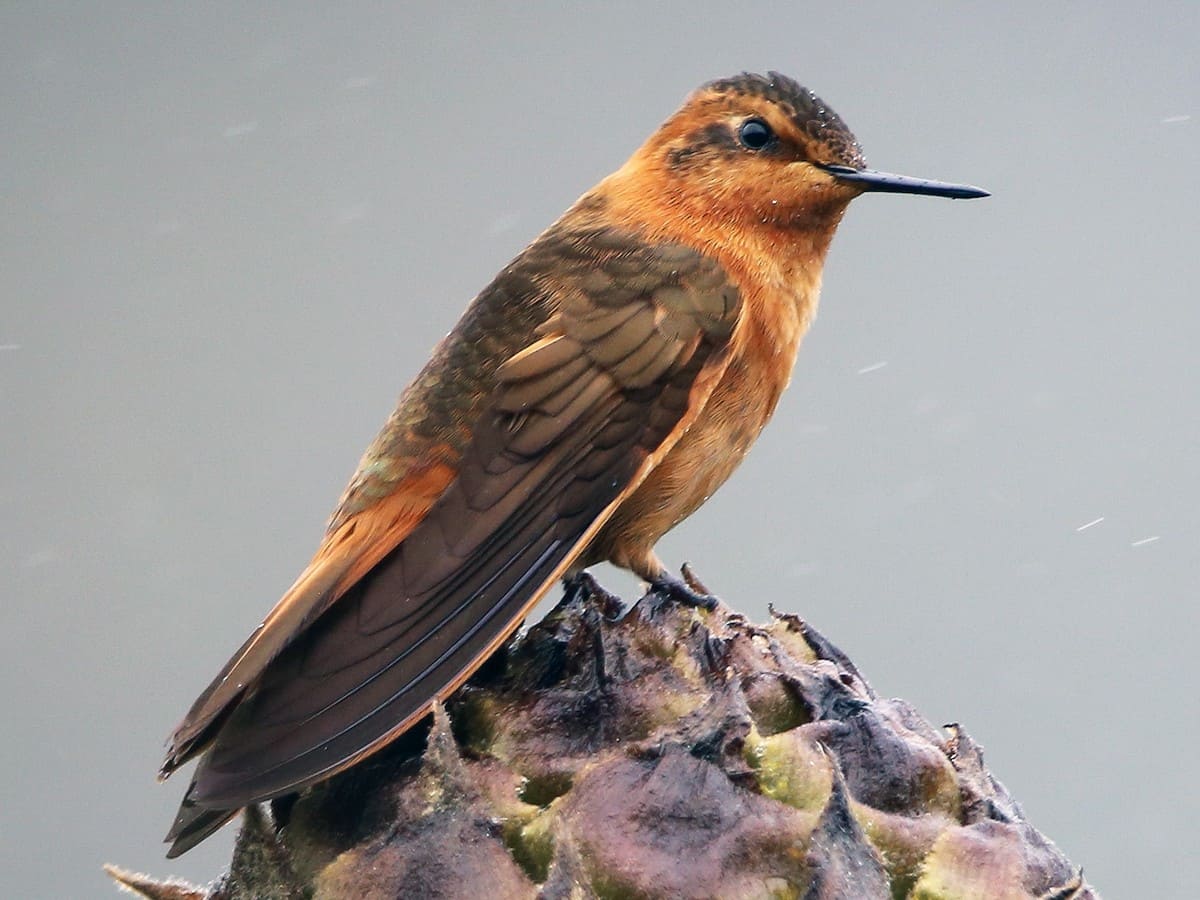
Puna Thistletail, Rufous Antpitta, Puna Tapaculo, Great Sapphirewing, Yungas Pygmy-Owl, Red-crested Cotinga, Barred Fruiteater, Buff-breasted Mountain Tanager, Hooded Mountain Tanager, Grass-green Tanager, Golden-
plumed Parakeet, Scaly-naped Parrot, Moustached Flowerpiercer, Rufous-bellied Bush-Tyrant, Sedge Wren, Scarlet-
bellied Mountain Tanager, White-browed Conebill, Three-striped Hemispingus, Line-fronted Canastero, Scribble-tailed Canastero, and many more.
We return to the lodge for lunch and a short rest before our afternoon session. Later, we search for:
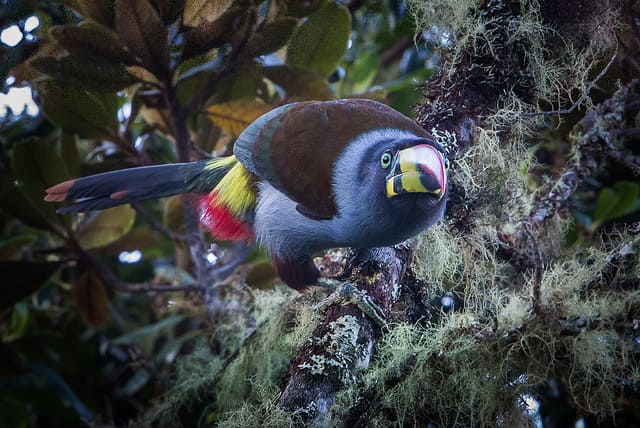
White-winged Black-Tyrant, Rufous-capped Thornbill, Plushcap, Crimson-mantled Woodpecker, Trilling Tapaculo, Gray-breasted Mountain Toucan, and Blue-capped Tanager.
After dinner we once again head into the forest, hoping for more encounters with the Swallow-tailed Nightjar.
Overnight : Cock of the Rock Lodge /Paradide Lodge .
Day 3: Huayquecha Station – Cock of the Rock Lodge .
Today we travel deeper into the cloud forest toward the iconic Cock of the Rock Lodge, birding throughout the journey. On our way we look for:
Golden-collared Tanager, Grass-green Tanager, Scaled Metaltail, Mountain Cacique, White-collared Jay, Barred Parakeet, Barred Fruiteater, Band-tailed Fruiteater, Marcapata Spinetail, Red-and-white Antpitta, Blue-banded
Toucanet, Hooded Mountain Tanager, Black-and-Chestnut Eagle, Black Solitary Eagle, White-throated Antpitta,
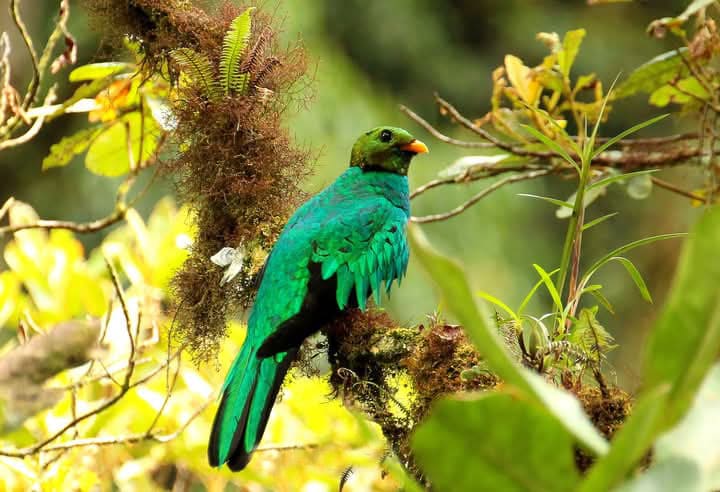
Slaty Tanager, Slaty-backed Chat-Tyrant, Fulvous Wren, Chestnut-crested Cotinga, Crested Quetzal, Golden-headed Quetzal, Black-streaked Puffbird, Yellow-throated Tanager, Buff-breasted Mountain Tanager, Superciliary Hemispingus and others.
After dinner at the lodge, we head out to look for the Rufous-bellied Nighthawk, a fascinating nocturnal species.
Overnight : Cock of the Rock Lodge /Paradide Lodge .
Day 4: Cock of the Rock Lodge /Paradise Lodge – Birding at the Lek – Return to Cusco .
This morning starts very early as we visit one of the region’s greatest spectacles: the Andean Cock-of-the-Rock lek,
where males display in brilliant red plumage. Known locally as the Gallito de las Rocas, this iconic bird is Peru’s national symbol.
At the lek and nearby forest we may also see: White-crowned Tapaculo, Yungas Manakin, Crested Quetzal, Versicolored Barbet, Orange-eared Tanager, Highland Motmot, and other specialties.
After breakfast back at the lodge, we set off on trails to look for additional species such as: Slaty Gnateater, Chestnut-breasted Wren, Cinnamon-faced Tyrannulet, Spotted Nightingale-Thrush, Amazonian Umbrellabird, Tyrannine Woodcreeper, Masked Trogon, Crimson-bellied Woodpecker, Black-streaked Puffbird,
Paradise Tanager, Saffron-crowned Tanager, Golden Tanager, Brown Tinamou, and possibly monkey troops moving through the canopy.
Around the lodge garden, flowering plants attract an impressive variety of hummingbirds. We commonly see up to 13 species, including:
Booted Racket-tail, Wire-crested Thorntail, Green Hermit, Buff-tailed Sicklebill, Many-spotted Hummingbird,
Violet-fronted Brilliant, White-bellied Woodstar, Peruvian Piedtail, Long-tailed Sylph, Wedge-billed Hummingbird,
Speckled Hummingbird, Fawn-breasted Brilliant, and the Sparkling Violetear.
After lunch we begin our return journey to Cusco, ending this unforgettable birding experience in the Peruvian Andes and cloud forest.