Classic Central Birding Peru 17 days
Birdwatching Expedition in Central Peru: Satipo Road & Carpish Adventure (17 Days) Classic Central Birding Peru .
Classic Central Birding Peru 17 days Uncover Peru’s Avian Secrets with the Ultimate Birdwatching Odyssey
Immerse yourself in a 17-day adventure through Central Peru’s iconic birdwatching havens: the legendary Satipo Road and the magical Carpish Range. Experience awe-inspiring encounters with endemic, rare, and regionally confined bird species. From lush cloud forests and serene high-altitude wetlands to rugged mountain slopes, each moment promises an unforgettable chapter for birding enthusiasts. Tour Amazonia Peru
Classic Central Birding Peru 17 days-What Makes This Expedition Unique?
Endemic Species & Avian Marvels
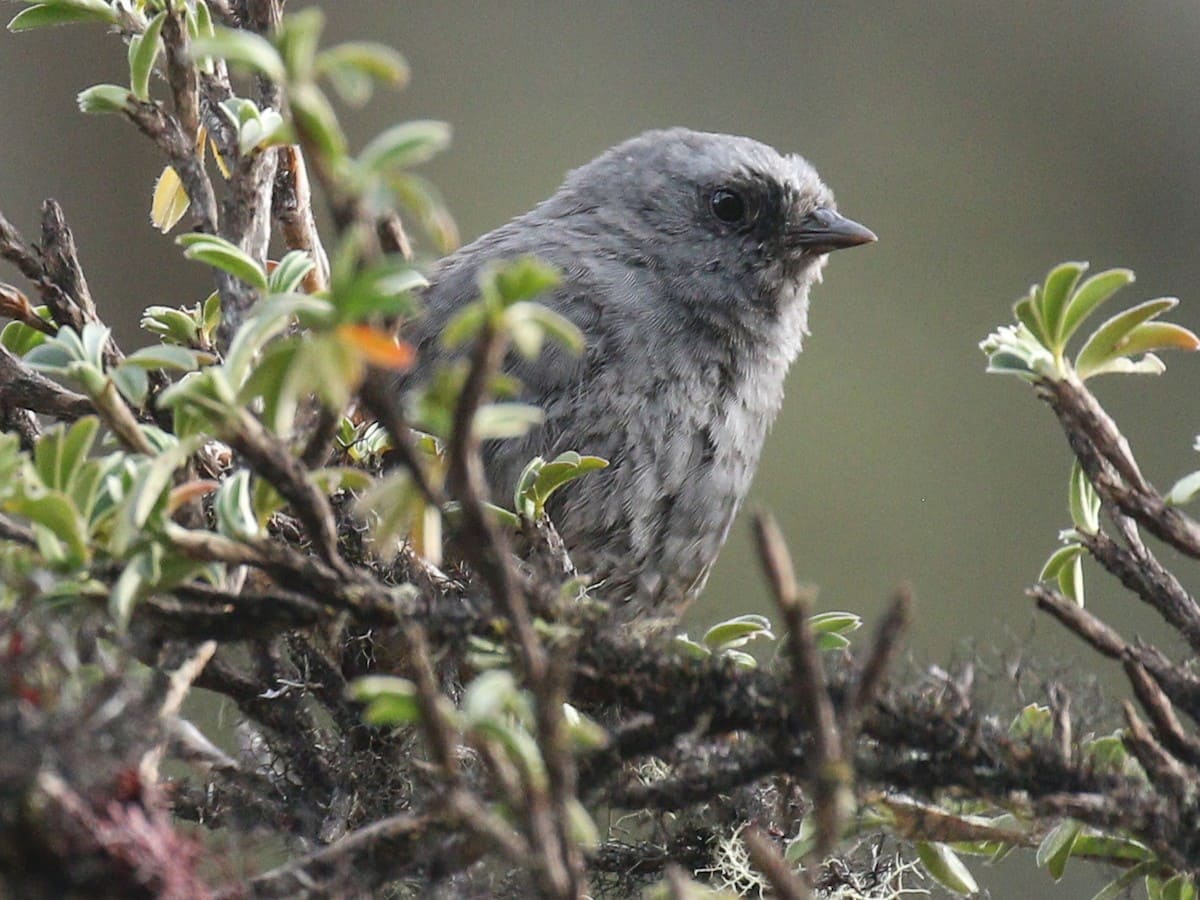
Uncover remarkable species like the Black-spectacled Brush-Finch, Huallaga Tanager, and potentially new taxa such as a distinct Thryothorus Wren.
Diverse Ecosystems
Traverse habitats including Polylepis forests, mystical oilbird caves, and pristine lowland and montane forests rich in biodiversity.
Rare Avian Encounters
Observe the spectacular Golden-backed Mountain Tanager, the aquatic wonder Junin Grebe, and many more exceptional species.
17-Day Central Peru Birding Adventure: From Lomas de Lachay to Satipo Road
Explore Peru’s most iconic birding hotspots—Lomas de Lachay, Santa Eulalia, Junin Lake, Bosque Unchog, Tingo María, Satipo Road, and the Mantaro Valley—in this 17-day journey designed for passionate birders and nature-loving travelers.
From coastal deserts to cloud forests and high-Andean lakes, this route offers more than 500 potential species, including many of Peru’s rarest endemics.
Day 1: Classic Central Birding Peru – Lomas de Lachay – Misty Hills and Coastal Marshes .
Your adventure begins north of Lima at Lomas de Lachay, one of Peru’s most unique coastal ecosystems. These fog-fed hills burst with life during the season, offering excellent chances to see endemics such as the Coastal Miner, Cactus Canastero, Raimondi’s Yellow-Finch, and Thick-billed Miner.
Throughout the day, expect encounters with Andean Tinamou, Grassland Yellow-Finch, Peruvian Meadowlark, and the elegant Least Seedsnipe.
Later, you’ll explore nearby marshes where Peruvian Tern, Many-colored Rush-Tyrant, Wren-like Rushbird, and Gray-hooded Gull are frequent highlights. If time allows, the rocky foothills offer bonus opportunities for additional desert species.
Overnight: Santa Eulalia (B:L:D)
Day 2: Classic Central Birding Peru – Santa Eulalia Valley – A Haven for Rare Endemics .
This dramatic valley is one of Peru’s most reliable spots for high-Andean specialties. The day’s key targets include the sought-after Rufous-breasted Warbling-Finch and Great Inca-Finch.
You may also encounter shimmering hummingbirds like the Bronze-tailed Comet and Black Metaltail, along with Rusty-crowned Tit-Spinetail, Black-necked Woodpecker, and Canyon Canastero.
Other regular sightings include Torrent Duck, White-winged Cinclodes, and the powerful Andean Condor. At dusk, we’ll pause to listen for the tiny but vocal Peruvian Pygmy-Owl.
Overnight: Santa Eulalia (B:L:D)
Day 3: Classic Central Birding Peru to Milloc to Marcapomacochas – High-Andean Marvels .
Today is often considered one of the most exciting birding days in all of Peru. Although species density decreases at high elevations, the quality is exceptional.
We begin in a Polylepis forest, home to the elusive White-cheeked Cotinga. Other highlights include Stripe-headed Antpitta and Striated Earthcreeper.
As we move into the Milloc Valley, we target Black Siskin, Bright-rumped Yellow-Finch, Black-breasted Hillstar, and a variety of canasteros and ground-tyrants.
In the afternoon, we explore Marcapomacochas, one of the few places where you can find Diademed Sandpiper-Plover, White-bellied Cinclodes, and Olivaceous Thornbill.
We end the day on paved roads after a spectacular high-altitude experience.
Overnight: La Oroya (B:L:D)
Day 4:Classic Central Birding Peru and Lake Junin – Huánuco .
This morning focuses on Peru’s most threatened waterbird: the critically endangered Junin Grebe. By taking a motorboat onto Lake Junin, we gain optimal views of this rare species.
Other highlights include Plumbeous Rail, Puna Plover, White-tufted Grebe, Yellow-billed Teal, Yellow-billed Pintail, and occasionally Chilean Flamingos.
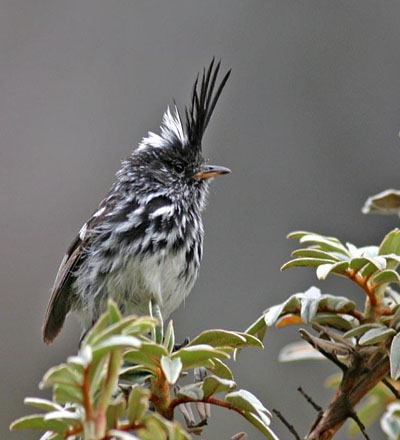
After lunch, the road to Huánuco offers more Andean specialties, such as Black-crested Tit-Tyrant, Giant Conebill, Thick-billed Siskin, Baron’s Spinetail, and Brown-flanked Tanager.
Overnight: Lodge outside Huánuco (B:L:D)
Days 5–6: Classic Central Birding Peru – Bosque Unchog – Home of Peru’s “Big Four” .
We dedicate two full days to Bosque Unchog, one of the top destinations for serious birders. This remote site is the only reliable place to see Peru’s legendary “Big Four”:
- Golden-backed Mountain-Tanager
- Rufous-browed Hemispingus
- Bay-vented Cotinga
- Pardusco
Supporting cast species include Golden-collared Tanager, Coppery Metaltail, Tschudi’s Tapaculo, Line-fronted Canastero, and Red-rumped Bush-Tyrant, as well as the elusive Neblina Tapaculo.
Overnight: Lodge outside Huánuco (B:L:D)
Day 7: Paty Trail – Descent to Tingo María .
Although partially degraded, the Paty Trail still delivers fantastic birding. Key species include Peruvian Tyrannulet, Rufous-vented Tapaculo, and Bay Antpitta. Mixed flocks may reveal colorful tanagers and secretive furnariids.
In the afternoon, we descend toward Tingo María, where dusk brings a chance to spot the impressive Band-bellied Owl.Peru Bird
Overnight: Tingo María (B:L:D)
Day 8: Tingo María – Oilbird Cave .
Today we explore forest remnants east of Tingo María for bright lowland species like Rufous-crested Tanager, Orange-eared Tanager, Golden-naped Tanager, and the endemic Masked Fruiteater.
Later in the day, we visit Tingo María National Park to search for Black-bellied Tanager, Spot-winged Antbird, and the vibrant Fiery-capped Manakin.
We end with a dramatic visit to the Oilbird Cave, a memorable highlight for wildlife enthusiasts.
Overnight: Tingo María (B:L:D)
Day 9: Classic Central Birding Peru – Carpish Tunnel – Cloud-Forest Specialties .
Ascending back into the montane forest, we target a fresh suite of species. The Carpish Tunnel area is excellent for Yellow-scarfed Tanager, Unstreaked Tit-Tyrant, Peruvian Wren, and Gray-breasted Mountain-Toucan.
Other possibilities include Barred Fruiteater, Chestnut Antpitta, and Rufous-headed Pygmy-Tyrant.
Overnight: Huánuco (B:L:D)
Day 10: Classic Central Birding Peru and Huánuco to Oxapampa .
This is primarily a travel day, but we make strategic birding stops along the way. The main highlight is Rufous-backed Inca-Finch, an endemic found in scrubby Andean slopes.
After arriving in Oxapampa, we may try for the nocturnal Cloud-forest Screech-Owl.
Overnight: Oxapampa (B:L:D)
Day 11: Oxapampa – Bosque Shollet .
Morning birding around Oxapampa focuses on Masked Fruiteater, Peruvian Wren, Unstreaked Tit-Tyrant, and Yellow-scarfed Tanager.
In the afternoon, we continue to Bosque Shollet, a reliable location for Black-winged Parrot, Red-ruffed Fruitcrow, and Bay Antpitta.
Overnight: Oxapampa (B:L:D)
Day 12: Classic Central Birding Peru to Villa Rica – Coffee Country Birding .
Shade-grown coffee plantations around Villa Rica provide habitat for species such as Creamy-bellied Antwren, Foothill Elaenia, White-bellied Pygmy-Tyrant, and Versicolored Barbet.
Nearby wetlands may also reveal Subtropical Doradito and the well-camouflaged Masked Duck.
Overnight: Villa Rica (B:L:D)
Day 13: Villa Rica to Satipo .
We bird our way east toward Satipo, watching for Masked Saltator and Andean Tyrant along the forested road.
Overnight: Satipo (B:L:D)
Day 14: Classic Central Birding Peru – Satipo Road – One of Peru’s Best Birding Corridors .
Often compared to the famous Manu Road, the Satipo Road transitions from Andean peaks to lush foothills. It’s an area rich in mixed flocks, hummingbirds, and canopy species.
Key sightings include Paradise Tanager, Golden Tanager, Ocellated Piculet, and Lanceolated Monklet, along with higher-elevation species like Eyering Thistletail and Bay Antpitta.
Overnight: Apalla Calabaza (B:L:D)
Day 15: Classic Central Birding Peru Satipo Road to Acobamba – Rare High-Andean Endemics .
We continue birding at higher altitudes, targeting the Junin Tapaculo and Eyering Thistletail. With luck, we might observe the still-undescribed Millpo Tapaculo.
Later, we search for other Mantaro endemics such as Mantaro Thornbird and Mantaro Spinetail.
Overnight: Acobamba (B:L:D)
Day 16: Mantaro Valley – Return to La Oroya .
This morning focuses on the scrub habitats around Acobamba, where Black-goggled Brush-Finch and Mantaro Wren are the main targets.
Afterward, we drive back toward La Oroya for our final night in the high Andes.
Overnight: La Oroya (B:L:D)
Day 17: Back to Lima – Final Birding Highlights .
Our return to Lima includes strategic birding stops. Possible species include the Black Metaltail and the well-camouflaged Rufous-bellied Seedsnipe.
Your journey concludes with a transfer to your hotel or directly to the airport.
Meals: B:L