Why Abra Malaga Is Excellent for Birdwatching
The exceptional bird diversity of Abra Malaga is closely related to its steep elevation gradient and varied vegetation. In a single birding excursion, visitors can move between different habitats and search for species that are adapted to very specific ecological conditions.
The Polylepis woodland is particularly interesting for birders looking for specialized high-Andean species, while bamboo patches and montane vegetation provide opportunities for finding additional species that may be difficult to encounter in other areas around Cusco.
For birdwatchers visiting Peru, an Abra Malaga birding tour from Ollantaytambo offers the opportunity to combine specialized Andean bird species with dramatic mountain scenery and a diverse range of habitats.
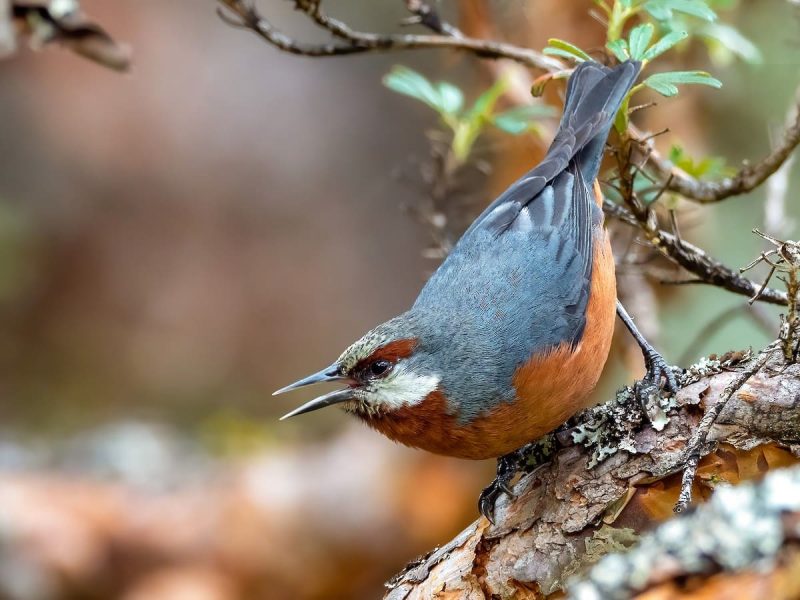
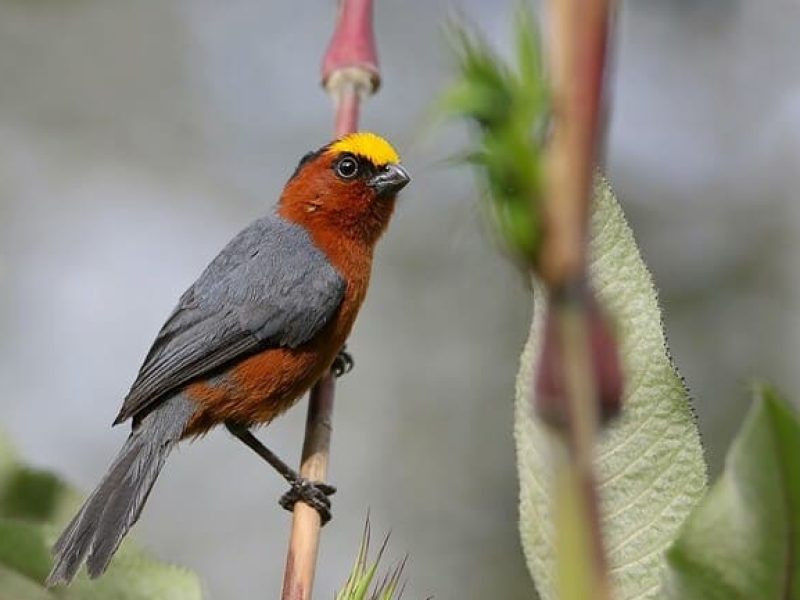
The Birdwatching Abra Malaga Full-Day Tour
The The Birdwatching Abra Malaga Full-Day Tour : begins in Ollantaytambo Town, Unique Andean Ecosystems
Discover the incredible birdlife of the Andes on our Abra Malaga birdwatching full-day tour from Ollantaytambo. Located on the eastern slopes of the Andes near the famous Malaga Pass, Abra Malaga is one of the most rewarding birdwatching destinations in the Cusco region. TAMBOPATA TRIPS
This full-day birding adventure takes you through contrasting habitats, from high-altitude Polylepis woodlands to dense bamboo patches. These specialized ecosystems provide shelter and food for a remarkable variety of Andean birds, including several species that are endemic or particularly sought after by birdwatchers visiting Cusco.
With an early start, expert guidance, and plenty of time for birding stops, this tour is designed for travelers who want to experience Peru’s exceptional biodiversity away from the crowds. MANU BIRDING
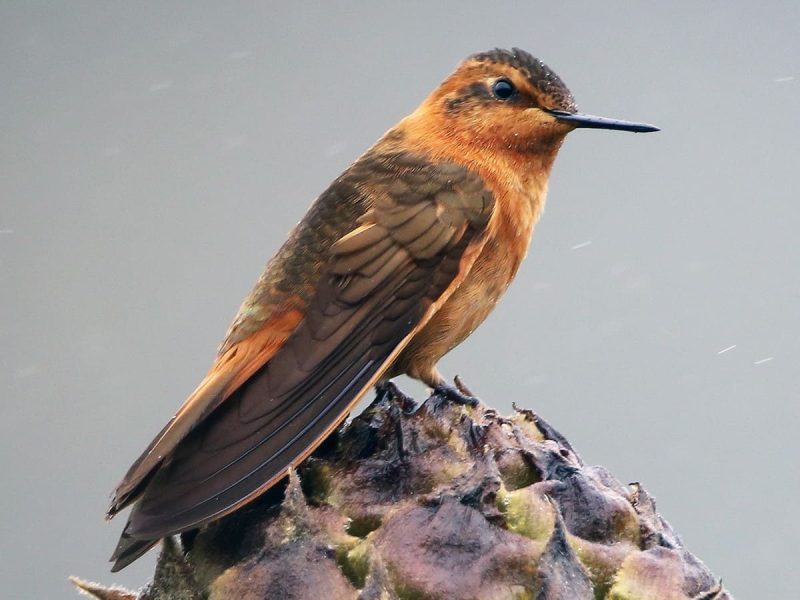
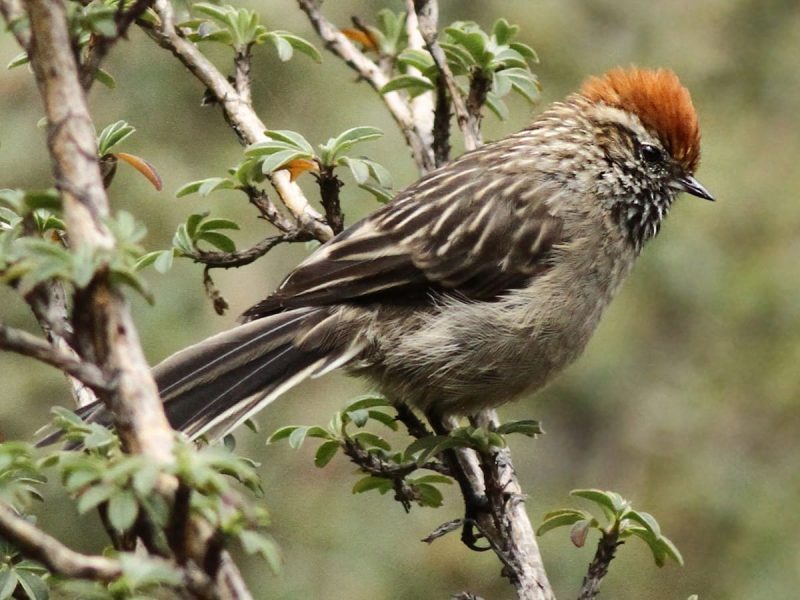
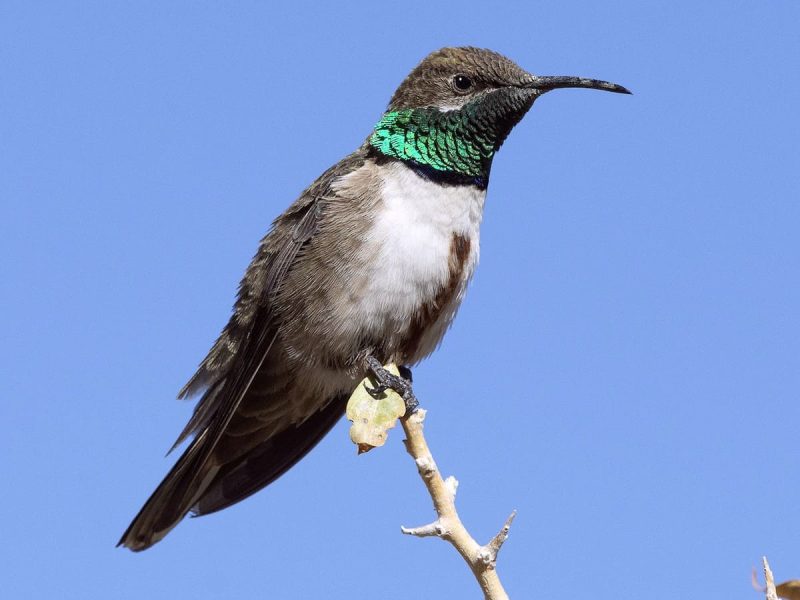
Among the highlights you may encounter are Parodi’s Hemispingus, Cusco Brushfinch, Inca Wren, Marcapata Spinetail, Unstreaked Tit-Tyrant, Royal Cinclodes, White-tufted Sunbeam, and White-browed Tit-Spinetail, depending on weather, habitat conditions, and bird activity.
The Birdwatching
Starting point: Ollantaytambo
Departure: Approximately 4:30 AM
Return: Approximately 5:00 PM to Ollantaytambo
Transfer to Cusco: Approximately 7:00 PM
Duration: Full day
Group size: 2–6 people
Lunch: Box lunch included
Main habitats: Bamboo patches, montane vegetation, and Polylepis woodland
Difficulty: Moderate, with walking at high altitude. PERU BIRD
Abra Malaga Birdwatching Itinerary
Early Morning: Ollantaytambo – San Luis
We pick you up from your hotel in Ollantaytambo at around 4:30 AM and travel toward the eastern slopes of Abra Malaga.
After approximately three hours, we reach San Luis, where we begin birdwatching in bamboo and montane vegetation.
Possible species include:
Inca Wren ,Marcapata Spinetail, Unstreaked Tit-Tyrant, Parodi’s Hemispingus ,Cusco Brushfinch
Abra Malaga Pass & Polylepis Forest
We continue toward Abra Malaga, making birdwatching stops along the way. We then hike through Polylepis woodland, an important habitat for high-Andean birds.
Possible sightings include:
Royal Cinclodes ,White-browed Tit-Spinetail, Ash-breasted Tit-Tyrant , Andean Hillstar , Line-fronted Canastero , Puna Tapaculo , Giant Conebill, White-tufted Sunbeam , Shining Sunbeam , d’Orbigny’s Chat-Tyrant
Lunch & Birdwatching
Around midday, we enjoy a box lunch in the mountains. After lunch, we continue birdwatching at a relaxed pace, looking and listening for species we may have missed. MANU TOURS
Return
Around 4:00 PM, we begin the return journey. Drop-off can be arranged in Ollantaytambo or Cusco, arriving in Cusco at approximately 7:00 PM.
Birdwatching Note : Abra Malaga offers excellent opportunities for high-Andean and montane species, but
sightings depend on weather, season, habitat, and bird activity. No sightings can be guaranteed.
Abra Malaga Birdwatching Tour Itinerary
Early Morning: Ollantaytambo to the Eastern Slopes
We begin the tour early, picking you up from your hotel in Ollantaytambo at approximately 4:30 AM.
From Ollantaytambo, we travel along the road connecting the highlands of Cusco with the cloud forests and jungle of the eastern Andes. The changing landscape along the route provides an impressive introduction to the region’s ecological diversity.
After approximately three hours of travel, we reach the San Luis area on the eastern slopes of Abra Malaga, where we begin our first birdwatching session.
Birdwatching in the San Luis Bamboo Habitat
At San Luis, we explore areas of bamboo and montane vegetation in search of some of the region’s most interesting birds.
This is an important area for species such as Parodi’s Hemispingus and Cusco Brushfinch, two highly desirable birds for visitors interested in the endemic and localized species of the Cusco region.
We also pay particular attention to the bamboo patches, where we may search for:
- Inca Wren
- Marcapata Spinetail
- Unstreaked Tit-Tyrant
- Parodi’s Hemispingus
- Cusco Brushfinch
Birdwatching conditions can change quickly in the Andes, so patience is essential. Our guides will help you listen for calls, identify movement in dense vegetation, and make the most of every opportunity.
Return to Abra Malaga
After exploring the San Luis area, we return toward Abra Malaga Pass, making strategic birdwatching stops along the approximately 38-kilometer route.
The changing elevation and vegetation offer additional opportunities to spot birds that may not have been active earlier in the morning.
Polylepis Woodland Birdwatching
At an appropriate time, we begin our hike downhill toward the Polylepis woodland, one of the most rewarding habitats on the Abra Malaga route.
These high-altitude forests support a specialized community of Andean birds. Depending on conditions and bird activity, species we may look for include:
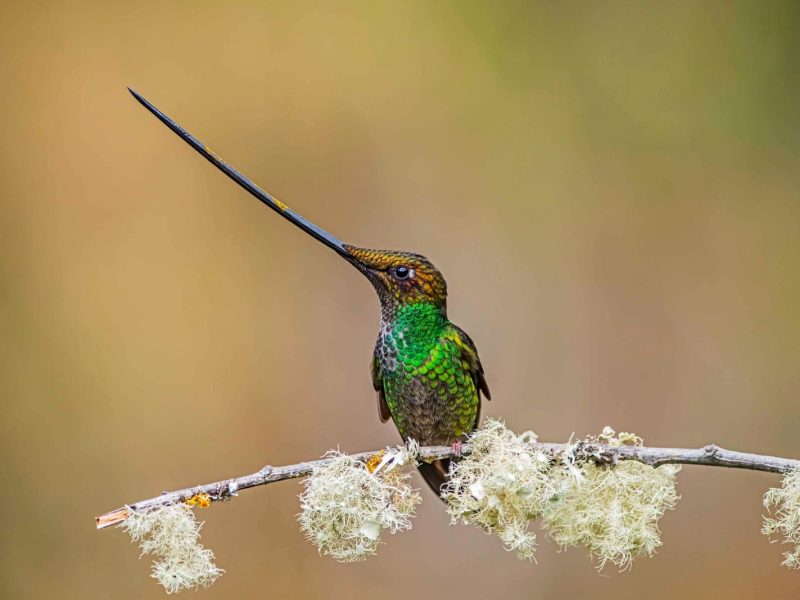
Royal Cinclodes,White-browed Tit-Spinetail .Ash-breasted Tit-Tyrant ,Andean Hillstar , Tawny Tit-Spinetail , Line-fronted Canastero , Stripe-headed Antpitta , Puna Tapaculo , Brown-backed Chat-Tyrant , Rufous-webbed Bush-Tyrant , Giant Conebill , d’Orbigny’s Chat-Tyrant , White-tufted Sunbeam , Shining Sunbeam , Tit-like Dacnis
The hike is taken at a relaxed pace, allowing plenty of time to stop, scan the vegetation, listen for calls, and photograph birds and the surrounding Andean landscape.
Lunch in the Mountains
Around midday, we stop in a peaceful area of the Polylepis habitat to enjoy a box lunch surrounded by the dramatic scenery of the Andes.
After lunch, we continue uphill at a slow pace, searching for species that we may have missed during the first part of the walk.
For birdwatchers, this gradual pace is important. Rather than rushing from one location to another, we allow time for quiet observation and for birds to reveal themselves.
Return to Ollantaytambo or Cusco
Around 4:00 PM, we finish our Abra Malaga birdwatching experience and begin the return journey.
You can be dropped off at your Ollantaytambo hotel, or we can arrange a transfer toward Cusco, arriving in the city at approximately 7:00 PM.
Birds You May See at Abra Malaga
Abra Malaga is home to an impressive variety of high-Andean and montane bird species. Sightings are naturally dependent on season, weather, habitat conditions, and bird activity, but the area offers opportunities to search for many highly sought-after species.
Possible sightings include:
Taczanowski’s Tinamou,Tyrian Metaltail,Shining Sunbeam, White-tufted Sunbeam, Creamy-crested Spinetail ,Junin Canastero ,White-crested Elaenia, Sierran Elaenia, d’Orbigny’s Chat-Tyrant, Rufous-breasted Chat-Tyrant , White-browed Chat-Tyrant, Ash-breasted Tit-Tyrant, Andean Hillstar, Marcapata Spinetail, Parodi’s Hemispingus, Cusco Brushfinch , Unstreaked Tit-Tyrant , Royal Cinclodes, White-browed Tit-Spinetail, Tawny Tit-Spinetail, Line-fronted Canastero, Stripe-headed Antpitta, Puna Tapaculo, Giant Conebill , Tit-like Dacnis
And other Andean species
Important: Bird sightings cannot be guaranteed because these are wild animals and their activity varies according to weather, season, food availability, and habitat conditions.
Included
- Box breakfast
- Private Transportation
- Professional Guide
Who Is This Abra Malaga Birdwatching Tour For?
This tour is ideal for:
Experienced birdwatchers looking for specialized Andean species
Wildlife photographers
Nature lovers visiting Cusco
Travelers staying in Ollantaytambo
Visitors interested in Peru’s endemic and localized birds
Birders who want to explore different ecosystems in a single day
You do not need to be an expert birder to enjoy the experience. Our guides can help you identify birds by appearance, behavior, habitat, and calls while you enjoy the spectacular scenery of the Andes.
Why Go Birdwatching at Abra Malaga?
Abra Malaga is especially interesting for birders because of the dramatic change in altitude and vegetation found along the route. In a single day, you can explore different habitats and search for species adapted to very different Andean environments.
The eastern slopes are particularly productive for species associated with bamboo and humid montane forest, while the high-altitude Polylepis areas provide opportunities to look for specialized birds that are difficult to find elsewhere.
This combination makes Abra Malaga an excellent choice for both experienced birdwatchers and travelers who simply enjoy wildlife, photography, and spectacular mountain landscapes.
Abra Malaga Location and Travel Information
Where Is Abra Malaga?
Abra Malaga is a high mountain pass in the Cusco region of southern Peru, located between the provinces of Urubamba and La Convención. The pass forms an impressive transition between the high Andes and the warmer, forested valleys leading toward the eastern slopes of the Andes.
Situated near the Verónica (Wakay Willka) mountain, Abra Malaga is surrounded by dramatic mountain scenery and a remarkable change in vegetation and climate. The route allows visitors to experience the transition from high-Andean puna and Polylepis habitats toward the cloud forests of the eastern Andes.
Abra Malaga at a Glance
Location: Cusco Region, Peru
- Altitude: Approximately 4,316 meters above sea level (masl)
Environment: High Andes, with a transition toward montane and cloud-forest habitats
Suggested stay: 1 day
Recommended clothing: Warm jacket, waterproof raincoat, hat, comfortable light layers, and long sleeves
Best season for birdwatching: May to October
How to Get to Abra Malaga
Abra Malaga is approximately 120–130 km from the city of Cusco, depending on the exact starting point and route. The journey takes around 3 hours or more, depending on traffic, road conditions, and stops along the way.
From Cusco, the route follows the road toward Ollantaytambo through the Sacred Valley. From Ollantaytambo, continue along the paved road toward Quillabamba, gradually climbing toward Abra Malaga Pass.
At the pass, the elevation reaches approximately 4,316 meters above sea level, providing spectacular views of the surrounding mountains and the snow-capped Verónica.
For birdwatchers, the journey itself is part of the experience. The dramatic changes in elevation allow you to move through several distinct habitats, creating opportunities to observe different groups of Andean birds along the route.
Landscape and Geography
Abra Malaga lies at an important ecological transition zone. The high-altitude landscape is characterized by rugged mountains, cold puna environments, and Polylepis (queñua) woodlands. As the road descends toward the eastern slopes, the landscape changes rapidly, eventually reaching montane and cloud-forest environments.
This exceptional elevation gradient is one of the reasons the area is so attractive for birdwatching near Cusco. Different habitats support different bird communities, allowing birders to search for specialized species within a relatively short distance.
Climate at Abra Malaga
Conditions at the pass can change quickly. Visitors should be prepared for cold temperatures, strong winds, fog, rain, and occasionally snow or hail at higher elevations.
The weather becomes warmer as the road descends toward the eastern slopes. Because of this rapid climatic transition, wearing several layers is recommended.
For a comfortable Abra Malaga birdwatching tour, bring a warm jacket, rain protection, a hat, long sleeves, and clothing that can be adjusted easily as temperatures change throughout the day.
Why Visit Abra Malaga for Birdwatching?
The combination of altitude, habitat diversity, and geographic location makes Abra Malaga an exceptional destination for birders visiting the Cusco region.
During a single excursion, it is possible to explore high-Andean grasslands, Polylepis woodland, bamboo habitats, and montane vegetation. These environments provide opportunities to search for specialized Andean species and other birds associated with the eastern slopes.
For travelers interested in birdwatching in Cusco, Abra Malaga offers more than a list of target species—it provides an opportunity to experience one of the region’s most dramatic ecological transitions while surrounded by spectacular Andean scenery.
Travel times, road conditions, weather, and bird sightings may vary. Altitude and distance figures should be treated as approximate.
Abra Malaga Birdwatching Notes
Tour Starting Point
The Abra Malaga birdwatching tour is considered to begin in Ollantaytambo Town. From here, we travel toward the Abra Malaga area, exploring both the eastern and western slopes and stopping at suitable habitats and strategic birding locations along the route.
The combination of high-elevation grasslands, Polylepis woodland, bamboo patches, and montane habitats provides opportunities to observe a diverse selection of Andean bird species.
Target Birds at Abra Malaga
Abra Malaga is known for its exceptional bird diversity and the opportunity to search for specialized high-Andean species. Depending on the season, weather conditions, habitat, and bird activity, our target list may include:
High-Andean and Mountain Species
- Taczanowski’s Tinamou
Tyrian Metaltail
Andean Hillstar
Royal Cinclodes (NE)
Giant Conebill
Puna Tapaculo (NE)
Stripe-headed Antpitta (NE)
Line-fronted Canastero (NE)
Tawny Tit-Spinetail (NE)
White-browed Tit-Spinetail (E)
Ash-breasted Tit-Tyrant (NE)
Sunbeams and Specialized Species
- Shining Sunbeam
White-tufted Sunbeam (E)
Creamy-crested Spinetail (E)
Marcapata Spinetail (E)
Unstreaked Tit-Tyrant (E)
Tit-like Dacnis (NE)
Chat-Tyrants and Other Andean Birds
- D’Orbigny’s Chat-Tyrant
Rufous-breasted Chat-Tyrant
White-browed Chat-Tyrant
Ash-breasted Tit-Tyrant
White-crested Elaenia
Sierran Elaenia
Junin Canasteros
Parodi’s Hemispingus (E)
Cuzco Brushfinch (E)
And more: Abra Malaga’s changing habitats mean that additional bird species may be encountered throughout the day.
A Diverse Birding Destination Near Cusco
The variety of species found around Abra Malaga is closely connected to the area’s dramatic changes in elevation and vegetation. Birders can explore different habitats during the same excursion, increasing the chances of encountering species with very specific habitat requirements.
For dedicated birdwatchers, the combination of Polylepis woodland, bamboo, high-Andean vegetation, and montane habitats makes Abra Malaga an especially rewarding destination for birding in the Cusco region.
Birding Symbols
(E) – Endemic or range-restricted species, according to the classification used for this birding list.
(NE) – Near-endemic or species with a particularly restricted distribution.
Bird sightings cannot be guaranteed. The species observed during the tour will depend on weather, season, habitat conditions, and natural bird behavior.
where we meet before traveling toward the Abra Malaga area.
Throughout the excursion, we explore selected locations on the eastern and
western slopes, making strategic stops in habitats that offer good opportunities for birdwatching.
The dramatic change in elevation creates a remarkable variety of environments, including high-Andean grasslands, Polylepis woodland, bamboo patches, and montane habitats. This diversity is one of the main
reasons Abra Malaga is an outstanding destination for birding in the Cusco region.
Birds at Abra Malaga
Abra Malaga offers the opportunity to search for a wide range of Andean birds, including specialized species associated with high-elevation and restricted habitats. The exact species observed during the day will depend on the
season, weather, habitat conditions, and bird activity.