Machu Picchu – Quillabamba Birding: A Journey Through Peru’s Avian Wonders .
Machu Picchu – Quillabamba Birding is a meticulously crafted 7-day adventure designed for bird enthusiasts eager to explore the breathtaking biodiversity of the Andean cloud forests and lush lowland valleys. This program offers an unparalleled opportunity to observe a stunning array of bird species in their natural habitats, from the mystical ruins of Machu Picchu to the remote landscapes of Quillabamba and beyond.
Led by expert guides with deep ecological knowledge, this birding expedition takes participants through diverse ecosystems, maximizing opportunities to spot endemic and rare species. The journey includes prime birdwatching hotspots such as Abra Málaga, the cloud forests of Machu Picchu, and the newly explored Ayacucho Road, revealing an astonishing variety of tanagers, hummingbirds, antbirds, toucans, and more.
Machu Picchu Quillabamba Birding.
The Upper Urubamba Valley: A Hidden Gem for Birdwatchers
Situated in the heart of the Peruvian Andes, the Upper Urubamba Valley offers an unparalleled environment for bird enthusiasts. With its unique combination of high-altitude Andean ecosystems and subtropical cloud forests, the area is home to a rich variety of avian species. From the vibrant hummingbirds of the cloud forests to the majestic Andean condors soaring above the mountain peaks, this region is a birdwatcher’s paradise.
Machu Picchu Quillabamba Birding.
- Location: cusco .
- Type of service: Private or Group
- Start Point : Pick-up from the Hotel/Aiport or Bus Terminal in Cusco.
- Ending Point: Drop off the Hotel/Airport or Bus Cusco.
- Departure: Every Day
- Activities:
- Altitude:
Best time to visit: March – November
Accomodation : 6 night in hotel Private Showers and Bathrooms . - Meals: 6 Breakfast /6 Lunch /6 Dinner
- Tour Guides Professional :(well-equipped with guiding gear)
- Minimum of participants: 2
- Maximum of participants: 10
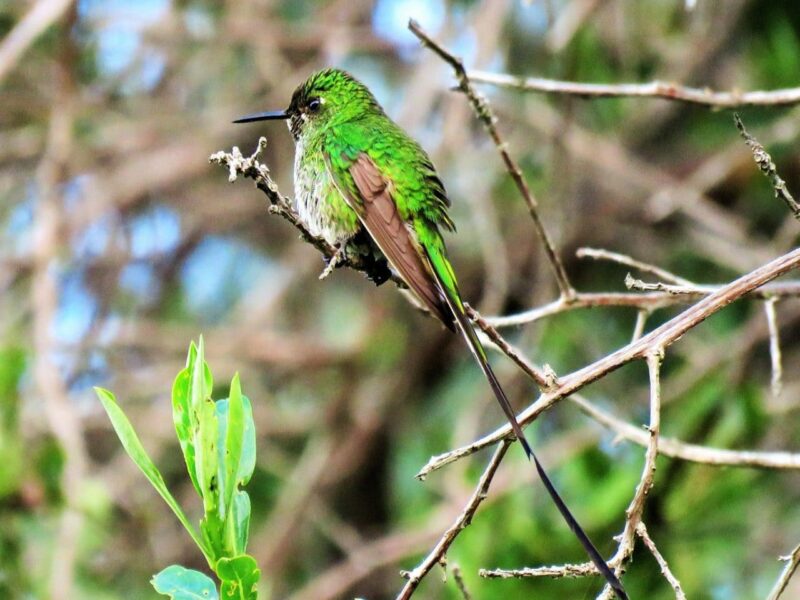
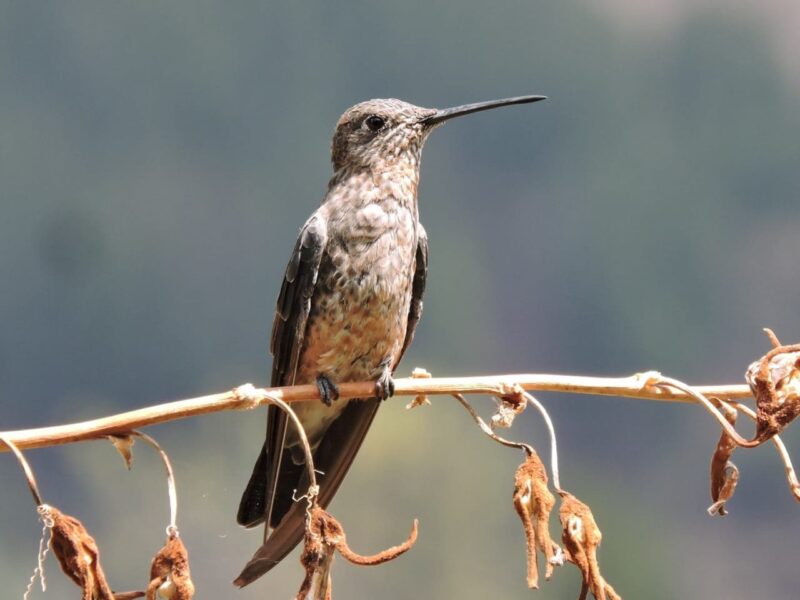
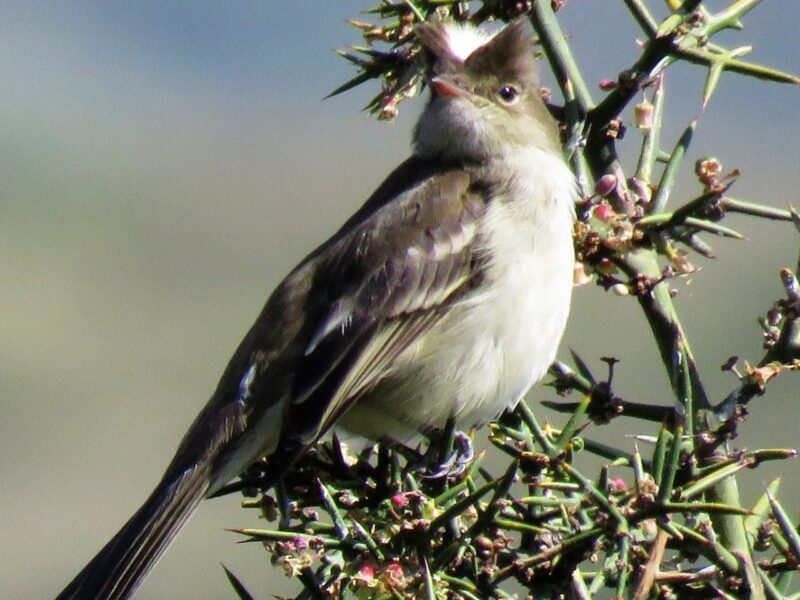


Machu Picchu Quillabamba Birding.
Discover the Rich Birdwatching Opportunities in the Upper Urubamba Valley: A New Tour for Nature Enthusiasts
A recent groundbreaking study conducted in the upper Urubamba Valley has revealed a wealth of fascinating insights about the region’s rich biodiversity. This area, known for its lush landscapes and abundant wildlife, is quickly gaining attention from birdwatchers around the world. With new access roads now linking Machu Picchu to San Francisco, crossing the breathtaking Vilcabamba range, the opportunities for birdwatching in this lesser .
Machu Picchu Quillabamba Birding.
- Day 1 – Abra Málaga & Scenic Train to Aguas Calientes .
- Day 2 – Machu Picchu & the Cloud-Forest Birdlife of the Urubamba Valley .
- Day 3 – Birding Along the Rail Line to Hidroeléctrica & Road to Quillabamba.
- Day 4 – Quillabamba – Cirialo – Kiteni: Dry Forest, Coffee Zones & Cloud Forest Transitions .
- Day 5 – New Kiteni–Ayacucho Road: Exploring an Uncharted Birding Frontier .
- Day 6 – Second Exploration Day on the Ayacucho Road & Return to Quillabamba .
- Day 7 – Quillabamba – Abra Málaga – Ollantaytambo – Cusco .
Machu Picchu - Quillabamba Birding
Machu Picchu Quillabamba Birding is a meticulously designed and captivating program that offers a comprehensive and immersive experience for nature enthusiasts and avid birdwatchers. Set amidst the breathtaking landscapes of Quillabamba, this week-long journey is curated to showcase the region's remarkable biodiversity and avian treasures.
Over the course of seven days, participants are invited to explore the natural wonders of Quillabamba and its surrounding environs. The program's core focus is on birdwatching, making it an exceptional opportunity for both beginners and seasoned birding enthusiasts to witness a diverse array of avifauna in their native habitats.
The itinerary spans various captivating locations, each chosen for its unique ecological significance and potential for bird sightings. Led by expert guides with an intimate understanding of local ecosystems, participants will embark on guided excursions into lush forests, verdant valleys, and serene lakesides. These expeditions are thoughtfully tailored to maximize birdwatching opportunities and provide insights into the fascinating behaviors and characteristics of each species encountered.
Machu Picchu and Quillabamba Birding 7 Days
Ultimately, Machu Picchu Quillabamba Birding stands as a testament to the profound beauty and complexity of nature. It provides a platform for individuals to forge a deep and lasting connection with the environment while contributing to its conservation through education and appreciation. Whether for the love of avian wonders, the allure of captivating landscapes, or the desire to engage with local cultures, this program promises a transformative and unforgettable journey into the heart of Quillabamba's natural and cultural tapestry.
Day 1: Scenic Train Journey to Machu Picchu – Abra Malaga to Aguas Calientes
Your Peru adventure begins as you arrive in Ollantaytambo, a charming town nestled in the Sacred Valley, where you'll board the scenic train to Aguas Calientes, the gateway to the ancient wonder of Machu Picchu. A Journey Through the Sacred Valley: Stunning Views and Early Birding Opportunities As the train departs from Ollantaytambo, prepare for an unforgettable ride through the heart of the Sacred Valley of the Incas. The train route winds through dramatic landscapes—steep cliffs, rushing rivers, and lush forests. Keep your eyes peeled for early birding opportunities as you pass through the Andean foothills. The region is home to a wide variety of native bird species, including: In the evening, rest up for tomorrow’s exciting explorationDay 2: Birdwatching at Machu Picchu – A Journey Through History and Nature
Today, we embark on an unforgettable adventure to Machu Picchu, , the iconic Inca citadel set against the stunning backdrop of the Andes. Known for its historical significance and breathtaking views, Machu Picchu is also a birdwatcher's paradise, teeming with a variety of species that thrive in the surrounding cloud forests.
Beyond its archaeological wonders, Machu Picchu is a prime birdwatching destination. The cloud forests and Andean
montane ecosystems surrounding the citadel are home to a variety of unique bird species. Among the highlights of
the day, we’ll search for the elusive Inca Wren, an endemic species that can only be found in this region. which is rich in birds with many good species such as Torrent Duck, White-capped Dipper, Mitred Parakeet, Barred Parakeet,
Andean Guan, Cock-of-the Rock, Ocellated Piculet, White-eared Solitaire, Highland Motmot, Variable Antshrike,
Grey-breasted Mountain-Toucan, White-crowned, Sierran and Highland Elaenias, Saffron-crowned, Flame-faced, Rust-and-Yellow and Beryl-spangeled Tanagers, Mottled-cheeked and Sclater´s Tyrannulet and many more.
In the late afternoon we shall look for Lyre-tailed Nightjar. Night in Aguas Calientes.
Day 3: Birding the Rail Track Below Puente Ruinas Bridge – Machu Picchu to Quillabamba
Today’s birding adventure continues along one of the most picturesque and bird-rich areas on our tour: the rail track below Puente Ruinas Bridge, heading towards Hidroeléctrica. Nestled in the heart of the Andes, this section offers a perfect combination of stunning landscapes and exciting birding opportunities, making it an unforgettable experience for nature lovers
Additional species we seek today are Masked Fruiteater, Black-streaked Puffbird, the local race of Pale-legged Warbler which may correspond to a seperate speceis, Gould's Inca, Rufous-breasted Wood-Quail and others. We walk and bird the rail track to Hidro Electrica untill midday (around 6km light down hill) and via Santa Teresa continue to bird our way to Quillabamba. Night in Quillabamba.
Day 4: Quillabamba-Cirialo-Kiteni- Ayacucho Road .
We shall make a very early start towards Cirialo. Here there is rain shadow and dry vegetation. Recent explorations around here have revealed many dry forest birds that are difficult to see elsewhere in Peru are relatively commong here such as Small-billed Tinamou, Ocellated Crake, Plain-breasted Ground-Dove, Cinereous-breasted Spinetail,
Rusty-backed Antwren, Plain-crested Elaenia, Pearly-vented Tody-Tyrant, Green-backed Becard and Purplish Jay,
Other more common birds include Yellow-headed Caracara, Stripe-necked Tody-Tyrant, Fiery-capped Manakin, Black-faced Tanager, Red-crested Finch and Dull-coloured Grassquit.
Higher up, the dry scrub makes away for coffee and Inga trees as shaddow where it is not uncommon to find Yungas Antwren, Swallow-tailed Hummingbird, Streaked Flycatcher, Rufous Casiornis, Blue-crowned Trogon, Yellow-tufted
Woodpecker and Bar-breasted Piculet in season Cerulean Warbler and Western Wood-Pewee. Soon we find ourselves beyond 1800m and lush cloud forest. Here is a completely different set of birds with Creamy-bellied
Antwren, Unadorned and Flavescent Flycatchers, Masked Fruiteater and Blue-winged Mountain-Tanager.
In the afternoon we shall return towards Cirialo looking out for Scissor-tailed Nightjar, White-tailed Hawk and Yungas Tyrannulet.
We spend the night in a basic hotel in Kiteni
Day 5: Kiteni - Ayacucho Road - Birding Wildlife .
Today, we explore one of the most exciting, off-the-beaten-path birding locations in Peru—the newly constructed road from Kiteni to Ayacucho. This remote route crosses the rugged Cordillera Vilcabamba, offering unique birdwatching opportunities in previously unexplored territories.
A Hidden Gem for Birders: Cordillera Vilcabamba to Ayacucho Road The Ayacucho Road winds through diverse ecosystems, covering altitudes ranging from 650 to 2400 meters. From lush subtropical forests to temperate highlands, this area promises a thrilling day of birding, where few have ventured before. As the first birding tour to travel this newly built route, you'll have the rare opportunity to discover species that are often overlooked in more popular birdwatching spots. Whether you’re a seasoned birder or a nature enthusiast, you’re in for a treat as we traverse this unexplored wilderness.Exactly what we will find we don't really know, but studies in neighboring areas have produced the follwing: Black Tinamou, Peruvian Piedtail, Cerulean-capped Manakin, Yungas Manakin, Bolivian Tyrannulet, Blue headed Macaw, Vilcabamba Brush-Finch, Scimitar-winged Piha, Yungas Antwren and many more.
If we find bamboo patches we can expect Yellow-billed Nunbird, Cabani's Spineatail, Peruvian Recurvebill, Crested Foliagegleaner, Ornate Antwren, Dot-winged Antwren, Peruvian Warbling Antbird and Large-headed Flatbill.
The following bamboo species could well also occur, especially at lower altitudes Rufous-breasted Piculet, Bamboo Antshrike, Striated Antbird, Manu Antbird, White-lined Antshrike, Yellow Tyrannulet. White-faced Todyu-Tyrant, Flammulated Bamboo-Tyrant, Dusky-tailed Flatbil, etc.
The big prize, but for which one would have to cross the Pongo, would be Selva Cacique. You never know. Night in Cirialo
Day 6: Return to Quillabamba with Additional Birding Opportunities
We continue birding along the Ayacucho Road, searching for any species that may still be missing from our list. This area offers additional chances to find rarities like Blue-headed Macaw and Bolivian Tyrannulet, as well as other species we may have missed earlier.
In the afternoon, we return to Quillabamba to relax and reflect on the incredible biodiversity encountered during our trip.
Day 7: Final Birding at Abra Malaga & Departure
On our final day, we take one last opportunity to bird the Abra Malaga area before heading back to Cusco. This is
your chance to see any species you may have missed earlier, such as Gould’s Inca and White-crowned Elaenia, before
we drive back to Ollantaytambo.
Return to Cusco by evening with unforgettable memories and an extensive birding list from this incredible journey.
Machu Picchu Quillabamba Birding
From Machu Picchu Quillabamba Birding study from the upper Urubamba Valley
This newly launched tour is designed to showcase some of the most remarkable birdwatching hotspots within the Urubamba drainage.
Combining cultural heritage with ecological exploration, the tour offers an immersive experience that highlights both the natural beauty and historical significance of the region.
Machu Picchu – While famous for its ancient ruins, the area surrounding Machu Picchu is also a prime birdwatching destination. With its subtropical climate and diverse ecosystems, the Machu Picchu sanctuary is
home to a variety of endemic species. Look out for the Andean cock-of-the-rock, the national bird of Peru, and the rare long-tailed sylph hummingbird among the lush greenery.
Quillabamba – Known as the “Gateway to the Amazon Machu Picchu Quillabamba Birding .
Quillabamba is a tropical town located in the lower Urubamba Valley. The region is renowned for its rich
biodiversity, with a number of bird species endemic to the Amazonian foothills. Here, birdwatchers can observe a mix of highland and lowland species, including toucans, parrots, and various types of tanagers.
The Road to Ayacucho – This scenic route takes you through stunning highland landscapes, past cloud forests, and
along winding roads offering spectacular views. Birdwatchers will be delighted by the opportunity to spot species
such as the Andean flicker, the yellow-breasted chat, and the spectacled bear’s favorite, the endemic giant hummingbird.
7-Day Machu Picchu Quillabamba Birding Itinerary: & the Vilcabamba Frontier
This unforgettable birdwatching expedition takes you from the icy heights of Abra Málaga to the lush rainforest around Machu Picchu, and then deep into the rarely explored valleys of Quillabamba, Kiteni, and the new Ayacucho road. Along the way, you will encounter a spectacular mix of Andean, cloud-forest, bamboo-specialist, and dry-forest bird species—some of the most sought-after birds in Peru.
Ideal for birders, photographers, and nature-oriented travelers, this route blends world-class wildlife viewing with stunning landscapes and cultural highlights.
Day 1 – Machu Picchu Quillabamba Birding Abra Málaga & Scenic Train to Aguas Calientes .
We begin our journey by crossing the dramatic Abra Málaga pass, a high-altitude zone known for its unique Polylepis forests and rare Andean species. After birding the area, you will descend toward the Sacred Valley and board the evening train from Ollantaytambo to Aguas Calientes, the gateway to Machu Picchu.
The train ride itself is a memorable experience, following the dramatic gorge of the Urubamba River and offering our first glimpses of cloud-forest habitats we will explore in the coming days.
Overnight: Aguas Calientes.
Day 2 – Machu Picchu Quillabamba Birding & the Cloud-Forest Birdlife of the Urubamba Valley .
This morning, we explore the legendary citadel of Machu Picchu. Beyond its archaeological importance, the site is surrounded by pristine cloud forest, making it a paradise for birders.
Target Birds Around Machu Picchu
During our visit, we will keep an eye out for local specialties such as:
- Inca Wren – an endemic treasure of the Machu Picchu area
- Green-and-white Hummingbird
- Torrent Duck & White-capped Dipper along the fast-flowing river
- Mitred and Barred Parakeets
- Andean Guan and the unmistakable Andean Cock-of-the-Rock
- Ocellated Piculet, Highland Motmot, White-eared Solitaire
- A kaleidoscope of tanagers including Saffron-crowned, Rust-and-Yellow, Flame-faced, and Beryl-spangled Tanager
- Grey-breasted Mountain-Toucan, Variable Antshrike, and much more
In the afternoon, we descend to the lower trails beneath the ruins, home to additional mixed flocks and mid-elevation specialties.
Evening Birding
At dusk, we stake out one of the valley’s most charismatic nocturnal birds: the spectacular Lyre-tailed Nightjar, famous for its long, flowing tail feathers displayed during evening flights.
Overnight: Aguas Calientes.
Day 3 – Machu Picchu Quillabamba Birding Along the Rail Line to Hidroeléctrica & Road to Quillabamba .
Today we continue birding along the rail track below Puente Ruinas, a well-known hotspot where lush vegetation attracts a variety of sought-after birds.
Key Species for Today
- Masked Fruiteater
- Black-streaked Puffbird
The local form of Pale-legged Warbler (possibly a distinct species)
- Gould’s Inca
- Rufous-breasted Wood-Quail
Our walk covers roughly 6 km of gentle downhill terrain following the tracks to Hidroeléctrica, allowing ample time for photography and scanning mixed flocks.
In the early afternoon, we continue via Santa Teresa, following a warm valley corridor toward Quillabamba, a lively tropical town surrounded by coffee plantations.
Overnight: Quillabamba.
Day 4 – Quillabamba – Cirialo – Kiteni: Dry Forest, Coffee Zones & Cloud Forest Transitions .
We make a pre-dawn departure toward Cirialo, one of the most exciting emerging destinations for birders in southern Peru. This region lies in a rain-shadow zone, creating a pocket of dry forest that hosts many species rarely accessible elsewhere in the country.
Dry Forest Highlights
Often easier to see here than at any other Peruvian site:
- Small-billed Tinamou
- Ocellated Crake
- Plain-breasted Ground-Dove
- Cinereous-breasted Spinetail
- Rusty-backed Antwren
- Plain-crested Elaenia
- Pearly-vented Tody-Tyrant
- Green-backed Becard
- Purplish Jay
More widespread but always welcome:
- Yellow-headed Caracara
- Stripe-necked Tody-Tyrant
- Fiery-capped Manakin
- Black-faced Tanager
- Red-crested Finch
- Dull-colored Grassquit
- Mid-Elevation Coffee Belt
As we climb, the dry forest transitions into coffee farms shaded by Inga trees. Here we look for:
- Yungas Antwren
- Swallow-tailed Hummingbird
- Streaked Flycatcher
- Rufous Casiornis
- Blue-crowned Trogon
- Yellow-tufted Woodpecker
- Bar-breasted Piculet
Seasonal migrants like Cerulean Warbler and Western Wood-Pewee
- Upper Cloud Forest
Beyond 1,800 m we enter lush cloud forest with an entirely different cast:
- Creamy-bellied Antwren
- Flavescent & Unadorned Flycatchers
- Masked Fruiteater
- Blue-winged Mountain-Tanager
We return toward Cirialo at dusk to search for Scissor-tailed Nightjar, White-tailed Hawk, and Yungas Tyrannulet.
Overnight: Kiteni (basic but comfortable facilities).
Day 5 – New Kiteni–Ayacucho Road: Exploring an Uncharted Birding Frontier .
Today we venture into one of Peru’s last virtually unexplored birding routes: the newly constructed road crossing the Cordillera Vilcabamba toward Ayacucho. With elevations ranging from 650 to 2,400 m, this road promises a rich mix of lowland and foothill species.
Possible Species (Based on Nearby Studies)
- Black Tinamou
- Peruvian Piedtail
- Cerulean-capped Manakin
- Yungas Manakin
- Bolivian Tyrannulet
- Blue-headed Macaw
- Vilcabamba Brush-Finch
- Scimitar-winged Piha
- Yungas Antwren
- If Bamboo Patches Are Found
Bamboo is home to some of Peru’s most restricted species:
- Yellow-billed Nunbird
- Cabanis’s Spinetail
- Peruvian Recurvebill
- Crested Foliage-gleaner
- Ornate Antwren
- Dot-winged Antwren
- Peruvian Warbling-Antbird
- Large-headed Flatbill
Lower bamboo zones could also reveal:
- Rufous-breasted Piculet
- Bamboo Antshrike
- Striated Antbird
- Manu Antbird
- White-lined Antshrike
- White-faced Tody-Tyrant
- Flammulated Bamboo-Tyrant
- Dusky-tailed Flatbill
And for the very lucky: the elusive Selva Cacique, historically recorded beyond the Pongo.
Overnight: Cirialo.
Day 6 – Second Exploration Day on the Ayacucho Road & Return to Quillabamba .
We dedicate a second day to surveying the Ayacucho road and filling in any habitat gaps from the previous day. This gives us additional time to search for target species, explore new side tracks, and recheck bamboo stands.
- In the afternoon we return to Quillabamba.
Overnight: Quillabamba.
Day 7 – Quillabamba – Abra Málaga – Ollantaytambo – Cusco .
On our final day, we climb again through the Andean foothills toward Abra Málaga, giving us the chance to search for any high-altitude species still missing from our list.
After our final birding session, we descend into the Sacred Valley and continue back toward Cusco, reaching the city by late afternoon.
WHAT INCLUDED?
Includes in :Machu Picchu Quillabamba Birding Wildlife .
- Bilingual local tour guide.
- Meals according to requirement (vegetarian).
- Purified water.
- Transfer transportation to the airport.
- Rooms with private bathroom.
- First-aid kit.
WHAT IS NOT INCLUDED?
Not Included -Birdwatching Tour .
- International/ Domestic Flights
- alcoholic drinks
- laundry
- extra activities
- items of personal nature.
What you need to bring with you
- Mosquito repellent (minimum DEET 35 recommended).
- Original passport for identification.
- Long-sleeved shirts and comfortable long pants for protection.
- Cotton socks (to tuck into pants to avoid bites).
- Comfortable walking shoes and sandals for different terrains.
- Rain gear (poncho or jacket).
- Swimsuit .
- Binoculars (available for rent) and camera (with charger).
- Plastic bags to protect your clothes and camera.
- Hat for sun and rain protection.
- Toiletries, small towel, and toilet paper.
- Antibacterial gel, sunscreen, and sunglasses.
- Flashlight with spare bulbs and batteries.
- Water bottle (minimum 1 liter).
- Cash (soles) for drinks, souvenirs or tips.
RECOMMENDATIONS OF WHAT TO BRING:
Discovering the Upper Urubamba Valley: A New Route Through Peru’s Hidden Andes
A recent expedition into Peru’s upper Urubamba Valley has revealed a series of exciting opportunities for travelers, researchers, and nature enthusiasts alike. With new access routes opening across the Vilcabamba Range—including the recently constructed road to San Francisco—exploration here is rapidly evolving. By pairing this new road with a visit to the world-renowned Machu Picchu, travelers can now enjoy a short yet exceptionally diverse tour that highlights the Urubamba region’s astonishing landscapes, culture, and wildlife. The hope is that this introductory route will inspire the creation of a more extensive program throughout the Urubamba watershed.
A Journey That Blends Iconic Sites With Rarely Seen Landscapes
This compact tour brings together several destinations that showcase the heart of the Peruvian Andes:
Machu Picchu: A Legendary Beginning
No journey through the Urubamba Valley would be complete without walking among the terraces and temples of Machu Picchu. For many, this UNESCO World Heritage Site is the gateway to the region—an awe-inspiring introduction to Inca engineering, mountaintop scenery, and Andean biodiversity.
Quillabamba: The Warm Valley of Abundance
Descending from the high Andes into the lush Ceja de Selva (the eyebrow of the jungle), travelers arrive in Quillabamba, a vibrant town known for its tropical climate, coffee plantations, cacao farms, and fruit groves. It’s a refreshing contrast to the cooler mountain air and offers a look at local life beyond the traditional tourist circuit.
The New Road Toward Ayacucho: Crossing the Vilcabamba Range
The newly built road heading toward San Francisco and Ayacucho cuts across remote mountain terrain that until recently was difficult to access. This route opens up breathtaking high-altitude vistas, secluded valleys, and traditional Andean communities. Reaching the pass offers stunning panoramas and the feeling of stepping into a landscape largely untouched by mass tourism.
Exploring the Slopes Above Cirialo
High above Cirialo lies a zone rich in cloud forest vegetation, where orchids drip from moss-laden branches and elusive mammals and birds thrive in the mist. For hikers and nature photographers, this area provides an intimate encounter with the region’s ecological diversity.
Birding at Abra Málaga on the Return to Ollantaytambo
The journey back toward Ollantaytambo passes through Abra Málaga, a world-famous birdwatching hotspot perched at over 4,000 meters. This pass is known for sightings of high-Andean specialties, cloud-forest species, and rare endemics found nowhere else in Peru. For birders, this stretch alone can be the highlight of the entire trip.
Why This Short Tour Matters
By connecting iconic attractions like Machu Picchu with newly accessible regions of the Urubamba drainage, this tour highlights how much the area still has to offer adventurous travelers. The variety—archaeology, cloud forest habitats, rural Andean culture, and wildlife—makes it an ideal introduction for researchers, tour operators, and visitors who want to go beyond the usual itineraries.
A Growing Gateway to the Andes and Amazon
As infrastructure improves and interest in sustainable travel grows, the upper Urubamba Valley is poised to become a major destination for ecotourism, cultural tourism, and scientific exploration. This new route serves as a first step toward a richer, more comprehensive understanding of a region where the Andes meet the Amazon—and where unforgettable experiences await around every mountain bend.
Cirialo and the Vilcabamba Range – Machu Picchu Quillabamba Birding
The area above Cirialo, with its varied altitudes and ecosystems, is a prime spot for spotting both endemic and
migratory bird species. As you ascend through the cloud forests and approach the towering peaks of the Vilcabamba
range, keep an eye out for the Andean condor and the elusive mountain parakeet. The diverse habitats offer a haven for numerous bird species that thrive in this protected environment.
Abra Malaga – Machu Picchu Quillabamba Birding
As you make your way back towards Ollantaytambo, the Abra Malaga pass is a must-visit for birdwatchers. Known for its high-altitude puna grasslands and nearby cloud forests, this area is home to a range of high-altitude species,
including the spectacular golden-plumed parakeet and the fiery-throated metaltail hummingbird. The pass also
offers excellent opportunities for spotting migratory birds in their seasonal stopovers.
Why Birdwatchers Love the Upper Urubamba Valley
The Upper Urubamba Valley’s unique combination of geographical diversity—from its steep Andean mountains to its cloud forests and tropical lowlands—creates an incredibly rich environment for birdlife. Whether you’re an
experienced birder or a casual nature lover, this region offers something special. In addition to the many species
mentioned, birdwatchers can spot rare hummingbirds, highland raptors, and numerous other species across the various altitudes.
Supporting Conservation and Sustainable Tourism Machu Picchu Quillabamba Birding .
This tour also aims to promote sustainable tourism and bird conservation in the Urubamba drainage. By increasing
awareness of the area’s incredible biodiversity and encouraging eco-friendly travel, this initiative supports local
conservation efforts and ensures that future generations can enjoy the remarkable wildlife of the region.
Plan Your Birdwatching Adventure Today – Machu Picchu Quillabamba Birding
With the newly improved access routes to the upper Urubamba Valley, now is the perfect time to plan your
birdwatching adventure. This exciting tour not only takes you through some of Peru’s most iconic cultural sites, such
as Machu Picchu and Ollantaytambo, but also immerses you in the vibrant natural landscapes that make the region a
haven for birdwatchers. Don’t miss out on this incredible opportunity to witness some of the most diverse birdlife in South America.
Machu Picchu – Quillabamba Birding tour:
Whether tracking the elusive Inca Wren near the ruins, scanning riverbanks for Torrent Ducks, or venturing into remote forests for hidden gems like the Blue-headed Macaw and Scimitar-winged Piha, this tour is a dream for birders of all levels. Beyond birdwatching, it fosters a deep appreciation for Peru’s rich natural and cultural heritage, making it an unforgettable experience in the heart of South America’s avian paradise.
What is the Machu Picchu – Quillabamba Birding tour?
This is a 7-day birdwatching tour that combines the historical wonders of Machu Picchu with the rich biodiversity of Quillabamba, offering a unique opportunity to observe a wide variety of bird species in different ecosystems.
Who is this tour suitable for?
The tour is designed for birdwatching enthusiasts of all levels, from beginners to experienced birders, as well as nature lovers and photographers.
What is the best time of year to go on this tour?
The best time for birdwatching in this region is during the dry season, from April to November, when birds are more active and visibility is better.
How physically demanding is the tour?
The tour includes moderate hiking, walking along rail tracks, and exploring forested areas. While most activities are not strenuous, a basic level of fitness is recommended.
Itinerary & Locations
Does the tour include a visit to Machu Picchu?
the tour includes a full day at Machu Picchu, with opportunities to explore its archaeological sites and observe birds in the surrounding cloud forest.
What are the main birding locations covered in the tour?
The itinerary includes Machu Picchu, the rail track near Puente Ruinas, Quillabamba, Cirialo, Kiteni, and the Ayacucho Road, covering diverse ecosystems.
How much time is dedicated to birdwatching each day?
Most of the day is dedicated to birdwatching, with early morning and late afternoon sessions being the most productive. Some days include travel between locations.
Can I skip any part of the itinerary if I need to rest?
participants can choose to rest or skip specific activities if needed, but it is recommended to follow the full itinerary for the best experience.
Birdwatching & Wildlife
What are the key bird species we may see?
Some highlights include the Inca Wren, Cock-of-the-Rock, Torrent Duck, Grey-breasted Mountain-Toucan, Lyre-tailed Nightjar, and various tanagers, hummingbirds, and antbirds.
Are there opportunities to see other wildlife besides birds?
you may also encounter Andean spectacled bears, monkeys, butterflies, and a variety of reptiles and amphibians.
Do I need previous birdwatching experience?
No, the tour is suitable for all skill levels. Our expert guides will assist with bird identification and provide insights into their behaviors and habitats.
Will we use birding equipment like scopes or binoculars?
Yes guides will carry a spotting scope, but participants should bring their own binoculars for the best experience.
Accommodations & Meals
What type of accommodations are provided?
The tour includes a mix of hotels and basic lodges, with comfortable rooms in Aguas Calientes and Quillabamba. Accommodations in remote areas may be more rustic.
Are meals included in the tour?
Breakfast, lunch, and dinner are provided throughout the tour, featuring a mix of local and international cuisine.
Can dietary restrictions be accommodated?
Special dietary requirements (vegetarian, vegan, gluten-free, etc.) can be accommodated with prior notice.
Logistics & Packing
What should I bring for the tour?
Essential items include comfortable hiking shoes, lightweight clothing for warm days, layers for cooler mornings, rain gear, a hat, sunscreen, insect repellent, and binoculars.
How do I get to the starting point of the tour?
The tour starts in Cusco. Participants should arrive in Cusco at least one day before departure. Transportation to Ollantaytambo and Aguas Calientes is included.
Is there a luggage limit?
Yes it is recommended to bring a small or medium-sized backpack for daily excursions and a larger bag for the main luggage.
Booking & Safety
How do I book this tour?
You can book through a tour operator specializing in birdwatching trips in Peru. A deposit is usually required to confirm your reservation.
Is the tour safe?
Yes, safety is a priority. Guides are experienced, and necessary precautions are taken. The tour avoids high-risk areas, and medical assistance is available if needed.
Machu Picchu Quillabamba Birding Wildlife
In addition to the remarkable avian displays, “Quillabamba Birding Wildlife 7 Days” goes beyond birdwatching,
offering participants a holistic immersion into the region’s rich biodiversity. This includes encounters with
indigenous flora and fauna, as well as the chance to appreciate the intricate interplay between different species within the local ecosystem.
Moreover, participants will have the privilege of engaging with the local communities and gaining insights into the
cultural significance of the wildlife that surrounds them. This interweaving of ecological exploration and cultural
appreciation creates a multifaceted and enriching experience that transcends mere observation.
Why Choose This 7-Day Birding Tour to Machu Picchu & Quillabamba?
Unmatched Birding Opportunities: Explore diverse habitats, from Andean cloud forests to dry scrublands, spotting rare species along the way.
Cultural & Natural Wonders: Experience the awe of Machu Picchu, one of the New Seven Wonders of the World, while birding through some of Peru’s most biodiverse regions.
Expert Local Guides: Our knowledgeable guides ensure you make the most of your birding experience, providing insights into both the wildlife and local cultures.
Small Group Experience: With a focus on quality over quantity, our tours offer an intimate and immersive experience
Leave a Reply