Discover the Scenic Back Birding Road Abra Malaga : An Affordable Adventure
Birding Road Abra Malaga : If you’re seeking a more adventurous and budget-friendly way to reach Machu Picchu, the back route via Santa Teresa offers a unique alternative to the costly train journey from Ollantaytambo or Cusco. This scenic path winds through breathtaking landscapes, providing an immersive experience for nature lovers and backpackers alike.
The Journey: From Cusco to Santa Teresa and Beyond Birding Road Abra Malaga
Your adventure begins with a drive over the Abra Malaga Pass, a stunning high-altitude route with panoramic views of the Andean mountains. As you descend into the lush cloud forest, you’ll arrive at the charming jungle town of Santa Teresa. Known for its laid-back atmosphere and natural hot springs, Santa Teresa is a perfect spot to relax and explore before continuing toward Machu Picchu.
From Santa Teresa, a bridge crosses the Urubamba River, leading to a narrow, picturesque track toward Hidroelectrica – the hydroelectric plant and a key transit point. Here, you can either take a short, affordable train ride or enjoy a scenic 10-kilometer walk along the railway to Aguas Calientes, the gateway to Machu Picchu Birding .
Machu Picchu & Abra Málaga Birding Road (5 Days): A Journey Through Andean Biodiversity
Discover a 5-day Machu Picchu and Abra Málaga birding tour combining Andean biodiversity, cloud forest birdwatching, endemic species, and a visit to the iconic Inca citadel. Perfect for birders and nature travelers.
Overview
Experience one of Peru’s most rewarding birdwatching routes—Machu Picchu and the legendary Abra Málaga pass. This immersive 5-day adventure blends spectacular Andean scenery, rich cultural history, and encounters with rare and endemic bird species that thrive from high puna grasslands to lush cloud forests.
Ideal for birders, nature enthusiasts, photographers, and adventure travelers, this itinerary delivers unforgettable sightings and a deeper connection with the natural world of the Sacred Valley region.
Day 1: Birding Road Abra Malaga from Cusco – Huacarpay Lake – Ollantaytambo .
Begin your adventure with early morning birding around Huacarpay Lake, a wetland sanctuary on the outskirts of Cusco. As mist rises from the reeds, keep your binoculars ready for local highlights such as:
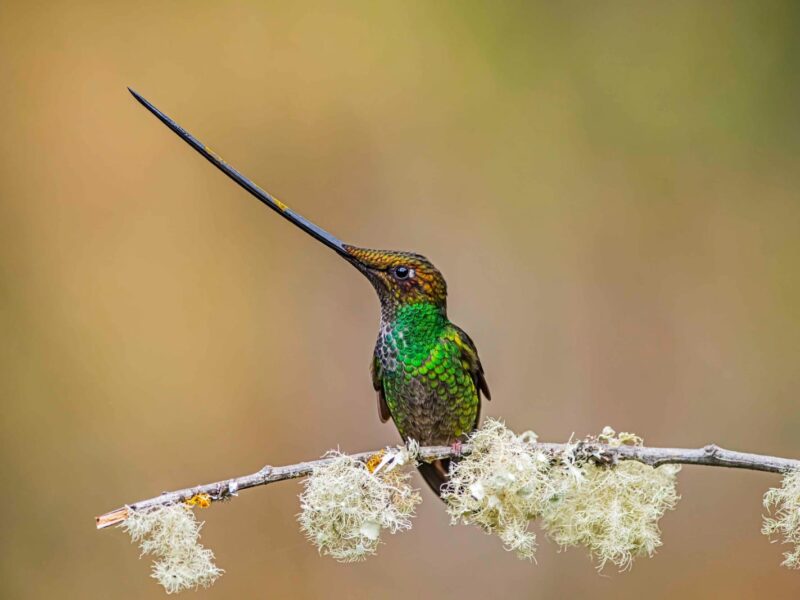
- Bearded Mountaineer
- Streaked-fronted Thornbird
- Cinnamon Teal
- Giant Hummingbird
After a relaxed morning exploring the lake and its surrounding marshes, continue through the Sacred Valley. Along the route, enjoy additional birdwatching stops before reaching the charming Inca town of Ollantaytambo, where you’ll spend the night.
Day 2: Ollantaytambo –Birding Road Abra Malaga – Cloud Forest .
Depart early toward Abra Málaga, one of Peru’s premier birding destinations, famous for its high levels of endemism. The dramatic shift from high Andean landscapes to cloud forest provides outstanding opportunities to spot species such as:
- Inca Wren
- Marcapata Spinetail
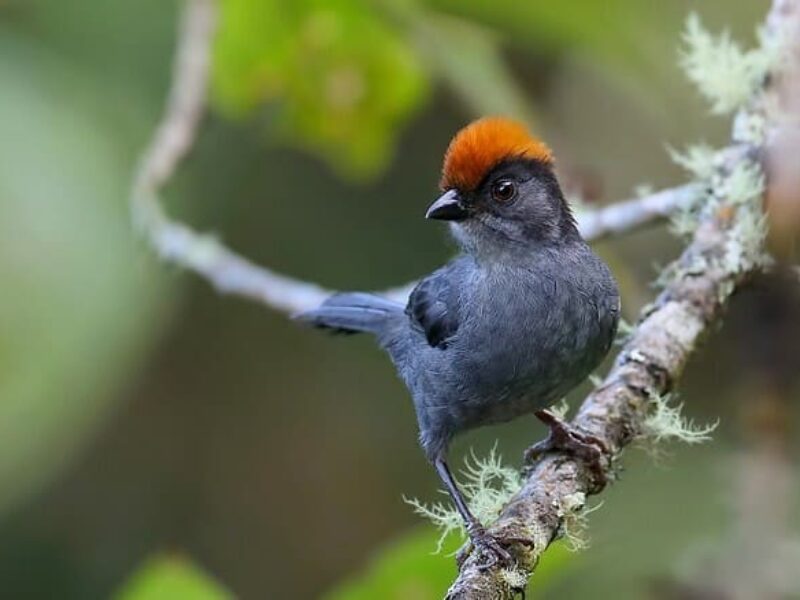
- Cusco Brushfinch
- Parodi’s Hemispingus
Spend the day exploring humid forest trails, listening to birdsong echo through moss-draped trees, and taking in stunning views of the eastern Andes. In the late afternoon, return to Ollantaytambo for another peaceful overnight stay.
Day 3: Ollantaytambo – Abra Málaga (Polylepis Forest) – Aguas Calientes .
Rise before sunrise to revisit Abra Málaga—this time exploring the unique Polylepis forest at 4,316 m (14,160 ft). These hardy, high-altitude woodlands host some of the Andes’ most specialized and threatened birds, including:
- White-browed Tit-Spinetail
- Royal Cinclodes
- Giant Conebill
After a rewarding morning in this rare habitat, return to Ollantaytambo, enjoy lunch, and board the scenic train to Aguas Calientes, the gateway town to Machu Picchu.
Day 4: Aguas Calientes – Machu Picchu Birding .
Today is dedicated to birdwatching around Machu Picchu’s lush subtropical forest. With its mix of bamboo thickets, riverine vegetation, and dense montane forest, this area offers prime opportunities to see:
- Masked Fruiteater
- Ocellated Piculet
- Slaty Tanager
- Andean Cock-of-the-Rock
Spend the day exploring forest trails near the site, listening for rustling leaves and calls echoing through the valley. Overnight in Aguas Calientes.
Day 5: Machu Picchu Tour – Return to Cusco
After breakfast, step into history with a guided tour of Machu Picchu, one of the New Seven Wonders of the World. Learn about Inca engineering, architecture, and spirituality as you explore terraces, temples, and panoramic viewpoints.
For those seeking extra adventure, an optional hike to Huayna Picchu provides breathtaking views over the citadel and surrounding mountains.
In the afternoon, board the train back through the Sacred Valley and continue by bus to Cusco—bringing your unforgettable birding and cultural journey to a close.
Why Choose the Back Route .Birding Road Abra Malaga
Cost-Effective Travel: Avoid the expensive direct trains from Cusco or Ollantaytambo by taking this budget-friendly route.
Stunning Scenery: Experience the diverse landscapes of the Andes, cloud forests, and jungle valleys.
- Adventure-Friendly: Ideal for backpackers and independent travelers seeking an off-the-beaten-path experience.
- Explore Santa Teresa: A Hidden Gem
Santa Teresa offers more than just a stopping point. The town features affordable, cozy hotels and is famous for its Cocalmayo Hot Springs, where you can unwind in natural thermal waters surrounded by verdant hills.
- Discover Mandor: A Birder’s Paradise
Just below Aguas Calientes and along the railway track to Machu Picchu lies Mandor, an ecological haven renowned among birdwatchers. It is home to the spectacular Andean Cock-of-the-Rock lek – a must-see for wildlife enthusiasts. Nestled within this serene area is a charming guesthouse, offering a peaceful retreat in the heart of nature. Amazon Birding Manu
How to Plan Your Back Route Adventure
- Start in Cusco: Arrange transportation to Santa Teresa via the scenic Abra Malaga Pass.
- Stay in Santa Teresa: Enjoy the local hospitality and relax in the hot springs.
- Travel to Hidroelectrica: Cross the bridge and follow the track to the hydroelectric plant.
- Reach Aguas Calientes: Choose between a short train ride or a picturesque walk.
- Explore Machu Picchu: Rise early to visit the awe-inspiring ancient city.
This back route to Machu Picchu blends adventure, affordability, and stunning natural beauty. Perfect for those craving a unique travel experience, it promises unforgettable memories along the road less traveled.
Birding Road Abra Malaga 5 days
hardly needs any introduction and, for birders, the Polylepis Forest at the Abra Malaga pass with many endemic species is almost as famous. There are four types of programs available and the number of days can be varied:
Birding Road Abra Malaga 5 days
- Day 1: Cusco – Huacarpay Lake – Ollantaytambo .
- Day 2: Ollantaytambo – Abra Málaga – Cloud Forest .
- Day 3: Ollantaytambo – Abra Málaga (Polylepis Forest) – Aguas Calientes .
- Day 4: Aguas Calientes – Machu Picchu Birding .
- Day 5: Machu Picchu Tour – Return to Cusco .
- Departure & Return Location Cusco city
- Departure Time
Price Includes
- Bird specialist guide
- 4 Nights Hotel Accomodation
- Cultural Tour Guide
- Entrance Fees
- 3 Meals per day, mineral water, snacks & hot drinks
- All transportation in destination location
1. What is the Machu Picchu Birds Peru Abra Malaga tour?
This tour combines birdwatching with visits to both Machu Picchu and Abra Malaga, focusing on endemic and near-endemic species in the region’s temperate cloud forests.
2. What types of programs are available for this tour?
There are four programs:
A Program: Arrival from Manu road on Day 1.
B Program: Starts from Cusco on Day 1.
C Program: Combines birding with cultural and archaeological experiences.
D Program: A super short 2-day program focusing on Abra Malaga and Machu Picchu.
3. How long does the tour last?
The full tour is 5 days, but shorter options (like Program D) are also available.
4. When is the best time to take the tour?
The tour can be run any time of the year, but it’s recommended to plan for two nights at Machu Picchu and two full days at Abra Malaga for a less hectic experience.
5. What is the difficulty level of the tour?
The tour is moderately difficult due to the walking at high altitudes in Abra Malaga and the many stairs at Machu Picchu. However, birdwatching is relatively easy.
6. What type of birds can we expect to see?
You’ll encounter species like the Inca Wren, Royal Cinclodes, Masked Fruiteater, and White-browed Tit Spinetail, along with many other endemic birds.
7. Is the tour suitable for beginners in birdwatching?
Yes, the birding is relatively easy, and an experienced guide will help you spot and identify species.
8. What should I bring for the tour?
We recommend bringing sturdy walking shoes, light clothing for daytime, warmer clothes for higher altitudes, binoculars, and a camera. Don’t forget sunscreen and a hat for sun protection.
9. How strenuous is the walking during the tour?
The walking is manageable for most people but can be strenuous at times, especially at Abra Malaga and Machu Picchu due to the altitude and stairs.
10. Can I visit Machu Picchu during the tour?
Yes, visiting Machu Picchu is part of the tour on Day 5, with a guided tour of the ruins and free time afterward.
11. Is there any cultural or archaeological content included?
The C Program combines birdwatching with a deeper focus on the cultural and archaeological significance of the area.
12. How long do we spend at Abra Malaga?
For the recommended programs (A, B, and C), you’ll spend two full days at Abra Malaga, which allows for a thorough exploration of the birding areas.
13. Is this tour family-friendly?
Yes, the tour is suitable for families, though children should be able to handle moderate walks at high altitudes. The birdwatching aspect is ideal for young nature enthusiasts.
14. What happens if I can’t handle the altitude?
If you’re concerned about the altitude, it’s advisable to acclimate in Cusco before starting the tour. Your guide can also provide tips for handling the effects of high altitude.
15. How do I get to the tour starting point?
For Program B, you’ll be picked up from the Cusco airport. For other programs, you’ll join the group in Cusco or other nearby locations.