Birdwatching and Manu Bird List
Birdwatching and Manu Bird List

Birdwatching and Manu Bird List: A Birder’s Paradise in the Heart of Peru

Manu National Park, located in the Peruvian Amazon, is considered one of the most biodiverse regions on the planet.

Stretching from the high Andes down into lowland rainforest, this UNESCO World Heritage Site is home to an

astonishing 1,000+ bird species—representing nearly 10% of all bird species globally. Mnu Birding Tours 

For birdwatchers, nature photographers, ecotourists, and scientists alike, a comprehensive Manu bird list offers more than just names—it’s a gateway into the evolutionary wonders of South America.

Whether you’re planning a birding tour or looking to expand your life list, Manu is nothing short of a bucket-list

destination. Birdwatching Tambopata

Why is Manu National Park So Special for Birds?

Thanks to its incredible altitudinal gradient, from highland cloud forests to lowland Amazonian jungle, Manu

supports a mosaic of habitats. This variety allows for extreme avian diversity across ecosystems—including species

that are rarely seen elsewhere.

Birdwatching and Manu Bird List

Tinamous: Tinamidae

Hooded Tinamou Nothocercus nigrocapillus
Black Tinamou Tinamus osgoodi
Little Tinamou Crypturellus soui
Brown Tinamou Crypturellus obsoletus
Undulated Tinamou Crypturellus undulatus
Black-capped Tinamou Crypturellus atrocapillus
Bartlett’s Tinamou Crypturellus bartletti
Andean Tinamou Nothoprocta pentlandii

Darwin’s Nothura Nothura darwinii  –  manu peru birding 

  Birdwatching and Manu Bird List- Ducks: Anatidae

Black-bellied Whistling-Duck Dendrocygna autumnalis
Andean Goose Oressochen melanoptera
Crested Duck Lophonetta specularioides
Torrent Duck Merganetta armata
Puna Teal Spatula puna
Blue-winged Teal Spatula discors
Cinnamon Teal Spatula cyanoptera
Red Shoveler Spatula platalea
Yellow-billed Pintail Anas georgica
Yellow-billed Teal Anas flavirostris
Southern Pochard Netta erythrophthalma
Andean Duck Oxyura ferruginea

Birdwatching and Manu Bird List :  Guans, Chachalacas, and Curassows: Cracidae

Speckled Chachalaca Ortalis guttata
Andean Guan Penelope montagnii
Wattled Guan Aburria aburri
Sickle-winged Guan Chamaepetes goudotii

  Birdwatching and Manu Bird List: New World Quail: Odontophoridae

Marbled Wood-Quail Odontophorus gujanensis
Rufous-breasted Wood-Quail Odontophorus speciosus
Stripe-faced Wood-Quail Odontophorus balliviani

  Birdwatching and Manu Bird List : Pigeons and Doves: Columbidae

Rock Pigeon Columba livia
Pale-vented Pigeon Patagioenas cayennensis
Spot-winged Pigeon Patagioenas maculosa
Band-tailed Pigeon Patagioenas fasciata
Plumbeous Pigeon Patagioenas plumbea
Ruddy Pigeon Patagioenas subvinacea
Ruddy Ground Dove Columbina talpacoti
Blue Ground Dove Claravis pretiosa
Maroon-chested Ground Dove Paraclaravis mondetoura
Bare-faced Ground Dove Metriopelia ceciliae
Black-winged Ground Dove Metriopelia melanoptera
Ruddy Quail-Dove Geotrygon montana
White-tipped Dove Leptotila verreauxi
White-throated Quail-Dove Zentrygon frenata
Eared Dove Zenaida auriculata

 Cuckoos: Cuculidae

Smooth-billed Ani Crotophaga ani
Little Cuckoo Coccycua minuta
Squirrel Cuckoo Piaya cayana

Nightjars and Allies: Caprimulgidae

Rufous-bellied Nighthawk Lurocalis rufiventris
Common Pauraque Nyctidromus albicollis
Swallow-tailed Nightjar Uropsalis segmentata
Lyre-tailed Nightjar Uropsalis lyra
Band-winged Nightjar Systellura longirostris

Potoos: Nyctibiidae

Great Potoo Nyctibius grandis
Andean Potoo Nyctibius maculosus

Swifts: Apodidae

Chestnut-collared Swift Streptoprocne rutila
White-collared Swift Streptoprocne zonaris
Chimney Swift Chaetura pelagica
Chapman’s Swift Chaetura chapmani
Short-tailed Swift Chaetura brachyura
Andean Swift Aeronautes andecolus
Fork-tailed Palm-Swift Tachornis squamata

  Birdwatching and Manu Bird List :  Hummingbirds: Trochilidae

White-bearded Hermit Phaethornis hispidus
Green Hermit Phaethornis guy
Koepcke’s Hermit Phaethornis koepckeae
Reddish Hermit Phaethornis ruber
White-browed Hermit Phaethornis stuarti
Green-fronted Lancebill Doryfera ludovicae
Geoffroy’s Daggerbill Schistes geoffroyi
Brown Violetear Colibri delphinae
Lesser Violetear Colibri cyanotus
Sparkling Violetear Colibri coruscans
Black-eared Fairy Heliothryx auritus
Amethyst-throated Sunangel Heliangelus amethysticollis
Wire-crested Thorntail Discosura popelairii
Peruvian Piedtail Phlogophilus harterti
Speckled Hummingbird Adelomyia melanogenys
Long-tailed Sylph Aglaiocercus kingii
Andean Hillstar Oreotrochilus estella
Black-tailed Trainbearer Lesbia victoriae
Green-tailed Trainbearer Lesbia nuna
Purple-backed Thornbill Ramphomicron microrhynchum
Rufous-capped Thornbill Chalcostigma ruficeps
Bearded Mountaineer Oreonympha nobilis
Tyrian Metaltail Metallura tyrianthina
Scaled Metaltail Metallura aeneocauda
Buff-thighed Puffleg Haplophaedia assimilis
Coppery-naped Puffleg Eriocnemis sapphirophygia
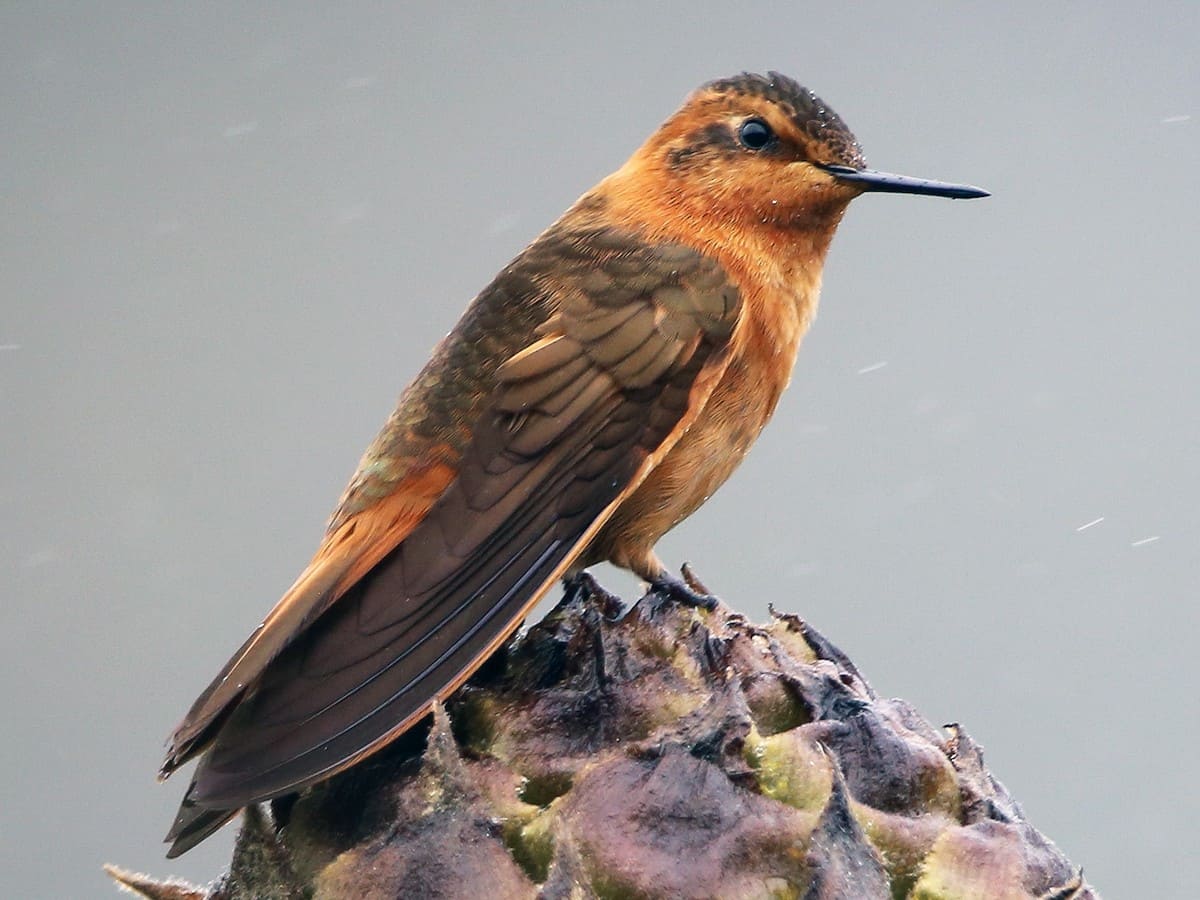
Shining Sunbeam Aglaeactis cupripennis
Bronzy Inca Coeligena coeligena
Gould’s Inca Coeligena inca
Violet-throated Starfrontlet Coeligena violifer
Sword-billed Hummingbird Ensifera ensifera

Great Sapphirewing Pterophanes cyanopterus

Chestnut-breasted Coronet Boissonneaua matthewsii
Rufous-booted Racket-tail Ocreatus addae
Rufous-webbed Brilliant Heliodoxa branickii
Gould’s Jewelfront Heliodoxa aurescens
Fawn-breasted Brilliant Heliodoxa rubinoides
Violet-fronted Brilliant Heliodoxa leadbeateri
Giant Hummingbird Patagona gigas
Long-billed Starthroat Heliomaster longirostris
White-bellied Woodstar Chaetocercus mulsant
Blue-tailed Emerald Chlorostilbon mellisugus
Fork-tailed Woodnymph Thalurania furcata
Many-spotted Hummingbird Taphrospilus hypostictus
Golden-tailed Sapphire Chrysuronia oenone
White-bellied Hummingbird Elliotomyia chionogaster

Birdwatching and Manu Bird List : Rails, Gallinules, and Coots: Rallidae

Paint-billed Crake Mustelirallus erythrops
Plumbeous Rail Pardirallus sanguinolentus
Gray-cowled Wood-Rail Aramides cajaneus
Common Gallinule Gallinula galeata
Slate-colored Coot Fulica ardesiaca
Purple Gallinule Porphyrio martinica

Stilts and Avocets: Recurvirostridae

Black-necked Stilt Himantopus mexicanus
Andean Avocet Recurvirostra andina

Plovers and Lapwings: Charadriidae

Andean Lapwing Vanellus resplendens

Birdwatching and Manu Bird List : Sandpipers and Allies: Scolopacidae

Upland Sandpiper Bartramia longicauda

Hudsonian Godwit Limosa haemastica

Puna Snipe Gallinago andina

Wilson’s Phalarope Phalaropus tricolor

Spotted Sandpiper Actitis macularius

Solitary Sandpiper Tringa solitaria

Lesser Yellowlegs Tringa flavipes

Greater Yellowlegs Tringa melanoleuca

Sanderling Calidris alba

Baird’s Sandpiper Calidris bairdii

Pectoral Sandpiper Calidris melanotos

Birdwatching and Manu Bird List :   Gulls, Terns, and Skimmers: Laridae

Andean Gull Chroicocephalus serranus
Large-billed Tern Phaetusa simplex

Grebes: Podicipedidae

White-tufted Grebe Rollandia rolland
Silvery Grebe Podiceps occipitalis

Sunbittern: Eurypygidae

Sunbittern Eurypyga helias

Storks: Ciconiidae

Jabiru Jabiru mycteria

Birdwatching and Manu Bird List :   Cormorants and Shags: Phalacrocoracidae

Neotropic Cormorant Nannopterum brasilianus

Ibises and Spoonbills: Threskiornithidae

Puna Ibis Plegadis ridgwayi
Andean Ibis Theristicus branickii

Birdwatching and Manu Bird List :   Herons, Egrets, and Bitterns: Ardeidae

Fasciated Tiger-Heron Tigrisoma fasciatum
Black-crowned Night Heron Nycticorax nycticorax
Capped Heron Pilherodius pileatus
Little Blue Heron Egretta caerulea
Snowy Egret Egretta thula
Striated Heron Butorides striata
Western Cattle Egret Bubulcus ibis
Great Egret Ardea alba
Cocoi Heron Ardea cocoi

New World Vultures: Cathartidae

King Vulture Sarcoramphus papa
Andean Condor Vultur gryphus
Black Vulture Coragyps atratus
Turkey Vulture Cathartes aura
Greater Yellow-headed Vulture Cathartes melambrotus

  Birdwatching and Manu Bird List :  Hawks, Eagles, and Kites: Accipitridae

Gray-headed Kite Leptodon cayanensis
Swallow-tailed Kite Elanoides forficatus
Black Hawk-Eagle Spizaetus tyrannus
Black-and-chestnut Eagle Spizaetus isidori
Crested Eagle Morphnus guianensis
Plain-breasted Hawk Accipiter ventralis
Cinereous Harrier Circus cinereus
Tiny Hawk Microspizias superciliosus
Double-toothed Kite Harpagus bidentatus
Plumbeous Kite Ictinia plumbea
Solitary Eagle Buteogallus solitarius
Roadside Hawk Rupornis magnirostris
White-rumped Hawk Parabuteo leucorrhous
Variable Hawk Geranoaetus polyosoma
Black-chested Buzzard-Eagle Geranoaetus melanoleucus
White Hawk Pseudastur albicollis
Gray-lined Hawk Buteo nitidus
Broad-winged Hawk Buteo platypterus
Short-tailed Hawk Buteo brachyurus
White-throated Hawk Buteo albigula

Owls: Strigidae

White-throated Screech-Owl Megascops albogularis
Rufescent Screech-Owl Megascops ingens
Spectacled Owl Pulsatrix perspicillata
Yungas Pygmy-Owl Glaucidium bolivianum
Burrowing Owl Athene cunicularia
Rufous-banded Owl Strix albitarsis

Birdwatching and Manu Bird List  :  Trogons: Trogonidae

Golden-headed Quetzal Pharomachrus auriceps
Crested Quetzal Pharomachrus antisianus
Masked Trogon Trogon personatus

Motmots: Momotidae

Andean Motmot Momotus aequatorialis
Rufous Motmot Baryphthengus martii

Puffbirds: Bucconidae

Chestnut-capped Puffbird Bucco macrodactylus
Black-streaked Puffbird Malacoptila fulvogularis
Lanceolated Monklet Micromonacha lanceolata

Jacamars: Galbulidae

Bluish-fronted Jacamar Galbula cyanescens

New World Barbets: Capitonidae

Blue-chinned Barbet Eubucco glaucogularis

Toucans: Ramphastidae

Southern Emerald-Toucanet Aulacorhynchus albivitta
Chestnut-tipped Toucanet Aulacorhynchus derbianus
Blue-banded Toucanet Aulacorhynchus coeruleicinctis
Gray-breasted Mountain-Toucan Andigena hypoglauca
Chestnut-eared Aracari Pteroglossus castanotis
White-throated Toucan Ramphastos tucanus

  Birdwatching and Manu Bird List : Woodpeckers: Picidae

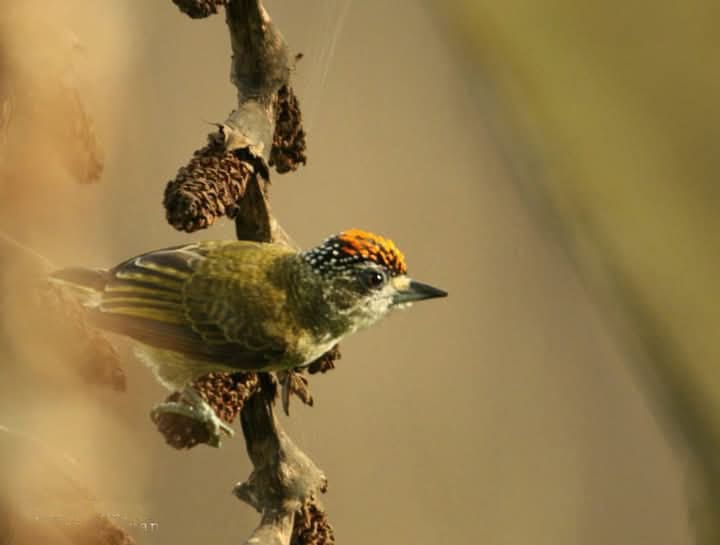
Rufous-breasted Piculet Picumnus rufiventris
Fine-barred Piculet Picumnus subtilis
Yellow-tufted Woodpecker Melanerpes cruentatus
Little Woodpecker Dryobates passerinus
Bar-bellied Woodpecker Dryobates nigriceps
Crimson-bellied Woodpecker Campephilus haematogaster
Crimson-crested Woodpecker Campephilus melanoleucos
Lineated Woodpecker Dryocopus lineatus
Golden-olive Woodpecker Colaptes rubiginosus
Crimson-mantled Woodpecker Colaptes rivolii
Andean Flicker Colaptes rupicola

Falcons and Caracaras: Falconidae

Barred Forest-Falcon Micrastur ruficollis
Red-throated Caracara Ibycter americanus
Black Caracara Daptrius ater
Mountain Caracara Daptrius megalopterus
American Kestrel Falco sparverius
Aplomado Falcon Falco femoralis
Bat Falcon Falco rufigularis
Peregrine Falcon Falco peregrinus

Birdwatching and Manu Bird List :   Parrots: Psittacidae

Andean Parakeet Bolborhynchus orbygnesius
Cobalt-winged Parakeet Brotogeris cyanoptera
Speckle-faced Parrot Pionus tumultuosus
Blue-headed Parrot Pionus menstruus
Mealy Amazon Amazona farinosa
Scaly-naped Amazon Amazona mercenarius
Dusky-headed Parakeet Aratinga weddellii
Red-bellied Macaw Orthopsittaca manilatus
Blue-headed Macaw Primolius couloni
Military Macaw Ara militaris
Scarlet Macaw Ara macao
Red-and-green Macaw Ara chloropterus
Chestnut-fronted Macaw Ara severus
Golden-plumed Parakeet Leptosittaca branickii
Mitred Parakeet Psittacara mitratus
White-eyed Parakeet Psittacara leucophthalmus

Birdwatching and Manu Bird List :  Typical Antbirds: Thamnophilidae

Yellow-rumped Antwren Euchrepomis sharpei
Bamboo Antshrike Cymbilaimus sanctaemariae
Great Antshrike Taraba major
Barred Antshrike Thamnophilus doliatus
Chestnut-backed Antshrike Thamnophilus palliatus
Plain-winged Antshrike Thamnophilus schistaceus
Mouse-colored Antshrike Thamnophilus murinus
Variable Antshrike Thamnophilus caerulescens
Uniform Antshrike Thamnophilus unicolor
Bluish-slate Antshrike Thamnomanes schistogynus
Foothill Stipplethroat Epinecrophylla spodionota
Ornate Stipplethroat Epinecrophylla ornata
Stripe-chested Antwren Myrmotherula longicauda
Slaty Antwren Myrmotherula schisticolor
Yellow-breasted Antwren Herpsilochmus axillaris
Dot-winged Antwren Microrhopias quixensis
Yellow-breasted Warbling-Antbird Hypocnemis subflava
Black Antbird Cercomacroides serva
Blackish Antbird Cercomacroides nigrescens
Manu Antbird Cercomacra manu
Western Fire-eye Pyriglena maura
White-browed Antbird Myrmoborus leucophrys
White-lined Antbird Myrmoborus lophotes
Spot-winged Antbird Myrmelastes leucostigma
Brownish-headed Antbird Myrmelastes brunneiceps
Chestnut-tailed Antbird Sciaphylax hemimelaena
Black-throated Antbird Myrmophylax atrothorax

Birdwatching and Manu Bird List  Gnateaters: Conopophagidae

Slaty Gnateater Conopophaga ardesiaca

Antpittas: Grallariidae

Undulated Antpitta Grallaria squamigera
Scaled Antpitta Grallaria guatimalensis
Stripe-headed Antpitta Grallaria andicolus
White-throated Antpitta Grallaria albigula
Red-and-white Antpitta Grallaria erythroleuca
Urubamba Antpitta Grallaria occabambae
Thrush-like Antpitta Myrmothera campanisona
Ochre-breasted Antpitta Grallaricula flavirostris
Leymebamba Antpitta Grallaricula leymebambae

Tapaculos: Rhinocryptidae

Puna Tapaculo Scytalopus simonsi
Diademed Tapaculo Scytalopus schulenbergi
Trilling Tapaculo Scytalopus parvirostris
White-crowned Tapaculo Scytalopus atratus

Antthrushes: Formicariidae

Black-faced Antthrush Formicarius analis
Rufous-breasted Antthrush Formicarius rufipectus
Short-tailed Antthrush Chamaeza campanisona
Barred Antthrush Chamaeza mollissima

Ovenbirds and Woodcreepers: Furnariidae

Slender-billed Miner Geositta tenuirostris
Mournful Woodcreeper Deconychura pallida
Strong-billed Woodcreeper Xiphocolaptes promeropirhynchus
Buff-throated Woodcreeper Xiphorhynchus guttatus
Olive-backed Woodcreeper Xiphorhynchus triangularis
Red-billed Scythebill Campylorhamphus trochilirostris
Greater Scythebill Drymotoxeres pucheranii
Montane Woodcreeper Lepidocolaptes lacrymiger
Streaked Xenops Xenops rutilans
Streaked Tuftedcheek Pseudocolaptes boissonneautii
Pale-legged Hornero Furnarius leucopus
Wren-like Rushbird Phleocryptes melanops
Cream-winged Cinclodes Cinclodes albiventris
White-winged Cinclodes Cinclodes atacamensis
Dusky-cheeked Foliage-gleaner Anabazenops dorsalis
Montane Foliage-gleaner Anabacerthia striaticollis
Peruvian Recurvebill Syndactyla ucayalae
Buff-fronted Foliage-gleaner Dendroma rufum
Rufous-backed Treehunter Thripadectes scrutator

Birdwatching and Manu Bird List :Striped Treehunter Thripadectes holostictus

Black-billed Treehunter Thripadectes melanorhynchus
Chestnut-crowned Foliage-gleaner Automolus rufipileatus
Ochre-throated Foliage-gleaner Automolus ochrolaemus
Spotted Barbtail Premnoplex brunnescens
Pearled Treerunner Margarornis squamiger
Streak-fronted Thornbird Phacellodomus striaticeps
Line-fronted Canastero Asthenes urubambensis
Junin Canastero Asthenes virgata
Scribble-tailed Canastero Asthenes maculicauda
Puna Thistletail Asthenes helleri
Rusty-fronted Canastero Asthenes ottonis
Orange-fronted Plushcrown Metopothrix aurantiaca
Speckled Spinetail Thripophaga gutturata
Marcapata Spinetail Cranioleuca marcapatae
Creamy-crested Spinetail Cranioleuca albicapilla
Ash-browed Spinetail Cranioleuca curtata
Azara’s Spinetail Synallaxis azarae
Cabanis’s Spinetail Synallaxis cabanisi
Plain-crowned Spinetail Synallaxis gujanensis

Birdwatching and Manu Bird List :Manakins: Pipridae

Yungas Manakin Chiroxiphia boliviana
Green Manakin Cryptopipo holochlora
Cerulean-capped Manakin Lepidothrix coeruleocapilla
White-bearded Manakin Manacus manacus
Fiery-capped Manakin Machaeropterus pyrocephalus
Round-tailed Manakin Ceratopipra chloromeros.

Birdwatching and Manu Bird List : Cotingas: Cotingidae

Band-tailed Fruiteater Pipreola intermedia
Barred Fruiteater Pipreola arcuata
Masked Fruiteater Pipreola pulchra
Red-crested Cotinga Ampelion rubrocristatus
Chestnut-crested Cotinga Ampelion rufaxilla
Andean Cock-of-the-rock Rupicola peruvianus
Amazonian Umbrellabird Cephalopterus ornatus
Plum-throated Cotinga Cotinga maynana

Tityras and Allies: Tityridae

Masked Tityra Tityra semifasciata
Barred Becard Pachyramphus versicolor
White-winged Becard Pachyramphus polychopterus
Crested Becard Pachyramphus validus

Royal Flycatchers and Allies: Onychorhynchus

Tawny-breasted Flycatcher Myiobius villosus

Birdwatching and Manu Bird List :Tyrant Flycatchers: Tyrannidae

Many-colored Rush Tyrant Tachuris rubrigastra
Streak-necked Flycatcher Mionectes striaticollis
Olive-striped Flycatcher Mionectes galbinus
Ochre-bellied Flycatcher Mionectes oleagineus
McConnell’s Flycatcher Mionectes macconnelli
Sepia-capped Flycatcher Leptopogon amaurocephalus
Slaty-capped Flycatcher Leptopogon superciliaris
Inca Flycatcher Leptopogon taczanowskii
Mottle-cheeked Tyrannulet Phylloscartes ventralis
Cinnamon-faced Tyrannulet Phylloscartes parkeri
Marble-faced Bristle-Tyrant Pogonotriccus ophthalmicus
Variegated Bristle-Tyrant Pogonotriccus poecilotis
Hazel-fronted Pygmy-Tyrant Pseudotriccus simplex
Scale-crested Pygmy-Tyrant Lophotriccus pileatus

Birdwatching and Manu Bird List :Johannes’s Tody-Tyrant Hemitriccus iohannis

Black-throated Tody-Tyrant Hemitriccus granadensis
Buff-throated Tody-Tyrant Hemitriccus rufigularis
Ochre-faced Tody-Flycatcher Poecilotriccus plumbeiceps
Rusty-fronted Tody-Flycatcher Poecilotriccus latirostris
Black-backed Tody-Flycatcher Poecilotriccus pulchellus
Western Olivaceous Flatbill Rhynchocyclus aequinoctialis
Fulvous-breasted Flatbill Rhynchocyclus fulvipectus
Yellow-margined Flatbill Tolmomyias assimilis
Olive-faced Flatbill Tolmomyias viridiceps
Cinnamon Flycatcher Pyrrhomyias cinnamomeus
Cliff Flycatcher Hirundinea ferruginea
Handsome Flycatcher Nephelomyias pulcher
Ochraceous-breasted Flycatcher Nephelomyias ochraceiventris
White-lored Tyrannulet Ornithion inerme
White-tailed Tyrannulet Mecocerculus poecilocercus
White-banded Tyrannulet Mecocerculus stictopterus
White-throated Tyrannulet Mecocerculus leucophrys
Yellow-billed Tit-Tyrant Anairetes flavirostris
Tufted Tit-Tyrant Anairetes parulus

Yellow Tyrannulet Capsiempis flaveola

Yellow-crowned Tyrannulet Tyrannulus elatus
Yellow-bellied Elaenia Elaenia flavogaster
White-crested Elaenia Elaenia albiceps
Small-billed Elaenia Elaenia parvirostris
Slaty Elaenia Elaenia strepera
Mottle-backed Elaenia Elaenia gigas
Highland Elaenia Elaenia obscura
Sierran Elaenia Elaenia pallatangae
Torrent Tyrannulet Serpophaga cinerea
Sclater’s Tyrannulet Phyllomyias sclateri
Plumbeous-crowned Tyrannulet Phyllomyias plumbeiceps
Ashy-headed Tyrannulet Tyranniscus cinereiceps
Tawny-rumped Tyrannulet Tyranniscus uropygialis
Red-billed Tyrannulet Zimmerius cinereicapilla
Peruvian Tyrannulet Zimmerius viridiflavus
Bolivian Tyrannulet Zimmerius bolivianus
Slender-footed Tyrannulet Zimmerius gracilipes
Unadorned Flycatcher Myiophobus inornatus

Bran-colored Flycatcher Myiophobus fasciatus

Olive Flycatcher Mitrephanes olivaceus
Olive-sided Flycatcher Contopus cooperi
Smoke-colored Pewee Contopus fumigatus
Western Wood-Pewee Contopus sordidulus
Black Phoebe Sayornis nigricans
Vermilion Flycatcher Pyrocephalus rubinus
Andean Negrito Lessonia oreas
Jelski’s Black-Tyrant Knipolegus signatus
White-winged Black-Tyrant Knipolegus aterrimus
Spot-billed Ground-Tyrant Muscisaxicola maculirostris
Taczanowski’s Ground-Tyrant Muscisaxicola griseus
Cinereous Ground-Tyrant Muscisaxicola cinereus
Rufous-naped Ground-Tyrant Muscisaxicola rufivertex
White-browed Ground-Tyrant Muscisaxicola albilora
Rufous-webbed Bush-Tyrant Cnemarchus rufipennis
Black-billed Shrike-Tyrant Agriornis montanus
Streak-throated Bush-Tyrant Myiotheretes striaticollis
Rufous-bellied Bush-Tyrant Myiotheretes fuscorufus

Birdwatching and Manu Bird List :Peruvian Chat-Tyrant Silvicultrix spodionota

Maroon-belted Chat-Tyrant Ochthoeca thoracica
Rufous-breasted Chat-Tyrant Ochthoeca rufipectoralis
Brown-backed Chat-Tyrant Ochthoeca fumicolor
d’Orbigny’s Chat-Tyrant Ochthoeca oenanthoides
White-browed Chat-Tyrant Ochthoeca leucophrys
Long-tailed Tyrant Colonia colonus
Rufous-tailed Flatbill Ramphotrigon ruficauda
Dusky-capped Flycatcher Myiarchus tuberculifer
Short-crested Flycatcher Myiarchus ferox
Boat-billed Flycatcher Megarynchus pitangua
Social Flycatcher Myiozetetes similis
Gray-capped Flycatcher Myiozetetes granadensis
Lemon-browed Flycatcher Conopias cinchoneti
Golden-bellied Flycatcher Myiodynastes hemichrysus
Streaked Flycatcher Myiodynastes maculatus
Tropical Kingbird Tyrannus melancholicus

Vireos, Shrike-Babblers, and Erpornis: Vireonidae

Rufous-browed Peppershrike Cyclarhis gujanensis
Dusky-capped Greenlet Pachysilvia hypoxantha
Brown-capped Vireo Vireo leucophrys
Chivi Vireo Vireo chiri

Birdwatching and Manu Bird List :Crows, Jays, and Magpies: Corvidae

White-collared Jay Cyanolyca viridicyanus
Violaceous Jay Cyanocorax violaceus
Purplish Jay Cyanocorax cyanomelas
Inca Jay Cyanocorax yncas

Birdwatching and Manu Bird List :Swallows: Hirundinidae

Gray-breasted Martin Progne chalybea
Brown-chested Martin Progne tapera
Southern Rough-winged Swallow Stelgidopteryx ruficollis
Blue-and-white Swallow Pygochelidon cyanoleuca
Pale-footed Swallow Orochelidon flavipes
Brown-bellied Swallow Orochelidon murina
Andean Swallow Orochelidon andecola
Barn Swallow Hirundo rustica

Birdwatching and Manu Bird List :Wrens: Troglodytidae

Scaly-breasted Wren Microcerculus marginatus
Gray-mantled Wren Odontorchilus branickii
Southern House Wren Troglodytes musculus
Mountain Wren Troglodytes solstitialis
Grass Wren Cistothorus platensis
Moustached Wren Pheugopedius genibarbis
Sharpe’s Wren Cinnycerthia olivascens
Fulvous Wren Cinnycerthia fulva
Gray-breasted Wood-Wren Henicorhina leucophrys
Southern Chestnut-breasted Wren Cyphorhinus thoracicus

Dippers: Cinclidae

White-capped Dipper Cinclus leucocephalus

Birdwatching and Manu Bird List :Thrushes and Allies: Turdidae

Andean Solitaire Myadestes ralloides
White-eared Solitaire Entomodestes leucotis
White-necked Thrush Turdus albicollis
Andean Slaty-Thrush Turdus nigriceps
Great Thrush Turdus fuscater
Glossy-black Thrush Turdus serranus
Chiguanco Thrush Turdus chiguanco

Birdwatching and Manu Bird List: Finches, Euphonias, and Allies: Fringillidae

Blue-naped Chlorophonia Chlorophonia cyanea
Chestnut-breasted Chlorophonia Chlorophonia pyrrhophrys
Purple-throated Euphonia Euphonia chlorotica
Golden-bellied Euphonia Euphonia chrysopasta
White-vented Euphonia Euphonia minuta
Thick-billed Euphonia Euphonia laniirostris
Orange-bellied Euphonia Euphonia xanthogaster
Bronze-green Euphonia Euphonia mesochrysa
Thick-billed Siskin Spinus crassirostris
Hooded Siskin Spinus magellanicus
Olivaceous Siskin Spinus olivaceus

Birdwatching and Manu Bird List : New World Sparrows: Passerellidae

Yellow-throated Chlorospingus Chlorospingus flavigularis
Short-billed Chlorospingus Chlorospingus parvirostris
Ashy-throated Chlorospingus Chlorospingus canigularis
Common Chlorospingus Chlorospingus flavopectus
Grassland Sparrow Ammodramus humeralis
Yellow-browed Sparrow Ammodramus aurifrons
Gray-browed Brushfinch Arremon assimilis
Olive Finch Arremon castaneiceps
Rufous-collared Sparrow Zonotrichia capensis
Cuzco Brushfinch Atlapetes canigenis
Black-faced Brushfinch Atlapetes melanolaemus

Birdwatching and Manu Bird List :Troupials and Allies: Icteridae

White-browed Meadowlark Leistes superciliaris
Russet-backed Oropendola Psarocolius angustifrons
Dusky-green Oropendola Psarocolius atrovirens
Crested Oropendola Psarocolius decumanus
Selva Cacique Cacicus koepckeae
Yellow-rumped Cacique Cacicus cela
Southern Mountain Cacique Cacicus chrysonotus
Shiny Cowbird Molothrus bonariensis
Yellow-winged Blackbird Agelasticus thilius

Birdwatching and Manu Bird List : New World Warblers: Parulidae

Tropical Parula Setophaga pitiayumi
Blackburnian Warbler Setophaga fusca
Three-striped Warbler Basileuterus tristriatus
Citrine Warbler Myiothlypis luteoviridis
Pale-legged Warbler Myiothlypis signata
Buff-rumped Warbler Myiothlypis fulvicauda
Two-banded Warbler Myiothlypis bivittata
Cuzco Warbler Myiothlypis chrysogaster
Russet-crowned Warbler Myiothlypis coronata
Canada Warbler Cardellina canadensis
Slate-throated Redstart Myioborus miniatus
Spectacled Redstart Myioborus melanocephalus

Birdwatching and Manu Bird List : Cardinals and Allies: Cardinalidae

Hepatic Tanager Piranga flava

Summer Tanager Piranga rubra

White-winged Tanager Piranga leucoptera

Golden Grosbeak Pheucticus chrysogaster

Black-backed Grosbeak Pheucticus aureoventris

Birdwatching and Manu Bird List : Tanagers and Allies: Thraupidae

Black-faced Tanager Schistochlamys melanopis
Magpie Tanager Cissopis leverianus
Rufous-crested Tanager Creurgops verticalis
Slaty Tanager Creurgops dentatus
Black-capped Hemispingus Kleinothraupis atropileus
Parodi’s Hemispingus Kleinothraupis parodii
Oleaginous Hemispingus Sphenopsis frontalis
Black-eared Hemispingus Sphenopsis melanotis
Rust-and-yellow Tanager Thlypopsis ruficeps
Superciliaried Hemispingus Thlypopsis superciliaris
Rufous-chested Tanager Thlypopsis ornata
Black-goggled Tanager Trichothraupis melanops
Yellow-crested Tanager Loriotus rufiventer
White-shouldered Tanager Loriotus luctuosus
Inti Tanager Heliothraupis oneilli
Silver-beaked Tanager Ramphocelus carbo
Hooded Mountain Tanager Buthraupis montana
Blue-capped Tanager Sporathraupis cyanocephala
Grass-green Tanager Chlorornis riefferii
Lacrimose Mountain Tanager Anisognathus lacrymosus

Birdwatching and Manu Bird List :    Scarlet-bellied Mountain Tanager Anisognathus igniventris

Blue-winged Mountain Tanager Anisognathus somptuosus
Buff-breasted Mountain Tanager Dubusia taeniata
Chestnut-bellied Mountain Tanager Dubusia castaneoventris
Yellow-throated Tanager Iridosornis analis
Golden-collared Tanager Iridosornis jelskii
Fawn-breasted Tanager Pipraeidea melanonota
Blue-and-yellow Tanager Rauenia bonariensis
Orange-eared Tanager Chlorochrysa calliparaea
Blue-gray Tanager Thraupis episcopus
Palm Tanager Thraupis palmarum
Yellow-bellied Tanager Ixothraupis xanthogastra
Spotted Tanager Ixothraupis punctata
Golden-naped Tanager Chalcothraupis ruficervix
Silvery Tanager Stilpnia viridicollis
Green-throated Tanager Stilpnia argyrofenges
Masked Tanager Stilpnia nigrocincta
Blue-necked Tanager Stilpnia cyanicollis
Blue-and-black Tanager Tangara vassorii
Beryl-spangled Tanager Tangara nigroviridis
Turquoise Tanager Tangara mexicana

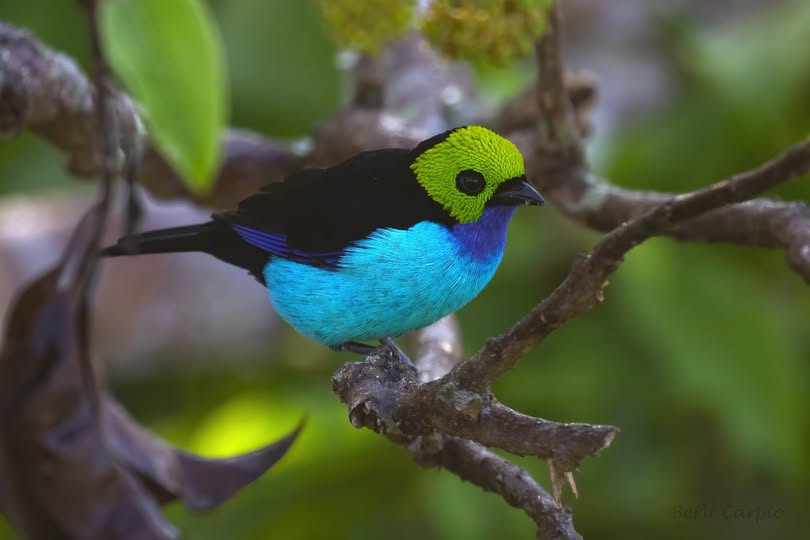
  Birdwatching and Manu Bird List : Paradise Tanager Tangara chilensis

Bay-headed Tanager Tangara gyrola
Golden-eared Tanager Tangara chrysotis
Saffron-crowned Tanager Tangara xanthocephala
Flame-faced Tanager Tangara parzudakii
Green-and-gold Tanager Tangara schrankii
Golden Tanager Tangara arthus
Swallow Tanager Tersina viridis
Black-faced Dacnis Dacnis lineata
Yellow-bellied Dacnis Dacnis flaviventer
Blue Dacnis Dacnis cayana
Purple Honeycreeper Cyanerpes caeruleus
Green Honeycreeper Chlorophanes spiza
Golden-collared Honeycreeper Iridophanes pulcherrimus
Yellow-backed Tanager Hemithraupis flavicollis
White-browed Conebill Conirostrum ferrugineiventre
Blue-backed Conebill Conirostrum sitticolor
Capped Conebill Conirostrum albifrons
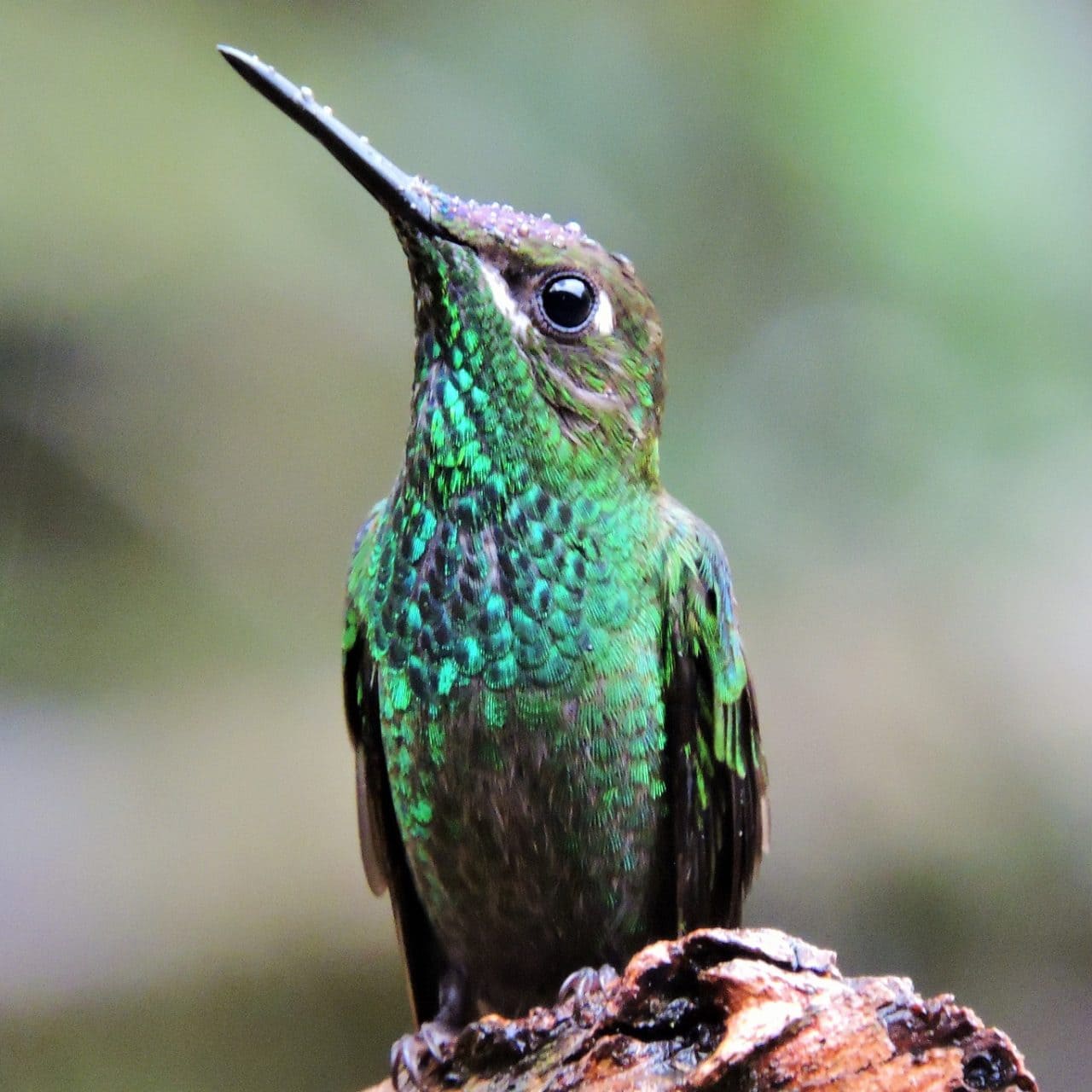
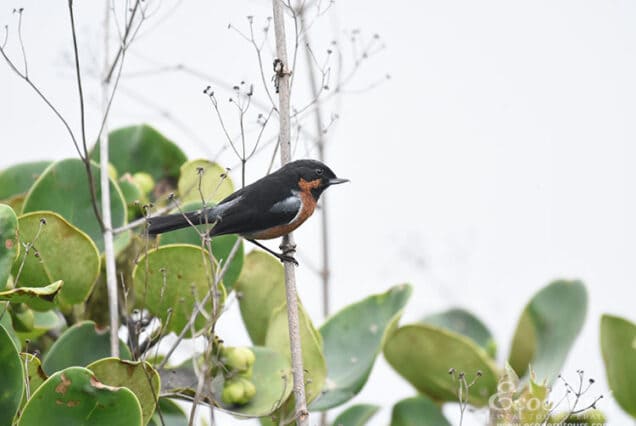
 

The Full Day Birding in Cusco

 Full-Day Birding Tour

The Full Day Birding in Cusco Huacarpay Lake • Sacred Garden • High Andean Lake

Embark on an unforgettable full-day birding journey through three of Cusco’s most diverse and scenic habitats. From wetlands teeming with waterbirds to endemic-rich gardens and high-elevation puna grasslands, this tour offers an immersive experience for serious birders and nature lovers alike. manu birding road

  The Full Day Birding in Cusco  Stop 1: Huacarpay Lake (Early Morning)

Located just 25 km (approx. 16 miles) south of Cusco at over 10,500 feet (3,200 meters), Huacarpay Lake is one of the region’s richest birding areas. These high Andean wetlands include a shallow crater lake and saltpan-like lagoons, both lined with nutrient-rich marsh vegetation and surrounded by dry ravines, shrubs, cacti, and tree tobacco.

This is one of the most accessible and rewarding birding spots near Cusco, offering excellent viewing conditions—especially in the morning light. sandoval lake bird watching

 Birding Highlights: The Full Day Birding in Cusco

Waterbirds & Waders: White-tufted Grebe, Puna Ibis, Puna Teal, Yellow-billed Pintail, Andean Duck, Plumbeous Rail, Andean Lapwing

Wetland Raptors & Specialists: Cinereous Harrier, Wren-like Rushbird, Yellow-winged Blackbird, Many-colored Rush-Tyrant

Scrubby Hillside Species: Bare-faced Ground-Dove, Giant Hummingbird, Streak-fronted Thornbird, Greenish Yellow-Finch, Ash-breasted Sierra-Finch, Band-tailed Seedeater

Endemics: Rusty-fronted Canastero, Bearded Mountaineer

Raptors: Aplomado Falcon, Chested Buzzard-Eagle

 Tip: Bring your scope! Your guide will have one as well, but the expansive views and distant birds make a scope invaluable. manu trips birding 

The Full Day Birding in Cusco   Stop 2: Sacred Garden (Late Morning)

After exploring Huacarpay, we’ll travel along the scenic Sacred Valley road, passing Andean farmlands, dramatic mountain backdrops, and Incan archaeological sites.

Our next stop is the Sacred Garden near San Salvador, a birding oasis known for its vibrant hummingbird activity and endemic species.

Highlights:

Endemic & Highland Hummingbirds:
Bearded Mountaineer, Giant Hummingbird, Sparkling Violetear

Other Possibilities: Mitred Parakeet, Peruvian Pygmy-Owl, Creamy-crested Spinetail, Black-backed Grosbeak

Take a peaceful stroll through trails lined with native vegetation, quinoa, corn, and kiwicha fields, all with stunning views of the Sacred Valley.   tour birding   tambopata 

 Lunch Stop: Enjoy a relaxing lunch in a nearby Andean town.

 Stop 3: High Andean Lake & Puna Grasslands (Afternoon)

In the afternoon, we ascend into the high puna grasslands—a dramatic shift in both elevation and birdlife. This area features rugged alpine landscapes and cold-adapted species, many of which are highly range-restricted.

Highlights:

Andean Goose, Andean Flicker, Peruvian Sierra-Finch, Chestnut-breasted Mountain Finch (endemic)

Creamy-crested Spinetail (endemic), White-tufted Sunbeam (endemic), Andean Hillstar, Rusty-fronted Canastero

This section of the tour is perfect for photographers and seasoned birders seeking high-elevation specialties

surrounded by breathtaking mountain scenery.

What’s Included?

We provide high-quality birding equipment, expert guides, and insider tips to help you spot and identify species throughout the day.

 Top Locations:
Visit Cusco’s best birding hotspots, including Huacarpay Lake, the Sacred Garden near Pisac, and Laguna de

Rumichaca, where stunning landscapes and rich ecosystems await.

Join us for a full day of birdwatching in the Andes—and go home with unforgettable memories and a checklist full of lifers!

Explore Bird List Huacarpay

Discover the Bearded Mountaineer at Huacarpay Lagoon – Bird List of Peru

Explore the Huacarpay Bird List: The Bearded Mountaineer (Oreonympha nobilis) is a rare and striking gem of the southern Peruvian Andes. With its unmistakable appearance and specialized habitat, this hummingbird is one of the most sought-after species by birdwatchers visiting Huacarpay Lagoon and other Andean regions.
Also observed in: Manu National Park birdwatching tours.

Discover the Magic of Huacarpay Lagoon

Huacarpay Lagoon is a vital part of the Ramsar Wetlands System, recognized for its ecological importance. The lagoon and its surrounding wetlands provide a unique habitat for a wide range of flora and fauna, many of which are endemic to the Andean region. Its shimmering waters reflect the majesty of the surrounding mountains, creating a dreamlike panorama that shifts with the seasons.

A Birdwatcher’s Paradise

One of the lagoon’s greatest attractions is its extraordinary birdlife. Over 70 bird species inhabit this area, including migratory birds that travel thousands of kilometers to rest and feed in its waters. Bird enthusiasts can spot species such as the Puna Teal, the Andean Goose, and the elusive Bearded Mountaineer hummingbird (Oreonympha nobilis). Early morning visits offer the best opportunities to observe these feathered wonders in their natural habitat.

Flora and Fauna of the Andean Wetlands

The wetlands around the lagoon are a true biological treasure. Visitors can admire a variety of aquatic plants, reeds, and flowers adapted to the high-altitude environment. The landscape also shelters mammals such as Andean foxes and deer, as well as amphibians and insects essential to the ecological balance.

Cultural and Historical Significance

Beyond its ecological value, Huacarpay Lagoon holds great cultural and archaeological importance. The area is dotted with ancient ruins from the Wari civilization, which predate the Incas and offer a glimpse into the region’s rich historical past. Visitors can explore these archaeological sites while enjoying panoramic views of the lagoon and the Andes.

How to Visit Huacarpay Lagoon

Reaching the lagoon is easy and highly rewarding. From Cusco, it’s a scenic 45-minute drive to the district of Lucre. Visitors can explore the lagoon on foot via well-marked trails or join guided tours that delve into the area’s biodiversity and cultural heritage. The best months to visit are during the dry season (May to September), when the weather is more stable and birdwatching opportunities are at their peak.

Why Include Huacarpay Lagoon in Your Travel Itinerary?

Whether you’re a passionate birdwatcher, a nature photographer, or simply looking for peace away from the city, Huacarpay Lagoon offers an unforgettable experience. Its blend of natural beauty, ecological significance, and cultural richness makes it a hidden gem well worth discovering.

Bird Species in Huacarpay Lagoon

Family: Tinamidae (Tinamous)

Taczanowski’s Tinamou (Nothoprocta taczanowskii)

Ornate Tinamou (Nothoprocta ornata)

Andean Tinamou (Nothoprocta pentlandii)

Darwin’s Nothura (Nothura darwinii)

Family: Anatidae (Ducks)

Andean Goose (Oressochen melanoptera)

Crested Duck (Lophonetta specularioides)

Puna Teal (Spatula puna)

Blue-winged Teal (Spatula discors)

Cinnamon Teal (Spatula cyanoptera)

Red Shoveler (Spatula platalea)

White-cheeked Pintail (Anas bahamensis)

Yellow-billed Pintail (Anas georgica)

Speckled Teal (Anas flavirostris)

Andean Duck (Oxyura ferruginea)

Family: Columbidae (Pigeons and Doves)

Rock Pigeon (Columba livia)

Spot-winged Pigeon (Patagioenas maculosa)

Bare-faced Ground Dove (Metriopelia ceciliae)

Black-winged Ground Dove (Metriopelia melanoptera)

Eared Dove (Zenaida auriculata)

White-tipped Dove (Leptotila verreauxi)

Family: Cuculidae (Cuckoos)

Smooth-billed Ani (Crotophaga ani)

Family: Caprimulgidae (Nightjars)

Band-winged Nightjar (Systellura longirostris)

Family: Apodidae (Swifts)

White-collared Swift (Streptoprocne zonaris)

Andean Swift (Aeronautes andecolus)

Family: Trochilidae (Hummingbirds)

Lesser Violetear (Colibri cyanotus)

Sparkling Violetear (Colibri coruscans)

Peruvian Sheartail (Phlogophilus harterti)

Andean Hillstar (Oreotrochilus estella)

Green-tailed Trainbearer (Lesbia nuna)

Black-tailed Trainbearer (Lesbia victoriae)

Bearded Mountaineer (Oreonympha nobilis)

Tyrian Metaltail (Metallura tyrianthina)

Shining Sunbeam (Aglaeactis cupripennis)

Great Sapphirewing (Pterophanes cyanopterus)

Giant Hummingbird (Patagona gigas)

White-bellied Hummingbird (Elliotomyia chionogaster)

Family: Rallidae (Rails)

Plumbeous Rail (Pardirallus sanguinolentus)

Common Gallinule (Gallinula galeata)

Andean Coot (Fulica ardesiaca)

Purple Gallinule (Porphyrio martinica)

Family: Recurvirostridae (Stilts and Avocets)

Black-necked Stilt (Himantopus mexicanus)

Andean Avocet (Recurvirostra andina)

A Birdwatching Paradise

These are just a few of the many species that make Huacarpay Lagoon a top-tier destination for ornithology enthusiasts. With every visit, the lagoon offers new surprises, making it the perfect spot for both seasoned birders and casual observers.

Bearded Mountaineer Features – Huacarpay Lagoon

  • Size: 15.5–16.5 cm (6–6.5 in) with a bill approximately 2.4 cm (1 in) long
  • Habitat: Dry montane shrublands in inter-Andean valleys (between 2,700 and 3,900 meters altitude)
  • Distinctive Traits: Large body for a hummingbird, long forked black-and-white tail, white underparts
  • Male plumage:
  • O. n. albolimbata subspecies: Narrow gorget with iridescent green and purple, spotted crown with white edges
  • O. n. nobilis subspecies: Deep, shiny blue throat
  • Song:
    A descending series of high-pitched notes followed by a rich warble (“swee swee chew-chew-chew”) and a dry “dzzrt”

Where to Spot the Bearded Mountaineer – Explore the Huacarpay Bird List

  • This hummingbird is endemic to the south-central Andes of Peru, especially in the Apurímac and Urubamba valleys and regions like Huancavelica.
  • It adapts well to semi-open areas with dry scrub, cacti, and even zones near human settlements where wild tobacco (Nicotiana) and eucalyptus trees grow.
  • Top location to see it:
    Huacarpay Lagoon, a biodiversity hotspot with excellent access for birders.

Nesting Behavior – Explore the Huacarpay Bird List

A remarkable nest discovery was made at the entrance of the Tipón Archaeological Park, near Cusco:

Nest location: Under the thatched roof of a traditional structure, 2.25 meters off the ground

Structure: Compact cup-shaped nest made of fern fibers, moss, and fine roots

Eggs: Two small white eggs

This type of nesting shows precise adaptation to the cold, dry highland climate.

  • Also observed during: Bird tours in Manu National Park
  • Best Time to Visit – Explore the Huacarpay Bird List
  • The Bearded Mountaineer likely breeds during the rainy season (November to May), making this the best time to observe nesting behavior.
  • November, at the start of the rains, is a particularly promising month.

Tips for Birdwatchers

  • Visit key sites: Huacarpay Lagoon and Tipón Archaeological Park
  • Look for flowering plants: Especially purple flowers of Dunalia espinosa, which attract this species
  • Bring binoculars: To admire details like the male’s shiny gorget
  • Listen carefully: Pay attention to its unique calls and snapping sounds

Why Visit Huacarpay Lagoon?

  • It’s a natural sanctuary for the Bearded Mountaineer and over 130 bird species
  • Offers spectacular Andean landscapes and is ideal to combine with cultural visits
  • Its proximity to Cusco (just 45 minutes away) makes it a perfect day trip
  • Embark on a birding adventure and witness the extraordinary Bearded Mountaineer in the majestic landscapes of the Peruvian Andes.

Bird Watching at Huacarpay Lake

Discover the Beauty of  Bird Watching at Huacarpay Lake

Bird Watching at Huacarpay Lake, the heart of the ancient Inca Empire, is not only famous for Machu Picchu but also for its breathtaking natural wonders. Among these hidden gems are the Huacarpay Lagoon and Piuray Lagoon—two stunning Andean water bodies offering rich biodiversity, cultural experiences, and unforgettable landscapes. Whether you’re an adventure seeker, a nature lover, or a cultural enthusiast, these lagoons promise an authentic Peruvian experience. Tour Rainforest Amazon

Huacarpay Lake

  • Huacarpay Lagoon: A Bird Watcher’s Paradise
  • Location: Lucre District, Quispicanchis Province, Cusco
  • Altitude: Approximately 3,050 meters (10,006 feet) above sea level

Ecosystem: This Andean wetland is a biodiversity hotspot, teeming with unique flora and fauna. The lagoon forms part of the Ramsar Wetland conservation site, making it a vital ecological treasure.

Biodiversity: Home to over 70 species of birds, including both endemic and migratory species. Bird watchers can spot Andean geese, puna ibis, and the endangered giant coot, among others. The surrounding wetlands also support native vegetation, creating a vibrant natural habitat.

Nearby Attractions: Explore the pre-Inca Piquillacta archaeological complex, wander through picturesque Andean landscapes, and engage with local communities preserving ancient traditions.

Activities:  Bird Watching at Huacarpay Lake

Bird Watching: Ideal for ornithologists and nature enthusiasts seeking rare bird species.

Hiking: Scenic trails surround the lagoon, offering panoramic views.

Boat Trips: Experience the tranquility of the lagoon while floating through its calm waters.

Picnics: Relax and savor local delicacies in a peaceful natural setting.

Andean Ceremonies: Participate in authentic cultural rituals led by local shamans.

Sustainable Tourism: Engage in community-led tourism projects that support local livelihoods and preserve cultural heritage.

Accessibility: Located just 30 kilometers (18 miles) from Cusco along the Cusco-Urcos highway, Huacarpay Lagoon is easily reachable by car or tour services.

Why Visit Bird Watching at Piuray Lagoon .

Escape the crowds and immerse yourself in nature’s beauty while discovering ancient archaeological marvels. This serene lagoon is a perfect destination for eco-tourism and cultural exploration.

Piuray Lagoon: A Cultural and Scenic Retreat

Location: Chinchero District, Urubamba Province, Cusco

Altitude: Approximately 3,750 meters (12,303 feet) above sea level

Ecosystem: Nestled among the majestic Andes, Piuray Lagoon features pristine, crystal-clear waters and is surrounded by rolling hills and mountain peaks. It serves as an essential water source for Cusco.

Biodiversity: While it hosts fewer bird species than Huacarpay, the lagoon is rich in native Andean flora and offers an immersive high-altitude ecosystem.

Nearby Attractions: Discover the historic town of Chinchero, renowned for its traditional Andean textile markets and awe-inspiring views of the snow-capped Veronica Mountain.

Why Visit Piuray Lagoon?

Immerse yourself in the cultural heart of the Sacred Valley while enjoying breathtaking landscapes. Piuray Lagoon offers a unique blend of nature, tradition, and sustainable tourism initiatives.

Huacarpay vs. Piuray: Which Lagoon Suits Your Adventure?

Feature   :                     Huacarpay Lagoon                                                                 Piuray Lagoon

Altitude  :                           3,050 m (10,006 ft)                                                                      3,750 m (12,303 ft)

Ecosystem   :.                     Andean wetland with diverse wildlife                Pristine lagoon surrounded by mountains

Biodiversity  :                   70+ bird species, including endemics                          Andean flora, fewer bird species

Nearby Attractions :       Piquillacta ruins, local communities                              Chinchero town, craft markets

Activities :                          Bird watching, boat trips, hiking, picnics                 Boat trips, hikes, Andean ceremonies

Accessibility  :                30 km from Cusco (via Cusco-Urcos highway)        30 km from Cusco (via Chinchero highway)

Both lagoons offer unique experiences—whether you crave a deep connection with nature or wish to immerse yourself in Andean culture. Plan your visit to uncover the hidden beauty surrounding Cusco beyond the typical tourist trails.

Explore the Natural Wonders of Huacarpay Lakes, Peru

Discover a Birdwatcher’s Paradise in the Peruvian Highlands

Nestled at an altitude of 3,100 meters (10,170 feet) in the Peruvian highlands, Huacarpay Lakes is a stunning destination for nature lovers and birdwatchers alike. This serene wetland, part of the Lucre Basin near Cusco, offers breathtaking landscapes, rich biodiversity, and a chance to observe over 139 bird species, including several endemic and near-endemic birds. Whether you’re an avid ornithologist or a casual nature enthusiast, Huacarpay Lakes is a must-visit location that combines natural beauty with unique wildlife experiences.

Some notable species include:

Bearded Mountaineer (Oreonympha nobilis) – A striking hummingbird endemic to Peru

Rusty-fronted Canastero (Asthenes ottonis) – Another Peruvian endemic bird

Many-colored Rush-Tyrant (Tachuris rubrigastra) – Known for its vibrant plumage

2. Rich Ecosystem and Scenic Landscapes  Bird Watching at Huacarpay Lake

Beyond its birdlife, the Huacarpay Lakes region features a mix of highland lakes and shrublands, creating a mosaic of ecosystems that support a variety of wildlife. The area’s natural beauty is enhanced by panoramic views of the Andean mountains, making it a prime spot for photography, hiking, and ecological exploration.

3. Cultural and Historical Significance

Located just 30 km (18 miles) from Cusco, Huacarpay Lakes lies along the ancient Qhapaq Ñan (Inca Road System), a UNESCO World Heritage Site. This proximity allows travelers to combine birdwatching with cultural exploration, including visits to nearby archaeological sites like Pikillaqta, an important pre-Inca city.

Practical Information for Visitors

Location: Lucre Basin, Cusco Region, Peru

Altitude: 3,100 meters (10,170 feet)

Best Time to Visit: April to November (dry season) for optimal birdwatching and clear views

Activities: Birdwatching, photography, hiking, cultural tours

Access: Easily reachable via a short drive from Cusco city

Travel Tips:Bird Watching at Huacarpay Lake

Bring binoculars and a field guide to maximize your birdwatching experience.

Mornings offer the best chances to spot rare bird species.

Dress in layers to accommodate the chilly highland climate.

Bird Checklist at Huacarpay Lakes

Below is a snapshot of the avian diversity found at Huacarpay Lakes. This list includes globally threatened species and migratory birds, reflecting the area’s ecological importance.

Bird Species                                            Status

Bearded Mountaineer                                                          Endemic to Peru

  • Rusty-fronted Canastero                                                          Endemic to Peru
  • Many-colored Rush-Tyrant                                                       Native, Common
  • Andean Goose                                                                               Native, Common
  • Puna Ibis                                                                                        Native, Common
  • Plumbeous Rail                                                                             Native, Rare
  • Black-faced Ibis                                                                              Near-endemic
  • Streak-fronted Thornbird                                                           Near-endemic


Birdwatching Urubamba ollantaytambo Machupicchu 2 days

Birdwatching Urubamba ollantaytambo Machupicchu 2 days .

  Birdwatching Urubamba ollantaytambo Machupicchu  : A 2-Day Immersive Adventure
Discover the unparalleled charm of birdwatching in the heart of the Andes with this 2-day tour through Urubamba, Ollantaytambo, and Machu Picchu. The region’s breathtaking sanctuary spans 352,590 hectares and is home to 406 diverse bird species, making it a haven for bird enthusiasts. From the striking Andean Cock-of-the-Rock to the dazzling Mountain Tanager, you’ll encounter an extraordinary array of species in their natural habitats.  Amazon Tour  manu park 

Why Choose This Adventure?

Incredible Biodiversity: Spot rare and endemic birds like the Inca Wren, Green-and-white Hummingbird, and Masked Fruiteater.
Scenic Landscapes: Enjoy stunning views of the Andes, lush valleys, and ancient Incan ruins.
Expert Guidance: Travel with knowledgeable birding guides who enhance the experience by pointing out elusive species and their habitats.
Top Birdwatching Tips for Machu Picchu
Start Early: The early morning is when birds are most active.
Bring Essentials: Pack a pair of binoculars, a field guide, and a lightweight camera.
Enjoy the View: Don’t forget to absorb the breathtaking Andean scenery.

Day 1:  Birdwatching Urubamba ollantaytambo Machupicchu  to Aguas Calientes
Morning:

Begin your journey with a scenic drive from Cusco to Ollantaytambo through the picturesque Urubamba Valley. Along the way, spot Torrent Ducks and White-capped Dippers navigating the rushing river waters.

Afternoon:
Take a train to Aguas Calientes, enjoying spectacular landscapes en route. Once in town, explore the Botanic Garden for birdwatching highlights such as the: Central Birding 

  • Green Hermit
  • Speckle-faced Parrot
  • Saffron-crowned Tanager
  • Silver-backed Tanager
    Relax at a comfortable hotel in Aguas Calientes, preparing for a thrilling day ahead.

Day 2: Birdwatching Urubamba ollantaytambo Machupicchu .

Morning at the Ruins:
Experience the breathtaking combination of historical and natural wonders. As you explore the ruins, keep an eye out for:

Inca Wren: A bamboo thicket dweller and a prized sighting for birdwatchers.
Collared Inca & Variable Antshrike: Common yet captivating residents of the cloud forest.
Mitred Parakeet & Rusty Flowerpiercer: Often seen flitting among the lush vegetation.

Afternoon Return to Cusco:
Conclude your adventure with a relaxing train ride back to Cusco, reflecting on the vibrant avian encounters and unforgettable landscapes. photography  amazon peru

Why Birdwatchers Love Machu Picchu

Over 400 Bird Species: The region’s biodiversity rivals any birdwatcher’s paradise.
Dramatic Backdrops: From lush valleys to Incan ruins, the scenery is simply awe-inspiring.
Endemics Galore: Encounter several unique birds found nowhere else in the world.
Plan Your Ultimate Birdwatching Adventure
Don’t miss this chance to immerse yourself in the world of avian wonders amidst the stunning landscapes of Machu Picchu. Book now and make your birding dream a reality . Tour macaw clay lick 

The Most Birding Photography in Peruvian 5 days

The Most Birding Photography in Peruvian 5 days

B The Most Birding Photography in Peruvian  : Embark on an unforgettable bird-watching expedition to Sandoval Lake, one of the Amazon’s most cherished hidden gems. Over five days, you’ll be immersed in the captivating sounds, vibrant colors, and diverse wildlife of this pristine sanctuary. Whether you are a seasoned birder or a nature enthusiast, this trip is sure to reignite your sense of wonder at the breathtaking beauty of the Amazon Wildlife Peru birding  .

Day 1: The Most Birding Photography in Peruvian 5 days  Arrival in Puerto Maldonado – Journey to Sandoval Lake  .

Your adventure begins the moment you arrive in Puerto Maldonado. A warm welcome awaits at the airport before a scenic drive leads us to the boat dock on the Tambopata River. Here, you’ll board a motorized canoe and cruise down

to the tranquil Sandoval Lake, passing through the junction where the Madre de Dios and Tambopata Rivers

converge. Enjoy the rich biodiversity as we make our way downriver, arriving at the remote landing port near the lake.

A short 2-kilometer walk through lush Amazonian forest brings us face-to-face with playful monkeys,

colorful birds, and vibrant butterflies. Our peaceful paddle canoe ride then transports us through serene palm tree

forests, all the way to our comfortable lodge nestled on the edge of Sandoval Lake. Peru Bird

Days 2-3: The Most Birding Photography in Peruvian ¿-  Exploring the Sandoval Lake Reserve .

Over the next two days, explore the thriving ecosystems that surround this legendary lake. Venture into both the

floodplain and terra firme forests, where towering Brazilian Nut and Kapok trees reign, and witness the incredible diversity of flora.

  • Every step here is an invitation to discover wildlife – keep your binoculars at the ready as the Amazon unfolds its secrets!
  • Be prepared to encounter some of the region’s rarest creatures, including the endangered Giant River Otter and
  • the Black Caiman, a massive reptile that rivals the North American Alligator in size.
  • Each evening, embark on a canoe outing for another chance to observe these fascinating species under the magic of
  • the Amazon night sky.

The jungle is alive with the sounds of monkeys, birds, and unseen creatures, offering unparalleled wildlife encounters

at every turn. Wild Peru Bird

Days 4-5: Macaw Palm Lick & Farewell to the Amazon

Peru Bird Trip Day 4 / 5:  Macaw palm Tree – Giant River Otters :

This day we started very early to visit the largest Macaw Palm Lick in the area which can be one of the trip highlight for some people, we will see about 100 parrots in that place and we complement the day with jungle walks on the best

places we know to find the animals.

On the fifth day we back to Puerto Maldonado, for the airport on the way out we will enjoy the last nature sight, sounds and humid aroma Included only (B /) Manu Birding 

What to see, Red Howler Monkey, Large-Headed Capuchin, Black-Headed Night Monkey, Weddell’s Saddle-Back

Tamarin, Bolivian Black-Capped Squirrel Monkey, Toppin’s Titi Monkey, Shock-Headed Capuchin Other Mammals

Capybara, Giant River Otter, Tyra, Brow Agouti, Red Brocket Deer, Bicolored – Spined Porcupine, Sloth, Southern Tamandua, Armadillo, and maybe some Cats.

Some Birds White Throated Toucan, Emerald Toucanet, Amazon Kingfisher, Red-Necked Woodpecker, Blue-Crown

Trogon, Paradise Tanager, Blue-Crowned Motmot, Yellow-Tufted Woodpecker, Red-Capped Cardinal, Horned Screamer, Hoatzin, Capped Heron, Wattled Jacana, King Vulture,

Day Birding Trip Apurimac 1 day

Day Birding Trip in Apurímac: A Must-Visit for Birdwatchers

Discover Spectacular New Birding Sites in the Day Birding Trip Apurimac .

For avid birdwatchers and nature enthusiasts, the Apurímac region offers breathtaking opportunities to observe rare and endemic bird species. A day trip from Cusco now makes it possible to explore two incredible new birding hotspots: Sorayapampa Road and Chonta. peru bird

Day Birding Trip Apurimac : A Must-See Adventure for Birdwatchers

Early Morning: Birding in Sorayapampa
Departure at 4:00 AM – Begin your journey before sunrise for the best birdwatching experience in Sorayapampa.

Target Species peru bird:

  • Pale-tailed Canastero (ssp usheri) – A rare, localized find
    Spot-eared Puffbird – Best spotted in the early hours
    Apurimac Spinetail & Apurimac Brush-Finch – Endemic to this region
    Undulated Antpitta, Creamy-crested Spinetail, White-winged Black-Tyrant – Bonus highlights

Scenic High-Altitude Sightings:Day Birding Trip Apurimac 

Look out for the Vilcabamba Tapaculo, Andean Flicker, Mountain Caracara, and Andean Lapwing thriving in these dramatic landscapes. andean peru bird

Midday: Lunch in Limatambo & Birding in Chonta
Enjoy a relaxing lunch in Limatambo, a charming Andean town with breathtaking mountain views.

Next Stop: Chonta Village – A prime birding location between the Apurimac Canyon and Anta Valley.

 Target Species in Chonta:
Cinereous Ground-Tyrant & Black-billed Shrike-Tyrant
Andean Lapwing & Rusty-fronted Canastero

Afternoon: The Andean Condor Experience
3.5 km hike to Chonta Condor Lookout – One of the best spots to witness the majestic Andean Condor (3.3m wingspan) soaring above the canyon.

Other Raptors You May See:

  • Black-chested Buzzard-Eagle
  • Puna Hawk & White-throated Hawk
  • American Kestrel

Why Choose This Birding Tour?

  • Rare & Endemic Bird Species – Exclusive to this region
  • Diverse Landscapes – From grasslands to dramatic canyons
  • Andean Condor Watching – A bucket-list experience

Location: Apurimac, Peru
Duration: 1 Day  andean birding  cusco

Unveiling a Birding Paradise peru bird

Until recently, spotting the elusive Apurímac Brush-Finch and Apurímac Spinetail required a demanding journey to Abancay, followed by a strenuous hike in the Ampay Reserve in peru bird.

Likewise, the Vilcabamba Tapaculo could only be observed through a four-day trek along the Machupicchu Birding to Inca Trail. However, birders can now find all three of these highly

localized species more easily. peru bird.

Birdwatching Tour Peruvian Amazon 7 days

Birdwatching Tour Peruvian Amazon – 7 DaysThe Tambopata Birding Macaw Clay Lick Experience

Birdwatching Tour Peruvian Amazon:   Embark on a thrilling birdwatching journey into the heart of Peru’s Amazon rainforest! The 7-day Tambopata Birding Macaw Clay Lick tour offers an unforgettable adventure, centered around the mesmerizing sight of macaws and parrots gathering at one of the largest natural clay licks in the world. Witness vibrant displays of color and sound, while immersing yourself in the pristine biodiversity of the Amazon Peru Bird

Why Choose This Tour – Birdwatching Tour Peruvian Amazon.

Unique Wildlife Encounters: Witness macaws and parrots in their natural habitat, alongside giant river otters, howler monkeys, and even jaguars.

Unparalleled Birdwatching: Explore a birdwatcher’s paradise, with species like toucans, tanagers, kingfishers, and more.

Eco-Friendly Lodges: Stay in sustainable accommodations nestled in lush Amazonian landscapes.

Peru Bird

Tour  Itinerary by Day Birdwatching Tour Peruvian Amazon 7 days .

A Journey Through Peru’s Most Pristine Ecosystems

Your adventure begins in the spellbinding cloud forests of the Andean foothills, where mist-draped trees, epiphytes, and waterfalls create a dreamlike atmosphere. As you travel deeper into the Amazon basin, you’ll witness dramatic changes in scenery—each habitat offering new wildlife encounters and unparalleled photographic opportunities.

From vibrant tanagers to the iconic Andean Cock-of-the-Rock, this region is a haven for birdwatchers seeking rare species and authentic wilderness experiences.

Day 1: Birdwatching Tour Peruvian Amazon-  Arrival and Sandoval Lake Lodge

Arrive in Puerto Maldonado, where our team greets you at the airport.

Travel by motorized canoe along the Tambopata River to reach  Birding Amazon Manu .

Walk a scenic 2 km trail, spotting monkeys, birds, and butterflies.

Enjoy a paddle canoe ride across the tranquil Sandoval Lake.

Wildlife Highlights: Red howler monkeys, black caimans, and colorful bird species.

Settle into a comfortable lodge surrounded by nature. (Meals included: Lunch, Dinner)

Peru Birding tour 

Days 2–3: Sandoval Lake Exploration -Birdwatching Tour Peruvian Amazon .

Explore the Amazon’s rich ecosystems: terra firme forest and floodplains.

Marvel at towering trees like the Brazilian nut and kapok.

Take evening canoe rides to spot endangered species such as the giant river otter and black caiman.

Discover a symphony of nocturnal sounds and rare creatures. (Meals included: Breakfast, Lunch, Dinner)

Amazon Birding Peru

Day 4:Birdwatching Tour Peruvian Amazon to   Macaw Palm Lick and Tambopata Lodge –

Rise early to visit the largest macaw palm lick in the area.

Witness a gathering of 100+ parrots in a natural spectacle of sound and color.

Take guided jungle walks to spot diverse animals and flora. (Meals included: Breakfast, Lunch, Dinner)

Peru Bird

Day 5:Birdwatching Tour Peruvian Amazon  Tambopata Macaw Clay Lick Chuncho

Enjoy a sunrise boat ride, keeping an eye out for jaguars and anacondas.

Witness the grand display of hundreds of parrots and macaws at the Chuncho Clay Lick.

Capture stunning close-ups from a strategically placed viewing blind.

Enjoy breakfast while surrounded by the cacophony of wildlife. (Meals included: Breakfast, Lunch, Dinner)

Peru Bird Manu 

Day 6: Exploring Tambopata’s Flora and Fauna

Start the day with birdsong and the calls of howler monkeys.

Embark on artisanal fishing, jungle treks, and refreshing swims in pristine streams.

Visit a mammal clay lick to observe deer, wild pigs, and more.

End the day with a campfire and Amazonian folklore. (Meals included: Breakfast, Lunch, Dinner)

Peru Bird

Day 7: Return to Puerto Maldonado

  • Begin the journey back along the Tambopata River.
  • Stop to explore local communities and learn about their traditions.
  • Transfer to the Puerto Maldonado airport for departure. (Meals included: Breakfast)

Wildlife You May Encounter .

  • Mammals:
  • Giant river otters, capybaras, sloths, and possibly jaguars.
  • Birds:
  • White-throated toucans, horned screamers, hoatzins, and king vultures.
  • Reptiles:

Black caimans and various tree snakes.

  •  Benefits for Birdwatchers
  • Macaw Clay Lick Expertise: Perfect spots for bird photography and observation.
  • Guided Nature Walks: Led by seasoned naturalists with deep knowledge of the Amazon’s ecosystem.
  • Exclusive Access: Visit off-the-beaten-path locations teeming with biodiversity. Peru Bird.

Capture the Wonders of the Amazon: 7-Day Wildlife Photography & Birding Peru Tour

Step into the heart of the world’s greatest rainforest. Our exclusive 7-Day Wildlife Photography & Birding Peru Adventure takes you deep into the untouched Amazon—one of the most extraordinary biodiversity hotspots on Earth. Designed for birdwatchers, nature lovers, and photographers of every skill level, this journey invites you to explore pristine ecosystems brimming with rare species, dramatic landscapes, and unforgettable cultural encounters.

  Discover Peru’s Most Pristine Ecosystems – Birdwatching Tour Peruvian Amazon.

Begin your adventure in the mystical cloud forests of the Andean foothills, where waterfalls, mist-covered branches, and towering trees set the stage for an immersive rainforest experience. As you descend into the vast Amazon basin, you’ll witness a breathtaking transformation of habitats—each revealing new wildlife, new photography opportunities, and new stories waiting to be told.

This region is a dream destination for birders, home to everything from dazzling tanagers to the iconic Andean Cock-of-the-Rock, one of South America’s most sought-after bird species.

Explore Wildlife-Rich Oxbow Lakes

A highlight of this Peru birding and photography tour is your exploration of the Amazon’s legendary oxbow lakes—serene, mirror-like lagoons teeming with wildlife. As your canoe glides gently across the water, stay alert for:

  • Giant river otters
  • Hoatzins
  • Black caimans
  • Bright, fast-moving kingfishers
  • A colorful variety of Neotropical bird species

The glassy reflections and quiet ambience create ideal conditions for capturing stunning wildlife shots in perfect natural light.

Witness the Magic of the Macaw Clay Licks

No Amazon journey is complete without watching Peru’s famous Macaw Clay Licks in Tambopata. At sunrise, hundreds of macaws, parrots, and parakeets gather on tall clay cliffs to feed—igniting the rainforest with color and sound. Whether you’re composing the perfect shot or simply taking in the spectacle, this is one of the most breathtaking natural events in the Amazon.

Manu National Park & Tambopata: Two Iconic Destinations in One Tour

This carefully crafted itinerary combines the unparalleled biodiversity of Manu National Park with the incredible birding opportunities of Tambopata—two of Peru’s most celebrated wildlife destinations. With expert naturalist guides and comfortable eco-lodges, you’ll gain intimate access to regions known for:

Rare rainforest primates

  • More than 1,000 bird species
  • Extraordinary reptiles and amphibians
  • Majestic old-growth trees
  • Unique nocturnal wildlife found only in remote Amazon habitats

Every day brings new discoveries, and every evening offers time to relax, share stories, admire the stars, and review your best images.

Perfect for Photographers—Unforgettable for Everyone

Whether you use a DSLR, mirrorless camera, or smartphone, our experienced guides offer practical tips on composition, lighting, and wildlife behavior to help you capture the essence of the rainforest. This journey goes beyond photography—it’s a chance to feel the pulse of the Amazon, connect with fellow explorers, and experience Peru’s wild landscapes in a sustainable, meaningful way.

Reserve Your Amazon Adventure Today

Group sizes are intentionally limited to preserve the environment and ensure an intimate, high-quality experience. If you’re dreaming of a journey filled with rare wildlife encounters, vibrant birdlife, and world-class photography opportunities, this is your invitation.

Join us for the ultimate Birding Peru tour across Manu National Park and Tambopata—where every moment becomes a masterpiece waiting to be captured.

Endemic Birds North Peru 4 days

Discover the Endemic Birds North Peru : Dry Forest: A Birdwatcher’s Paradise

Endemic Birds North Peru :  The Peruvian Dry Forest, also known as the Tumbesian Endemic Region, is a

breathtaking ecoregion teeming with ecological wonders and remarkable biodiversity. Stretching from southwestern

Ecuador to northwestern Peru, this unique habitat encompasses the provinces of Tumbes, Piura, and Lambayeque in

Peru, making it a must-visit destination for nature enthusiasts and adventure seekers.  Birding Trips Amazon

A Biodiversity Hotspot: Home to Rare and Endemic Species- Endemic Birds North Peru

Designated as a biodiversity hotspot, the Tumbesian Endemic Region is renowned for its incredible concentration of

endemic bird species found nowhere else on Earth.

Bird lovers can catch a glimpse of rare and iconic species like the Peruvian Plantcutter and the White-winged Guan,

two of the most sought-after birds in the region.

This tour offers an unparalleled opportunity to explore their natural habitats and witness these magnificent creatures up close.

Endemic Birds North Peru   Explore Protected Areas and Natural Treasures

Our Endemic Birds of North Peru Tour takes you on an unforgettable journey through some of the region’s most significant protected areas, each offering a unique window into Peru’s ecological and cultural richness:

Bosque de Pómac Historical Sanctuary: Explore ancient carob tree forests intertwined with archaeological treasures from the Sican culture.

Chaparri Private Conservation Area: Discover a haven for endangered wildlife, including the elusive Spectacled Bear and a diverse range of bird species.

Los Manglares de Tumbes National Sanctuary: Navigate the intricate mangrove ecosystems, a vital refuge for migratory birds and marine life.

Cerros de Amotape National Park: Wander through dry tropical forests and rugged mountains, home to an

exceptional variety of flora and fauna.

Beyond Nature: Embrace Peru’s Rich Culture and Cuisine

This immersive experience goes beyond birdwatching—you’ll also delve into Peru’s rich archaeological heritage and savor its world-renowned culinary delights.

From ancient ruins to modern gastronomy, this tour blends natural exploration with cultural discovery, offering a

holistic journey through one of Peru’s most fascinating regions.

Endemic Birds of North Peru – Peruvian Dry Forest Birding Tour 4 days .

Right Tour, Lower Cost
Starts in: Cusco City
Minimum: 2 people
Maximum: 8 people
Rate: USD 650.00 per person

Discover one of Peru’s most important biodiversity hotspots on this immersive birding adventure through the Peruvian Dry Forest, also known as the Tumbesian Endemic Region. Stretching from southwestern Ecuador into the provinces of Tumbes, Piura, and Lambayeque, this unique ecoregion is world-renowned for its high concentration of endemic species—many found nowhere else on Earth.

Among its star residents are the Peruvian Plantcutter and the iconic White-winged Guan, two of the most sought-after endemic birds of North Peru.

During this journey, you will explore a variety of protected natural areas—each offering exceptional opportunities for bird photography, nature immersion, and cultural discovery. Along the way, you’ll also experience northern Peru’s rich archaeological heritage and sample some of the country’s most celebrated cuisine.

Tour Highlights

  • Explore the heart of the Tumbesian Endemic Region
  • Birdwatching in Bosque de Pómac, Chaparri, Los Manglares de Tumbes, and Cerros de Amotape
  • Look for the Peruvian Plantcutter, White-winged Guan, and other dry forest endemics
  • Visit the world-class Royal Tombs of Sipán Museum
  • Enjoy northern Peru’s famous seafood-oriented cuisine
  • Boat rides through mangrove channels filled with coastal and aquatic birds

ITINERARY

Day 1: Endemic Birds North Peru- Bird of Bosque de Pómac & the Peruvian Plantcutter .

Upon arrival at the Chiclayo airport, we head directly to the Bosque de Pómac Historical Sanctuary, a dry forest reserve famous for its concentration of Tumbesian birds. Our main target is the Peruvian Plantcutter, alongside several other local endemics.

The Lambayeque region is also celebrated for having some of the best traditional cuisine in Peru—seafood stews, ancient bean dishes, and pumpkin-based preparations that date back more than 5,000 years.

After lunch (not included), we visit the extraordinary Royal Tombs of Sipán Museum, home to one of the most important pre-Columbian archaeological collections in the world. The exhibits showcase the wealth and artistry of the Lord of Sipán and the ancient Mochica culture.
The afternoon is free to relax.

Day 2: Endemic Birds North Peru-  Chaparri Private Conservation Area .

Today we enjoy a full-day exploration of Chaparri, Peru’s first private conservation area and a sanctuary for threatened dry forest species. At different elevations, we search for several endemic birds of North Peru, with special attention to the White-winged Guan, a species once believed extinct and now successfully protected here.

In the evening, we board a comfortable night bus for the 7–8-hour journey to the warm northern city of Tumbes.

Day 3: Endemic Birds North Peru and Mangroves of Tumbes – The Cradle of the Tumbesian Endemic Region .

Upon arrival in Tumbes, we check in at our hotel before continuing to the Manglares de Tumbes National Sanctuary. These extensive mangroves provide refuge for hundreds of coastal and aquatic birds that we will observe from small boats navigating the natural water channels.

Lunch features fish and seafood dishes—plus an optional Pisco tasting (not included).

In the afternoon, we explore the hotel’s artificial lagoons, productive wetlands that attract species such as Roseate

Spoonbill, Wood Stork, numerous ducks, and a variety of other northern Peru endemics.

Day 4: Cerros de Amotape National Park.

Our final full day takes us into Cerros de Amotape National Park, one of the most important protected areas in northwestern Peru.

Here, the Tropical Forest meets the Dry Forest, creating a unique blend of habitats ideal for spotting rare and endemic birds.

After a long but rewarding day, we transfer to the Tumbes airport or return to the selected hotel, depending on your travel plans.

Join the Adventure

This Endemic Birds of North Peru – Peruvian Dry Forest Tour is perfect for travelers seeking exceptional

birdwatching, fascinating cultural experiences, and access to one of South America’s most unique ecosystems—all at an affordable price.

Why Choose Our  Tour?

Expert-Guided Exploration: Led by knowledgeable local guides passionate about conservation and birding.

Exclusive Access: Visit both public and private reserves, ensuring a comprehensive and intimate experience.

Authentic Experiences: Engage with local communities, taste traditional dishes, and uncover hidden

archaeological gems. birdinding north

Book Your Adventure Now

Secure your place on this extraordinary tour and experience the magic of Peru’s Tumbesian Endemic Region. Spaces

are limited – reserve your spot today and prepare for a once-in-a-lifetime adventure. Jungle Tour Amazonia

Birding Wildlife Abra Malaga 6 days

6-Day Birdwatching Adventure in Abra Malaga & the Sacred Valley: Discover Peru’s Unique Avian Wonders

Explore Peru’s Biodiversity:  Birding Wildlife Abra Malaga .

Discover the unparalleled beauty and biodiversity of Peru’s Manu National Park, a UNESCO World Heritage Site and one of the most biologically rich areas on Earth. This 7-day birdwatching tour offers an extraordinary opportunity to explore the Amazon Rainforest, cloud forests, and tranquil oxbow lakes. Along the way, you will observe a wide array of endemic bird species, non-native wildlife, and remarkable landscapes that will leave you in awe. trips peru bird

Highlights: Birding Wildlife Abra Malaga .

Manu National Park: A global birdwatching hotspot, hosting over 1,000 species of birds.
Amazon Rainforest: Wander through pristine ecosystems teeming with wildlife and hear the sounds of the jungle.
Machu Picchu: Conclude your adventure with a visit to the legendary Machu Picchu, blending natural beauty with Inca history. manu peru bird

Day-by-Day Itinerary: Birdwatching Tour through Manu & the Amazon

Itinerary Birding Wildlife Abra Malaga 6 days

Day 1: Exploring  Birding Wildlife Abra Malaga – A Birdwatcher’s Paradise Near Cusco.

Kick off your birding journey with a scenic 3-hour drive from Cusco to the stunning Abra Malaga. Home to a unique humid temperate forest, this spot is renowned for endemic species like the White-browed Tit-spinetail and Royal Cinclodes. Experience the thrill of spotting rare birds such as the Andean Condor, Ash-breasted Tit-tyrant, and Giant Conebill. End the day with a relaxing stay in Ollantaytambo, surrounded by rich Incan history. tour peru bird

Day 2: Birding Wildlife Abra Malaga – A Haven for Endemic Species .

Embark on an exciting birdwatching trek through the bamboo forests of Chusquea, where you’ll discover endemic species like the Cuzco Brushfinch and Golden-collared Tanager. Other fascinating sightings include the Marcapata

Spinetail and elusive Unstreaked Tit-tyrant. As the day winds down, you’ll head back to Cusco, with memories of

some of Peru’s rarest avian treasures. wildlife amazon peru bird.

Day 3: Laguna Huacarpay & Manu National Park – Birds of the Andes .

Start your day early with a trip to Laguna Huacarpay, famous for the elusive Bearded Mountaineer hummingbird and other stunning species like the Plumbeous Rail.

Continue your journey through the cloud forest of Manu National Park, spotting vibrant tanagers, flycatchers, and elusive toucans.

Arrive at the Huayquecha Biological Station, ready for more birdwatching magic the next day. wild peru bird

Day 4: Cock of the Rock Lodge – Witness the National Bird of Peru .

Day 4 takes you to the famous Cock of the Rock Lodge, where the Andean Cock of the Rock, Peru’s national bird,

dazzles with its spectacular courtship displays.

While here, encounter other bird species such as the Golden-collared Tanager and Mountain Cacique.

As night falls, enjoy the sights of the Rufous-bellied Nighthawk in this unparalleled birdwatching haven. birding peru bird

Day 5: Pona Lodge – Delve into the Amazon’s Birdlife  .

Your birdwatching adventure continues at Pona Lodge, where you’ll spot birds like the Chestnut-fronted Macaw and Ornate Flycatcher.

Explore the lodge’s hummingbird garden, teeming with species such as the Violet-headed Hummingbird and Koepcke’s Hermit.

Later, hike the trails to find the elusive Amazonian Antpitta and nocturnal creatures like the Tawny-bellied Screech

Owl. wildlife peru bird

Day 6: Inka Amazonia Garden & Return to Cusco – A Final Day of Birdwatching Wonders

On your last day, visit the Inka Amazonia Garden, a birding hotspot home to species like the Buff-tailed Sicklebill and Scarlet-hooded Barbet.

After a final birdwatching session, embark on your journey back to Cusco, reflecting on

the unforgettable experiences in the Amazonian cloud forests and jungle. peru bird.

Why Choose This 6-Day Birdwatching Tour in Peru?

Spot Rare Endemic Birds: Encounter a wide range of endemic species, including the Andean Cock of the Rock and Bearded Mountaineer.

Diverse Habitats: From the humid temperate forests of Abra Malaga to the lush bamboo forests of Chusquea and

the vibrant cloud forests of Manu, this tour covers diverse ecosystems.

Perfect for Photography: Capture stunning wildlife moments with numerous opportunities to photograph rare

birds in breathtaking natural landscapes. Machu Picchu.