Huacarpay Lagoon: A Hidden Gem of Andean Biodiversity :Tucked away in the heart of the Peruvian Andes, just 30 km southeast of Cusco, Huacarpay Lagoon is a breathtaking natural sanctuary teeming with life. Located at an altitude of 3,050 meters (10,006 feet) above sea level in the district of Lucre, this tranquil lagoon is part of a protected wetland ecosystem in the province of Quispicanchi. Its rich biodiversity and stunning landscapes make it a must-visit destination for nature lovers, bird watchers, and adventure seekers alike.
Explore Bird List Huacarpay
: Whether you’re an experienced birdwatcher or simply in search of a peaceful retreat in the Andean highlands, the Huacarpay Lagoons offer an unforgettable experience. Explore their diverse habitats, spot rare species, and immerse yourself in the natural and cultural wonders of this Peruvian gem.

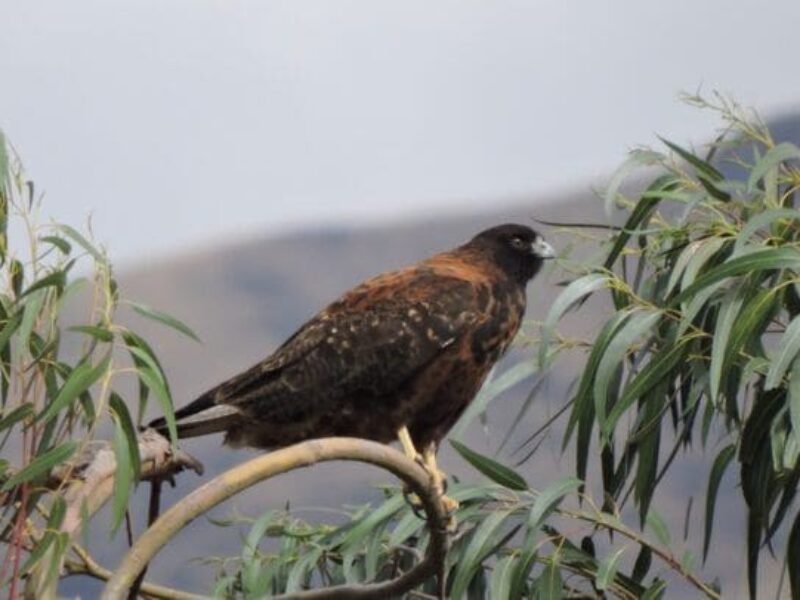
Explore Bird List Huacarpay
Whether you’re a seasoned birdwatcher or simply looking for a peaceful escape in the Andean highlands, the Huacarpay Lagoons offer an unforgettable experience. Explore their diverse habitats, observe rare species, and immerse yourself in the natural and cultural wonders of this Peruvian treasure.
Huacarpay Lake List Birds
Huacarpay Lake List Birds: A Hidden Gem of Andean Biodiversity
Nestled in the heart of the Peruvian Andes, just 30 km southeast of Cusco, Huacarpay Lake is a breathtaking natural sanctuary teeming with life. Situated at an altitude of 3,050 meters above sea level in the district of Lucre, this serene lake forms part of a protected wetland ecosystem within the Quispicanchi Province. Its rich biodiversity and stunning landscapes make it a must-visit destination for nature lovers, birdwatchers, and adventure seekers alike. Peru Bird
Discover the Magic of Huacarpay Lake List Birds
Huacarpay Lake is a vital part of the Ramsar Wetland System, recognized for its ecological importance. The lake and its surrounding wetlands provide a unique habitat for a wide variety of plant and animal species, many of which are endemic to the Andean region. The shimmering waters reflect the grandeur of the surrounding mountains, creating a picture-perfect panorama that changes with the seasons.
Birdwatcher's Paradise - Huacarpay Lake List Birds
One of Huacarpay Lake's biggest draws is its extraordinary birdlife. Over 70 species of birds call this area home, including migratory birds that travel thousands of kilometers to rest and feed in its waters. Bird enthusiasts can spot species such as the Puna Teal, Andean Goose, and the elusive Bearded Mountaineer hummingbird. Early morning visits offer the best chance to observe these feathered wonders in their natural habitat.
Flora and Fauna of the Andean Wetlands -Huacarpay Lake List Birds
The lake's wetlands are a biological treasure trove. Visitors can marvel at a diverse array of aquatic plants, reeds, and flowering species adapted to the high-altitude environment. The surrounding landscape is also home to mammals like foxes and Andean deer, as well as amphibians and insects crucial to the ecosystem's balance.
Cultural and Historical Significance -Huacarpay Lake List Birds
Beyond its ecological value, Huacarpay Lake holds cultural and archaeological importance. The area is dotted with ancient ruins from the pre-Inca Wari civilization, offering a glimpse into the region's rich historical tapestry. Visitors can explore these archaeological sites while enjoying panoramic views of the lake and the Andes.
How to Visit Huacarpay Lake List Birds
Reaching Huacarpay Lake is easy and rewarding. From Cusco, it's a scenic 45-minute drive to the district of Lucre. Visitors can explore the lake on foot via well-marked trails or by guided tours that delve deeper into the region's biodiversity and cultural heritage. The best times to visit are during the dry season (May to September) when the weather is clear, and birdwatching opportunities are at their peak. Tour Manu Park
Why Huacarpay Lake Should Be on Your Travel Itinerary Huacarpay Lake List Birds
Whether you're an avid birdwatcher, a photography enthusiast, or someone seeking tranquility away from the bustling city, Huacarpay Lake offers an unforgettable experience. Its combination of natural beauty, ecological significance, and cultural heritage makes it a hidden gem waiting to be discovered. photography Rainforest
Huacarpay Lake List Birds
Tinamous: Tinamidae
1 Taczanowski's Tinamou Nothoprocta taczanowskii 2 Ornate Tinamou Nothoprocta ornata 3 Andean Tinamou Nothoprocta pentlandii 4 Darwin's Nothura Nothura darwinii
Ducks: Anatidae
5 Andean Goose Oressochen melanoptera 6 Crested Duck Lophonetta specularioides 7 Puna Teal Spatula puna 8 /Blue-winged Teal/ Spatula discors 9 Cinnamon Teal Spatula cyanoptera 10 \Red Shoveler\ Spatula platalea 11 White-cheeked Pintail Anas bahamensis 12 Yellow-billed Pintail Anas georgica 13 Yellow-billed Teal Anas flavirostris 14 Andean Duck Oxyura ferruginea
Pigeons and Doves: Columbidae
15 Rock Pigeo Columba livia 16 Spot-winged Pigeon Patagioenas maculosa 17 Bare-faced Ground Dove Metriopelia ceciliae 18 Black-winged Ground Dove Metriopelia melanoptera 19 White-tipped Dove Leptotila verreauxi 20 Eared Dove Zenaida auriculata
Cuckoos: Cuculidae
21 Smooth-billed Ani Crotophaga ani
Nightjars and Allies: Caprimulgidae
22 Band-winged Nightjar Systellura longirostris
Swifts: Apodidae
23 White-collared Swift Streptoprocne zonaris 24 Andean Swift Aeronautes andecolus
Hummingbirds: Trochilidae Huacarpay Lake List Birds
25 Lesser Violetear Colibri cyanotus 26 Sparkling Violetear Colibri coruscans 27 Peruvian Piedtail Phlogophilus harterti 28 Andean Hillstar Oreotrochilus estella 29 Black-tailed Trainbearer Lesbia victoriae 30 Green-tailed Trainbearer Lesbia nuna 31 Bearded Mountaineer Oreonympha nobilis 32 Tyrian Metaltail Metallura tyrianthina 33 Shining Sunbeam Aglaeactis cupripennis 34 Great Sapphirewing Pterophanes cyanopterus 35 Giant Hummingbird Patagona gigas 36 White-bellied Hummingbird Elliotomyia chionogaster
Rails, Gallinules, and Coots: Rallidae
37 Plumbeous Rail Pardirallus sanguinolentus 38 Common Gallinule Gallinula galeata 39 Slate-colored Coot Fulica ardesiaca 40 Purple Gallinule Porphyrio martinica
Stilts and Avocets: Recurvirostridae Huacarpay Lake List Birds
41 Black-necked Stilt Himantopus mexicanus 42 Andean Avocet Recurvirostra andina
Plovers and Lapwings: Charadriidae Huacarpay Lake List Birds
43 /American Golden-Plover/ Pluvialis dominica 44 Andean Lapwing Vanellus resplendens
Sandpipers and Allies: Scolopacidae Huacarpay Lake List Birds
45 |Upland Sandpiper| Bartramia longicauda 46 Puna Snipe Gallinago andina 47 /Wilson's Phalarope/ Phalaropus tricolor 48 /Spotted Sandpiper/ Actitis macularius 49 /Solitary Sandpiper/ Tringa solitaria 50 /Lesser Yellowlegs/ Tringa flavipes 51 /Greater Yellowlegs/ Tringa melanoleuca 52 /Stilt Sandpiper/ Calidris himantopus 53 /Baird's Sandpiper/ Calidris bairdii 54 /Pectoral Sandpiper/ Calidris melanotos
Gulls, Terns, and Skimmers: Laridae Huacarpay Lake List Birds
55 Andean Gull Chroicocephalus serranus
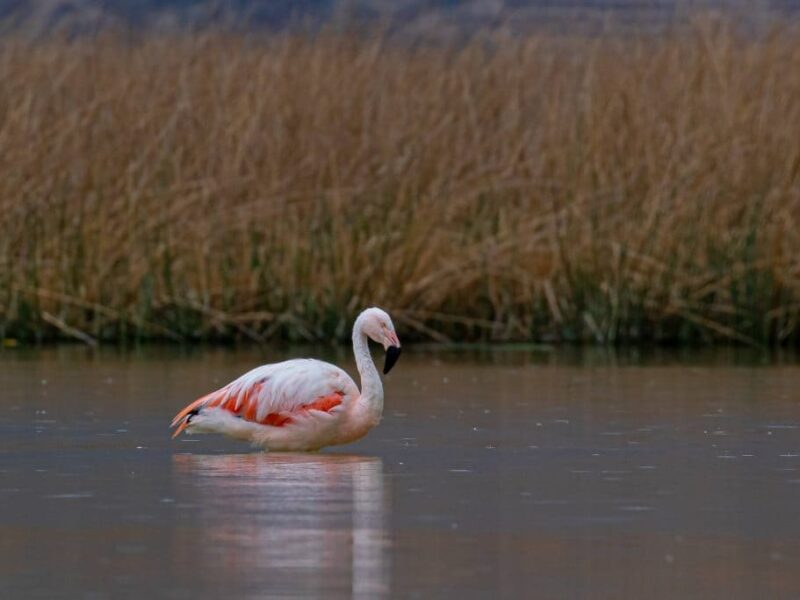
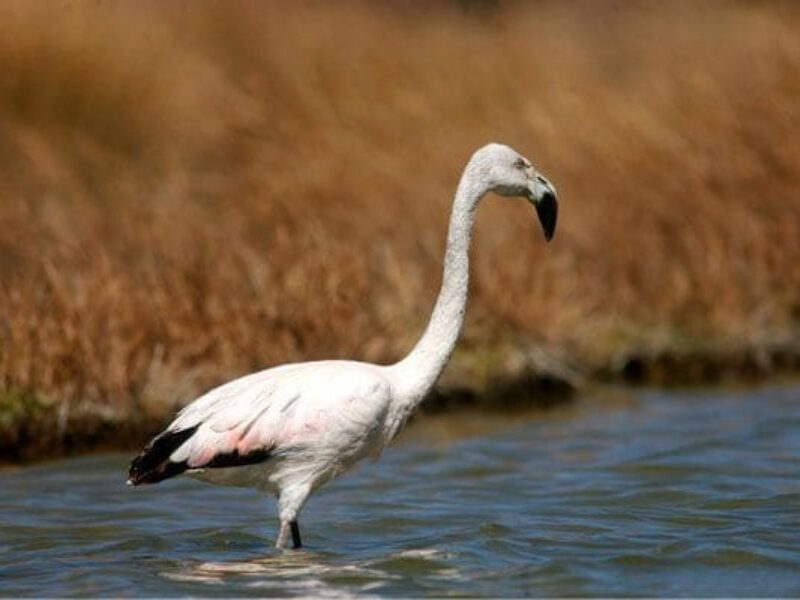
Flamingos: Phoenicopteridae
56 /Chilean Flamingo/ Phoenicopterus chilensis
Grebes: Podicipedidae
57 White-tufted Grebe Rollandia rolland 58 Silvery Grebe Podiceps occipitalis
Cormorants and Shags: Phalacrocoracidae Huacarpay Lake List Birds
59 Neotropic Cormorant Nannopterum brasilianus
Ibises and Spoonbills: Threskiornithidae
60 Puna Ibis Plegadis ridgwayi
Herons, Egrets, and Bitterns: Ardeidae
61 Black-crowned Night Heron Nycticorax nycticorax 62 Little Blue Heron Egretta caerulea 63 Snowy Egret Egretta thula 64 Striated Heron Butorides striata 65 Western Cattle-Egret Bubulcus ibis 66 Great Egret Ardea alba 67 Cocoi Heron Ardea cocoi
New World Vultures: Cathartidae
68 Turkey Vulture Cathartes aura
Hawks, Eagles, and Kites: Accipitridae
69 Cinereous Harrier Circus cinereus 70 Variable Hawk Geranoaetus polyosoma 71 Black-chested Buzzard-Eagle Geranoaetus melanoleucus 72 White-throated Hawk Buteo albigula
Owls: Strigidae Huacarpay Lagoon in Cusco
73 Lesser Horned Owl Bubo magellanicus 74 Peruvian Pygmy-Owl Glaucidium peruanum 75 Burrowing Owl Athene cunicularia
Woodpeckers: Picidae
76 Andean Flicker Colaptes rupicola
Falcons and Caracaras: Falconidae
77 Mountain Caracara Daptrius megalopterus 78 American Kestrel Falco sparverius 79 Aplomado Falcon Falco femoralis
Parrots: Psittacidae Huacarpay Lake List Birds
80 Andean Parakeet Bolborhynchus orbygnesius
Ovenbirds and Woodcreepers: Furnariidae
81 Slender-billed Miner Geositta tenuirostris 82 Wren-like Rushbird Phleocryptes melanops 83 Cream-winged Cinclodes Cinclodes albiventris 84 Streak-fronted Thornbird Phacellodomus striaticeps 85 Rusty-fronted Canastero Asthenes ottonis 86 Creamy-crested Spinetail Cranioleuca albicapilla
Tyrant Flycatchers: Tyrannidae Huacarpay Lagoon in Cusco
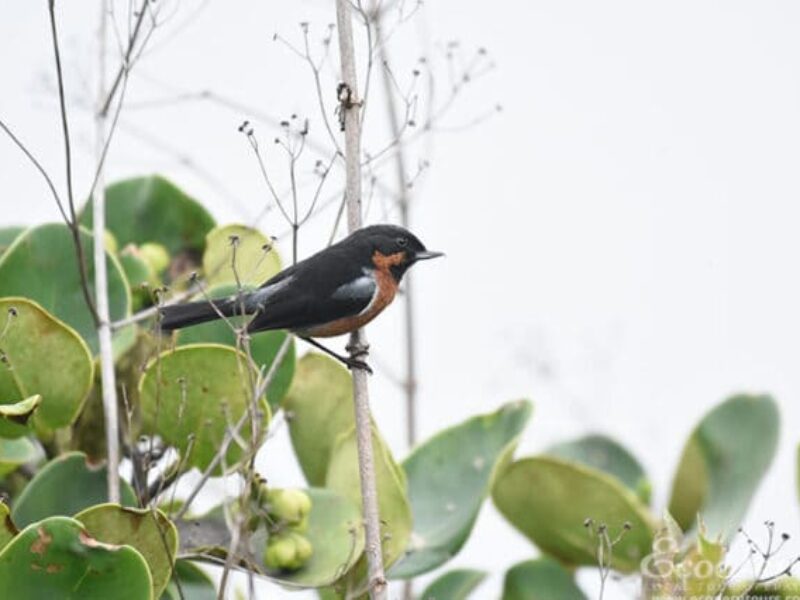
87 Many-colored Rush Tyrant Tachuris rubrigastra 88 Yellow-billed Tit-Tyrant Anairetes flavirostris 89 Tufted Tit-Tyrant Anairetes parulus 90 Subtropical Doradito Pseudocolopteryx acutipennis 91 White-crested Elaenia Elaenia albiceps 92 \Small-billed Elaenia\ Elaenia parvirostris 93 Sierran Elaenia Elaenia pallatangae 94 Black Phoebe Sayornis nigricans 95 Andean Negrito Lessonia oreas 96 White-winged Black-Tyrant Knipolegus aterrimus 97 Spot-billed Ground-Tyrant Muscisaxicola maculirostris 98 Taczanowski's Ground-Tyrant Muscisaxicola griseus 99 Rufous-naped Ground-Tyrant Muscisaxicola rufivertex 100 \White-browed Ground-Tyrant\ Muscisaxicola albilora 101 Black-billed Shrike-Tyrant Agriornis montanus 102 White-browed Chat-Tyrant Ochthoeca leucophrys
Swallows: Hirundinidae Huacarpay Lagoon in Cusco
103 Blue-and-white Swallow Pygochelidon cyanoleuca 104 Brown-bellied Swallow Orochelidon murina 105 Andean Swallow Orochelidon andecola 106 /Barn Swallow/ Hirundo rustica
Wrens: Troglodytidae
107 Southern House Wren Troglodytes musculus 108 Mountain Wren Troglodytes solstitialis
Dippers: Cinclidae
109 White-capped Dipper Cinclus leucocephalus
Thrushes and Allies: Turdidae
110 /Swainson's Thrush/ Catharus ustulatus 111 Pale-eyed Thrush Turdus leucops 112 Great Thrush Turdus fuscater 113 Chiguanco Thrush Turdus chiguanco
Finches, Euphonias, and Allies: Fringillidae Huacarpay Lake List Birds
114 Thick-billed Siskin Spinus crassirostris 115 Hooded Siskin Spinus magellanicus 116 Olivaceous Siskin Spinus olivaceus
New World Sparrows: Passerellidae Huacarpay Lake List Birds
117 Rufous-collared Sparrow Zonotrichia capensis
Troupials and Allies: Icteridae
118 Shiny Cowbird Molothrus bonariensis 119 Yellow-winged Blackbird Agelasticus thilius
New World Warblers: Parulidae Huacarpay Lake List Birds
120 Pale-legged Warbler Myiothlypis signata
Tanagers and Allies: Thraupidae
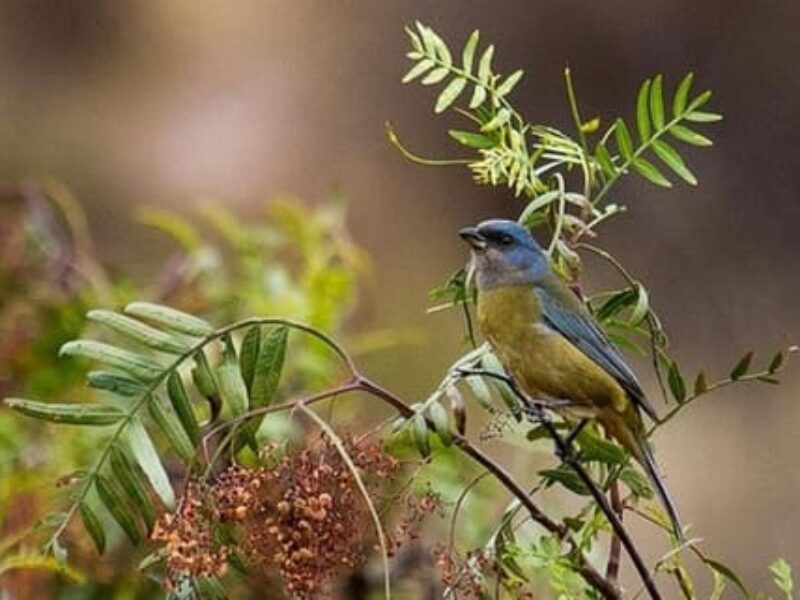
121 Rust-and-yellow Tanager Thlypopsis ruficeps 122 Blue-and-yellow Tanager Rauenia bonariensis 123 Palm Tanager Thraupis palmarum 124 Cinereous Conebill Conirostrum cinereum 125 Black-throated Flowerpiercer Diglossa brunneiventris 126 Peruvian Sierra Finch Phrygilus punensis 127 Glacier Finch Idiopsar speculifera 128 Plumbeous Sierra Finch Geospizopsis unicolor 129 Ash-breasted Sierra Finch Geospizopsis plebejus 130 &Slaty Finchl Haplospiza rustica 131 Band-tailed Sierra Finch Porphyrospiza alaudinus 132 Mourning Sierra Finch Rhopospina fruticeti 133 Chestnut-breasted Mountain-Finch Poospizopsis caesar 134 Greenish Yellow-Finch Sicalis olivascens 135 Grassland Yellow-Finch Sicalis luteola 136 Band-tailed Seedeater Catamenia analis 137 Plain-colored Seedeater Catamenia inornata 138 Paramo Seedeater Catamenia homochroa 139 Golden-billed Saltator Saltator aurantiirostris
Discover the Bearded Mountaineer at Huacarpay Lagoon – Bird List of Peru
Explore the Huacarpay Bird List: The Bearded Mountaineer (Oreonympha nobilis) is a rare and striking gem of the southern Peruvian Andes. With its unmistakable appearance and specialized habitat, this hummingbird is one of the most sought-after species by birdwatchers visiting Huacarpay Lagoon and other Andean regions.
Also observed in: Manu National Park birdwatching tours.
Discover the Magic of Huacarpay Lagoon
Huacarpay Lagoon is a vital part of the Ramsar Wetlands System, recognized for its ecological importance. The lagoon and its surrounding wetlands provide a unique habitat for a wide range of flora and fauna, many of which are endemic to the Andean region. Its shimmering waters reflect the majesty of the surrounding mountains, creating a dreamlike panorama that shifts with the seasons.
A Birdwatcher’s Paradise
One of the lagoon’s greatest attractions is its extraordinary birdlife. Over 70 bird species inhabit this area, including migratory birds that travel thousands of kilometers to rest and feed in its waters. Bird enthusiasts can spot species such as the Puna Teal, the Andean Goose, and the elusive Bearded Mountaineer hummingbird (Oreonympha nobilis). Early morning visits offer the best opportunities to observe these feathered wonders in their natural habitat.
Flora and Fauna of the Andean Wetlands
The wetlands around the lagoon are a true biological treasure. Visitors can admire a variety of aquatic plants, reeds, and flowers adapted to the high-altitude environment. The landscape also shelters mammals such as Andean foxes and deer, as well as amphibians and insects essential to the ecological balance.
Cultural and Historical Significance
Beyond its ecological value, Huacarpay Lagoon holds great cultural and archaeological importance. The area is dotted with ancient ruins from the Wari civilization, which predate the Incas and offer a glimpse into the region’s rich historical past. Visitors can explore these archaeological sites while enjoying panoramic views of the lagoon and the Andes.
How to Visit Huacarpay Lagoon
Reaching the lagoon is easy and highly rewarding. From Cusco, it’s a scenic 45-minute drive to the district of Lucre. Visitors can explore the lagoon on foot via well-marked trails or join guided tours that delve into the area’s biodiversity and cultural heritage. The best months to visit are during the dry season (May to September), when the weather is more stable and birdwatching opportunities are at their peak.
Why Include Huacarpay Lagoon in Your Travel Itinerary?
Whether you’re a passionate birdwatcher, a nature photographer, or simply looking for peace away from the city, Huacarpay Lagoon offers an unforgettable experience. Its blend of natural beauty, ecological significance, and cultural richness makes it a hidden gem well worth discovering.
Bird Species in Huacarpay Lagoon
Family: Tinamidae (Tinamous)
Taczanowski’s Tinamou (Nothoprocta taczanowskii)
Ornate Tinamou (Nothoprocta ornata)
Andean Tinamou (Nothoprocta pentlandii)
Darwin’s Nothura (Nothura darwinii)
Family: Anatidae (Ducks)
Andean Goose (Oressochen melanoptera)
Crested Duck (Lophonetta specularioides)
Puna Teal (Spatula puna)
Blue-winged Teal (Spatula discors)
Cinnamon Teal (Spatula cyanoptera)
Red Shoveler (Spatula platalea)
White-cheeked Pintail (Anas bahamensis)
Yellow-billed Pintail (Anas georgica)
Speckled Teal (Anas flavirostris)
Andean Duck (Oxyura ferruginea)
Family: Columbidae (Pigeons and Doves)
Rock Pigeon (Columba livia)
Spot-winged Pigeon (Patagioenas maculosa)
Bare-faced Ground Dove (Metriopelia ceciliae)
Black-winged Ground Dove (Metriopelia melanoptera)
Eared Dove (Zenaida auriculata)
White-tipped Dove (Leptotila verreauxi)
Family: Cuculidae (Cuckoos)
Smooth-billed Ani (Crotophaga ani)
Family: Caprimulgidae (Nightjars)
Band-winged Nightjar (Systellura longirostris)
Family: Apodidae (Swifts)
White-collared Swift (Streptoprocne zonaris)
Andean Swift (Aeronautes andecolus)
Family: Trochilidae (Hummingbirds)
Lesser Violetear (Colibri cyanotus)
Sparkling Violetear (Colibri coruscans)
Peruvian Sheartail (Phlogophilus harterti)
Andean Hillstar (Oreotrochilus estella)
Green-tailed Trainbearer (Lesbia nuna)
Black-tailed Trainbearer (Lesbia victoriae)
Bearded Mountaineer (Oreonympha nobilis)
Tyrian Metaltail (Metallura tyrianthina)
Shining Sunbeam (Aglaeactis cupripennis)
Great Sapphirewing (Pterophanes cyanopterus)
Giant Hummingbird (Patagona gigas)
White-bellied Hummingbird (Elliotomyia chionogaster)
Family: Rallidae (Rails)
Plumbeous Rail (Pardirallus sanguinolentus)
Common Gallinule (Gallinula galeata)
Andean Coot (Fulica ardesiaca)
Purple Gallinule (Porphyrio martinica)
Family: Recurvirostridae (Stilts and Avocets)
Black-necked Stilt (Himantopus mexicanus)
Andean Avocet (Recurvirostra andina)
A Birdwatching Paradise
These are just a few of the many species that make Huacarpay Lagoon a top-tier destination for ornithology enthusiasts. With every visit, the lagoon offers new surprises, making it the perfect spot for both seasoned birders and casual observers.
Bearded Mountaineer Features – Huacarpay Lagoon
- Size: 15.5–16.5 cm (6–6.5 in) with a bill approximately 2.4 cm (1 in) long
- Habitat: Dry montane shrublands in inter-Andean valleys (between 2,700 and 3,900 meters altitude)
- Distinctive Traits: Large body for a hummingbird, long forked black-and-white tail, white underparts
- Male plumage:
- O. n. albolimbata subspecies: Narrow gorget with iridescent green and purple, spotted crown with white edges
- O. n. nobilis subspecies: Deep, shiny blue throat
- Song:
A descending series of high-pitched notes followed by a rich warble (“swee swee chew-chew-chew”) and a dry “dzzrt”
Where to Spot the Bearded Mountaineer – Explore the Huacarpay Bird List
- This hummingbird is endemic to the south-central Andes of Peru, especially in the Apurímac and Urubamba valleys and regions like Huancavelica.
- It adapts well to semi-open areas with dry scrub, cacti, and even zones near human settlements where wild tobacco (Nicotiana) and eucalyptus trees grow.
- Top location to see it:
Huacarpay Lagoon, a biodiversity hotspot with excellent access for birders.
Nesting Behavior – Explore the Huacarpay Bird List
A remarkable nest discovery was made at the entrance of the Tipón Archaeological Park, near Cusco:
Nest location: Under the thatched roof of a traditional structure, 2.25 meters off the ground
Structure: Compact cup-shaped nest made of fern fibers, moss, and fine roots
Eggs: Two small white eggs
This type of nesting shows precise adaptation to the cold, dry highland climate.
- Also observed during: Bird tours in Manu National Park
- Best Time to Visit – Explore the Huacarpay Bird List
- The Bearded Mountaineer likely breeds during the rainy season (November to May), making this the best time to observe nesting behavior.
- November, at the start of the rains, is a particularly promising month.
Tips for Birdwatchers
- Visit key sites: Huacarpay Lagoon and Tipón Archaeological Park
- Look for flowering plants: Especially purple flowers of Dunalia espinosa, which attract this species
- Bring binoculars: To admire details like the male’s shiny gorget
- Listen carefully: Pay attention to its unique calls and snapping sounds
Why Visit Huacarpay Lagoon?
- It’s a natural sanctuary for the Bearded Mountaineer and over 130 bird species
- Offers spectacular Andean landscapes and is ideal to combine with cultural visits
- Its proximity to Cusco (just 45 minutes away) makes it a perfect day trip
- Embark on a birding adventure and witness the extraordinary Bearded Mountaineer in the majestic landscapes of the Peruvian Andes.
WHAT INCLUDED?
WHAT IS NOT INCLUDED?
RECOMMENDATIONS OF WHAT TO BRING:
Notable Bird Species in the Manu Biosphere Reserve
Manu’s immense biodiversity means travelers can spot everything from brilliantly colored parrots to elusive ground birds in a single journey. Below is an overview of the standout species you’re most likely to encounter during birdwatching tours in Manu.
Macaws and Parrots: Manu’s Colorful Spectacle
Some of the reserve’s most iconic wildlife moments happen at clay licks, where flocks of macaws and parrots gather in massive, noisy groups. These events are a favorite among photographers and are often a highlight of guided birding tours.
species include:
- Scarlet Macaw (Ara macao)
- Blue-headed Parrot (Pionus menstruus)
- Chestnut-fronted Macaw (Ara severus)
Their vibrant plumage and social behavior make them unmissable sights in the lowland rainforest.
Raptors and Birds of Prey
The Harpy Eagle, often referred to as the rainforest’s apex predator, is one of the most sought-after birds in Manu. While sightings are rare, encountering one in its natural habitat is an unforgettable moment.
Other raptors frequently recorded in the region include:
- White-rumped Hawk
- Black-and-white Hawk-Eagle
- Andean Condor (spotted in the higher Andean zones)
These powerful birds reflect the overall ecological health of the Manu Biosphere Reserve.
Hummingbirds of the Andes–Amazon Transition
Manu’s dramatic range of elevations creates ideal conditions for an astonishing diversity of hummingbirds—many of them endemic to this region of Peru.
Commonly observed species:
- Collared Inca (Coeligena torquata)
- Chestnut-breasted Coronet (Boissonneaua matthewsii)
- Violet-throated Starfrontlet (Coeligena violifer)
Travelers often spot these jewel-like birds along forest edges, flower-rich trails, and lodge gardens.
Toucans: Icons of the Tropical Forest
No trip to the Amazon is complete without seeing a toucan, and Manu is home to several impressive species. Their loud, resonant calls often reveal their presence high in the canopy before you see them.
Notable toucans include:
- Toco Toucan
- White-throated Toucan
- Chestnut-eared Aracari
As important seed dispersers, they play a crucial role in keeping Manu’s forests thriving.
Antpittas and Tapaculos: Treasures for Serious Birders
These shy, ground-dwelling birds are known for their haunting calls and elusive behavior. Spotting them requires patience—or better yet, the expertise of a local guide.
Species to watch for:
- White-throated Antpitta
- Trilling Tapaculo
Though difficult to observe, these species are a rewarding find for birders seeking a challenge.
Endemic Birds of Manu
Peru is renowned for its high number of endemic species, and several of them are protected within the Manu Biosphere Reserve. Their restricted ranges make them especially exciting targets for birdwatchers.
Endemic highlights include:
- Marcapata Spinetail (Cranioleuca marcapatae)
- Black-backed Tody-Flycatcher
- Red-and-white Antpitta
These species underscore Manu’s significance as one of the world’s most important hotspots for avian conservation.
Where to Find a Complete Bird List for Manu
Travelers, researchers, and birders looking for updated species information can access reliable checklists through platforms such as:
Manu National Park hotspot – regularly updated with sightings from guides and visiting birders.
This resource is invaluable for planning birding routes, comparing seasonal sightings, and understanding the full scope of Manu’s extraordinary avifauna.
If you’d like, I can help you integrate these sections into your larger article, add internal links, create a Yoast-friendly meta description, or develop a full travel guide to “Birdwatching in Manu Biosphere Reserve.”
Huacarpay Lake is a biodiverse wetlands area near Cusco, Peru, that is a popular birdwatching destination home to over 60 species, including the endemic Bearded Mountaineer and Rusty-fronted Canastero. Key species to look for include aquatic birds like the Puna Teal and White-tufted Grebe, and various land birds such as the Many-colored Rush-tyrant, Giant Hummingbird, and Streak-fronted Thornbird.
Birdwatching at Huacarpay Lake: A Wetland Gem Near Cusco
Just a short drive from Cusco, Huacarpay Lake offers one of the region’s most accessible and rewarding birdwatching experiences. This high-Andean wetland is rich in biodiversity, supporting more than 60 bird species throughout the year. Its mix of reed beds, open water, and surrounding arid hillsides creates ideal habitat for both aquatic and land birds, making it a must-visit stop for nature enthusiasts and photographers.
Endemic and Notable Species
Huacarpay is especially known for its Peruvian endemics, including:
- Bearded Mountaineer
- Rusty-fronted Canastero
These species are often top targets for birdwatchers exploring the Cusco region.
- Aquatic Birds to Watch For
The lake’s calm waters attract a variety of high-Andean waterfowl and grebes. Common sightings include:
- Puna Teal
- White-tufted Grebe
These species are typically found feeding near the edges of the lake or gliding across its open surface.
Land Birds Around the Wetlands
The surrounding scrublands and marshy vegetation provide outstanding opportunities to observe a range of colorful and charismatic species, such as:
- Many-colored Rush-tyrant
- Giant Hummingbird
- Streak-fronted Thornbird
With such diverse habitats in a compact area, Huacarpay Lake is ideal for half-day birding trips from Cusco and a great introduction to the avifauna of the Andean highlands.
Birdwatching at Huacarpay Lagoon: Frequently Asked Questions (FAQs)
1. Where is Huacarpay Lagoon located?
Huacarpay Lagoon is located 30 km (about 19 miles) southeast of Cusco, Peru, in the district of Lucre, Quispicanchi province, at an altitude of 3,050 meters (10,006 feet) above sea level.
2. Why is Huacarpay Lagoon important for biodiversity?
It is part of the Ramsar Wetlands System, recognized for its high ecological importance. The lagoon hosts a wide variety of flora and fauna, including many endemic and migratory bird species.
3. How many bird species have been recorded at Huacarpay Lagoon?
Over 130 bird species have been recorded, including waterfowl, raptors, and rare hummingbirds.
4. What iconic bird species can be seen at Huacarpay?
Notable species include the Bearded Mountaineer hummingbird, the Andean Goose, the Puna Teal, the Giant Hummingbird, and the Andean Avocet.
5. When is the best time to visit the lagoon for birdwatching?
The dry season (May to September) is ideal, offering better weather and clearer visibility for birdwatching.
6. Are there migratory birds at Huacarpay Lagoon?
Yes, several migratory species visit during their seasonal movements, such as Wilson’s Phalarope, the Barn Swallow, and the Upland Sandpiper.
7. What is the cultural significance of Huacarpay Lagoon?
The area contains ancient ruins from the pre-Inca Wari civilization, offering insights into early Andean history and culture.
8. What types of ecosystems surround the lagoon?
The lagoon features wetlands, reed beds, and Andean grasslands, creating diverse habitats for wildlife.
9. How can I get to Huacarpay Lagoon from Cusco?
It’s about a 45-minute drive from Cusco to the town of Lucre. From there, visitors can access the lagoon on foot via well-marked trails or join guided tours.
10. Is Huacarpay Lagoon part of a protected area?
Yes, it is protected under the Ramsar Convention, ensuring the conservation of its valuable wetland ecosystem.
11. Can I observe endemic species at Huacarpay?
Yes, species like the Bearded Mountaineer hummingbird and the Rusty-fronted Canastero are endemic to the Andean region.
12. What activities can visitors enjoy at the lagoon?
Popular activities include birdwatching, nature photography, hiking, and exploring archaeological sites.
13. Are birdwatching tours available?
Yes, local tour operators offer specialized birdwatching tours with expert guides.
14. What should I bring for a birdwatching visit?
It is recommended to bring:
- Binoculars
- A bird field guide
- Sunscreen
- A hat or cap
- Water
- Layered clothing (to adapt to weather changes)
15. Is there an entrance fee to visit Huacarpay Lagoon?
Currently, there is no official entrance fee, although guided tours may have associated costs.
16. Are there services near the lagoon?
Basic services are available in the nearby town of Lucre, but it’s advisable to bring essentials for greater comfort.
17. Is the lagoon suitable for family visits?
Yes, the lagoon features accessible trails and abundant wildlife, making it a great destination for families.
18. Are there conservation efforts at Huacarpay Lagoon?
Yes, in addition to its Ramsar designation, local organizations actively work on ecosystem conservation and environmental education programs.
19. What other animals can be found in the area?
Aside from birds, visitors may spot Andean foxes, deer, amphibians, and insects vital to the wetland’s ecological balance.
20. Why should I visit Explore Bird List Huacarpay
Huacarpay Lagoon offers a unique blend of Andean biodiversity, cultural heritage, and breathtaking landscapes, making it a must-visit destination for nature lovers and cultural explorers.
Leave a Reply