Bird Watching at Huacarpay Lake :Experience the magic of Cusco’s natural wonders by visiting Huacarpay and Piuray Lagoons. These serene escapes promise unforgettable moments of discovery, cultural enrichment, and breathtaking landscapes. Book your journey now and let the Andes reveal their secrets.
Bird Watching at Huacarpay Lake :
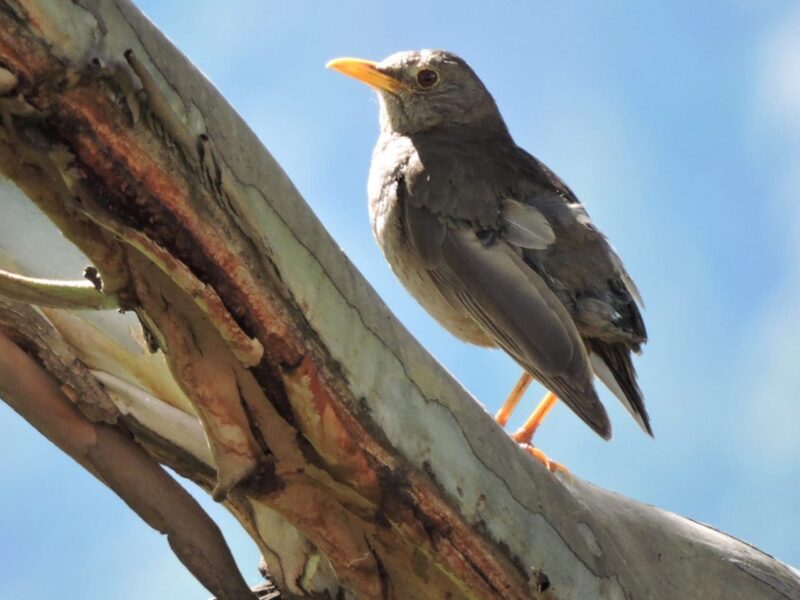
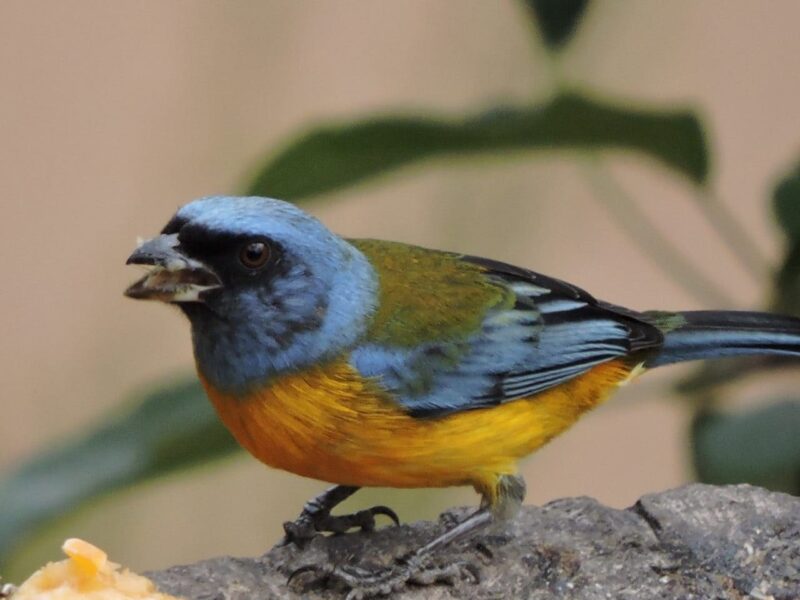
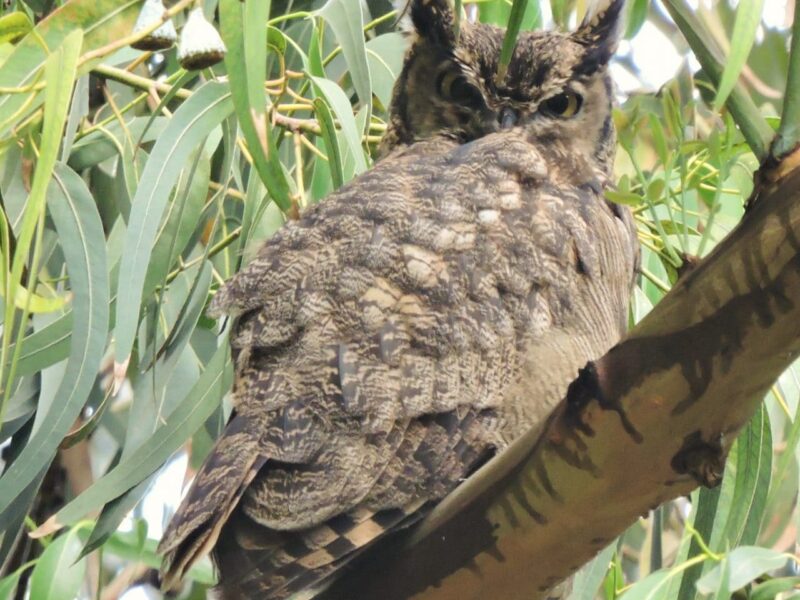
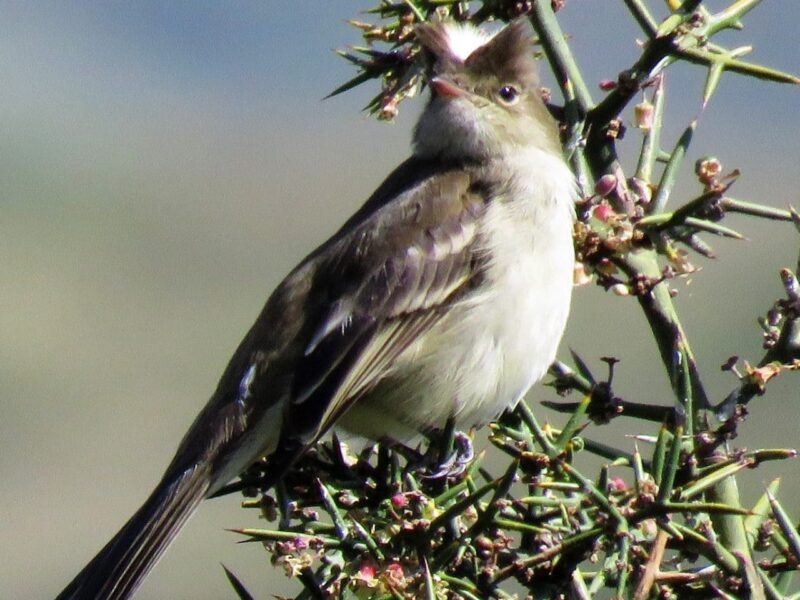
Huacarpay Lakes is renowned for its diverse avian population. Visitors can encounter 139 recorded bird species, including 5 endemics and 4 near-endemics that are rarely found elsewhere. Among the highlights are globally threatened and migratory species, offering bird enthusiasts a unique chance to spot rare and fascinating birds in their natural habitat.
What to See at Huacarpay Lake
Endemic & Local Specialties
- Bearded Mountaineer – A striking hummingbird found only in the Cusco region.
- Rusty-fronted Canastero – Often seen moving actively through the surrounding scrub.
Migratory Birds (Nov–Mar)
During the boreal migration, watch for species such as:
- Spotted Sandpiper
- Baird’s Sandpiper
Hummingbirds (Feb–Apr Peak Season)
This is the best time to enjoy exceptional hummingbird activity, including:
- Giant Hummingbird
- Sparkling Violetear
Other common Andean species feeding on seasonal blossoms.
Aquatic & Wetland Birds
Chilean Flamingo (occasional/seasonal)
- Puna Ibis
- Andean Coot
- Cinnamon Teal
- Various grebes, ducks, and herons
Raptors & Open-Country Birds
- Variable Hawk
- Black-chested Buzzard-Eagle (occasional)
- Ground-tyrants, seedeaters, and other high-Andean specialties
Tips for Your Visit
Best Time to Go
- Year-round birding is excellent.
- February–April: Peak hummingbird activity.
- November–March: Best months for migratory shorebirds.

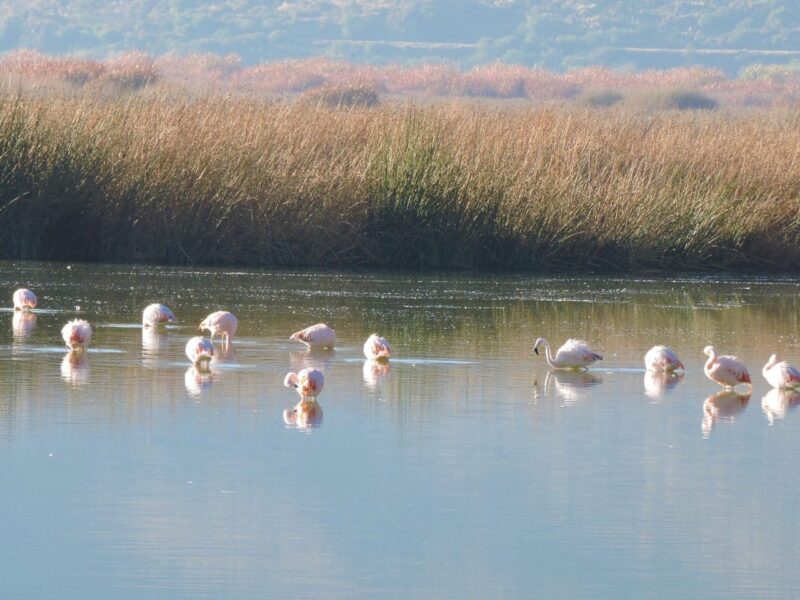


Bird Watching at Huacarpay Lake:
Wetland offers an unforgettable experience for travelers seeking a blend of nature and history. Whether you’re an avid birdwatcher, a history buff, or simply someone looking to connect with Peru’s natural beauty, this hidden gem is well worth a visit. Help protect this invaluable ecosystem by supporting sustainable tourism practices during your journey.
Bird Watching at Huacarpay Lake:
- Huacarpay Lake
- Why Visit Bird Watching at Piuray Lagoon .
- Activities:Bird Watching at Huacarpay Lake
- Huacarpay vs. Piuray: Which Lagoon Suits Your Adventure?
- Explore the Natural Wonders of Huacarpay Lakes, Peru
- 2. Rich Ecosystem and Scenic Landscapes Bird Watching at Huacarpay Lake
- Travel Tips:Bird Watching at Huacarpay Lake
- Practical Information for Visitors
- 3. Cultural and Historical Significance
Huacarpay Lagoon in Cusco
Discover the Huacarpay Wetland: A Hidden Gem in the Cusco Region
Location and Accessibility Nestled in the district of Lucre, Province of Quispicanchi, the Huacarpay Wetland sits at an altitude of approximately 3,020 meters above sea level. This natural sanctuary features four permanent lagoons, a seasonal lagoon, and interconnecting swamps that create a dynamic and diverse ecosystem.
Conveniently located within the renowned Pikillaqta Archaeological Park, the Huacarpay Wetland is easily accessible from Cusco, making it an ideal destination for nature lovers and history enthusiasts. The area is protected under the Law of Cultural Heritage by the National Institute of Culture, preserving both its ecological and archaeological significance. Visitors can also explore the ancient Wari citadel of Pikillaqta, situated on the northern edge of the wetland, along with numerous Inca and pre-Inca terraces that reflect the region's rich cultural legacy. Amazon Manu Tours
A Sanctuary of Biodiversity
The Huacarpay Wetland is a biodiversity hotspot, home to a remarkable array of flora and fauna. The surrounding landscape is characterized by dry valley shrub thickets, while the aquatic vegetation within the wetland plays a vital role in sustaining the local ecosystem. This lush environment provides essential habitat, food, and shelter for a wide range of wildlife, including many species of migratory and endemic birds.
Birdwatchers will find the Huacarpay Wetland a paradise, as it hosts an impressive variety of avian species. Notable residents include the Rufous-fronted Canastero, Bearded Mountaineer, and Streaked-fronted Thornbird—birds that are considered vulnerable due to habitat degradation. From July to September, the wetland becomes a temporary home to numerous migratory and seasonal birds, offering a spectacular display for visitors.
Beyond birdlife, the wetland supports an ecosystem teeming with arthropods, reptiles, mammals, and fish. This rich biodiversity underscores the wetland's ecological importance in maintaining hydrological balance and promoting the conservation of endemic species.
Cultural and Ecological Significance
The Huacarpay Wetland is not only a natural wonder but also a site of immense cultural and historical value. Its location within the Pikillaqta Archaeological Park offers a unique blend of ancient human history and natural beauty. Visitors can marvel at the centuries-old agricultural terraces, which bear testimony to the ingenuity of early civilizations that once thrived in the region.
Despite its ecological and cultural importance, the wetland faces ongoing threats from unsustainable agricultural and livestock practices. These human activities, combined with habitat loss, endanger the delicate balance of this ecosystem. Conservation efforts are crucial to preserving the wetland's biodiversity and maintaining its role as a sanctuary for wildlife.
Why Visit the Huacarpay Wetland?
- Birdwatching Paradise: Observe rare and migratory bird species in their natural habitat.
- Cultural Heritage: Explore ancient Inca and pre-Inca terraces and the Wari citadel of Pikillaqta.
- Ecological Wonder: Experience a unique ecosystem that supports diverse flora and fauna.
- Accessible Adventure: Located near Cusco, the wetland is an easy day trip for nature enthusiasts.
Discover the Beauty of Bird Watching at Huacarpay Lake
Bird Watching at Huacarpay Lake, the heart of the ancient Inca Empire, is not only famous for Machu Picchu but also for its breathtaking natural wonders. Among these hidden gems are the Huacarpay Lagoon and Piuray Lagoon—two stunning Andean water bodies offering rich biodiversity, cultural experiences, and unforgettable landscapes. Whether you’re an adventure seeker, a nature lover, or a cultural enthusiast, these lagoons promise an authentic Peruvian experience. Tour Rainforest Amazon
Huacarpay Lake
- Huacarpay Lagoon: A Bird Watcher’s Paradise
- Location: Lucre District, Quispicanchis Province, Cusco
- Altitude: Approximately 3,050 meters (10,006 feet) above sea level
Ecosystem: This Andean wetland is a biodiversity hotspot, teeming with unique flora and fauna. The lagoon forms part of the Ramsar Wetland conservation site, making it a vital ecological treasure.
Biodiversity: Home to over 70 species of birds, including both endemic and migratory species. Bird watchers can spot Andean geese, puna ibis, and the endangered giant coot, among others. The surrounding wetlands also support native vegetation, creating a vibrant natural habitat.
Nearby Attractions: Explore the pre-Inca Piquillacta archaeological complex, wander through picturesque Andean landscapes, and engage with local communities preserving ancient traditions.
Activities: Bird Watching at Huacarpay Lake
Bird Watching: Ideal for ornithologists and nature enthusiasts seeking rare bird species.
Hiking: Scenic trails surround the lagoon, offering panoramic views.
Boat Trips: Experience the tranquility of the lagoon while floating through its calm waters.
Picnics: Relax and savor local delicacies in a peaceful natural setting.
Andean Ceremonies: Participate in authentic cultural rituals led by local shamans.
Sustainable Tourism: Engage in community-led tourism projects that support local livelihoods and preserve cultural heritage.
Accessibility: Located just 30 kilometers (18 miles) from Cusco along the Cusco-Urcos highway, Huacarpay Lagoon is easily reachable by car or tour services.
Why Visit Bird Watching at Piuray Lagoon .
Escape the crowds and immerse yourself in nature’s beauty while discovering ancient archaeological marvels. This serene lagoon is a perfect destination for eco-tourism and cultural exploration.
Piuray Lagoon: A Cultural and Scenic Retreat
Location: Chinchero District, Urubamba Province, Cusco
Altitude: Approximately 3,750 meters (12,303 feet) above sea level
Ecosystem: Nestled among the majestic Andes, Piuray Lagoon features pristine, crystal-clear waters and is surrounded by rolling hills and mountain peaks. It serves as an essential water source for Cusco.
Biodiversity: While it hosts fewer bird species than Huacarpay, the lagoon is rich in native Andean flora and offers an immersive high-altitude ecosystem.
Nearby Attractions: Discover the historic town of Chinchero, renowned for its traditional Andean textile markets and awe-inspiring views of the snow-capped Veronica Mountain.
Why Visit Piuray Lagoon?
Immerse yourself in the cultural heart of the Sacred Valley while enjoying breathtaking landscapes. Piuray Lagoon offers a unique blend of nature, tradition, and sustainable tourism initiatives.
Huacarpay vs. Piuray: Which Lagoon Suits Your Adventure?
Feature : Huacarpay Lagoon Piuray Lagoon
Altitude : 3,050 m (10,006 ft) 3,750 m (12,303 ft)
Ecosystem :. Andean wetland with diverse wildlife Pristine lagoon surrounded by mountains
Biodiversity : 70+ bird species, including endemics Andean flora, fewer bird species
Nearby Attractions : Piquillacta ruins, local communities Chinchero town, craft markets
Activities : Bird watching, boat trips, hiking, picnics Boat trips, hikes, Andean ceremonies
Accessibility : 30 km from Cusco (via Cusco-Urcos highway) 30 km from Cusco (via Chinchero highway)
Both lagoons offer unique experiences—whether you crave a deep connection with nature or wish to immerse yourself in Andean culture. Plan your visit to uncover the hidden beauty surrounding Cusco beyond the typical tourist trails.
Explore the Natural Wonders of Huacarpay Lakes, Peru
Discover a Birdwatcher’s Paradise in the Peruvian Highlands
Nestled at an altitude of 3,100 meters (10,170 feet) in the Peruvian highlands, Huacarpay Lakes is a stunning destination for nature lovers and birdwatchers alike. This serene wetland, part of the Lucre Basin near Cusco, offers breathtaking landscapes, rich biodiversity, and a chance to observe over 139 bird species, including several endemic and near-endemic birds. Whether you’re an avid ornithologist or a casual nature enthusiast, Huacarpay Lakes is a must-visit location that combines natural beauty with unique wildlife experiences.
Some notable species include:
Bearded Mountaineer (Oreonympha nobilis) – A striking hummingbird endemic to Peru
Rusty-fronted Canastero (Asthenes ottonis) – Another Peruvian endemic bird
Many-colored Rush-Tyrant (Tachuris rubrigastra) – Known for its vibrant plumage
2. Rich Ecosystem and Scenic Landscapes Bird Watching at Huacarpay Lake
Beyond its birdlife, the Huacarpay Lakes region features a mix of highland lakes and shrublands, creating a mosaic of ecosystems that support a variety of wildlife. The area’s natural beauty is enhanced by panoramic views of the Andean mountains, making it a prime spot for photography, hiking, and ecological exploration.
3. Cultural and Historical Significance
Located just 30 km (18 miles) from Cusco, Huacarpay Lakes lies along the ancient Qhapaq Ñan (Inca Road System), a UNESCO World Heritage Site. This proximity allows travelers to combine birdwatching with cultural exploration, including visits to nearby archaeological sites like Pikillaqta, an important pre-Inca city.
Practical Information for Visitors
Location: Lucre Basin, Cusco Region, Peru
Altitude: 3,100 meters (10,170 feet)
Best Time to Visit: April to November (dry season) for optimal birdwatching and clear views
Activities: Birdwatching, photography, hiking, cultural tours
Access: Easily reachable via a short drive from Cusco city
Travel Tips:Bird Watching at Huacarpay Lake
Bring binoculars and a field guide to maximize your birdwatching experience.
Mornings offer the best chances to spot rare bird species.
Dress in layers to accommodate the chilly highland climate.
Bird Checklist at Huacarpay Lakes
Below is a snapshot of the avian diversity found at Huacarpay Lakes. This list includes globally threatened species and migratory birds, reflecting the area’s ecological importance.
Bird Species Status
Bearded Mountaineer Endemic to Peru
- Rusty-fronted Canastero Endemic to Peru
- Many-colored Rush-Tyrant Native, Common
- Andean Goose Native, Common
- Puna Ibis Native, Common
- Plumbeous Rail Native, Rare
- Black-faced Ibis Near-endemic
- Streak-fronted Thornbird Near-endemic
WHAT INCLUDED?
WHAT IS NOT INCLUDED?
RECOMMENDATIONS OF WHAT TO BRING:
Huacarpay Lake: A Natural and Cultural Treasure in Cusco .
Located just 30 km southeast of the city of Cusco, Huacarpay Lake is part of a protected natural area that showcases the unique beauty and biodiversity of high-Andean wetlands. Sitting at an altitude of 3,050 meters above sea level, the lake lies within the district of Lucre, one of the twelve districts of the Quispicanchi Province.
This ecological sanctuary is home to a rich variety of flora and fauna, making it an important habitat for migratory birds and other native species. It is a key site for birdwatching and nature conservation.
To the north of the lake, visitors will find the impressive Wari citadel of Pikillaqta, a pre-Inca archaeological complex. The entire area around the lake forms part of the Pikillaqta Archaeological Park, which contains numerous pre-Inca and Inca ruins, including agricultural terraces once used by ancient civilizations to support their growing populations.
Huacarpay Lake is not only a place of natural wonder but also a living testament to Peru’s ancient history, blending breathtaking landscapes with cultural heritage.
Birdwatching at Huacarpay Lake – A Biodiversity Hotspot Near Cusco .
Just an hour southeast of Cusco, Huacarpay Lake is one of the region’s most accessible and rewarding birdwatching destinations. This high-Andean wetland—recognized as an official RAMSAR site—supports more than 130 bird species, making it a must-visit for both casual birders and serious listers. Surrounded by wetlands, grasslands, and native scrub, Huacarpay offers a rich mix of habitats that attract an impressive diversity of endemic, migratory, and aquatic birds throughout the year.
Among the highlights are two Cusco endemics that birders come specifically to find: the Rusty-fronted Canastero and the elegant Bearded Mountaineer Hummingbird. Whether you’re adding lifers or photographing Andean scenery at sunrise, Huacarpay delivers a memorable and productive birding experience.
Getting There .
Huacarpay is located about 30 km (1 hour) from Cusco.
Take a bus toward Lake Titicaca and get off at the Lucre turnoff, or arrange private transport for a smoother experience.
Guided Tours.
Hiring a specialized bird guide is highly recommended. They can help you find the more secretive species, understand habitat behavior, and maximize your bird list.
What to Bring .
- Binoculars
- Camera with telephoto lens
- Sunscreen and hat
- Layers (mornings are chilly)
- Early morning visits offer the best light and bird activity
Nearby Attractions .
Combine your visit with the archaeological site of Urpicancha (House of the Doves), located close to the wetlands and ideal for a cultural stop.
Bird Watching at Huacarpay Lake
At Huacarpay Lagoon, you will encounter a rich blend of natural beauty, biodiversity, and cultural heritage. Here’s what to expect:
1. Flora and Fauna
Birdwatching Paradise: Over 70 bird species, including Andean geese, puna teal, and the endemic Bearded Mountaineer hummingbird. It’s part of the Ramsar Wetlands and is an important stopover for migratory birds.
Aquatic and Wetland Plants: You’ll find a variety of reeds, cattails, and other native vegetation supporting the lagoon’s ecosystem.
2. Archaeological Sites
Pikillaqta Ruins: Located nearby, these pre-Inca ruins from the Wari civilization (600–900 AD) offer a fascinating glimpse into ancient urban planning.
3. Scenic Landscapes
Surrounded by the Andes Mountains, the lagoon offers picturesque views—especially during sunrise and sunset.
Seasonal Beauty: Lush greenery in the rainy season (November–March) and golden hues during the dry season (April–October).
4. Cultural Significance
Local Communities: Experience the warmth of nearby towns like Lucre and Andahuaylillas, known for their colonial architecture and traditional crafts.
5. Outdoor Activities
Birdwatching and Photography: Ideal for nature lovers seeking to capture the region’s biodiversity.
Hiking and Nature Walks: Trails around the lagoon allow for peaceful exploration.
Kayaking (Seasonal): During higher water levels, some areas are open to light water activities.
Leave a Reply